
Building a modular bookshelf is an excellent way to customize your storage, especially in space-conscious homes where maximizing vertical space is essential. The assembly process involves preparing a clean workspace, constructing a level base, securing the vertical uprights, locking in the shelves, and anchoring the entire unit to the wall for safety. By following a systematic approach, you can complete this DIY project efficiently while ensuring structural stability.
Preparing Your Space and Components
Start by unboxing all packages carefully. Avoid using sharp utility knives deep into the box to prevent scratching the wood or metal finishes. Lay out every panel, shelf, and hardware pack. Conduct a thorough inventory check against the manufacturer’s parts list. If any cam locks, dowels, or screws are missing, it is best to pause and contact the retailer before starting.
Clear a large, flat floor area that is at least twice the size of the fully assembled bookshelf. In typical apartments, space can be tight, so you may need to temporarily move nearby furniture. Protect both your flooring and the bookshelf components by laying down the flattened shipping cardboard or a thick blanket. This prevents unsightly scratches on laminate, vinyl, or parquet floors during assembly.
Products mentioned in this guide
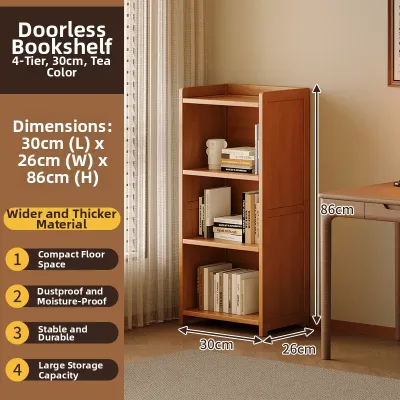
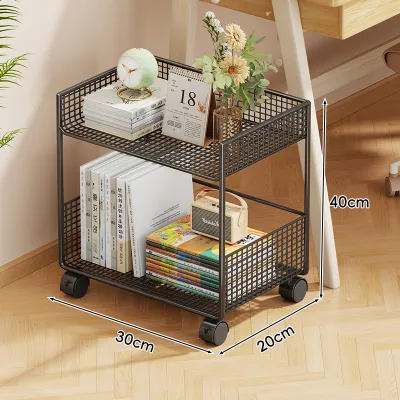
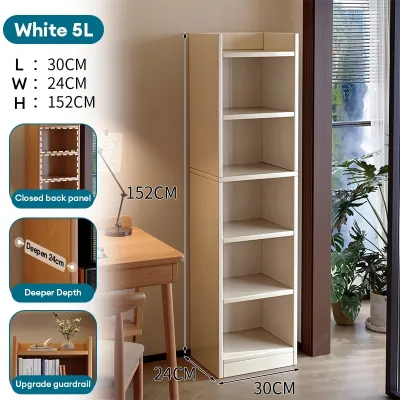
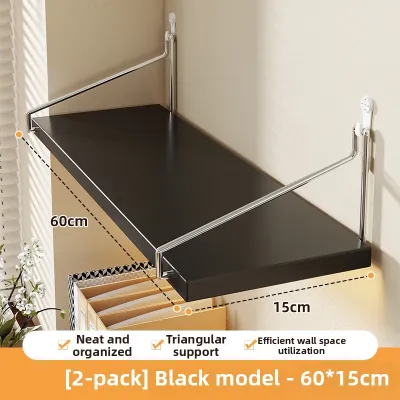
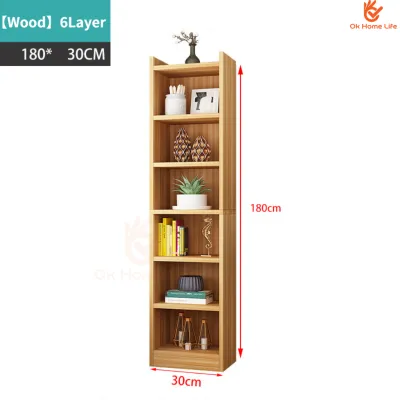
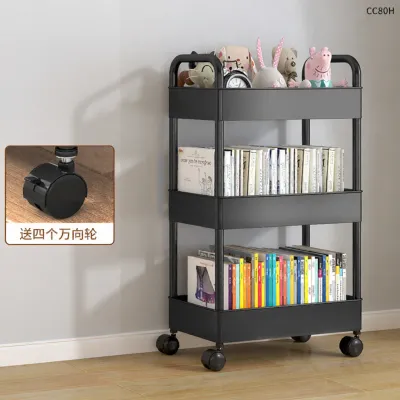
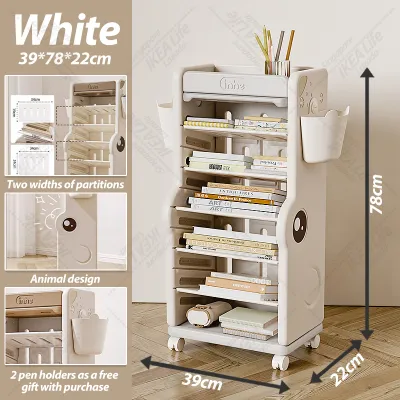
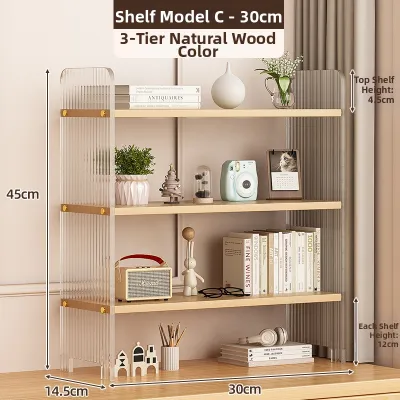
Prices are valid at publication and may change. Please refer to the product page for the latest price.
Gather your tools beforehand. While many modular kits include basic tools like a small Allen key, having your own high-quality hand tools makes the process much smoother. Prepare a flathead and Phillips screwdriver, a rubber mallet for tapping wooden dowels gently into place, and a spirit level. If you plan to anchor the unit to a concrete wall, you will also need a hammer drill and appropriate masonry wall plugs.
Building the Base and Main Frame
The foundation of your modular bookshelf dictates the alignment of the entire structure. Begin by assembling the bottom rails, base plates, or leveling feet according to the manufacturer’s diagram. If your kit includes adjustable leveling feet, screw them in fully at first, as you will adjust them once the base is in its final position.

Place the assembled base in its intended spot and use a spirit level to check it from front to back and side to side. If the floor is uneven, adjust the leveling feet until the bubble sits perfectly in the center. Skipping this step can cause the vertical uprights to lean, making it difficult to install the shelves and putting unnecessary stress on the joints.
Once the base is level, begin attaching the vertical uprights. Pay close attention to the orientation of these panels; look for pre-drilled holes, groove directions for the back panel, or finished edges that must face forward. Secure the uprights using the provided fasteners, but do not tighten them completely yet. Leaving a small amount of play in the joints allows for minor adjustments when squaring the frame.
Installing Shelves and Modular Add-ons
With the main frame standing, you can begin installing the shelving tiers. Most modular systems use metal support pegs, brackets, or sliding locking mechanisms. Insert the shelf supports into the pre-drilled holes at your desired heights, ensuring all four pegs for a single shelf are at the exact same level.
Gently lower each shelf onto its supports. If your system uses locking cams or tension brackets, engage them carefully without forcing the components. Forcing a tight fit can chip the laminate or split the engineered wood. If a shelf does not slide in easily, double-check that the vertical uprights are perfectly parallel and have not bowed inward or outward.
If your modular bookshelf includes specialized add-ons like drawers, cabinet doors, or dividers, install these after the main shelves are secure. For drawers, attach the runner tracks to the pre-drilled holes on the inner side panels before sliding the drawer boxes in. For doors, adjust the hinge screws to ensure they hang straight and close smoothly. Always verify that the locking mechanisms on these accessories are fully engaged to prevent them from sliding out unexpectedly.
Securing the Bookshelf and Safety Checks
Safety is the most critical phase of any tall furniture assembly. Because modular bookshelves are often tall and narrow, they present a significant tip-over hazard, especially when loaded with heavy books. You must secure the unit to the wall using the manufacturer’s anti-tip kit.
Identify your wall type to select the correct anchoring hardware. In Singapore, most interior walls are solid concrete or brick, which require masonry wall plugs and a hammer drill. If you are anchoring to a drywall partition, locate the wooden studs behind the plasterboard using a stud finder, or use heavy-duty toggle bolts designed for hollow walls. Never rely on standard plastic plugs in drywall.
Once the anchors are secure, perform a thorough structural check. Go through the entire unit and tighten all cam locks, screws, and brackets that were left slightly loose during the initial frame assembly. Finally, test the stability of the bookshelf by applying gentle forward and lateral pressure to the top corners. The unit should feel rigid and show no noticeable wobble or sway.
Common Assembly Mistakes to Avoid
One of the most frequent errors is over-tightening screws and fasteners too early in the process. Tightening everything immediately can warp the frame, making it impossible to align subsequent panels or slide the backboard into its grooves. Keep fasteners snug but slightly loose until the entire frame is squared up, then do a final tightening pass.
Another common mistake is ignoring weight limits and load distribution guidelines. Always place the heaviest items, such as large encyclopedias or heavy storage boxes, on the bottom shelves to keep the center of gravity low. Lighter items, decorative pieces, and paperbacks should go on the upper tiers. Exceeding the specified load capacity can cause shelves to sag permanently or damage the joints.
Lastly, never skip the wall-anchoring step under the assumption that a heavy bookshelf will stay upright on its own. Loading books onto the upper shelves or pulling on a drawer can easily shift the center of gravity forward, causing the entire unit to collapse. Taking ten minutes to install a wall anchor provides essential peace of mind.
Frequently Asked Questions (FAQ)
Can I assemble a modular bookshelf alone?
While assembling smaller modular units is entirely manageable for a single person, larger or taller configurations usually require a helper. Assess the size, height, and weight of the main panels before starting. Having a second person is highly recommended when lifting tall uprights into place, holding the frame steady while you square the corners, and securing the unit to the wall anchors. Attempting to lift or move a partially assembled frame alone can twist the joints and damage the connection points.
What should I do if the pre-drilled holes do not align?
If you find that pre-drilled holes do not line up, do not force the screws in at an angle, as this can strip the threads or split the material. First, loosen the adjacent screws on the frame slightly. This allows the structure to flex and often brings the misaligned holes into perfect alignment. Next, check if the unit is resting on a completely level surface; an uneven floor can twist the frame and throw off the hole alignment. If the gap remains too large to bridge safely, stop the assembly immediately and contact the manufacturer or retailer for assistance, as this may indicate a defective panel.

Community discussion
Share your experience or ask a question. Comments are reviewed before publication.