
A standard rotate shoe rack typically holds between 18 and 36 pairs of shoes, but the actual capacity you experience at home often differs from the manufacturer’s advertised numbers. Most advertised capacities are calculated using small, flat footwear like sandals or low-profile sneakers packed tightly together. For a realistic household mix of running shoes, high heels, and boots, you should expect the practical capacity to be roughly 20% to 30% lower than the maximum listed limit.
Understanding Rotating Shoe Racks and Their Real-World Capacity
When shopping for a rotate shoe rack, understanding how manufacturers arrive at their capacity claims is crucial for avoiding post-purchase frustration. Standard testing protocols often assume an ideal scenario where every shoe is a slim, low-top profile, typically equivalent to a smaller European size 36 or 37. These shoes are placed perfectly side-by-side with zero clearance space between them, which rarely reflects how a busy household uses a storage unit.
In daily life, shoes are thrown in quickly, often wet or dirty, and vary wildly in shape and size. A bulky pair of men’s basketball shoes or wide-soled trainers can easily occupy the space of one and a half pairs of flat slip-ons. This discrepancy means a rack advertised as a “30-pair organizer” might only comfortably hold 20 to 22 pairs of mixed adult footwear without scuffing or overlapping.
Products mentioned in this guide
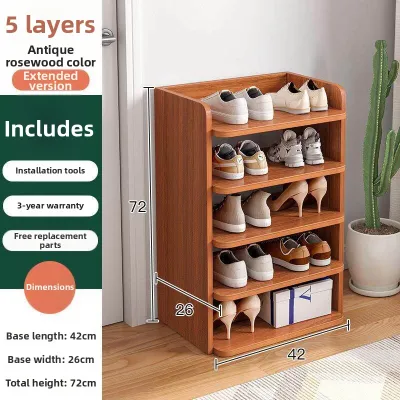
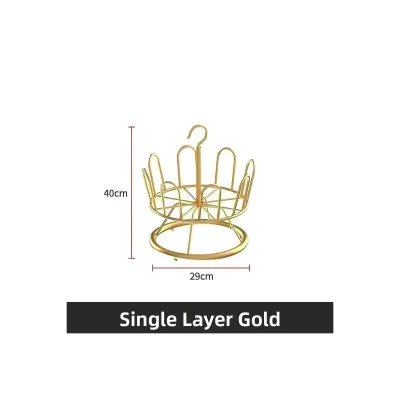
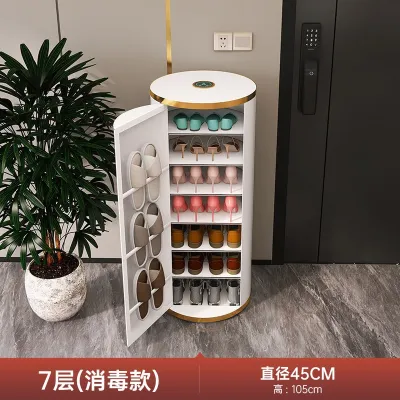
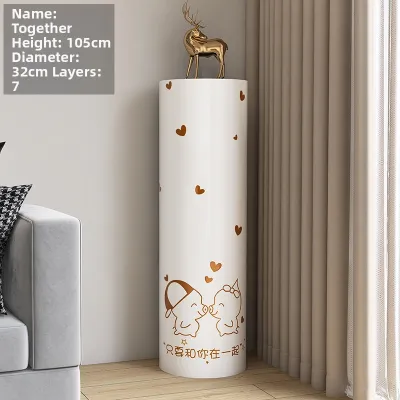
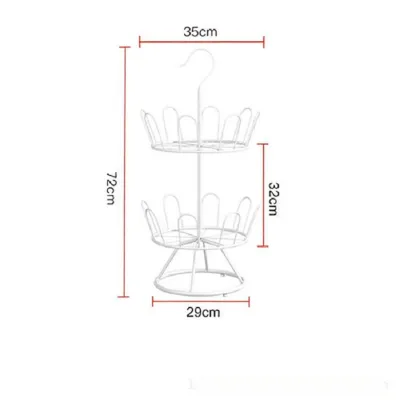
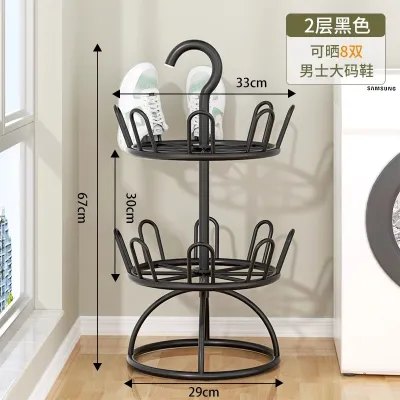
![⭐️ [SG SELLER] ⭐️ Multifunction 360° Rotating Shoe Slippers Rack / Portable Double Hook Drying Shoes Hanger Storage Organizer](https://img.lazcdn.com/g/p/16b1f5acfb8214b61239a5d9a892560c.jpg_400x400q80.jpg_.webp)
Prices are valid at publication and may change. Please refer to the product page for the latest price.
Furthermore, the physical footprint of the rack must be balanced against its rotational clearance. A rotating carousel requires a completely clear circular zone to spin freely without scraping your walls or blocking adjacent doors. In space-constrained entryways, such as those in typical Singapore apartments, measuring this dynamic footprint is just as important as counting the physical tiers.
How to Calculate Your Actual Shoe Storage Needs
Before purchasing a rotate shoe rack, conducting a thorough audit of your current footwear collection will prevent you from buying an under-sized unit. Begin by sorting your shoes into distinct categories based on their height, width, and overall bulk. Group flat sandals, canvas slip-ons, athletic sneakers, high heels, and ankle boots separately, as each category demands different vertical and horizontal spacing.

Next, consider the seasonal variations and local climate factors that influence your daily shoe choices. In tropical climates with frequent rain, you must account for wet weather footwear, which requires extra breathing room to dry properly and prevent mold growth. Storing damp shoes too closely together on a rotating carousel can trap moisture, leading to unpleasant odors and material degradation over time.
You should also factor in a buffer for future purchases to ensure your new furniture remains functional for years to come. A good rule of thumb is to add a 15% to 20% capacity buffer to your current collection size. If you currently own 24 pairs of shoes, aim for a rotating rack that has a practical, calculated capacity of at least 28 to 30 pairs.
Once you have your total adjusted shoe count, you can determine the necessary number of tiers. If a standard tier accommodates three pairs of average-sized shoes, a 24-pair collection will require at least an eight-tier configuration. Keep in mind that if your collection consists of larger shoe sizes, you may need to reduce the estimated pairs per tier to two, thereby requiring a taller tower.
Evaluating Capacity Across Common Rotating Designs
The structural design of a rotate shoe rack plays a massive role in determining its actual storage efficiency and ease of use. Unlike fixed rectangular cabinets, rotating models rely on circular or octagonal shelves that spin around a central axis. This geometry means the outer edges of the shelves offer the most usable space, while the areas closer to the center are often restricted.
The diameter of the central support pole and the overall base size directly dictate the usable depth of each shelf. A thicker central pole provides excellent structural stability but reduces the flat surface area available for placing longer shoes. If the shelf depth from the outer edge to the central pole is too shallow, larger shoes may overhang, preventing the rack from rotating smoothly.
To estimate real-world capacity accurately, always look closely at the detailed product specifications rather than the marketing headlines. Check the exact diameter of the rotating shelves and the vertical clearance between each tier. Comparing these measurements to the physical dimensions of your largest pairs of shoes will give you a much more reliable estimate of how many pairs will actually fit.
Compact and Corner Carousels
Compact and corner carousels are specifically engineered to maximize storage in tight corners, narrow hallways, or small entryway alcoves. These models typically feature a smaller diameter, often ranging from 40 to 50 centimeters, making them highly unobtrusive. They are ideal for households with limited floor space or for storing a curated selection of daily-wear shoes.
However, these space-saving designs come with significant capacity trade-offs, particularly regarding shelf depth and maximum shoe sizes. If anyone in your household wears a US size 10 (EU size 44) or larger, the heels or toes of their shoes are highly likely to overhang the edges of a compact carousel. This overhang can cause the shoes to scrape against the surrounding walls or adjacent furniture during rotation.
Additionally, narrower bases inherently reduce the overall stability of the unit, especially when loaded unevenly. Placing heavy boots on one side of a compact carousel while leaving the other side empty can cause the rack to wobble or tilt. To maintain safety, users must distribute weight evenly and avoid placing exceptionally heavy items on the upper tiers of these smaller models.
Standard Freestanding Towers
Standard freestanding rotating towers represent the most versatile option for average-sized households, balancing capacity with a reasonable physical footprint. These units usually feature a diameter of 50 to 60 centimeters and stand between five and seven tiers high. Many of these mid-sized models incorporate adjustable or removable shelves, allowing you to customize the vertical spacing.
The standard base width of these towers is designed to accommodate everyday footwear, from casual sneakers to moderate heels, without significant overhang. Because the shelves are wider than those on compact carousels, you can easily fit three pairs of standard adult shoes per tier. This configuration provides a reliable, practical capacity of 15 to 21 pairs of mixed-use footwear.
When fully loaded, a standard freestanding tower carries a substantial amount of weight, which requires careful distribution. Always place your heaviest footwear, such as work boots or thick-soled trainers, on the bottom two tiers to lower the unit’s center of gravity. This simple loading strategy ensures smooth, effortless rotation and minimizes the risk of the tower tipping over during use.
Tall and Multi-Tier Heavy-Duty Models
Tall, heavy-duty rotating shoe racks are designed for serious shoe collectors or large families, often featuring ten or more tiers that extend high up the wall. While these models offer impressive storage potential, they require careful consideration of your home’s ceiling height and overhead clearances. Ensure there are no low-hanging light fixtures, decorative moldings, or air conditioning units that could obstruct the top of the rack.
Because of their height and high center of gravity, tall rotating towers present a higher risk of tipping over, especially in homes with active pets or young children. Manufacturers of these heavy-duty designs typically require the base to be exceptionally wide, or they may include specialized wall-anchoring hardware. Utilizing these safety anchors is essential to secure the top pivot point while still allowing the inner shelves to rotate freely.
Accessibility is another practical factor to evaluate when choosing a tall multi-tier model. Shorter household members may struggle to reach or view shoes stored on the highest tiers, which can make daily use inconvenient. To optimize functionality, reserve the top tiers for out-of-season footwear or shoes that are only worn on special occasions.
Space, Clearance, and Stability Checks Before You Buy
Before finalizing your purchase of a rotate shoe rack, performing a series of physical checks in your home will ensure a smooth installation and safe operation. First, measure the exact floor space where you plan to position the rack, keeping in mind that the rotation diameter is larger than the static width. You must allow at least 5 to 10 centimeters of extra clearance around the entire circumference of the rack to prevent it from rubbing against walls or baseboards.
Next, verify that the floor in your chosen location is completely level and structurally sound. Even a minor slope in your entryway flooring can cause a tall rotating rack to lean, which puts uneven stress on the rotating bearings and increases the risk of tipping. If your floor is uneven, look for rotating models that feature adjustable leveling feet to compensate for the slope.
Finally, do not forget to measure the access path into your home, including elevator doors, main entryways, and narrow stairwells. Many heavy-duty rotating shoe racks are delivered fully assembled or in large, heavy boxes that require ample clearance to maneuver. In Singapore, walk-up apartments or units without direct lift access may incur additional delivery surcharges of S$10 to S$30, so it is wise to confirm these fees beforehand.
Common Sizing and Capacity Mistakes to Avoid
One of the most frequent mistakes buyers make is relying solely on the manufacturer’s advertised maximum pair claims without verifying the actual shelf dimensions. A product labeled as a “40-pair shoe rack” may only hold that amount if you are storing children’s shoes or flat sandals. Always calculate the capacity yourself by dividing the shelf circumference by the average width of your own shoes.
Another common oversight is ignoring the vertical clearance required for taller footwear like high-top sneakers, ankle boots, or mid-calf boots. If a rotating rack has fixed shelves with a low clearance height, you will be forced to lay your boots flat, which consumes double the horizontal space and drastically reduces the overall capacity. Always check if the rack offers adjustable tiers or designated taller sections for boots.
Lastly, buyers often overlook the dynamic swing radius required for the rack to rotate smoothly when fully loaded. Shoes that overhang the shelves even slightly will increase the effective rotation diameter of the unit. If you place the rack too close to a door frame or a walkway, these overhanging shoes can catch on passing clothing or obstruct the opening of nearby doors, leading to constant frustration.
Frequently Asked Questions (FAQ)
Can I adjust the shelves on a rotating shoe rack for taller boots?
Many modern rotating shoe racks feature adjustable or removable shelves designed to accommodate taller footwear like boots or high heels. To adjust these models, you typically remove the support pins or slide out individual shelf panels to create a double-height tier. However, removing shelves reduces the total number of tiers, which will lower the overall shoe capacity of the unit. Always check the manufacturer’s instructions, as removing too many structural shelves on certain models can compromise the overall stability of the rotating column.
Will a fully loaded rotating shoe rack damage my flooring?
A fully loaded rotating shoe rack can exert significant concentrated pressure on your floor, potentially causing scratches or indentations over time. To protect sensitive flooring materials like hardwood, laminate, or vinyl, look for racks equipped with protective rubber base pads or felt glides. If the rack is exceptionally heavy, placing a thin, durable utility mat underneath the base can help distribute the weight evenly and prevent wear. Always ensure the base is clean and free of trapped grit before sliding or rotating the unit to avoid abrasive damage.

Community discussion
Share your experience or ask a question. Comments are reviewed before publication.