
Determining the ideal number of shoe rack slots for your household is not about finding a single magic number. Instead, it requires balancing your household’s current footwear collection, the physical dimensions of your shoes, and the available floor space in your entryway. For most homes, a practical starting point is to allocate four to six slots per adult for active rotation, while keeping specialty or seasonal footwear in secondary storage. By systematically evaluating these factors, you can select a storage solution that keeps your home organized without wasting space or forcing you to constantly declutter.
Assessing Your Current Shoe Collection
Before browsing online marketplaces or visiting showrooms, conduct a thorough audit of your existing footwear. Laying out every pair currently owned by your household establishes a realistic baseline, helping you see exactly what you have and preventing you from underestimating your storage needs.
Categorize your shoes into three groups: daily wear, specialty gear, and long-term storage. Daily wear includes work, school, and casual shoes worn multiple times a week. Specialty gear covers running shoes, hiking boots, or formal heels used occasionally, while seasonal items include travel footwear only needed for overseas trips.
Products mentioned in this guide
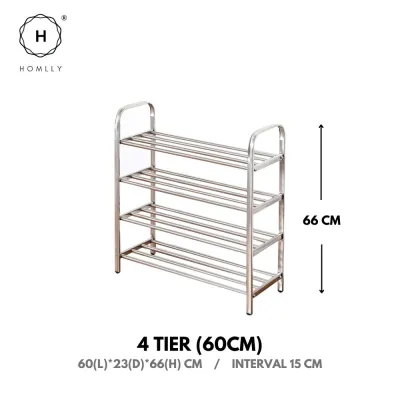
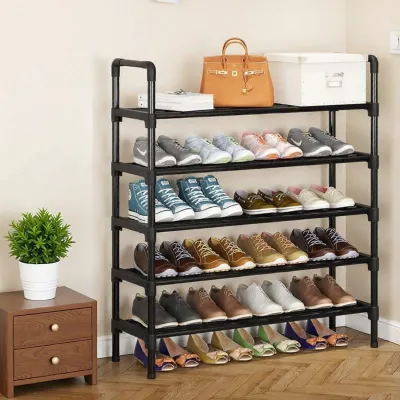
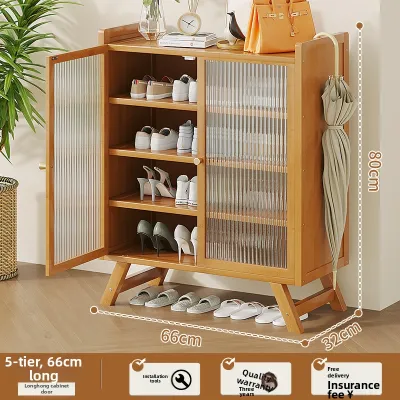
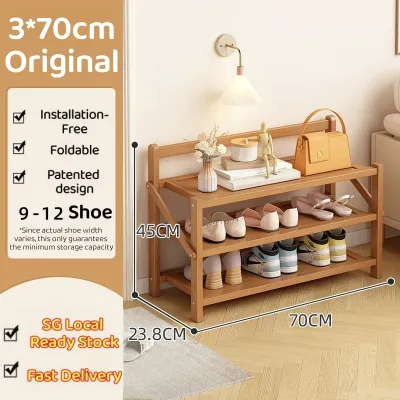
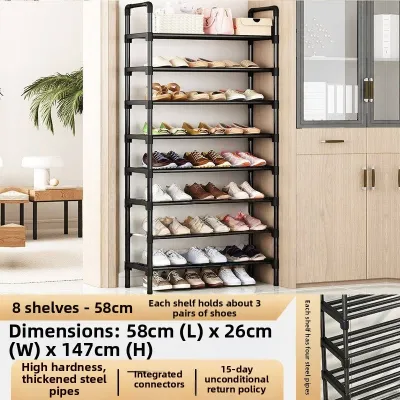
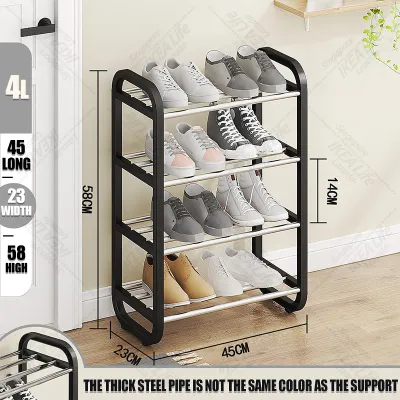
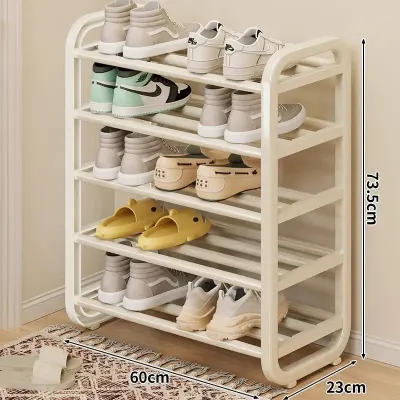
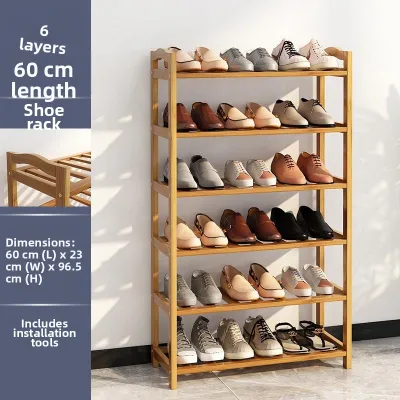
Prices are valid at publication and may change. Please refer to the product page for the latest price.
To keep your entryway functional, separate your active rotation from long-term storage. The primary shoe rack near your front door should hold only active pairs. Specialty, seasonal, or sentimental footwear can be moved to bedroom closets, under-bed boxes, or utility rooms, preventing the entryway from becoming overcrowded.
Identify any pairs that are damaged, outgrown, or unworn over the past year. Excluding these pairs from your final capacity count ensures you do not buy an oversized, more expensive shoe rack just to store items you no longer need. Decluttering before measuring ensures your new furniture is sized perfectly.
Calculating Capacity Based on Household Size
A successful storage plan adapts to your household’s lifestyle. Rather than relying on rigid per-person quotas, consider how age groups and daily habits influence capacity. Working adults typically require dedicated slots for formal office wear alongside casual weekend shoes, while teenagers often accumulate multiple pairs of athletic sneakers and casual footwear requiring full-sized slots.

Young children present a different challenge. While their shoes are smaller and can sometimes share a single shelf slot, children grow quickly and require frequent size upgrades. Their active lifestyles mean they often have separate pairs for school, sports, and outdoor play. Allocate at least three to four full-sized slots per child to accommodate rapid growth.
If you frequently host visitors, factor in guest slippers and temporary storage. Leaving two to four slots open near the bottom of the rack, or choosing a design with an open bottom clearance space, allows guests to tuck their shoes away neatly. This is especially important in Singapore, where removing shoes at the door is a standard cultural norm.
Finally, plan for future household changes to ensure your investment remains useful. If you anticipate welcoming a new family member, hosting a roommate, or taking up a new sport, add a 15% to 20% buffer to your calculated slot count. A shoe rack at maximum capacity on day one will quickly lead to overflow as soon as dynamics shift.
Factoring in Shoe Types and Slot Dimensions
The physical profile of your footwear plays a critical role in determining actual capacity. Standard shoe rack dimensions are often designed around flat shoes like sandals, loafers, or low-profile sneakers. If your collection consists of high heels, ankle boots, or chunky platform sneakers, these items occupy significantly more vertical and horizontal space, reducing the overall capacity of a standard unit.
To accommodate a diverse collection, look for shoe racks with adjustable shelves rather than fixed dividers. Adjustable shelving allows you to customize the height of individual tiers, ensuring you can store tall boots or high heels without bending the shafts or crushing the tops. Fixed slots can leave you with wasted vertical space above flat sandals and insufficient room for taller footwear.
The mechanism of the shoe rack also impacts space efficiency. Flat shelving is the most straightforward option, maximizing horizontal space but requiring a deeper cabinet footprint. Slanted tiers reduce cabinet depth, making them excellent for narrow hallways, though they may not accommodate high heels or heavy boots securely. Pull-out drawer mechanisms or tipping shoe cabinets offer a sleek, hidden look but often have strict height limits per compartment.
Measuring Your Available Space for Shoe Racks
Calculating your required shoe capacity is only half the battle; you must also ensure the physical unit fits comfortably. Begin by measuring the width, depth, and height of your intended placement area, whether it is an entryway, hallway, or closet. Use a metal measuring tape, and note architectural obstacles such as baseboards, light switches, electrical outlets, or distribution boards.
When planning the layout, pay close attention to door swing arcs and walkway clearances. A shoe rack should never obstruct the main entrance door, bedroom doors, or adjacent closet doors when fully opened. Ensure there is at least 90 to 100 centimeters of clear walkway space in front of the rack so household members can comfortably pass by or sit down without tripping.
In humid climates like Singapore, proper ventilation is essential to prevent mold, mildew, and odors from developing on footwear. If you choose a closed shoe cabinet, ensure it has built-in ventilation grilles, slatted doors, or an open-back design to promote airflow. Leave a small gap of one to two centimeters between the back of the cabinet and the wall to prevent trapped moisture.
Consider the structural trade-offs between different furniture profiles. Tall, narrow cabinets maximize vertical space, making them ideal for compact entryways, but they must be securely anchored to the wall to prevent tip-over hazards. Wide, low-profile benches offer a convenient place to sit while putting on shoes but provide fewer storage slots per square meter. Before purchasing, verify that the packaged dimensions can easily fit through your building’s lift doors and main doorway during delivery.
Common Shoe Rack Sizing Mistakes to Avoid
One of the most frequent mistakes is buying a shoe rack that matches your current shoe count exactly. Without a built-in buffer, your entryway will quickly become cluttered the moment you purchase a new pair, host a gathering, or buy temporary footwear. Always select a unit that offers at least 10% to 20% more capacity than your current active collection requires.
Another common error is relying solely on the manufacturer’s advertised slot count without checking actual internal dimensions. A cabinet advertised as a ’20-pair shoe rack’ may only hold that amount if every pair consists of slim, flat sandals. If your household wears wide sneakers, safety boots, or high heels, the actual capacity will be significantly lower. Compare the internal shelf width with your shoe widths to calculate realistic side-by-side capacity.
Finally, do not overlook the utility of the shoe rack as a multi-functional entryway piece. Many homeowners buy a basic rack only to realize they also need space for shoe horns, cleaning brushes, umbrellas, keys, and mail. If your chosen design does not include drawers or a top console surface, you may end up cluttering the top. Opting for a model with integrated drawers or side hooks keeps these daily essentials organized.
Frequently Asked Questions (FAQ)
Should I count shoe boxes in my shoe rack capacity?
Storing shoes in original cardboard boxes inside an entryway rack is highly inefficient. Shoe boxes occupy significantly more physical space than the shoes themselves, drastically reducing shelf capacity. Cardboard can also trap moisture and dust, which is counterproductive in humid environments.
If you prefer to keep certain specialty shoes in boxes, store them outside the main entryway. Utilize under-bed storage bins, clear plastic stackable organizers, or upper wardrobe shelves. This keeps your primary entryway shoe rack dedicated to open, easily accessible slots for daily active rotation.
How do I handle shoes that do not fit standard slots?
When dealing with oversized sneakers, high-top boots, or tall heels that do not fit standard slots, the most effective solution is to adjust your shelving layout. If your shoe rack has removable shelves, take out a middle divider to create a double-height compartment. This instantly provides vertical clearance without damaging the shoe structure.
For exceptionally tall boots or wet footwear, consider utilizing the open space beneath a raised shoe rack or adding dedicated wall-mounted hooks nearby. A freestanding boot organizer or a small, moisture-resistant tray placed next to the main cabinet can handle specialized footwear without taking up valuable shelf space inside your primary unit.

Community discussion
Share your experience or ask a question. Comments are reviewed before publication.