
Finding the right shoe bench with seat involves balancing comfortable seating with practical storage. A crowded entryway quickly becomes a tripping hazard, while an oversized bench can overwhelm your foyer. To find the perfect balance, you can use a simple baseline calculation to determine your storage needs.
The core formula for entryway storage is straightforward: multiply the number of residents by the average number of active daily pairs per person, then add one or two slots for guest footwear. For most households, each person keeps two pairs of shoes in active rotation—typically a primary work or school shoe and a casual pair or slip-on.
It is essential to distinguish between active daily rotation and long-term storage. Your entryway bench is designed for high-frequency access, not your entire footwear collection. Off-season shoes, formal wear, and specialty athletic gear should remain in bedroom closets or dedicated storage cabinets, leaving the bench clear for daily use.
Products mentioned in this guide
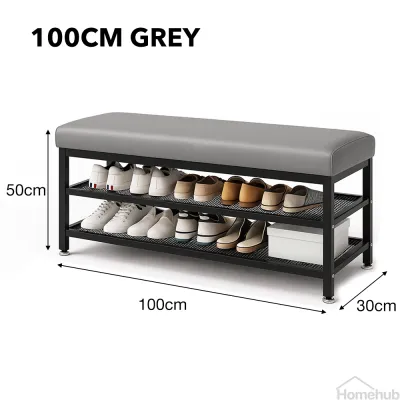
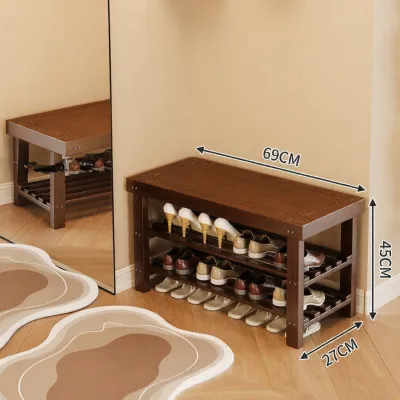
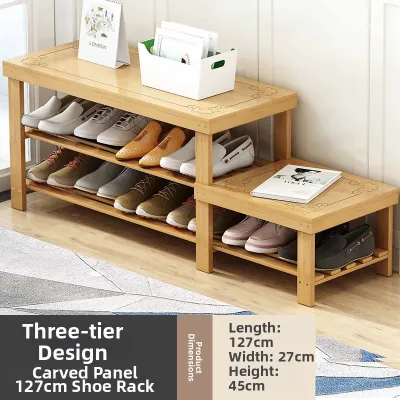
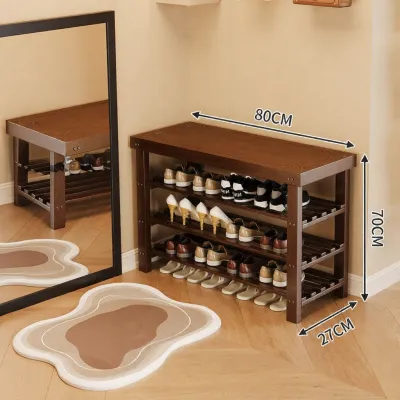
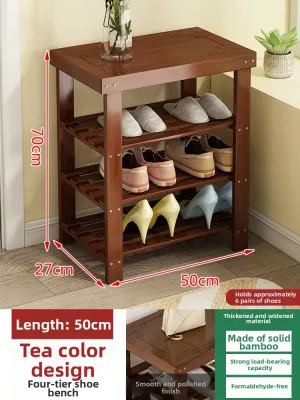
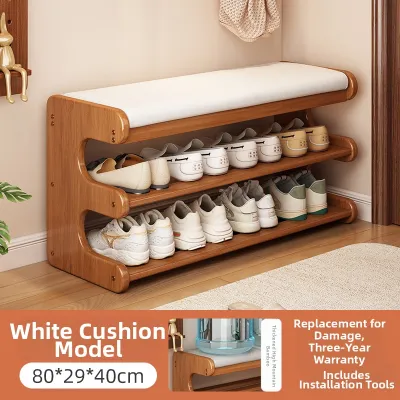
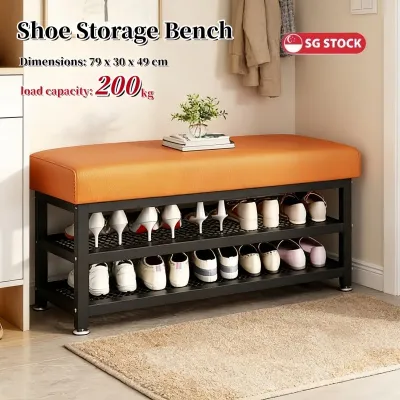
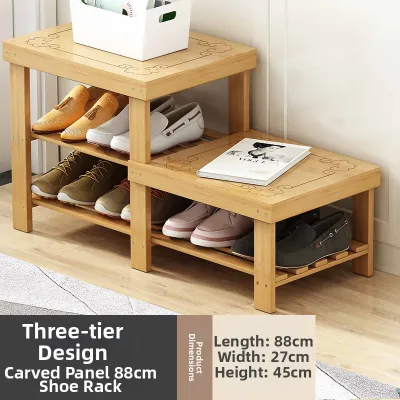
Prices are valid at publication and may change. Please refer to the product page for the latest price.
Keeping only active shoes on the bench preserves its primary dual function. When the lower shelves are stuffed beyond capacity, shoes spill out onto the floor, blocking the path and making it difficult to sit down comfortably to put on or take off your footwear.
An overloaded bench also affects the entryway’s overall aesthetic and usability. A cluttered foyer creates a chaotic first impression for guests and increases the time spent searching for matching pairs during busy morning rushes.
Audit Your Active Shoe Collection
Before shopping for a shoe bench with seat, conduct a realistic audit of your household’s daily footwear habits. Gather the shoes currently cluttering your entryway and group them by how often they are actually worn. This physical inventory prevents you from buying a bench that is either too small or unnecessarily bulky.
Categorize your collection into three main groups: daily essentials, occasional wear, and specialized footwear. Daily essentials include school shoes, work heels or flats, and the comfortable slides you wear for quick errands. These items require immediate, effortless access right by the front door.
Items that do not pass the daily-use test belong in deep storage. Formal dress shoes, hiking boots, and seasonal footwear should be moved to a wardrobe or utility closet. If a pair is only worn once a week or less, keeping it on the entryway bench unnecessarily robs you of valuable seating-area storage.
Remember to account for seasonal shifts in your household’s footwear habits. In wetter months, you might need space for umbrellas or taller rain boots, which require more vertical clearance than standard sneakers. Planning a seasonal rotation schedule—where you swap out summer sandals for heavier footwear as the weather changes—keeps your active shoe count consistent year-round.
Specialized footwear, such as muddy running shoes or sports cleats, should also be evaluated during your audit. These items often require specialized cleaning or drying before they can be placed on a shared storage shelf, meaning they should not occupy prime real estate on your main entryway bench.
Translate Shoe Pairs into Bench Dimensions
Once you have an active shoe count, you can translate that number into physical furniture dimensions. On average, a standard adult pair of shoes requires about 20 to 25 centimetres of horizontal shelf space. However, this estimate varies depending on the shoe sizes and styles in your household.

If your household members wear larger shoe sizes or wide-soled sneakers, you will need to allocate closer to 30 centimetres per pair. Taller footwear, such as ankle boots or high-top sneakers, also requires greater vertical clearance between shelves, which may reduce the total number of tiers you can fit under the seat.
You must also choose between open shelving and closed cubbies. Open shelves offer quick access and excellent ventilation, which is highly beneficial in humid climates to prevent musty odours. Closed cubbies or cabinet doors provide a cleaner visual appearance and protect shoes from settling dust, but they restrict airflow and can limit the width of the shoes you can place inside.
Be careful not to assume that a wider seat automatically translates to more storage space. Some shoe benches feature thick wooden frames, decorative side panels, or built-in drawers that reduce the actual usable shelf width. Always check the manufacturer’s internal compartment dimensions rather than relying solely on the external width of the seat cushion.
The material of the shelves also plays a role in how shoes fit and sit. Slatted wood or metal mesh shelves allow dirt and debris to fall through to the floor or the shelf below, which requires regular cleaning but prevents moisture buildup. Solid panels keep dirt contained but may require more frequent wiping down to maintain hygiene.
Verify Entryway Space and Safety Clearances
A shoe bench must fit your physical entryway without creating a bottleneck. Start by measuring the length and depth of your available wall space. Ensure there is enough room for the bench’s footprint while leaving at least 90 centimetres of clear walking space in front of it so family members can pass by easily.
Pay close attention to door swing paths and architectural features. The bench must not obstruct the main entrance door, closet doors, or nearby room transitions. If your entryway opens directly near a staircase or a narrow hallway, ensure the bench does not encroach on these critical pathways or block emergency exit routes.
Safety is a primary consideration for any furniture with a seating surface. Review the manufacturer’s specifications for the maximum weight capacity of the seat to ensure it can safely support an adult. If you choose a taller model with overhead coat hooks or multiple high tiers, check if the unit requires wall anchoring to prevent tip-over hazards.
Floor protection is another practical detail to verify before installation. Look for benches equipped with adjustable leveling feet or non-slip rubber pads on the legs. These features prevent the bench from wobbling on uneven floors and protect your entryway tiles or hardwood from scratches when the bench is moved.
If your entryway has baseboards, measure their height and depth. Some benches are designed with a slight recess at the back to fit flush against the wall over baseboards, while others may sit several centimetres away from the wall, slightly increasing the overall footprint of the unit in your hallway.
Adapting Storage for Different Household Sizes
Different household sizes require distinct storage strategies to keep the entryway organized. For singles or couples living in apartments with compact foyers, a slim, multi-tier shoe bench is often the best choice. These designs maximize vertical storage under the seat, allowing you to store four to six pairs of shoes within a minimal footprint.
Larger families face a greater storage challenge that a single bench rarely solves alone. In these households, it is practical to pair a compact shoe bench with an adjacent tall shoe cabinet. The bench serves as the immediate drop zone for the day’s shoes, while the taller cabinet houses the rest of the active rotation, keeping the floor clear.
Managing a mix of adult and children’s shoes within the same bench requires smart internal organization. Look for benches with adjustable shelves or varied compartment heights. Children’s shoes can be doubled up or placed on lower, shorter shelves, leaving the taller compartments free for adult boots and larger footwear.
Allocating specific zones or shelves to different family members helps maintain order over time. When children have their own designated, easy-to-reach cubby, they are more likely to put their shoes away independently, reducing the daily cleanup burden on parents.
For homes that host guests frequently, keeping a small, foldable shoe rack nearby or leaving the bottom shelf of the bench permanently open for visitors is an excellent way to maintain hospitality without sacrificing your household’s daily storage space.
Frequently Asked Questions (FAQ)
How do I handle muddy or wet shoes on a shoe bench?
To protect your shoe bench from moisture and dirt, place a removable, washable drip tray or a heavy-duty plastic mat on the bottom shelf. This is especially important for wooden benches, as standing water can warp the frame or damage the finish over time. Always check the manufacturer’s care instructions for both the frame and the seat cushion to ensure you use safe cleaning methods.
Can I add more storage to my existing shoe bench later?
If your bench has open space underneath or high clearance between shelves, you can add slim, stackable plastic drawers or fabric storage bins to hold extra sandals or slippers. However, avoid modifying the structural frame of the bench or adding heavy attachments that could compromise its stability. Never exceed the manufacturer’s original weight limits, as overloading the unit can lead to structural failure or tipping.

Community discussion
Share your experience or ask a question. Comments are reviewed before publication.