
When shopping for a plastic shoe cabinet, the advertised capacity rarely matches real-world usage. A manufacturer might label a unit as a “24-pair cabinet,” but this estimate is typically based on small, low-profile footwear like flat sandals or children’s shoes. When you attempt to store bulky sneakers, high heels, or running shoes, that advertised capacity can easily drop by half.
Determining how many pairs of shoes a plastic cabinet can actually hold requires looking past the marketing numbers. You must evaluate the physical dimensions of your footwear, the structural limits of plastic shelving, and the specific storage needs of your household. By taking a systematic approach, you can avoid the frustration of buying a cabinet that is either too small for your collection or too fragile to support it.
This guide provides a practical framework to help you audit your current footwear, understand the physical constraints of plastic storage, and select a configuration that fits both your home and your lifestyle.
Products mentioned in this guide
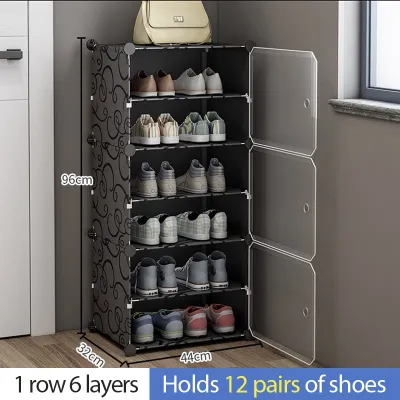
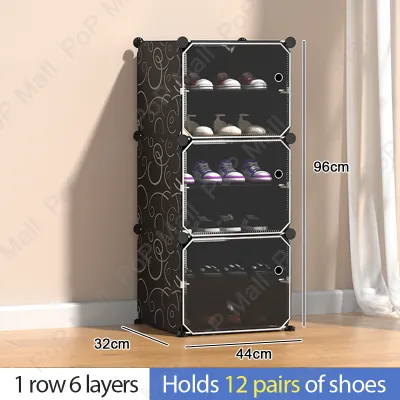
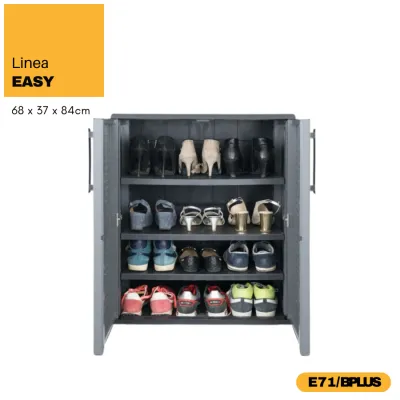
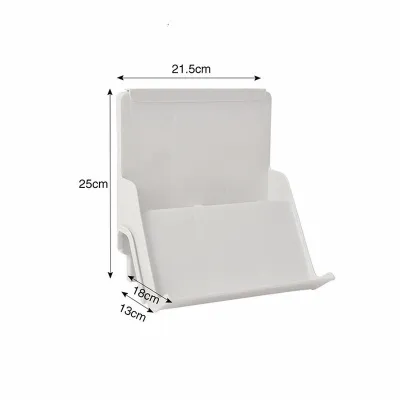
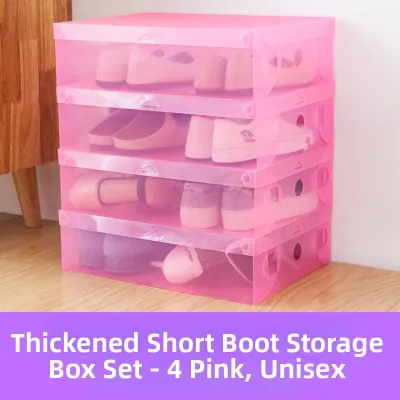
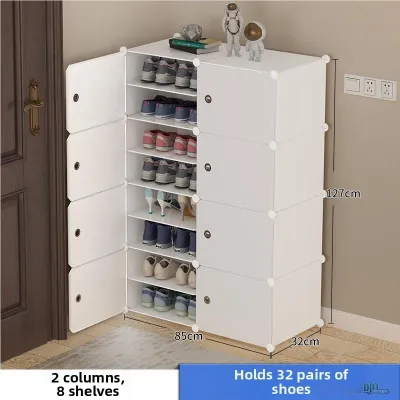
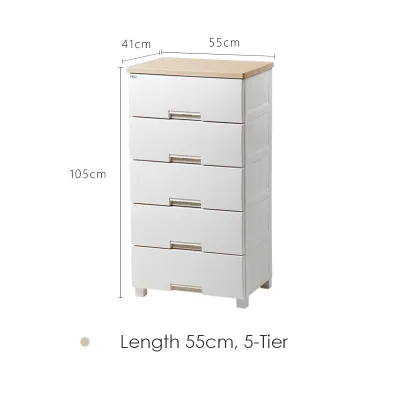
Prices are valid at publication and may change. Please refer to the product page for the latest price.
Audit Your Household's Shoe Collection
Before browsing cabinet options, you need an accurate count of your household’s active footwear. Begin by gathering every pair of shoes currently in use and sorting them by user and style. Grouping shoes into categories—such as daily sneakers, formal leather shoes, high heels, boots, and casual sandals—reveals the diverse shapes and sizes your cabinet must accommodate.
Physical size variations significantly impact how many pairs can sit side-by-side on a single shelf. For instance, a pair of men’s size 11 running shoes requires much more horizontal and vertical clearance than a pair of women’s size 6 flats. If your household has a collection of high-top sneakers or ankle boots, these taller items will quickly consume vertical space, reducing the total number of shelves you can use.
It is also essential to account for seasonal rotations, occasional footwear, and future growth. In tropical climates like Singapore, households often maintain a high volume of casual slippers and sandals alongside formal work shoes. You should also factor in guest slippers, specialized sports footwear, and the rapidly changing shoe sizes of growing children to ensure your cabinet remains functional over the next few years.
Finally, identify any exceptionally bulky or tall items that cannot be stored normally. Knowing which shoes require extra vertical space allows you to identify whether you need a cabinet with customizable layouts. If you have several pairs of tall boots or high-top shoes, you will need to plan for adjustable or removable shelves from the outset.
Decode Plastic Shoe Cabinet Dimensions and Limits
To choose a cabinet that fits your shoes, you must look closely at the product specifications, starting with the difference between external and internal dimensions. Manufacturers list external measurements to help you fit the cabinet into your room, but the internal usable depth and height determine if your shoes will actually fit. A cabinet with an external depth of 30 centimeters might only offer 27 centimeters of internal usable space, causing larger shoes to protrude and preventing the doors from closing properly.

Weight capacity and structural rigidity are critical considerations when evaluating plastic furniture. While plastic is lightweight, affordable, and highly resistant to water damage, it lacks the structural stiffness of wood or steel. Under heavy, concentrated loads—such as multiple pairs of heavy leather work boots or thick-soled sneakers—plastic shelves can bow or warp over time.
To prevent structural failure, check the manufacturer’s specified weight limit per shelf before purchasing. If you plan to store heavy footwear, look for cabinets that feature reinforced ribbed patterns on the underside of the shelves or those supported by a sturdy external frame. Distributing weight evenly across the shelf rather than clustering heavy items in the center can also help prolong the life of the plastic.
The flexibility of the internal shelving is another vital factor to verify. Fixed shelves limit you to a single, uniform height, which often leads to wasted vertical space above low-profile shoes and insufficient space for taller footwear. Adjustable or removable shelves allow you to customize the interior layout, maximizing the cabinet’s actual capacity by tailoring the gap of each tier to the specific shoes stored there.
Match Cabinet Capacity to Your Household Size
Estimating the right cabinet size requires a realistic look at your household’s daily habits rather than relying on a generic formula. A practical starting point is to allocate space for a baseline of five to six pairs of everyday shoes per adult, plus additional space for less frequent footwear. This baseline ensures that the shoes worn most often are easily accessible without causing clutter in the entryway.
Different household profiles require distinct storage strategies. For example, a couple with a shared passion for collecting bulky sneakers will require a much larger, deeper cabinet than a family of three that primarily wears compact sandals and low-profile canvas shoes. If you have young children, remember that their shoes are small now but will require adult-sized storage space within a few years, making a modular system highly beneficial.
When dealing with larger capacities, you must decide between a single tall cabinet or multiple smaller, modular units. A single tall plastic cabinet saves floor space but can become top-heavy and unstable if loaded incorrectly. Modular plastic cubes or stackable units offer a safer alternative, allowing you to expand your storage horizontally or vertically while keeping the center of gravity low.
Modular systems also give you the flexibility to distribute storage throughout your home. You can place a small, low-profile plastic rack near the main entrance for daily footwear, while keeping a larger, closed cabinet in a utility room or hallway for seasonal or formal shoes. This approach prevents your entryway from becoming overcrowded while keeping your entire collection organized.
Plan Your Space and Placement Safely
Before finalizing your purchase, carefully measure the designated floor area where the cabinet will stand. Be sure to account for door swings, adjacent walkways, and the clearance needed to access nearby light switches or power outlets. Leaving a small ventilation gap between the back of the cabinet and the wall is also recommended to encourage airflow and prevent stagnant air.
Because plastic cabinets are lightweight, they present a higher risk of tipping over when fully loaded, especially if they are tall and narrow. To ensure household safety, always plan to anchor tall cabinets to the wall using the manufacturer’s supplied safety brackets or straps. This precaution is particularly important in homes with active pets or young children who might pull on the cabinet doors.
Environmental factors in your home can also affect the lifespan and stability of plastic storage. In regions with high humidity, such as Singapore, enclosed plastic cabinets can trap moisture, leading to mold growth and unpleasant odors on your footwear. Choosing a cabinet with ventilated doors, louvered panels, or open wire-mesh shelves can significantly improve air circulation.
Additionally, avoid placing plastic cabinets in areas that receive direct, intense sunlight, such as balconies or near large windows. Prolonged exposure to ultraviolet rays can cause certain types of plastic to become brittle, fade, or warp over time. Positioning your cabinet in a shaded, well-ventilated area ensures it remains structurally sound and visually appealing for years to come.
Frequently Asked Questions (FAQ)
Can I reinforce a plastic shoe shelf if it starts to sag?
Plastic shelves typically sag due to a process called material creep, where constant weight causes the plastic to deform permanently over time. If a shelf begins to sag, it is a clear sign that the load exceeds the material’s structural limits, and continuing to overload it can lead to sudden failure or damage to the cabinet frame.
Rather than attempting unverified DIY reinforcements—such as adding heavy wooden supports that increase the dead weight on the plastic joints—the safest approach is to redistribute your footwear. Move your heaviest shoes, such as boots and leather dress shoes, to the bottom shelves of the cabinet, and reserve the upper tiers for lightweight sandals, slippers, or canvas shoes.
How do I clean and maintain a plastic shoe cabinet to prevent odors?
To keep your plastic shoe cabinet clean and odor-free, wipe down the shelves regularly using a soft microfiber cloth dampened with mild soap and warm water. This simple routine easily removes accumulated dirt, mud, and scuff marks without scratching or degrading the plastic surface.
Before using any commercial disinfectants or harsh chemical cleaners, always check the manufacturer’s care instructions, as strong solvents can cause the plastic to discolor or become brittle. To prevent moisture and odors from building up, allow your shoes to dry completely before placing them inside, and leave the cabinet doors open periodically to let fresh air circulate.

Community discussion
Share your experience or ask a question. Comments are reviewed before publication.