
When comparing home office swivel chairs in Singapore, finding the right balance between build quality and ergonomic support requires looking past marketing buzzwords to evaluate verifiable technical specifications. The local market features a wide range of options, from budget-friendly imports to high-end, commercially certified task chairs. Because a chair is a long-term investment in your physical well-being, understanding how materials, adjustability mechanisms, and structural components differ across price tiers is essential for making an informed purchase.
To make a practical decision, you must assess how a chair’s components withstand daily wear, how its adjustability features align with your body dimensions, and how its materials perform in Singapore’s warm, humid climate. This guide provides a structured framework to compare these factors, helping you identify which tier of swivel chair matches your daily work habits and space constraints.
Evaluating Build Quality Beyond the Label
A swivel chair’s durability starts with its base and frame materials. Premium models typically feature cast aluminum alloy bases, which offer exceptional tensile strength, resistance to bending, and a heavy center of gravity that prevents tipping. Mid-range and budget chairs often utilize nylon bases. While high-quality, glass-filled reinforced nylon can offer excellent structural integrity, cheaper, unreinforced plastics are prone to hairline fractures and warping under consistent weight over time.
Products mentioned in this guide
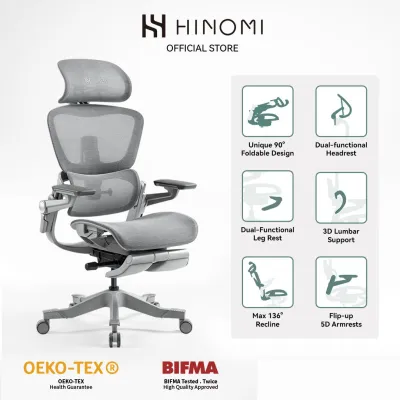
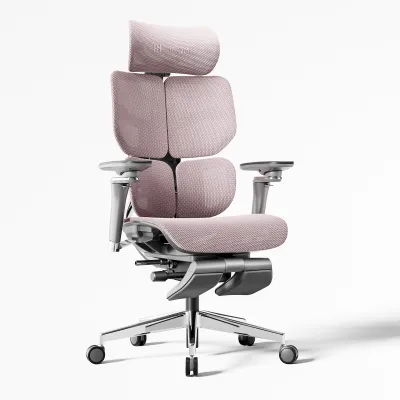
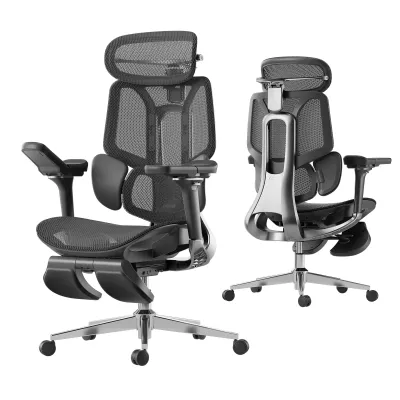
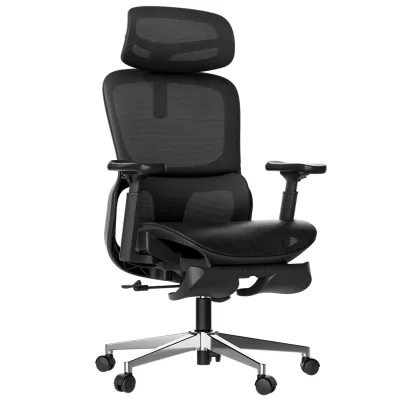
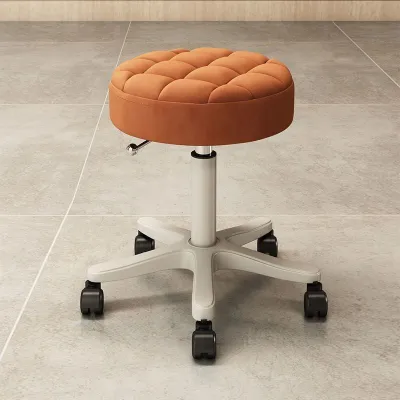
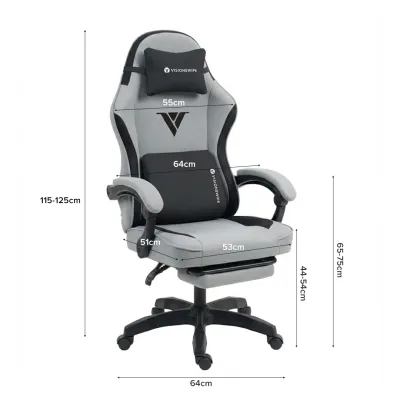
Prices are valid at publication and may change. Please refer to the product page for the latest price.
The gas lift cylinder is the literal backbone of any swivel chair and is classified by quality tiers. Look for a Class 4 gas lift cylinder, which features thicker steel walls and superior pressurization compared to Class 3 alternatives. Class 4 cylinders are typically rated to support weights up to 150kg and offer smoother height adjustments over years of daily use. These specifications are usually printed on the product label or detailed in the manufacturer’s technical sheet, often carrying certifications such as BIFMA X5.1.
Caster selection directly impacts both your flooring and your safety. Hard nylon casters are designed to glide smoothly on carpeted surfaces but can easily scratch, gouge, or strip the finish off parquet, laminate, and vinyl flooring. For hard floors, look for soft polyurethane (PU) coated casters. These provide sufficient grip to prevent the chair from slipping out from under you when you sit down, while ensuring quiet, scratch-free movement.
Finally, examine the manufacturer’s warranty terms as a direct indicator of build quality. A comprehensive warranty that covers moving parts, gas lifts, and tilt mechanisms for five to twelve years demonstrates high manufacturing standards. Conversely, warranties limited to one year—or those covering only the metal frame while excluding the mesh, foam, and gas cylinder—suggest that the components are expected to degrade quickly under regular use.
Decoding Ergonomic Adjustability and Support
True ergonomic support is not a one-size-fits-all feature; it relies on highly adjustable components that adapt to your unique spinal curvature. Lumbar support is the most critical element for preventing lower back fatigue. Fixed lumbar bands rarely align correctly with individual users. Instead, prioritize height-adjustable lumbar supports that allow you to position the curve directly in your lower back’s natural inward curve. Advanced models feature dynamic, auto-adjusting lumbar systems that automatically pivot and shift tension as you lean forward or recline.

Seat pan design determines how well your lower body maintains healthy blood circulation during long hours of sitting. A seat depth slider is an essential feature for accommodating different leg lengths. When adjusted correctly, there should be a gap of approximately two to three fingers between the front edge of the seat and the back of your knees. This prevents pressure on the popliteal fossa, which can cause numbness. Additionally, a seat with a waterfall front edge—a gentle downward curve—minimizes pressure on the underside of your thighs.
Armrests play a vital role in reducing strain on your neck and shoulders. Basic chairs offer fixed or 1D (height-only) armrests, which often force your shoulders into a shrugged or slouched position. Look for 3D or 4D armrests, which allow you to adjust the height, depth, width, and horizontal angle. This adjustability ensures your forearms are fully supported at desk height, keeping your elbows bent at a comfortable 90-degree angle and your shoulders completely relaxed.
The tilt and recline mechanism governs how the chair moves with your body. Basic center-tilt mechanisms pivot from the middle of the seat, lifting your feet off the floor as you recline and putting pressure on the back of your thighs. Synchro-tilt mechanisms are highly preferred for ergonomic setups; they tilt the backrest and the seat at a synchronized ratio (typically 2:1). This keeps your feet flat on the floor and maintains an optimal torso-to-thigh angle, promoting spinal decompression and active sitting.
Comparing Market Tiers: Premium, Mid-Range, and Budget
In Singapore, home office chairs generally fall into three distinct price and performance tiers. The premium tier, typically priced at S$1,000 and above, features advanced elastomeric mesh that retains its tension for over a decade without sagging. These chairs offer highly sophisticated, synchronized tilt mechanisms, extensive multi-axis adjustability, and robust warranties of up to 12 years. They are engineered for demanding, full-time professional use where long-term durability and precise postural support are paramount.
The mid-range tier, ranging from S$400 to S$900, represents a practical balance for hybrid workers. These chairs usually feature standard polyester mesh backrests, molded foam seat cushions, adjustable lumbar support, and 3D armrests. While they may not offer the fluid, weight-activated tilt mechanisms of premium models, they provide reliable structural durability and standard commercial warranties of three to five years, making them highly suitable for daily use of four to eight hours.
The budget tier, priced under S$300, is widely available but requires careful scrutiny. These chairs often feature basic center-tilt mechanisms, fixed armrests, and thin foam padding over plywood bases. In Singapore’s humid climate, cheap polyurethane (PU) leather upholstery on budget chairs is highly prone to peeling and flaking within one to two years. If shopping in this tier, prioritize breathable mesh backrests, verify the maximum weight capacity on the product label, and expect a shorter overall lifespan.
To assess the true value of a chair, calculate its cost per year of expected use rather than focusing solely on the upfront price. A premium chair costing S$1,200 with a 12-year warranty costs S$100 per year and guarantees consistent support. A budget chair purchased for S$200 that sags, peels, or suffers a broken gas lift after two years also costs S$100 per year, but subjects your body to poor posture and requires the hassle of frequent disposal and replacement.
Practical Space, Assembly, and Safety Checks
Before finalizing your purchase, you must ensure the chair physically fits your workspace. In compact Singapore apartments and HDB study corners, a chair’s overall footprint is a critical constraint. Measure the width of your desk opening and compare it to the maximum outer width of the chair’s armrests and base, which typically ranges from 65cm to 75cm. Ensure the armrests can lower sufficiently to slide completely under the desk when the chair is not in use, saving valuable floor space.
Delivery logistics require careful planning, especially if the chair is delivered fully assembled. Measure the clearance of your front door, internal hallways, and lift access. If you live in a walk-up apartment without elevator access, confirm whether the delivery service charges additional fees per staircase flight. For flat-packed chairs, ensure you have a clear, flat area of at least two square meters to safely assemble the components without damaging your walls or flooring.
Protecting your flooring is an easily overlooked safety and maintenance step. Heavy task chairs with aluminum bases can exert intense point pressure, which can dent vinyl tiles or scratch delicate parquet. Placing a dedicated polycarbonate or low-profile woven floor mat under your desk setup distributes the weight evenly and ensures smooth caster gliding. If you notice any resistance or grinding noises while rolling, check the casters immediately for trapped hair or debris, which can lock the wheels and cause floor scratches.
When assembling a flat-packed chair, strictly follow the manufacturer’s sequence and torque recommendations. Avoid using power tools, which can easily strip the threads in pre-drilled wooden or plastic inserts. Hand-tighten all bolts first to ensure proper alignment before securing them firmly. If any structural parts do not align easily, or if you must apply excessive force to insert the gas lift cylinder, stop immediately and consult the manufacturer’s customer support to prevent damaging the safety mechanisms.
Decision Framework: Choosing the Right Chair Tier
To select the ideal chair tier, align your choice with your daily usage patterns, physical requirements, and budget. Choose a premium tier chair if you work from home full-time (8+ hours daily), require precise adjustments to manage posture, and view the purchase as a long-term investment backed by a decade-long warranty. This tier is highly recommended for users who want maximum breathability and highly responsive tilt mechanisms that support continuous movement.
Choose a mid-range tier chair if you follow a hybrid work schedule (4 to 6 hours of daily desk use), want reliable ergonomic adjustments without a premium price tag, and prefer a balanced warranty of three to five years. This tier offers excellent value, providing robust structural support and comfortable mesh materials that perform well in local humidity without the high upfront cost.
Choose a budget tier chair if the setup is intended for occasional use (1 to 2 hours daily), secondary study spaces, or if you are working under strict short-term budget constraints. When buying budget, opt for fabric or mesh over synthetic leather, and strictly adhere to the manufacturer’s weight limits. Regardless of the tier you choose, remember that ergonomic chairs are designed to support healthy posture but are not medical devices; if you suffer from chronic back pain or pre-existing spinal conditions, consult a healthcare professional for personalized medical advice.
Frequently Asked Questions (FAQ)
How often should a home office swivel chair be replaced?
A home office swivel chair should typically be replaced every five to ten years, depending on its build quality and daily usage. Clear indicators that a chair has reached the end of its functional lifespan include a sinking gas lift that fails to hold its height, visible tearing or sagging in the mesh or seat foam, and a loose or unresponsive tilt mechanism. In Singapore’s humid climate, peeling synthetic leather or a noticeable loss of lumbar tension are also key signs that the chair no longer provides safe or adequate ergonomic support.
Are gaming chairs a good alternative to ergonomic office chairs?
Gaming chairs are generally less suitable for long-hour professional work compared to dedicated ergonomic office chairs. Most gaming chairs feature a bucket-seat design inspired by race cars, which has raised side bolsters that restrict leg movement and press your shoulders forward. They also tend to rely on removable elastic-strap pillows for lumbar support rather than integrated, adjustable mechanisms. Ergonomic office chairs prioritize open seat pans, highly adjustable armrests, and synchronized tilt mechanisms designed specifically to support active, varied postures during task-oriented desk work.

Community discussion
Share your experience or ask a question. Comments are reviewed before publication.