
When investing in a home office chair in Singapore, buyers often focus on mesh breathability, lumbar support, and aesthetic appeal. However, the most critical component for safety, height adjustability, and long-term durability is hidden right beneath the seat: the chair gas lift. Also known as the gas cylinder, this pressurized chamber bears your full weight daily and determines how long your chair remains at its designated ergonomic height. Comparing brands on gas lift quality and warranty coverage is essential because a failing cylinder leads to a “sinking” chair, rendering an otherwise perfect seat unusable.
To make an informed decision, you must look past generic marketing terms like “heavy-duty” and instead evaluate standardized engineering classes, third-party safety certifications, and the fine print of manufacturer warranties. In Singapore’s humid climate, where moisture can accelerate the degradation of lubricants and metal joints, choosing a high-quality cylinder and understanding your warranty recourse is the difference between a chair that lasts a decade and one that needs replacing within a year.
Understanding Gas Lift Quality and Safety Standards
To evaluate gas lift quality objectively, you must understand the industry-standard classification system. Gas lifts are categorized into classes ranging from 1 to 4, with Class 3 and Class 4 being the standard for reputable home office chairs. The primary distinction lies in the thickness of the steel walls of the cylinder and the overall weight capacity they can safely support.
Products mentioned in this guide
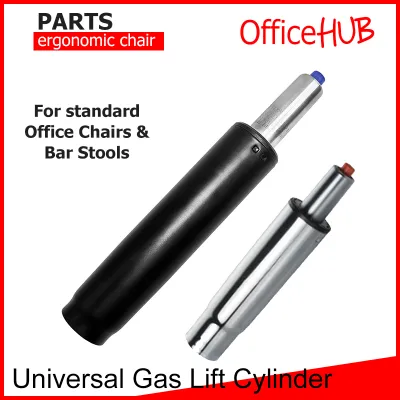
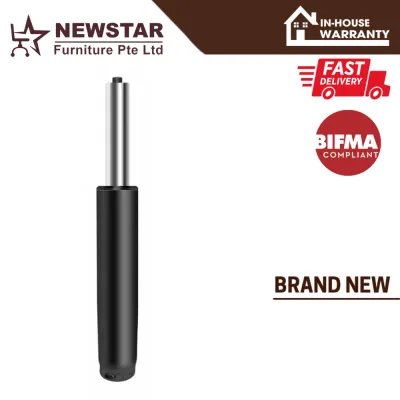
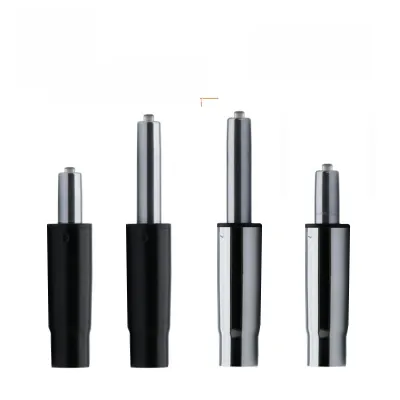
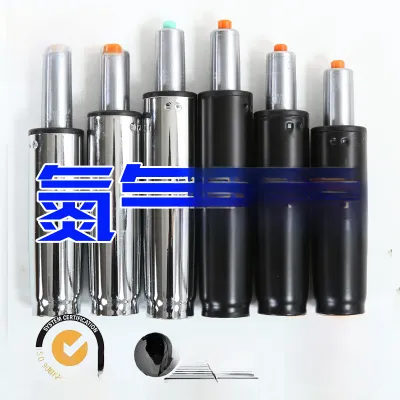
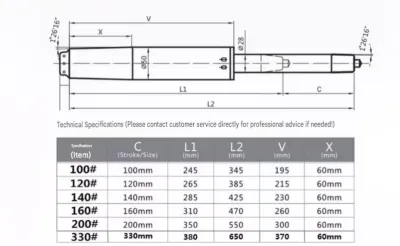
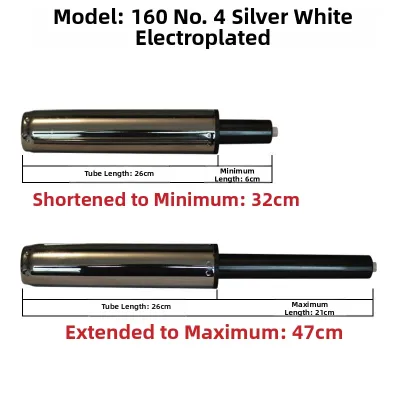
Prices are valid at publication and may change. Please refer to the product page for the latest price.
A Class 3 gas lift typically features an outer cylinder wall thickness of approximately 1.5 millimeters. It is engineered to support weight capacities up to 120 kilograms under normal usage conditions. In contrast, a Class 4 gas lift utilizes a thicker outer steel wall, usually around 2.0 millimeters, and is rated to support weights up to 150 kilograms or more. This extra wall thickness provides superior structural integrity, reducing the risk of internal pressure loss and ensuring smoother height adjustments over thousands of compression cycles.
Rather than relying on a brand’s self-reported claims, look for independent, third-party testing certifications. The most respected standards in the furniture industry are established by BIFMA (Business and Institutional Furniture Manufacturers Association), specifically the ANSI/BIFMA X5.1 standard for office chairs. Additionally, look for certification marks from global testing bodies such as TÜV Rheinland (specifically testing to the DIN 4550 standard) and SGS. These marks indicate that the gas cylinder has undergone rigorous pressure, cycle, and drop testing to ensure it will not fail catastrophically under load.
When inspecting a chair in person at a showroom, you can perform several physical checks to assess build quality. Examine the surface finish of the exposed cylinder; it should be smooth, evenly coated, and free of pitting, scratches, or uneven oily residue. Operate the height adjustment lever several times. The movement should be fluid and silent, without any sudden drops, jerky transitions, or metallic grinding sounds. A high-quality cylinder will compress slightly when you sit down to provide a cushioning effect, then hold its position firmly without micro-sinking over time.
Decoding Warranty Coverage for Gas Cylinders
A common pitfall for buyers is assuming that a long overall chair warranty applies equally to every component. Many brands advertise a “10-year warranty,” but a closer look at the terms reveals that this coverage is tiered. While the structural steel frame might be covered for a decade, the moving parts—specifically the gas lift cylinder—may only carry a one- to three-year warranty. Always read the specific component breakdown to know exactly how long your gas lift is protected.

It is also crucial to understand how manufacturers distinguish between normal wear-and-tear and manufacturing defects. Over several years of daily use, a gas cylinder may experience a very gradual loss of pressure, resulting in minor sinking. Some warranties classify this slow degradation as normal wear-and-tear and will not cover a replacement. However, if the cylinder begins to sink rapidly, fails to hold its height within the first year, or leaks hydraulic oil, this is universally recognized as a manufacturing defect covered under warranty.
Be aware of common conditions that can void your gas lift warranty. Exceeding the stated weight capacity of the chair is a primary cause for claim denial. Improper assembly is another; if you use a metal hammer directly on the cylinder during setup and damage the activation pin or dent the casing, the manufacturer will likely void the coverage. Furthermore, using a residential-grade chair in a commercial, multi-shift office environment, or exposing it to corrosive outdoor conditions (such as an open balcony exposed to Singapore’s salty sea air and high humidity) can also invalidate your warranty.
Comparing Brand Transparency on Gas Lift Specifications
Brand transparency regarding component specifications varies widely across the market. Premium ergonomic brands typically provide comprehensive spec sheets directly on their product pages. They openly state the exact class of the gas lift (almost exclusively Class 4), the specific manufacturer of the cylinder, and provide downloadable PDF copies of their TÜV or BIFMA certification reports. This level of transparency gives buyers confidence that the core mechanical component of their investment meets global safety standards.
Conversely, navigating budget-friendly options on general e-commerce platforms in Singapore requires a more cautious approach. Many low-cost chairs (often priced under S$150) are listed with vague descriptions like “certified high-quality gas lift” or “explosion-proof cylinder” without specifying the class, wall thickness, or testing body. In these cases, the lack of detailed specifications often indicates a lower-class cylinder (Class 1 or 2) or an uncertified component designed to keep production costs minimal.
Before making a purchase, especially from a brand with limited online specifications, take the initiative to contact customer service. Ask direct, targeted questions to gauge their transparency and product quality. Ask: “What is the specific class rating of the gas lift cylinder?” and “Can you provide the SGS or TÜV certification document for this model?” A reputable brand, even a budget-conscious one, should be able to verify these details. If the customer support team cannot or will not provide this information, it is safer to assume the component is of standard or sub-standard quality.
Decision Framework: Matching Gas Lift Reliability to Your Needs
To choose the right gas lift configuration, you must match the component’s specifications to your physical requirements and daily usage patterns. If you plan to use the chair for extended periods—such as a full eight-hour work-from-home schedule—or if multiple family members of varying weights will share the chair, investing in a Class 4 certified gas lift is highly recommended. The thicker steel walls and higher pressure tolerance of a Class 4 cylinder ensure it can withstand constant daily adjustments and heavy-duty support without losing pressure prematurely.
For those on a strict budget who only use their home office chair for light, intermittent tasks—such as checking emails for an hour a day or occasional weekend study sessions—a standard Class 3 certified option is generally sufficient. As long as your body weight falls comfortably within the cylinder’s rated capacity (typically leaving a safety margin of at least 20%), a certified Class 3 lift will provide reliable service without the premium price tag.
Regardless of your budget, the golden rule is to verify the presence of clear certification marks and specific warranty terms before buying. If a product listing lacks any mention of weight capacity, cylinder class, or has a warranty of less than one year on mechanical parts, treat it as a significant risk. In Singapore’s competitive furniture market, there are ample options that offer certified Class 3 or Class 4 cylinders with clear warranties, making it unnecessary to compromise on safety and durability.
Frequently Asked Questions (FAQ)
Can I Replace a Faulty Chair Gas Lift Myself?
Replacing a faulty, sinking gas lift is a highly feasible DIY project that can save you the cost of buying an entirely new chair. To perform the replacement safely, you will need a few standard tools: a heavy-duty rubber mallet or hammer, a large pipe wrench (stillson wrench), and some penetrating lubricant like WD-40. The process involves separating the cylinder from both the seat mechanism at the top and the wheel base at the bottom.
Safety must be your top priority during this process. Never, under any circumstances, attempt to puncture, heat, or disassemble the gas cylinder itself, as it contains highly pressurized nitrogen gas and hydraulic oil under extreme force. Wear safety glasses and work gloves to protect your hands and eyes. Apply a generous amount of penetrating lubricant to the joints where the cylinder meets the metal base and seat plate, and let it sit for at least fifteen minutes to loosen the friction fit before attempting to remove it.
Use the pipe wrench to grip the old cylinder firmly and twist it until it breaks free from the seat mechanism. If the cylinder is completely seized due to rust or years of heavy use, or if you find yourself having to apply extreme force that bends the metal seat plate or cracks the nylon wheel base, stop immediately. Forcing the components can cause permanent damage to the chair’s structural frame or result in personal injury. In these stubborn cases, it is best to consult the manufacturer for replacement parts or contact a professional furniture repair service in Singapore to handle the extraction safely.

Community discussion
Share your experience or ask a question. Comments are reviewed before publication.