
Quick Answer: Matching Chair Profiles to Your Needs
Selecting the right office desk chair in Singapore requires balancing your daily sitting habits, your home’s climate, and your budget. Because everyone’s physical proportions differ, no single brand or model serves as a universal solution for every user.
For those working in Singapore’s warm, tropical climate without continuous air conditioning, brands prioritizing high-tension mesh backrests and seat pans offer excellent breathability. Conversely, users who prefer a highly structured, cushioned feel often find that high-density molded foam provides more consistent, long-term support.
The primary trade-off between premium ergonomic brands and budget-friendly alternatives lies in their adjustability and overall lifespan. Premium models allow you to fine-tune almost every component to your body, whereas budget options typically offer fixed components that may wear out or sag within a few years of daily use.
Products mentioned in this guide
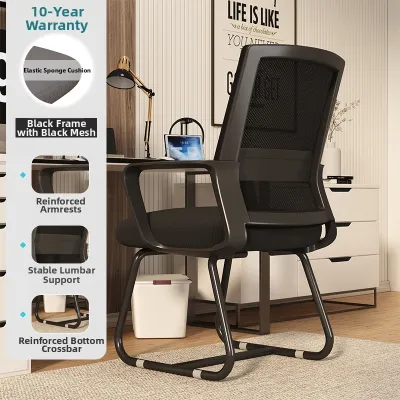
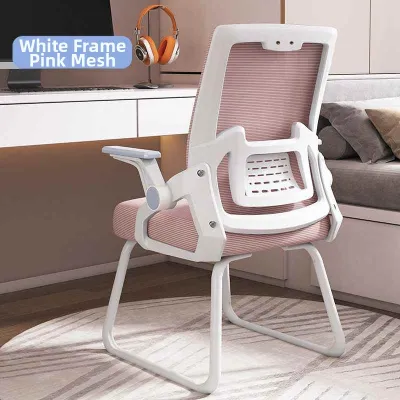
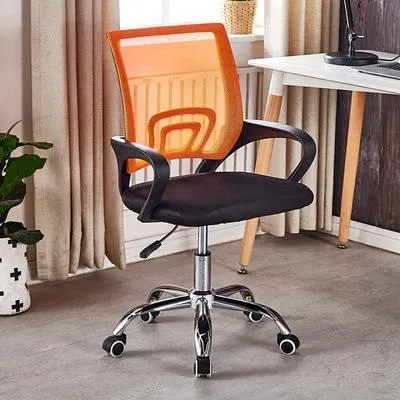
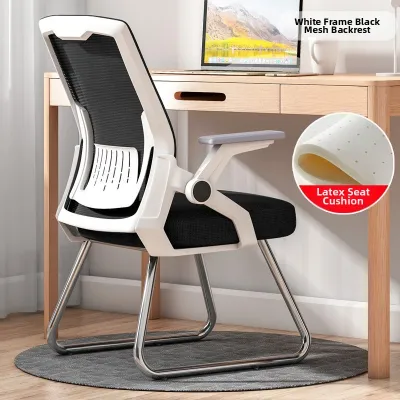
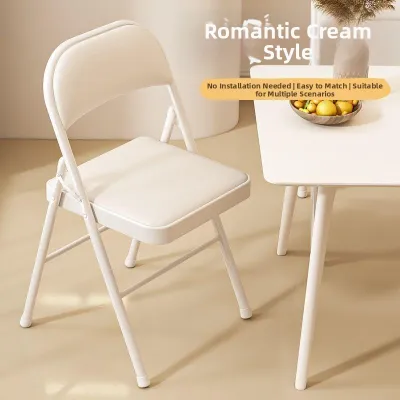
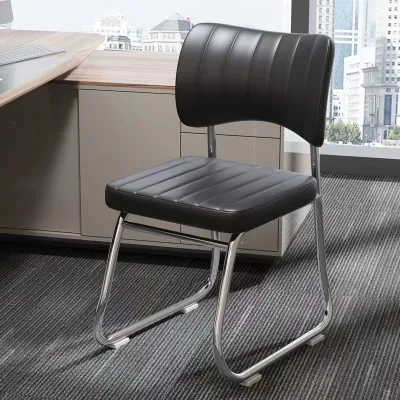
Prices are valid at publication and may change. Please refer to the product page for the latest price.
Comparing Comfort: Key Ergonomic Features to Evaluate
Evaluating the comfort of an office desk chair requires looking closely at its adjustable components. A high-quality chair should adapt to your body, rather than forcing your body to adapt to the chair.

Lumbar Support Mechanisms
Height and Depth Adjustability: Look for brands that allow you to adjust both the height and depth of the lumbar support. A fixed lumbar support rarely aligns perfectly with every spine, whereas an adjustable mechanism lets you position the support directly in the lordotic curve of your lower back.
Dynamic vs. Manual Systems: Some premium chairs feature dynamic lumbar support that automatically pivots and adjusts tension as you shift positions. Manual systems require you to set a dial or slide a bracket, which is highly effective if you prefer a locked, unchanging level of lower back pressure.
Seat Pan Design and Materials
Waterfall Edge: A pronounced downward slope at the front of the seat pan is essential for reducing pressure on the back of your thighs. This design prevents blood flow restriction to your lower legs during extended sitting sessions.
Seat Depth Adjustment: Ensure the chair allows you to slide the seat pan forward or backward. Proper seat depth leaves a gap of about two to three fingers between the edge of the seat and the back of your knees, preventing calf compression while fully supporting your thighs.
Mesh vs. Molded Foam: Mesh seat pans distribute weight evenly and prevent heat buildup, but they must use high-elasticity materials to prevent your tailbone from bottoming out against the frame. Molded foam cushions offer a traditional, plush feel but should feature a high density rating to maintain their shape over years of use.
Armrest Adjustability
Multi-Directional Movement: Armrests are categorized from 1D (simple height adjustment) up to 4D (height, depth, angle, and width adjustments). Having at least 3D adjustability allows you to position the armrests close to your body, keeping your elbows bent at a 90-degree angle.
Strain Reduction: Properly adjusted armrests support the weight of your forearms, which directly unloads tension from your shoulders and trapezius muscles. If armrests are too wide or too low, you may find yourself slouching or shrugging, leading to chronic neck strain.
Recline and Tilt Tension
Synchro-Tilt Mechanism: High-quality office desk chair designs utilize a synchro-tilt mechanism where the backrest reclines at a faster rate than the seat pan (typically a 2:1 ratio). This keeps your feet flat on the floor and maintains a comfortable hip angle as you lean back.
Tension Control and Tilt Locks: A tension control knob allows you to adjust how much resistance the chair offers when you recline, matching the mechanism to your body weight. Look for chairs with multiple lockable tilt positions so you can secure the backrest at your preferred angle for focused typing or relaxed reading.
Comparing Build Quality: Materials and Structural Checks
Build quality directly impacts how long a chair remains supportive before components begin to degrade or fail. Inspecting the materials and construction methods helps you identify a durable investment.
Frame and Base Materials
Base Construction: The base of the chair bears your entire weight and must remain perfectly stable. Premium brands typically use polished aluminum or reinforced steel bases, which offer exceptional durability and a solid feel. Budget-friendly brands often use nylon or plastic bases; while lightweight, these must be heavily reinforced with fiberglass to prevent cracking over time.
Frame Rigidity: Inspect the joints where the backrest meets the seat mechanism. Metal-to-metal connections are far more durable than metal screws threaded directly into plastic frames, which can strip and loosen, causing the chair to wobble or squeak.
Casters and Mobility
Floor Compatibility: Standard hard plastic casters are designed for carpeted floors but can scratch and scuff hard surfaces like vinyl, laminate, or parquet, which are common in Singapore homes. Look for brands that offer soft polyurethane (PU) or rubber-coated casters to ensure quiet, scratch-free movement on hard flooring.
Stem and Bearing Quality: High-quality casters feature steel stems and dual ball bearings. This construction ensures the wheels rotate and swivel smoothly under load, preventing the jerky movements that can strain your lower back when reaching for items on your desk.
Gas Lift Cylinders
Safety Certifications: The gas lift cylinder is a critical safety component responsible for height adjustment. Look for physical laser-etched markings on the cylinder indicating compliance with international standards such as BIFMA X5.1 or SGS Class 3 or Class 4 certifications.
Class 4 Advantages: Class 4 cylinders utilize thicker steel walls and superior internal seals compared to Class 3 cylinders. This extra reinforcement prevents the common issue of the chair gradually sinking over time and supports higher maximum weight capacities.
Upholstery Durability
Mesh Tension Retention: Low-grade mesh upholstery tends to lose its elasticity within twelve to eighteen months, leading to a sagging seat that ruins the chair’s ergonomic benefits. High-quality elastomeric mesh is woven tightly with polyester or elastomer fibers to ensure it snaps back to its original shape even after years of daily use.
Fabric and Stitching: If choosing fabric upholstery, check the manufacturer’s specifications for the Wyzenbeek or Martindale rub count, which measures abrasion resistance. Look for double-stitched seams at high-stress corners and edges to prevent the fabric from fraying or separating under tension.
Decision Framework: Which Brand Tier Fits Your Routine?
To choose the right chair, you must align its features with your daily routine, physical requirements, and budget constraints.
Premium Ergonomic Tier
Daily Usage: If you spend eight or more hours a day at your desk, investing in a premium ergonomic brand is highly recommended. These chairs are engineered with advanced, dynamic mechanisms that adapt to your micro-movements, reducing the physical strain of static sitting.
Long-Term Investment: While the upfront cost is higher, these brands offer extensive adjustability and robust build quality, often backed by long-term warranties that make them more cost-effective over a decade of use.
Mid-Tier and Budget Options
Hybrid and Casual Use: For those who work hybrid schedules or spend fewer than four hours a day at their desk, a mid-tier chair with essential adjustments is often sufficient. These models typically offer adjustable seat height, tilt lock, and basic lumbar support without the complex multi-directional adjustments of premium models.
Budget Constraints: If you have a strict budget, prioritize structural stability over complex features. A simpler, well-built chair with fewer moving parts is often more durable than a cheap chair loaded with low-quality adjustable features that may break quickly.
Physical Fit and Space Constraints
Body Dimensions: Never purchase a chair based solely on brand reputation. Always compare the chair’s finished dimensions—such as seat width, seat depth range, and armrest height—against your own body measurements. Ensure the maximum load capacity comfortably exceeds your weight.
Home Access: Consider your home’s layout, especially if you live in a high-rise apartment. Verify that the fully assembled chair can easily fit through your doorways, hallways, and lift access. Some premium chairs are delivered fully assembled, making pre-delivery dimension checks essential.
Local Support and Services
After-Sales Support: Before purchasing, verify if the brand has a dedicated local presence in Singapore. Brands with local warehouses can provide faster delivery, professional assembly services, and prompt access to replacement parts if a component fails.
Self-Assembly vs. Professional Assembly: Check if the chair requires self-assembly and whether the necessary tools are included. Opting for professional assembly services ensures the chair is put together correctly, preserving the warranty and ensuring structural stability from day one.
Verifying Claims: Showroom Testing and Warranty Checks
Validating brand claims in person and understanding the fine print of your purchase prevents costly mistakes.
Understanding Warranty Terms
Component Breakdown: Do not be misled by a single, long warranty headline. Read the fine print to see how the coverage is split. A brand may advertise a ten-year warranty, but a closer look might reveal that the structural frame is covered for ten years, while the gas lift, moving mechanisms, and upholstery are only covered for one or two years.
Claim Process: Research how warranty claims are handled locally. Check if you are required to transport the heavy chair back to a service center yourself, or if the brand offers on-site technician visits to repair or replace faulty components.
Showroom Testing Protocol
Extended Sitting: When visiting a physical showroom, do not just sit in the chair for a few seconds. Spend at least fifteen to twenty minutes sitting in your typical working posture. Bring your laptop or tablet if possible to simulate your actual work environment.
Mechanical Inspection: Actively test every single adjustment lever and knob. Listen closely for any squeaks, creaks, or clicking sounds when you recline or swivel. Check for any lateral wobble in the seat pan or the gas lift cylinder when the chair is raised to its maximum height.
Return Policies and Trial Periods
Home Trials: Many online-first brands offer home trial periods, allowing you to test the chair in your own space for a set number of days. This is highly beneficial, as ergonomic discomfort often takes several days of continuous use to manifest.
Return Conditions: Carefully review the return policy before committing. Check if there are restocking fees, whether you must retain the original packaging, and who covers the cost of return shipping. Some brands require you to disassemble the chair before returning it, which can be challenging without specialized tools.
Frequently Asked Questions (FAQ)
How often should I replace my home office chair?
Physical Signs of Wear: You should consider replacing your chair when the seat cushion becomes permanently flattened, the mesh begins to sag noticeably, or the upholstery tears and exposes the underlying frame. These physical changes compromise the chair’s ability to distribute your weight evenly.
Mechanical Failures: If your gas lift cylinder constantly sinks, the tilt mechanism no longer locks securely, or the frame feels loose and wobbly despite tightening the screws, the chair’s structural integrity is compromised and requires replacement.
Lifespan Expectations: Budget-friendly chairs typically last between two to five years under daily use, while high-quality mid-tier and premium ergonomic chairs can easily last seven to twelve years or more when properly maintained.
Are expensive ergonomic brands always better for back pain?
Importance of Physical Fit: An expensive price tag does not guarantee back pain relief if the chair’s dimensions do not match your body shape. Proper physical fit and precise adjustability are far more important than brand prestige or premium materials.
Customized Adjustments: A chair that allows you to position the lumbar support exactly where you need it and adjust the seat depth to prevent thigh compression will always provide better relief than a premium, non-adjustable chair that forces your body into an unnatural posture.
Professional Guidance: While a supportive office desk chair is a crucial tool for comfort, it is not a medical cure. If you suffer from chronic back pain, it is always best to consult a healthcare professional or physical therapist to address the underlying causes rather than relying solely on a furniture upgrade.

Community discussion
Share your experience or ask a question. Comments are reviewed before publication.