
Deciding on the ideal home office chair in Singapore requires comparing how different brands align with your unique body dimensions, daily work habits, and spatial constraints. While Hinomi has gained attention for its highly adjustable, multi-segment designs, other established brands offer alternative approaches to lumbar support, seat pan materials, and frame construction. Finding the right fit involves looking past marketing claims and evaluating verifiable physical specifications, warranty terms, and practical home compatibility.
Identify Your Home Office Needs First
Before browsing any showroom or online catalog, you must define how you intend to use the chair. A person sitting for two hours a day of casual browsing has vastly different ergonomic needs than someone working a full eight-hour shift of intensive typing or multi-monitor multitasking. Consider your primary tasks, as activities like active typing often require a more upright, forward-tilted posture, while reading or video conferencing may benefit from a deeper recline.
Your physical measurements are the most critical factor in determining compatibility. Take note of your exact height and weight, as well as the length of your torso and thighs, to ensure any chair you consider can accommodate your frame. Pay close attention to existing physical pain points, such as lower back stiffness, neck tension, or shoulder fatigue, which will dictate where you need the most adjustable support.
Products mentioned in this guide
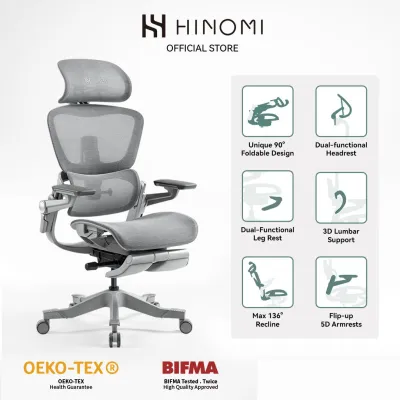
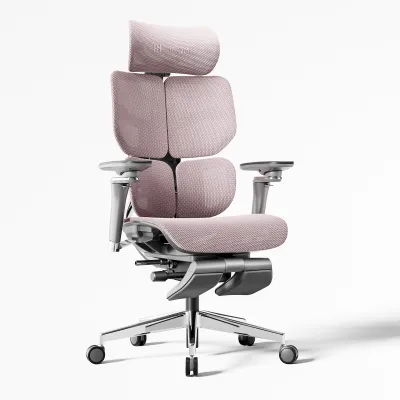
Prices are valid at publication and may change. Please refer to the product page for the latest price.
Establish a clear budget range in S$ before starting your search. High-quality ergonomic chairs are long-term investments, so you should balance the upfront cost against the expected lifespan of the product. Look for brands that offer robust warranty coverage, as a longer warranty period often reflects the manufacturer’s confidence in the durability of their components.
Key Features to Compare: Hinomi vs. Other Brands
When comparing Hinomi to other brands, you should focus on specific, measurable features rather than marketing claims. The lumbar support mechanism is a primary differentiator; some chairs use a fixed lumbar curve, others offer height-adjustable bands, and some feature dynamic, self-adjusting split panels that move with your body. You must determine whether you prefer a firm, localized support or a broader, more flexible pressure distribution.

Seat pan dimensions and materials are equally vital for long-term comfort. Compare the seat width and depth ranges, ensuring the seat pan can be adjusted so that it does not press against the back of your knees while still supporting your thighs. You will also need to choose between a full mesh seat, which promotes airflow, and a molded foam cushion, which offers a more traditional, contoured feel.
Armrest adjustability is often categorized from 1D to 4D, representing the directions in which the armrests can move. If you frequently switch between typing, using a mouse, and reclining, look for 3D or 4D armrests that adjust in height, depth, angle, and width to keep your shoulders relaxed. Headrest positioning should also be verified, especially if you are taller or shorter than average, to ensure it cradles your neck rather than pushing your head forward.
To make an objective decision, compile these specifications into a simple comparison matrix before making a purchase:
| Feature | Hinomi Specifications | Alternative Brand A | Alternative Brand B |
|---|---|---|---|
| Lumbar Support Type | Check manufacturer spec | Check manufacturer spec | Check manufacturer spec |
| Seat Material | Check manufacturer spec | Check manufacturer spec | Check manufacturer spec |
| Armrest Adjustability | Check manufacturer spec | Check manufacturer spec | Check manufacturer spec |
| Seat Depth Range | Check manufacturer spec | Check manufacturer spec | Check manufacturer spec |
| Headrest Adjustment | Check manufacturer spec | Check manufacturer spec | Check manufacturer spec |
Assessing Build Quality and Ergonomic Adjustability
Evaluating the physical construction of a chair requires looking beyond its aesthetic design. Inspect the frame materials, noting whether the base and structural spine are made of heavy-duty aluminum alloy or reinforced nylon fiberglass. A heavier metal base generally provides greater stability and a lower center of gravity, reducing the risk of tipping when you recline fully.
Always verify the manufacturer’s stated maximum weight capacity and compare it against your own requirements. Beyond weight limits, test or research the range of motion of the recline mechanism. Look for chairs with adjustable recline tension, which allows you to customize how much force is needed to tilt backward, and multiple tilt lock positions that let you secure the chair at your preferred angle.
A synchro-tilt mechanism is highly desirable for ergonomic seating, as it tilts the seat pan at a smaller angle than the backrest. This movement keeps your feet flat on the floor and maintains proper spinal alignment as you stretch. If you cannot test this in person, check the product specifications or user manuals to confirm the tilt ratio and mechanism type.
Finally, read the fine print of the warranty terms very carefully. Manufacturers often split their warranties into different tiers, offering long-term coverage for the structural frame but much shorter periods for moving mechanical parts, gas lifts, and upholstery fabrics. Understanding these distinctions beforehand prevents unexpected out-of-pocket expenses if a component requires replacement.
Space and Practical Constraints in Singapore Homes
Singapore’s residential layouts, particularly in HDB flats and compact condominiums, require careful spatial planning. Before purchasing any chair, measure your available desk clearance, including the height of the desk underside and the distance between the desk legs. Ensure the chair’s armrests can slide fully under the desk when not in use to save valuable floor space in your room.
The physical footprint of the chair base is another crucial dimension to check. A wide five-star base provides excellent stability but may struggle to fit in tight corners or under narrow study desks. Additionally, confirm that the casters are suitable for your flooring type; soft polyurethane casters are ideal for protecting delicate vinyl or hardwood floors, while hard nylon casters are better suited for carpeted areas.
Logistics can be a challenge in high-rise living, so you must verify the boxed dimensions of the chair before delivery. Ensure the packaging can easily navigate HDB or condominium lifts, tight stairwells, and standard residential doorways. If you live in an older estate with narrower lift access, confirming these measurements with the retailer beforehand can prevent delivery day complications.
Given Singapore’s warm and humid tropical climate, material breathability is a major factor in daily comfort. High-tension mesh backrests and seats allow for increased airflow, helping to dissipate body heat and moisture during long working hours without air conditioning. If you prefer a foam cushion, look for breathable fabric covers and avoid non-porous synthetic leathers that tend to trap heat and sweat.
Where to Buy and What to Verify Before Checkout
When you are ready to buy, compare the purchasing channels available in Singapore. Buying directly from official brand websites often provides the most straightforward access to warranty registration and promotional bundles. However, visiting an authorized physical showroom is highly recommended, as it allows you to physically sit in the chair, adjust the controls, and verify the fit before spending your money.
Be sure to scrutinize the return policies and trial periods offered by each retailer. Some brands provide a risk-free home trial period, allowing you to return the chair if it does not suit your body after a few days of use, while others may charge restocking fees or only accept returns for manufacturing defects. Always clarify who covers the return shipping costs in these scenarios.
Inquire about assembly services and potential hidden logistical costs before finalizing your order. Some retailers include professional assembly in the purchase price, while others ship the chair flat-packed, requiring you to assemble it yourself using provided tools. If you prefer a hassle-free setup, check if there is an additional fee for pre-assembled delivery.
Lastly, check for specific delivery surcharges that might apply to your location or delivery timing. Some logistics providers charge extra for deliveries to specific zones, non-lift accessible floors, or weekend slots. If you are replacing an old chair, ask if the delivery team offers a disposal service for your old furniture, as disposing of bulky items independently in Singapore often requires coordinating with your town council or private waste collectors.
Frequently Asked Questions (FAQ)
How do I know if a chair's lumbar support is right for me?
To determine if a chair’s lumbar support is suitable, sit fully back in the seat so your spine is in contact with the backrest. The lumbar support should sit naturally in the curve of your lower back, just above your belt line, without creating uncomfortable pressure points. If the support feels too high, too low, or pushes your torso forward aggressively, look for a chair with adjustable height and depth controls to customize the fit.
Is a mesh seat better than a foam seat for long working hours?
The choice between mesh and foam depends on your environment and comfort preferences. Mesh seats offer greater ventilation and heat dissipation, making them highly suitable for warm rooms without continuous air conditioning, though some users find the firm tension less forgiving over time. High-density molded foam cushions provide more consistent pressure distribution and a softer feel, but they can trap body heat and may eventually sag if the foam quality is low.

Community discussion
Share your experience or ask a question. Comments are reviewed before publication.