
Evaluating whether a Hinomi ergonomic chair is the right choice for your Singapore home office involves looking beyond marketing buzzwords and focusing on concrete specifications. While Hinomi has established a strong presence in the local market with its highly adjustable designs and modern aesthetics, it competes in a crowded space filled with both legacy ergonomic brands and newer, budget-friendly alternatives. To determine if a Hinomi chair offers the best value for your posture and budget, you must systematically compare its build materials, mechanical adjustability, and warranty terms against the broader market standards.
Your choice should ultimately depend on how well a chair’s physical dimensions and adjustment ranges align with your unique body proportions, your existing desk setup, and the spatial constraints of your room. By understanding what to look for on a manufacturer’s specification sheet and knowing how to test these features in person, you can make an informed investment that supports your physical well-being over years of daily use.
Defining the Comparison: Hinomi's Core Ergonomic Claims vs. Market Standards
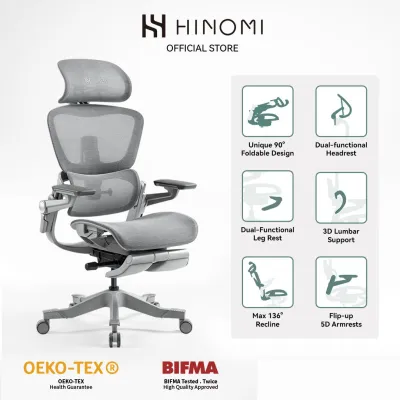
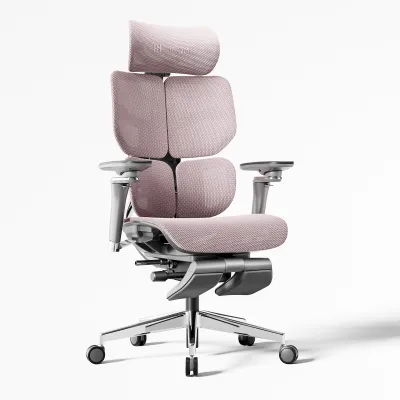
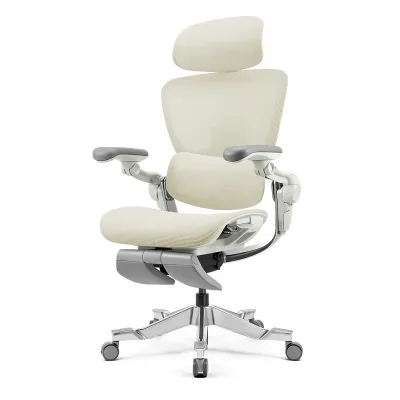
When evaluating Hinomi against other ergonomic brands in Singapore, it is helpful to start by identifying the brand’s primary design philosophy. Hinomi chairs are widely recognized for their highly segmented, multi-panel backrests and prominent, independent lumbar support systems. These designs aim to provide targeted pressure relief to the lower back by automatically pivoting or shifting as you change your seating posture throughout the day. Additionally, the brand emphasizes highly customizable components, such as armrests that fold or rotate extensively, and integrated leg rests that cater to those who like to recline during breaks.
Products mentioned in this guide
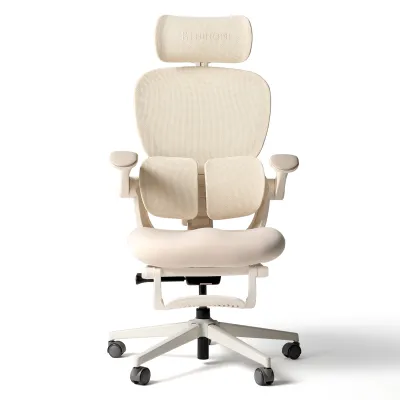
Prices are valid at publication and may change. Please refer to the product page for the latest price.
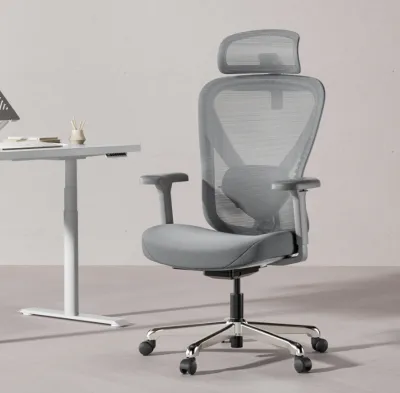
In contrast, traditional premium ergonomic brands often take a more integrated approach to support. Instead of using multiple independent panels, many established competitors rely on a single, continuous elastomeric mesh backrest suspended over a flexible frame. This design is engineered to distribute your body weight evenly across the entire surface, relying on the natural tension of the material rather than mechanical joints to support your spine. Meanwhile, entry-level ergonomic chairs typically offer basic, manually adjusted lumbar pads and standard up-and-down armrest movements, lacking the dynamic responsiveness found in mid-range and premium models.
To make an accurate comparison, you should avoid relying on broad brand reputations and instead compare specific model specifications. When browsing official product pages, look closely at the exact mechanism type used—such as weight-sensitive tilt mechanisms versus manual tension-control knobs. Understanding these mechanical differences will help you determine whether a chair’s support style matches your personal comfort preferences, whether you prefer a highly structured, cradled feel or a more flexible, weight-distributing sit.
Build Quality and Material Durability: What to Verify
The materials used in an office chair directly impact its comfort, safety, and lifespan, especially when subjected to Singapore’s warm and humid climate. Mesh seating is highly popular locally because it allows air to circulate, keeping you cool during long working hours. However, you should verify the type of mesh used before purchasing. High-quality elastomeric mesh is woven with polyester and elastomeric fibers, allowing it to stretch and return to its original shape without sagging over time. Lower-grade mesh may feel soft initially but can lose its tension within a couple of years, leading to bottoming out against the seat frame.

Beyond the seat surface, the structural frame and base materials require close inspection. Most entry-level chairs utilize nylon or plastic frames and bases, which are lightweight but may flex under heavy loads. Mid-range and premium chairs, including many Hinomi models, often feature reinforced nylon frames paired with heavy-duty die-cast aluminum alloy bases. When comparing models, check the manufacturer’s specified weight capacity and look for safety certifications on the gas lift cylinder. A certified Class 4 gas lift, for example, indicates that the cylinder has undergone rigorous pressure and durability testing to ensure safe height adjustments over thousands of cycles.
Finally, do not overlook the casters, as they affect both mobility and floor protection. Many Singaporean homes feature hard flooring surfaces such as ceramic tiles, vinyl planks, or polished parquet. Standard hard nylon casters can scratch delicate wood finishes or create a loud, distracting rolling noise on tiled floors. Look for chairs equipped with polyurethane (PU) coated casters, which provide a softer grip, reduce noise, and protect hard floors from wear. If your workspace is carpeted, ensure the casters are designed to glide smoothly over fibers without catching.
Adjustability and Ergonomic Features: A Specification Checklist
To achieve a truly ergonomic seating posture, a chair must allow you to customize its settings to match your body’s unique proportions. The lumbar support mechanism is one of the most critical features to evaluate. Fixed lumbar supports rarely fit everyone, so look for systems that offer at least height adjustability to target your lower back accurately. Dynamic lumbar support systems, which automatically adjust their depth and angle based on your sitting posture, can be highly beneficial if you move frequently. However, you should verify if the tension of this dynamic support can be adjusted, as some users find self-adjusting systems either too aggressive or too weak.
Armrest adjustability is another area where ergonomic chairs vary significantly. Basic chairs offer 1D (height) or 2D (height and depth) armrests, which may not fully support your arms if you have a narrow torso or a unique desk setup. Premium and mid-range models often feature 3D, 4D, or even 5D armrests that adjust in height, depth, width, and horizontal angle, and sometimes even tilt upward. This level of adjustability is crucial for ensuring your elbows rest at a comfortable 90-degree angle, level with your keyboard, which helps prevent shoulder and neck strain during long typing sessions.
Recline and tilt mechanisms also play a major role in dynamic sitting. When comparing chairs, check the maximum recline angle and verify whether the chair features a multi-position tilt lock or a free-float mode with adjustable tension. A high-quality tilt mechanism allows you to recline effortlessly while keeping your feet flat on the floor, maintaining proper circulation. Additionally, seat depth adjustment is a must-have feature for households where multiple people of different heights share the same chair. Adjusting the seat pan forward or backward ensures that your thighs are fully supported without the front edge of the seat pressing into the back of your knees.
Pricing, Warranty, and Long-Term Value Assessment
When shopping for an ergonomic chair in Singapore, navigating the pricing landscape requires a careful look at promotional cycles and retail channels. Prices can fluctuate significantly on official brand websites and authorized online marketplaces, especially during major shopping campaigns. To ensure you are getting genuine value, compare the promotional prices in S$ against the standard retail prices of competing brands. Be cautious of deep discounts on third-party ecommerce platforms from unauthorized sellers, as these purchases may not be covered by the manufacturer’s official warranty.
The warranty is a critical component of a chair’s long-term value, and you should read the fine print carefully. A manufacturer might advertise a long-term warranty, but this coverage is often tiered. Typically, the structural frame and aluminum base are covered for the longest duration, while moving mechanical parts like the gas lift, armrest mechanisms, and tilt controls may have a shorter coverage period of three to five years. The mesh, fabric upholstery, and foam padding usually carry the shortest warranty, often limited to one or two years. Comparing these specific warranty tiers across brands will give you a clearer picture of potential out-of-pocket repair costs down the road.
Before finalizing your purchase, evaluate the brand’s return policies, trial periods, and local support infrastructure. Some brands offer home trial periods, allowing you to test the chair in your own workspace for a set number of days. However, check if there are return shipping fees or restocking charges associated with returning a bulky item. Whenever possible, visit a local showroom in Singapore to physically sit in the chair. Testing the tension of the mesh, the ease of the adjustment levers, and the overall fit of the frame in person is the most reliable way to avoid the hassle of a return.
Decision Framework: When to Choose Hinomi vs. Alternatives
To decide whether to purchase a Hinomi chair or opt for an alternative brand, you can use a simple decision framework based on your specific priorities. Consider choosing a Hinomi model if you highly value a highly segmented backrest design with prominent, active lumbar support, and if their specific multi-dimensional armrests align with your typing posture. If you find that Hinomi’s current promotional pricing fits comfortably within your budget and you prefer a modern, feature-rich aesthetic with integrated leg rests, it represents a compelling option for a home office setup.
On the other hand, you may want to look at established alternative brands if you prefer a more traditional, unified mesh backrest that distributes weight evenly without independent panels. Alternatives are also worth considering if you require a brand with a decades-long global track record of certified ergonomic testing, or if you prefer a simpler, highly intuitive adjustment system with fewer moving parts. Furthermore, if you rely heavily on extensive local showroom consultations and want to compare multiple international brands side-by-side under one roof, multi-brand ergonomic retailers in Singapore may offer a more suitable shopping experience.
Before placing an order for any chair, always perform a final spatial and physical check. Measure your existing desk height and the clearance between the desk legs to ensure the chair’s base and armrests can slide underneath smoothly. If you live in a compact apartment, verify the outer dimensions of the chair to ensure it does not obstruct walkways when fully reclined. Finally, confirm that the delivery package dimensions can easily clear your home’s doorways and lift access, ensuring a smooth and hassle-free installation process.
Frequently Asked Questions (FAQ)
Are Hinomi chairs suitable for long hours of working from home?
Whether a Hinomi chair is suitable for extended working hours depends on how well its adjustability features match your body shape and sitting habits. To ensure comfort during long sessions, you should adjust the seat depth so that your lower back is fully supported against the backrest while leaving a small gap behind your knees. It is also important to choose a mesh tension that feels supportive without being overly stiff. However, regardless of the brand or price point of your chair, maintaining a static posture for hours is unhealthy; you should practice dynamic sitting by adjusting your recline angle throughout the day and taking regular standing breaks.
How do I verify the authenticity and warranty of a chair bought online?
To ensure your chair is authentic and fully covered by the manufacturer’s warranty, you should purchase it exclusively through the brand’s official website or their authorized storefronts on recognized online marketplaces. Avoid buying from parallel importers or unauthorized third-party sellers, as these products often lack local warranty support. Upon receiving your chair, locate the serial number sticker, which is typically found on the underside of the seat pan or on the frame. Keep a digital copy of your purchase invoice and register the product on the manufacturer’s official website promptly to activate your warranty coverage.

Community discussion
Share your experience or ask a question. Comments are reviewed before publication.