
Choosing between the Hinomi H1 and Ergotune ergonomic chairs for a Singapore home office depends on matching your unique body proportions, posture habits, and workspace dimensions to each chair’s adjustable features. Because neither chair is a universal fit for every individual, the decision requires verifying specific mechanical adjustments, material properties, and spatial footprints against your daily routine. By evaluating these factors systematically, you can identify which model provides the necessary support for long hours of desk work.
In a dedicated home office, a chair is more than just a place to sit; it is a tool that directly impacts your physical well-being and productivity. With hybrid work arrangements remaining a staple for many professionals, investing in an ergonomic chair requires a clear understanding of how different adjustment mechanisms interact with your body. Rather than relying on generalized marketing claims, a side-by-side comparison of physical specifications, adjustment ranges, and material compositions will guide you to the correct choice.
Core Ergonomic Adjustments Compared
The primary function of any ergonomic chair is to support the natural curvature of your spine and facilitate dynamic movement throughout the workday. When comparing these two options, the lumbar support mechanism is the most critical interface to evaluate. You should check whether the lumbar pad is fixed, manually adjustable in height and depth, or designed to auto-tune dynamically based on your body weight.
Products mentioned in this guide
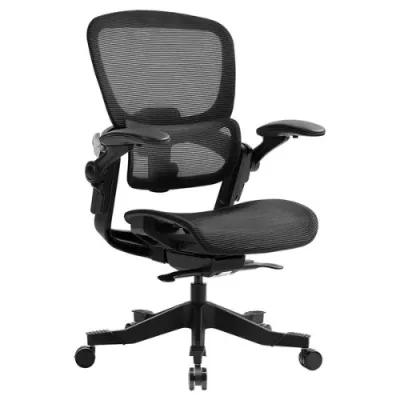
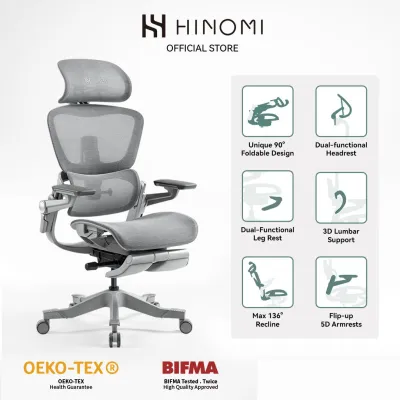
Prices are valid at publication and may change. Please refer to the product page for the latest price.
A dynamic lumbar support system automatically shifts tension as you lean forward or recline, whereas a manual system allows you to lock the support into a precise anatomical position. To ensure proper alignment, sit fully back in the seat and verify that the lumbar curve nests comfortably against your lower back without creating pressure points.
Armrest adjustability is another essential factor that prevents shoulder strain and upper body fatigue. Ergonomic chairs in this class typically offer multi-directional armrests, often referred to as 4D or 5D armrests. These allow you to adjust the height, width, depth, and pivot angle of the arm pads.
Before purchasing, measure the height of your desk from the floor to the underside of the tabletop. You must verify that the armrests can be lowered sufficiently to slide underneath your desk when you need to sit closer, or raised to align perfectly with your keyboard tray to keep your elbows at a comfortable 90-degree angle.
Recline and headrest mechanics dictate how well the chair supports your body during transitions between focused typing and relaxed reading. Check the manufacturer’s specification sheet for the tilt tension controls and the number of lockable recline positions. A synchro-tilt mechanism, which tilts the backrest and seat at a coordinated ratio, helps keep your feet flat on the floor while maintaining an open hip angle.
Additionally, examine the headrest articulation range. A well-designed headrest should adjust in both height and depth to cradle the cervical spine, preventing your neck from being pushed too far forward or left unsupported when reclining.
Build Quality, Materials, and Space Footprint
The materials used in an ergonomic chair directly influence its long-term durability and daily comfort, especially in a tropical, humid climate. Seating surfaces made of mesh are highly favored for their breathability, as they allow air to circulate freely and prevent heat retention.

When evaluating mesh options, inspect the weave density and elasticity. High-quality elastomeric mesh maintains its tension over years of use without sagging, whereas lower-grade mesh may stretch out prematurely. If you prefer a more cushioned feel, check if the chair offers a fabric or foam seat option, and verify the care instructions to ensure the material can resist moisture and sweat over time.
The structural integrity of the chair relies heavily on its base and caster design. Instruct yourself to check the base material, which is typically constructed from either reinforced nylon or die-cast aluminum alloy. Aluminum bases generally offer superior stability and a higher weight capacity, though they add to the overall weight of the chair.
Furthermore, select the appropriate casters for your specific home office flooring. Hard nylon casters are ideal for carpeted areas, but they can scratch or damage hardwood, laminate, or vinyl floors. For hard surfaces, look for soft polyurethane (PU) or rubber-coated casters that glide smoothly without leaving marks.
Before finalizing your choice, create a checklist of the chair’s physical dimensions and weight capacity to ensure a seamless fit in your home. Measure the available floor space in your study, taking into account the full extension of the chair when reclined.
You should also verify the seat depth adjustment range; a seat that is too deep will press against the back of your knees, restricting blood circulation, while a seat that is too shallow will not provide adequate thigh support. Finally, check the maximum weight capacity specified by the manufacturer to ensure the gas lift and frame can safely support your body weight over years of daily use.
Pricing, Warranty, and After-Sales Support in Singapore
Understanding the total cost of ownership involves looking beyond the initial purchase price to evaluate warranty coverage and local customer support. To verify current retail prices, seasonal promotions, and bundle deals, always consult the official brand websites or authorized online marketplaces in Singapore.
Prices can vary significantly during major sales events, so tracking these platforms over a short period can yield substantial savings. Be cautious of third-party listings on unauthorized platforms, as they may not include official warranty coverage or local delivery services.
A comprehensive warranty is a strong indicator of a manufacturer’s confidence in their product’s durability. When comparing warranties, read the fine print carefully to identify which components are covered under the advertised duration.
It is common for brands to offer a long warranty period on the steel frame, while limiting the coverage on moving parts, gas lifts, armrest pads, and mesh surfaces to a much shorter timeframe, such as 3 to 5 years. Verify these specific exclusions on the brand’s local support page to avoid unexpected repair costs down the road.
Local after-sales support is invaluable if you encounter assembly issues or component failures. Check if the brand has a physical showroom in Singapore where you can personally test the chairs before committing to a purchase. Sitting in a chair for 15 to 20 minutes is the most reliable way to assess its comfort and adjustability.
Additionally, research the brand’s return policies and trial periods. Some companies offer a risk-free home trial, allowing you to return the chair within a specified window if it does not suit your posture, though you should verify whether return shipping fees or restocking charges apply.
Decision Framework: Which Chair Should You Choose?
To make an informed purchase, use a structured decision framework that aligns each chair’s verified specifications with your personal physical requirements and workspace constraints.
You should choose the Hinomi H1 if your daily routine benefits from highly customizable, multi-segmented back support and you require a wide range of armrest adjustments to match a specific desk height. This model is particularly suitable if you prefer a distinct, pronounced lumbar support feel and require a chair that can adapt to various sitting postures, from upright typing to deep reclining.
You should choose the Ergotune if you prefer a continuous, streamlined mesh backrest that offers a more uniform support profile across your entire spine. This option is ideal if you appreciate an auto-tuning lumbar mechanism that adjusts dynamically to your movements without requiring manual intervention, and if you prefer a classic aesthetic that blends seamlessly into a modern home office.
Before checking out, always verify your specific environmental constraints. Measure the distance from your floor to the underside of your desk, check your flooring material to ensure caster compatibility, and confirm that the chair’s maximum weight capacity and seat dimensions align with your body measurements. Taking these precautions ensures that your investment delivers the ergonomic benefits necessary for a healthy, productive workspace.
Frequently Asked Questions (FAQ)
How do I assemble these chairs without damaging the mesh?
When unboxing your new ergonomic chair, take extra precautions to protect the delicate mesh surfaces. Avoid using sharp utility knives or deep cutting tools to open the cardboard packaging, as a slip can easily slice through the mesh backrest or seat. Instead, use blunt tools or carefully cut along the taped seams. Lay out all the components on a clean, carpeted floor or use the flattened cardboard box as a protective barrier to prevent scratches on the frame and base during the assembly process.
To ensure structural stability and prevent damage to the frame, follow the assembly sequence outlined in the official manufacturer’s manual. When securing the seat to the mechanism or attaching the backrest, insert all bolts loosely by hand first. Once all screws are in place, tighten them gradually in a diagonal pattern rather than tightening each one fully at the start. This method ensures even tension across the joints, prevents stripping the threads, and maintains the alignment of the structural components.
Can I replace the gas lift or casters later?
Yes, both the gas lift cylinder and the casters can generally be replaced or upgraded, but you must verify component compatibility beforehand. To find the correct replacement parts, use a caliper to measure the gas cylinder’s outer diameter and the caster stem’s dimensions. Most ergonomic chairs use a standard 50mm gas lift cylinder and casters with an 11mm diameter by 22mm length stem, but some proprietary designs may require brand-specific replacements.
Before purchasing third-party components, consult the manufacturer’s customer service or authorized service centers in Singapore. Installing non-certified parts can void your remaining warranty and compromise the safety and stability of the chair. If your chair is still under warranty, contact the brand first, as they may provide official replacement parts or repair services free of charge under their after-sales support policy.

Community discussion
Share your experience or ask a question. Comments are reviewed before publication.