
Finding the right ergonomic chair in Singapore is a highly personal decision that directly impacts your physical well-being and daily productivity. While Hinomi has gained significant attention for its highly adjustable designs and modern aesthetics, determining whether it represents the best value compared to other established brands requires a methodical approach. The ideal chair is not simply the one with the most marketing presence, but the one that matches your unique body proportions, sitting habits, and budget. By focusing on verifiable specifications, structural materials, and warranty terms, you can cut through the promotional noise and make an objective decision.
To evaluate Hinomi against its competitors, you must look beyond surface-level aesthetics and examine the engineering underneath. Different brands prioritize different aspects of ergonomics, with some focusing on dynamic, self-adjusting support and others offering manual, highly customizable controls. This guide establishes a clear comparison framework, allowing you to weigh the physical features, build quality, and long-term ownership costs of Hinomi against other options available in the Singapore market.
Key Criteria for Comparing Hinomi and Competing Brands
When starting your search for an ergonomic chair in Singapore, establishing your baseline requirements is essential for narrowing down the vast array of options. The first step is to define your primary use case, as a chair intended for eight to twelve hours of intense daily remote work demands a much higher level of adjustability and durability than one used occasionally for casual browsing or weekend tasks. High-intensity users should prioritize advanced lumbar support, breathable mesh, and robust seat depth adjustments to prevent fatigue and maintain proper posture over long periods.
Products mentioned in this guide
![[NEW LAUNCH] Hinomi Q2 Pro Ergonomic Office Chair Adjustable Lumbar Support Memory Foam Headrest Armrest Legrest](https://img.lazcdn.com/g/p/0b7241fcc12b459ca71f9ff200c641b3.jpg_400x400q80.jpg_.webp)
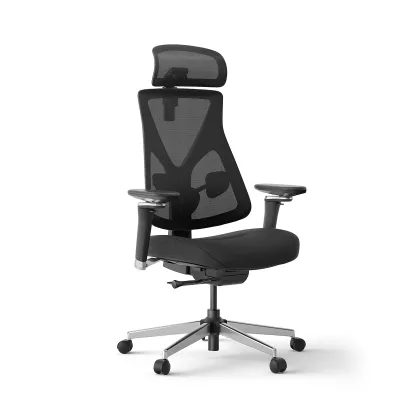
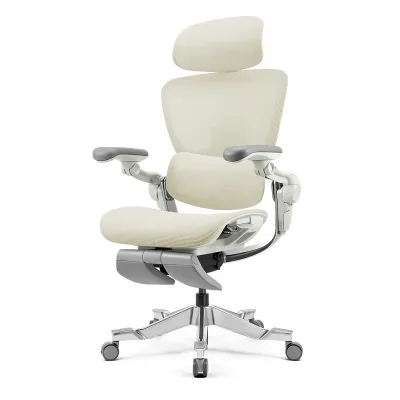
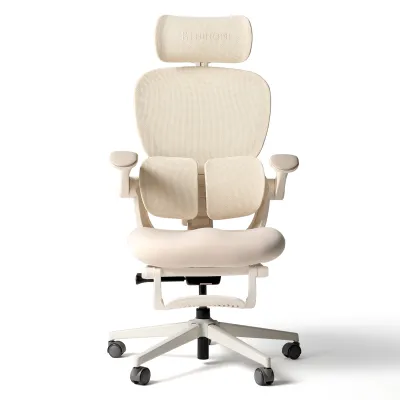
Prices are valid at publication and may change. Please refer to the product page for the latest price.
Budget is another critical factor that shapes your comparison. In the Singapore market, ergonomic chairs generally fall into three distinct price tiers: entry-level options under S$300, mid-range models between S$300 and S$800, and premium chairs that exceed S$800. Hinomi primarily positions its offerings in the mid-range segment, competing with both local brands and international imports. When comparing chairs within these brackets, it is vital to identify which features are non-negotiable for your comfort—such as a dedicated headrest, adjustable armrests, or a seat tilt lock—and which features you can do without.
Because body mechanics vary wildly from person to person, relying solely on online reviews or specification sheets can be risky. Testing chairs in person at local showrooms across Singapore is the most reliable way to assess how a chair actually supports your spine, thighs, and shoulders. If visiting a showroom is not feasible, you must carefully verify the manufacturer’s online return policies, checking for restocking fees, return shipping costs, and the specific conditions under which a return is accepted. A flexible return policy provides a safety net, ensuring you are not stuck with a chair that causes discomfort after a few days of use.
Assessing Build Quality and Ergonomic Features
Evaluating the build quality of an ergonomic chair requires a hands-on inspection or a meticulous review of technical specifications. When visiting a showroom or unboxing a new chair, you should systematically check the stability of the frame, the smoothness of the adjustment mechanisms, and the overall feel of the materials. A well-built chair should feel solid and quiet, without excessive wobbling in the armrests, backrest, or gas lift when you shift your weight or adjust the settings.

To perform a thorough physical inspection, start by sitting in the chair and operating every lever, knob, and button. Pay close attention to how easily the seat slides forward and backward, how smoothly the backrest reclines, and whether the tension control allows you to adjust the resistance to your liking. Additionally, cross-reference the manufacturer’s official specification sheets to verify the exact dimensions, adjustment ranges, and certifications, which provide an objective basis for comparing Hinomi against rival brands.
Frame Materials, Mesh, and Weight Capacity
The structural integrity of an ergonomic chair depends heavily on the materials used in its frame and base. Premium and high-quality mid-range chairs often feature bases made of die-cast aluminum or heavy-duty reinforced nylon, which offer superior stability and longevity compared to cheaper plastic alternatives. When comparing Hinomi to other brands, look closely at the frame construction; a metal-reinforced frame generally handles daily stress better and reduces the likelihood of squeaking or structural failure over years of use.
The quality of the mesh is another critical element, especially in Singapore’s warm and humid climate. High-quality elastomeric mesh should feel firm yet supportive, conforming to your body without sagging over time. When testing a chair, press your hand firmly into the center of the seat and backrest mesh; it should quickly bounce back to its original shape without leaving a visible indentation. Be sure to check if the mesh is woven with polyester or other durable fibers that resist fraying and are easy to clean with a damp cloth.
Furthermore, always verify the manufacturer’s stated maximum weight capacity and look for recognized safety certifications, such as BIFMA or TÜV SÜD. These certifications indicate that the chair has undergone rigorous testing for structural strength, stability, and durability. Finally, examine the casters and base; larger, polyurethane-coated casters are generally preferred for home offices in Singapore, as they glide smoothly and quietly across both hard flooring like vinyl or parquet and soft surfaces like rugs without causing scratches.
Lumbar Support and Adjustability Mechanisms
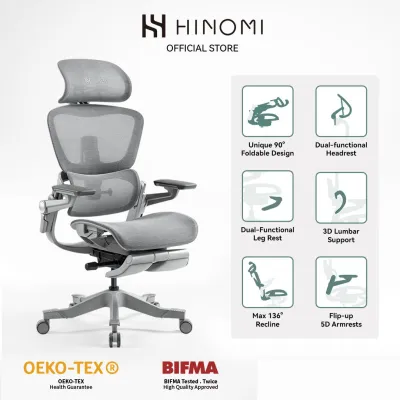
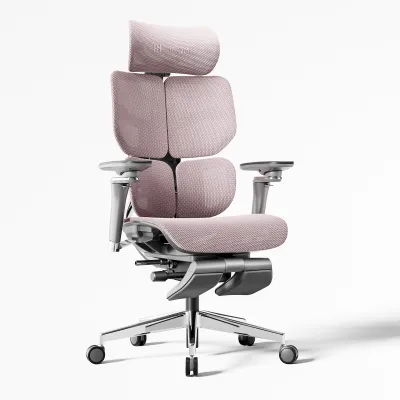
Effective lumbar support is the cornerstone of any true ergonomic chair, but different brands approach this challenge in various ways. Some chairs feature a fixed lumbar curve built into the backrest, while others offer manual height and depth adjustments to target the support precisely at your lower back. Hinomi is known for its multi-segmented backrests that provide dynamic, auto-tuning lumbar support, which automatically shifts as you recline or sit upright. When comparing this to other brands, consider whether you prefer a dynamic system that adapts to your movements or a manual system that locks firmly into a single, customized position.
Armrest adjustability is another area where brands differentiate themselves. Standard chairs may only offer height adjustments, whereas more advanced models feature 3D, 4D, or even 5D armrests that allow you to adjust the height, depth, angle, width, and even the tilt of the arm pads. This level of adjustability is crucial for supporting your elbows and forearms properly, reducing strain on your neck and shoulders while typing or using a mouse. Ensure the armrests can be adjusted to align perfectly with your desk height, allowing you to maintain a relaxed, 90-degree elbow angle.
Seat depth adjustment, often controlled by a seat slider, is equally important for maintaining proper circulation in your legs. A proper seat depth should allow you to sit fully back against the lumbar support while leaving a gap of about two to three fingers between the front edge of the seat and the back of your knees. Additionally, evaluate the recline tension control and the number of available tilt lock positions. A high-quality mechanism should allow you to recline effortlessly and lock the chair securely at multiple angles, whether you are sitting upright for focused work or leaning back to read or rest.
Evaluating Pricing, Warranty, and Long-Term Value
When comparing the financial aspect of Hinomi and its competitors, looking only at the initial purchase price can be misleading. You must evaluate what is included in the base price and what features are sold as optional, paid add-ons. For instance, some brands advertise a low starting price but charge extra for essential components like an adjustable headrest, a leg rest, or upgraded casters. Hinomi often packages these features together, which can represent a better upfront value depending on whether you actually plan to use those specific accessories.
The warranty is perhaps the most critical indicator of a manufacturer’s confidence in their product’s durability. When reading the fine print of a warranty policy, pay close attention to how the coverage is split across different components. While a brand might advertise a generous 10-year or 12-year warranty, this long-term coverage often applies only to the metal frame or base. Moving parts like the gas lift, recline mechanism, armrests, and especially the mesh fabric are frequently limited to a much shorter period, such as one to five years. Comparing these specific warranty tiers across brands will give you a clearer picture of potential repair or replacement costs down the road.
After-sales support and local presence in Singapore are also vital considerations for long-term satisfaction. A brand with a dedicated local warehouse, showroom, and customer service team can resolve issues, process warranty claims, and deliver replacement parts much faster than a brand that operates entirely online or ships from overseas. Before making a purchase, research customer feedback regarding the responsiveness of the brand’s local support team and check their policies on delivery, assembly services, and how they handle defective or damaged items upon arrival.
Decision Framework: Choosing the Right Ergonomic Chair
To make your final decision between Hinomi and other ergonomic chair brands in Singapore, you should apply a structured decision framework based on your specific physical needs and workspace constraints. Hinomi is often the right choice if you highly value a modern, multi-segmented aesthetic, require a wide range of built-in adjustability features (such as highly adjustable armrests and integrated leg rests), and prefer a dynamic lumbar support system that automatically responds to your body movements. Its pricing generally offers a competitive middle ground for users who want premium features without paying the top-tier prices associated with high-end international brands.
On the other hand, a competing brand may be more suitable if you have highly specific orthopedic requirements that demand a firm, manually locked lumbar support system rather than a dynamic one. Additionally, if you prefer traditional, fully upholstered chairs or require a proven, decades-long track record of durability backed by an unconditional, comprehensive warranty on all parts, investing in a premium international brand might be the wiser long-term choice. Some users also find that simpler, classic designs fit better into minimalist home office aesthetics than the more complex, futuristic look of multi-segmented chairs.
Before finalizing your purchase, always take precise measurements of your workspace. Check the height of your desk and compare it to the minimum and maximum armrest heights of the chair to ensure it can slide underneath when not in use. If you are exceptionally tall or short, verify that the chair’s gas lift range and seat depth slider can accommodate your height comfortably. By systematically checking these physical dimensions, verifying the warranty details, and testing the adjustability mechanisms, you can confidently select the ergonomic chair that offers the best long-term value and comfort for your home office in Singapore.

Community discussion
Share your experience or ask a question. Comments are reviewed before publication.