
Finding the best value in a home office chair requires looking beyond the initial price tag to evaluate how well a seat supports your body over years of daily use. In Singapore’s competitive furniture market, the ideal choice depends heavily on your unique physical dimensions, daily sitting duration, and budget. For instance, Himomi has gained attention by offering highly adjustable, multi-dimensional ergonomic features at a mid-tier price point, making it an attractive option for remote workers who want customizability without a premium price tag. Conversely, established heritage brands often justify their higher upfront costs with proprietary support technologies, extensive engineering research, and significantly longer warranties. To determine which brand offers the true best value for your specific work-from-home setup, you must weigh these adjustable features against long-term durability, material comfort, and local customer support.
Evaluating value is not about finding the cheapest chair, but rather finding the one that prevents physical fatigue and stands up to daily wear. A well-chosen chair acts as an investment in your long-term health, reducing the risk of musculoskeletal strain associated with prolonged sitting. By comparing the structural design, adjustability, and ownership costs of Himomi against other popular brands in Singapore, you can make an informed decision that aligns with both your physical needs and your financial boundaries.
What Makes an Office Chair "Good Value" for Home Use?
When shopping for a home office chair, it is easy to fall into the trap of focusing solely on the upfront purchase price. A more accurate measure of value is the cost per year of use, calculated by dividing the purchase price by the expected lifespan of the chair. A budget chair costing S$150 that requires replacement after two years actually costs more per year than a S$600 mid-tier chair that performs reliably for six years. Investing in durable materials and robust construction ultimately saves money and spares you the hassle of frequent replacements.
Products mentioned in this guide
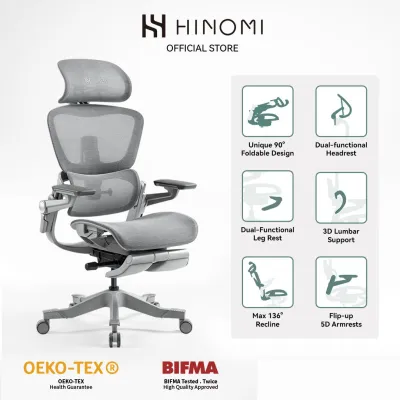
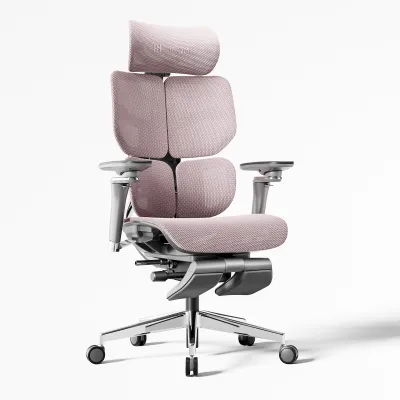
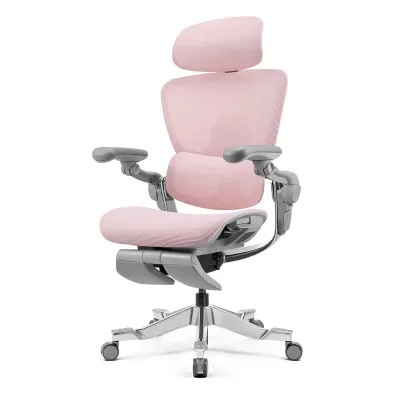
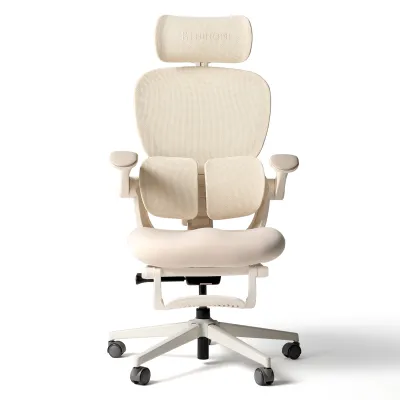
Prices are valid at publication and may change. Please refer to the product page for the latest price.
True value also depends on matching the chair’s features to your actual daily usage. If you only sit at your desk for one or two hours a day to check emails, a basic chair with standard height adjustments may be perfectly adequate. However, if you work from home full-time, spending eight or more hours a day in your chair, advanced ergonomic features like dynamic lumbar support, seat depth adjustment, and multi-directional armrests become essential necessities rather than luxury add-ons.
Spatial constraints and home aesthetics are also critical factors for Singaporean homeowners. Many residential spaces, such as HDB flats and condominiums, feature compact study corners or multi-purpose bedrooms where space is at a premium. A massive, bulky executive chair can overwhelm a small room and restrict movement. Streamlined mesh chairs with a compact footprint and clean design profiles offer better spatial integration, allowing you to maintain a productive workspace without sacrificing the visual flow of your home.
How to Compare Ergonomics and Adjustability
To verify the ergonomic claims of Himomi or any other brand, you must compare the chair’s adjustment ranges against your own body measurements. No single chair design fits every body type perfectly, making adjustability the primary mechanism for achieving a healthy sitting posture. When evaluating a chair, look for specifications that allow you to customize the seat to your height, weight, and limb lengths.

Lumbar support is the foundation of ergonomic seating, but its effectiveness depends on how it interacts with your spine. Fixed lumbar supports can cause discomfort if they do not align with your natural spinal curve. Dynamic lumbar support systems, which automatically adjust tension based on your sitting posture, or height-adjustable lumbar bands allow you to target the lower back precisely. When comparing brands, check whether the lumbar support can be adjusted vertically to sit directly in the curve of your lower back.
Armrest adjustability is another crucial area where mid-tier brands like Himomi often compete closely with premium alternatives. Basic chairs offer only height-adjustable (1D) armrests, which can leave your shoulders strained if you cannot bring the supports close enough to your body. Multi-directional armrests—such as 3D or 4D designs that adjust for height, depth, angle, and width—allow you to keep your elbows supported at a comfortable 90-degree angle close to your torso, reducing tension in your neck and upper back while typing.
Seat depth and recline tension are the final pieces of the ergonomic puzzle. A seat pan that is too deep can press against the back of your knees, restricting circulation, while a seat pan that is too shallow fails to support your thighs adequately. Look for chairs that offer a sliding seat depth adjustment. Additionally, the recline mechanism should feature adjustable tension control, allowing you to tilt back smoothly without feeling like you are falling backward, and lock securely into place when you need to focus on active typing tasks.
Checking Build Quality and Material Comfort
Singapore’s tropical climate, characterized by high humidity and warm temperatures, makes material selection a primary comfort factor. Thick foam cushions wrapped in synthetic leather tend to trap heat and moisture, leading to discomfort and sweating during long working hours. Full mesh chairs, which feature breathable woven mesh on both the seat and backrest, allow for maximum airflow and keep you cool without relying constantly on air conditioning.
However, not all mesh is created equal, and you must evaluate the tension and durability of the weave. High-quality elastomeric mesh retains its shape and supportive tension over years of use, whereas lower-grade mesh can sag over time, causing your body to bottom out against the underlying frame. When assessing a chair, check the stiffness of the outer frame; a glass-fiber reinforced nylon or aluminum frame provides the necessary structural rigidity to keep the mesh taut and supportive.
The base and casters of the chair also demand close inspection, particularly regarding your home flooring. Hard nylon casters, which are standard on many budget chairs, can easily scratch parquet, laminate, or vinyl flooring common in Singaporean homes. Soft polyurethane (PU) casters are highly preferable for hard floors as they glide quietly and prevent surface damage. Additionally, a heavy-duty aluminum alloy base offers superior stability and weight distribution compared to a basic plastic base.
Finally, look at the manufacturer’s weight capacity ratings and component certifications as practical proxies for overall build quality. A chair rated for 120kg to 150kg typically utilizes a Class 4 gas lift cylinder and reinforced structural joints, indicating a design built to withstand significant daily stress. Checking these technical specifications helps you bypass marketing jargon and identify chairs engineered for genuine durability.
Navigating Prices, Warranties, and Retailers in Singapore
Navigating the local market requires a clear understanding of price tiers and what you actually get for your money. Mid-tier brands like Himomi generally position themselves in the S$300 to S$600 price bracket, offering a competitive balance of advanced adjustability and decent build quality. Premium ergonomic brands often start above S$1,000, justifying their cost with proprietary materials, extensive research and development, and highly robust construction. Budget alternatives under S$200 are widely available but often compromise on adjustability and material lifespan.
Warranty coverage is one of the most critical differentiators between price tiers and should be analyzed carefully before purchasing. A long warranty period is a strong indicator of a manufacturer’s confidence in their product’s durability. However, you must read the fine print to understand what is actually covered. Some brands advertise a ten-year warranty but limit coverage on high-wear components like mesh, foam, and gas lifts to just one or two years, covering only the steel frame for the full duration. Look for brands that offer comprehensive coverage on moving parts.
Buying a chair online without trying it first carries inherent risks, making retailer policies highly important. Look for sellers that offer clear return policies, trial periods, or at least have a physical showroom in Singapore where you can test the chairs in person. Additionally, consider the assembly requirements; some online retailers ship chairs flat-packed, requiring self-assembly that can be challenging without the proper tools, while others deliver the chair fully assembled and quality-checked for immediate use.
Final Verdict: Which Chair Fits Your Setup?
You should choose Himomi if you are working with a mid-tier budget and prioritize a high degree of adjustability. If you want features like multi-directional armrests, adjustable seat depth, and dynamic lumbar support without paying premium prices, Himomi offers a compelling value proposition, provided the physical dimensions of the chair align well with your body measurements.
You should choose an established premium brand if you view your office chair as a long-term investment for the next decade. If you require specialized, proprietary ergonomic designs, have specific back support needs, or want the peace of mind that comes with an extensive, comprehensive warranty covering all moving parts, the higher upfront cost of a premium brand is justified.
You should choose a budget-friendly alternative if your chair is intended for light, occasional use. If you only spend a few hours a week at your desk, you do not need to invest heavily in advanced ergonomic adjustments, and a simpler, more affordable model will serve your needs perfectly well.
Regardless of the brand you lean toward, you should verify the fit by visiting a local showroom in Singapore if you have pre-existing back conditions or unique physical proportions. Sitting in a chair for even fifteen minutes can reveal pressure points or alignment issues that technical specification sheets cannot show, ensuring you make the right choice for your daily comfort.
Frequently Asked Questions (FAQ)
How do I properly adjust a new office chair for my desk height?
To set up your chair ergonomically, start by adjusting the seat height so that your feet rest flat on the floor with your knees bent at a 90-degree angle. This position ensures that your thighs are parallel to the ground and minimizes pressure on the underside of your legs. Next, adjust the height of your armrests so they sit level with your desk surface, allowing your shoulders to relax and your elbows to remain at a 90-degree angle while typing. Finally, position your computer monitor so the top of the screen is at or slightly below eye level, preventing neck strain from looking up or down.
Is it worth buying an extended warranty for a home office chair?
Whether an extended warranty is worth the extra cost depends on the quality of the chair’s components and the terms of the standard warranty. For mid-tier chairs, the parts most likely to fail over time are the gas lift cylinder, the recline tension mechanism, and the mesh or foam padding. If the standard manufacturer warranty already covers these moving parts for three to five years, an extended warranty is rarely necessary. However, if the standard warranty is short or only covers the frame, and the cost of the extension is low relative to the price of the chair, it can provide valuable peace of mind for heavy daily users.

Community discussion
Share your experience or ask a question. Comments are reviewed before publication.