
Selecting a reliable heavy-duty office chair in Singapore requires looking beyond brand names and focusing on verified engineering standards, load capacities, and material durability. In Singapore’s warm, humid climate and typically compact residential layouts, a heavy-duty chair must not only support higher weight limits but also offer breathable materials and fit seamlessly through standard doorways and passenger lifts. By systematically evaluating structural components, upholstery performance, and local warranty terms, you can secure a durable seating solution that provides long-term ergonomic support.
What Qualifies as a Heavy Duty Office Chair?
Standard office chairs are typically engineered to support weights up to 100 kg or 110 kg under normal usage conditions. A true heavy-duty office chair, often categorized under big-and-tall designs, is specifically engineered to safely support weights ranging from 136 kg to 220 kg or more. This distinction is not merely a marketing label; it represents a fundamental difference in structural engineering, material thickness, and component testing.
To identify a genuine heavy-duty chair, you must look for specific structural components designed to withstand high-capacity loads. The most critical of these is the gas lift cylinder, which regulates the chair’s height. Heavy-duty models utilize a Class 4 gas cylinder, which features thicker steel walls and more robust internal seals than the Class 2 or Class 3 cylinders found in standard budget seating. Additionally, the seat plate and control mechanism must be constructed from heavy-gauge steel rather than thin stamped metal or plastic.
Products mentioned in this guide
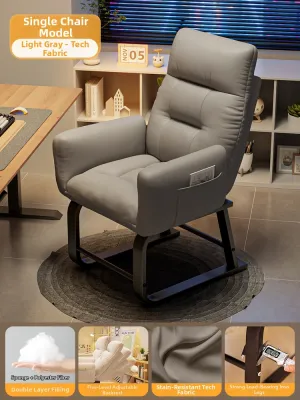
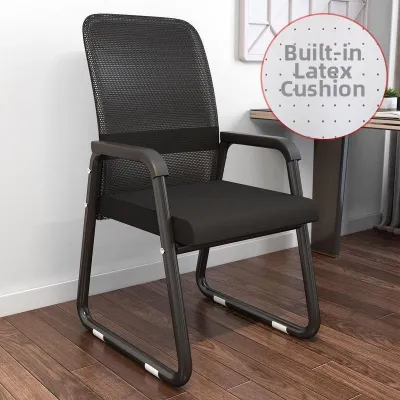
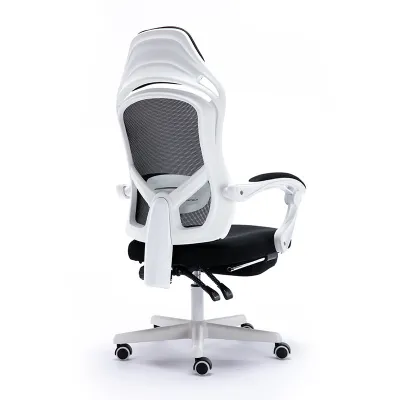
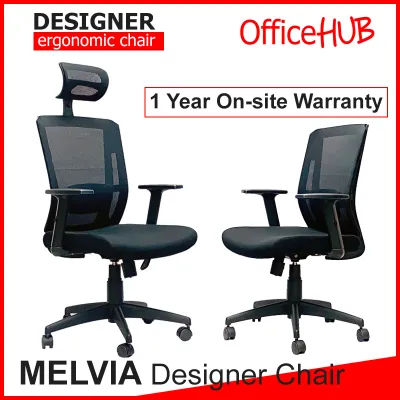
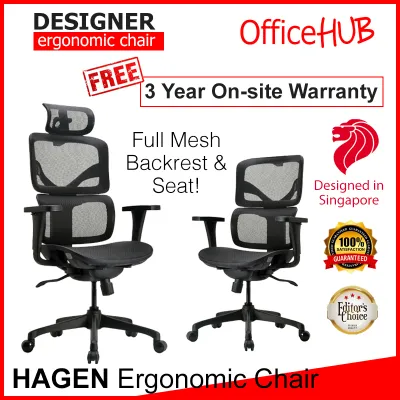
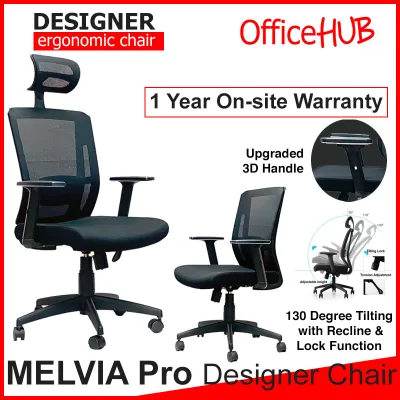
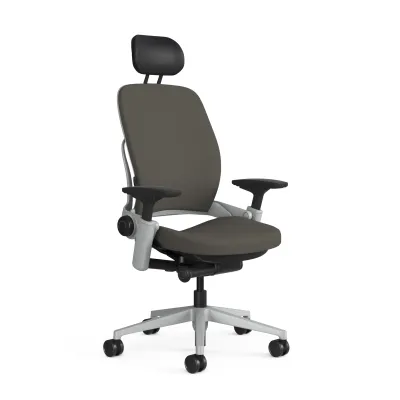
Prices are valid at publication and may change. Please refer to the product page for the latest price.
Rather than relying solely on manufacturer claims, verify whether a chair has undergone independent testing. The Business and Institutional Furniture Manufacturers Association (BIFMA) establishes specific safety and durability standards for office seating. Look for certifications such as ANSI/BIFMA X5.11, which is the specific standard for general-purpose office chairs designed for occupants weighing up to 181 kg, or ANSI/BIFMA X5.1, which tests standard seating up to 124 kg. These certifications ensure the chair has passed rigorous dynamic drop tests, leg strength tests, and back durability cycles.
Comparing Build Quality: Frames, Mechanisms, and Bases
The longevity of a heavy-duty office chair depends heavily on its internal skeleton. High-quality models feature frames constructed from reinforced steel or heavy-duty tubular steel, particularly in the backrest spine and seat frame. While standard chairs often rely on molded plastic or thin aluminum connectors, heavy-duty alternatives use welded steel joints and thick metal brackets to prevent structural flexing and metal fatigue over years of daily use.

The tilt and recline mechanism acts as the mechanical heart of the chair, bearing the user’s weight during movement. Look for multi-functional tilt mechanisms that allow you to lock the chair at various angles and adjust the tension of the recline. These mechanisms should feature heavy-duty steel casings and robust tension springs. Swivel bearings must also be rated for high-capacity loads to ensure smooth, frictionless rotation without developing a wobble or grinding noise over time.
A stable foundation is essential to prevent tipping, especially when reclining or shifting weight dynamically. The five-star base should have a wide diameter—typically 700 mm or larger—to distribute weight effectively. Cast aluminum, reinforced nylon with internal steel ribbing, or solid steel bases are preferred over standard plastic bases. Furthermore, the casters must be rated for heavy loads; dual-wheel casters made of polyurethane or heavy-duty nylon ensure smooth rolling across different floor surfaces without cracking under pressure.
In Singapore, where many home offices are set up in compact HDB flats or condominiums, the physical footprint of a wide five-star base must be carefully considered. Ensure that the base diameter allows the chair to slide fully under your desk when not in use. Additionally, verify that the overall width of the chair can easily clear standard bedroom doorways, which typically measure around 800 mm to 850 mm in width.
Evaluating Upholstery and Long-Term Durability
The materials covering your chair directly impact both daily comfort and long-term wear resistance. Standard office chairs often use low-density cut foam that compresses permanently within a few months of heavy use, leading to bottoming out against the hard seat pan. Heavy-duty chairs should feature high-density molded foam, which is shaped under pressure to maintain its resilience, contour, and supportive properties over years of continuous sitting.
Singapore’s tropical climate, characterized by high relative humidity often exceeding 80 percent, makes upholstery selection a critical decision. While genuine leather offers high durability and a premium feel, it can trap heat and moisture, leading to discomfort in non-air-conditioned spaces. High-tensile elastomeric mesh is an excellent alternative, providing continuous airflow to keep you cool. However, ensure the mesh is woven tightly with polyester or nylon fibers to prevent sagging under heavier loads over time.
Armrests are another common failure point on standard chairs, especially if users lean on them to stand up. For heavy-duty applications, prioritize armrests with internal steel support structures that bolt directly to the seat frame rather than the backrest. If you choose adjustable armrests (such as 3D or 4D designs), check that the adjustment mechanisms lock securely into place and do not slip or rattle under downward pressure.
Assessing Brand Value: Warranties, Support, and Pricing
When comparing heavy-duty office chair brands in Singapore, the warranty structure is one of the most reliable indicators of build quality. Manufacturers confident in their engineering will offer comprehensive warranties covering structural components—such as the steel frame, base, and tilt mechanism—for 5 to 12 years. Be cautious of warranties that offer long coverage for the frame but limit coverage on high-wear parts like the gas cylinder, mesh, or foam to just one year.
Local after-sales support is highly valuable when dealing with heavy furniture. Purchasing from brands with established local distributors, showrooms, or service centers in Singapore ensures you can easily source replacement parts or claim warranty services without paying exorbitant international shipping fees. If a gas cylinder or caster fails after several years, a local service center can quickly provide the correct specification part, extending the lifespan of your investment.
While budget-friendly chairs on online marketplaces may seem appealing, they often compromise on steel thickness, cylinder quality, and certification. A genuine heavy-duty office chair with verified BIFMA certification and robust steel construction typically represents a higher initial investment, often ranging from S$400 to over S$1,000 depending on the level of adjustability and materials. Evaluating the price-to-specification ratio based on structural weight ratings and warranty length will help you avoid low-quality options that require frequent replacement.
Decision Guide: Matching Chair Specifications to User Needs
To find the right heavy-duty chair for your workspace, begin by matching the chair’s physical dimensions to your body measurements and desk setup. If you work in a warm, naturally ventilated room, a high-back mesh chair with an adjustable lumbar support system will provide the necessary breathability and spinal alignment. If you prefer a plush, cushioned feel, opt for a model with high-density molded foam upholstered in a durable, easy-to-clean fabric or synthetic leather.
Before finalizing your purchase, use this practical checklist to ensure compatibility with your environment:
- Desk Clearance: Measure the height of your desk's underside. Ensure the chair's armrests can lower sufficiently to slide under the desk, allowing you to sit close enough to work ergonomically.
- Doorway and Lift Access: Confirm the fully assembled dimensions of the chair. Some heavy-duty models are delivered pre-assembled and must fit through your building's passenger lift and your home's main door.
- Floor Protection: Heavy-duty chairs exert significant pressure on flooring. If you have vinyl, laminate, or parquet flooring, ensure the chair is equipped with soft polyurethane casters to prevent scratching.
Finally, learn to identify red flags that indicate a chair may not be suitable for heavy-duty use. Avoid chairs that advertise a high weight capacity but feature a plastic five-star base, a Class 3 or lower gas lift, or lack any mention of BIFMA testing. A genuine heavy-duty chair will always provide transparent technical specifications, including the exact steel gauge used, the class of the gas cylinder, and the specific weight limits certified by independent testing bodies.
Frequently Asked Questions (FAQ)
How can I verify a chair's true weight capacity if the specifications are unclear?
To verify a chair’s actual weight capacity, look for a physical certification label underneath the seat pan or check the laser-etched markings on the metal casing of the gas cylinder, which often indicate the class rating. If this information is missing, contact the local distributor or manufacturer directly to request the official technical specification sheet or the ANSI/BIFMA test report. Avoid relying on vague product descriptions on e-commerce platforms, as these may inflate weight limits without structural testing.
Are heavy-duty office chairs suitable for standard-height desks?
Yes, heavy-duty office chairs can be used with standard-height desks (which typically measure around 75 cm from the floor), but you must verify the chair’s minimum seat height. Because heavy-duty chairs utilize robust Class 4 gas cylinders and thicker seat cushions, their lowest seat setting may be slightly higher than that of standard chairs. Measure your desk’s underside clearance and compare it with the chair’s maximum armrest and seat height to ensure you have adequate legroom and can maintain an ergonomic 90-degree elbow angle.

Community discussion
Share your experience or ask a question. Comments are reviewed before publication.