
Selecting a premium ergonomic chair for your home office involves balancing commercial-grade engineering with the practical realities of residential spaces. Haworth chairs are highly regarded for their responsive backrests and precise lumbar adjustments, making them an excellent investment if you require active, structured support during long working hours. However, deciding whether a Haworth chair or an alternative premium brand is right for your home workspace depends on how you prioritize mechanical adjustability, material breathability in warm climates, and the physical footprint of the chair within your room layout.
To make an informed decision, you must look beyond brand prestige and evaluate how specific design elements align with your daily habits. A high-end chair should not only support your posture but also integrate seamlessly into your home environment without overwhelming your space or damaging your flooring. By analyzing key technical specifications and understanding the trade-offs between different engineering philosophies, you can select a chair that provides lasting comfort and value.
Defining the Comparison Criteria for Home Office Seating
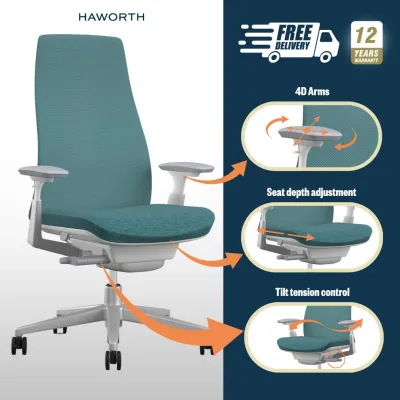
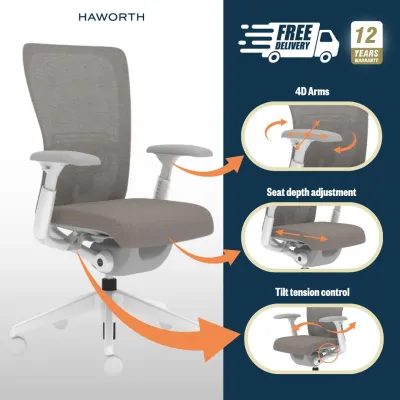
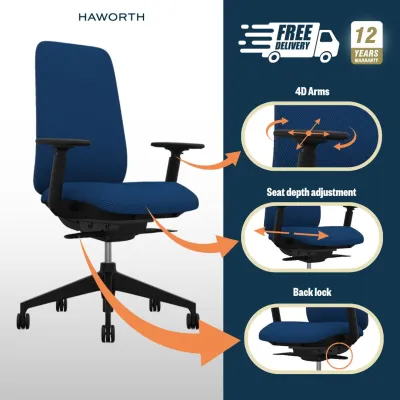
When evaluating high-end ergonomic chairs, the technical specifications on a product sheet serve as your primary guide. You should first verify the essential adjustment dimensions, which include seat depth adjustment, armrest articulation, and lumbar tension control. A chair with highly adjustable armrests (often designated as 4D armrests) allows you to support your elbows properly, reducing strain on your shoulders and neck during extended typing sessions. Seat depth adjustment is equally critical, as it ensures your thighs are fully supported without the seat pan pressing against the back of your knees.
Products mentioned in this guide
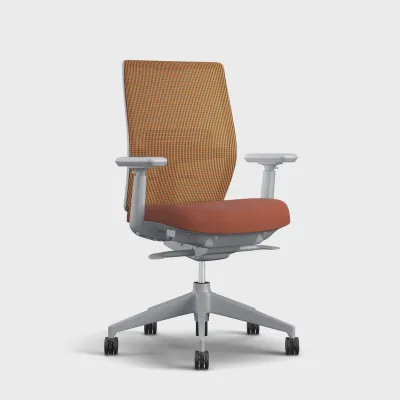
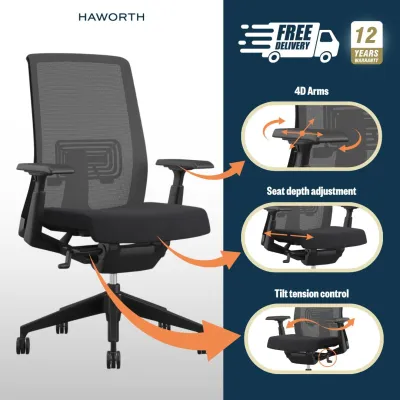
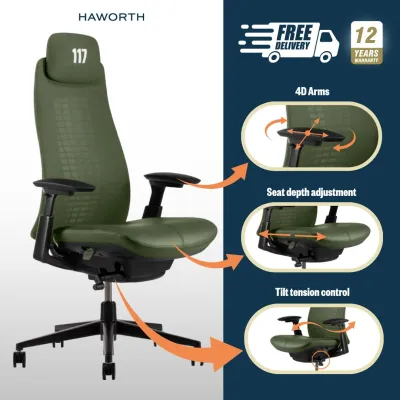
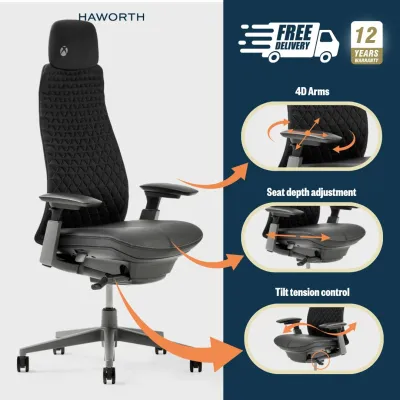
Prices are valid at publication and may change. Please refer to the product page for the latest price.
Material properties play a significant role in daily comfort, particularly in warm and humid climates like Singapore. If your home workspace is not constantly air-conditioned, prioritizing mesh breathability over thick foam padding can prevent heat buildup and improve overall comfort. Conversely, if you prefer a highly cushioned feel, you must check the foam density specifications; high-density molded foam retains its shape and support over years of use, whereas low-density foam can bottom out quickly, leading to pelvic discomfort.
Spatial footprint and visual weight are crucial considerations for residential settings, where dedicated study rooms or HDB flat workspaces may have limited clearance. Commercial office chairs are often designed with wide, stable five-star bases that can exceed 70 centimeters in diameter. You must measure your desk’s under-carriage clearance and the surrounding floor area to ensure the chair can glide freely and tuck away when not in use. Additionally, consider the visual profile of the chair; a bulky, high-back design can dominate a small room, whereas a mid-back chair with a slim profile maintains a more open aesthetic.
Finally, establish baseline expectations for build quality and mechanical smoothness. In the premium price tier, where investments often exceed S$1,000, you should expect robust construction materials such as glass-filled nylon or polished aluminum frames. The adjustment levers should operate smoothly without excessive play, and the gas cylinder should adjust height quietly and fluidly. Checking the maximum weight capacity limits on the manufacturer’s spec sheet is also essential to ensure the structural integrity matches your physical requirements.
Haworth Chairs: Core Features and Home Office Suitability
Haworth chairs are engineered with a focus on dynamic movement and targeted back support. When reviewing their product specifications, pay close attention to their signature adjustment mechanisms, such as the asymmetrical lumbar support system found in several models. This feature allows you to adjust the support tension independently on the left and right sides of your lower back, which is highly beneficial if you have slight postural imbalances or specific localized discomfort.

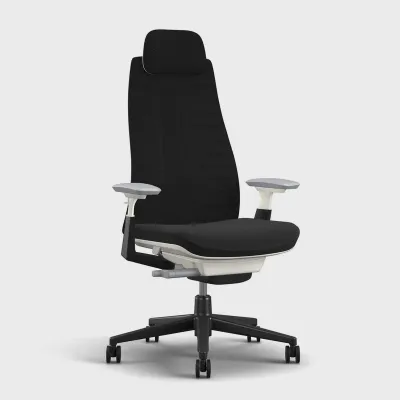
Another notable design characteristic is backrest flexibility. Models like the Haworth Fern utilize a multi-layered back support system that mimics the human spine, flexing with your lateral movements rather than keeping you locked in a rigid upright position. This design encourages micro-movements throughout the day, which can help maintain circulation and reduce muscle stiffness. However, you should verify whether this flexible sensation aligns with your personal preference, as some users prefer the firm, unyielding boundary of a traditional structured frame.
For home office integration, Haworth offers a variety of finish options that help soften the corporate aesthetic. You can often choose from lighter frame colors, such as grey or white, and select from a range of upholstery fabrics to match your home decor. If you opt for fabric upholstery, check the manufacturer’s care instructions and fabric durability ratings (such as the Martindale rub count) to ensure the material can withstand daily residential use and is easy to spot-clean in case of spills.
Before purchasing, always cross-reference the chair’s physical dimensions with your own measurements. Check the recommended user height range and ensure the seat height adjustment range allows your feet to rest flat on the floor while keeping your elbows level with your desk. If you are on the shorter or taller end of the spectrum, verifying these limits prevents the common issue of purchasing a premium chair that cannot be adjusted to your specific physical proportions.
How Haworth Stacks Up Against Other Premium Brands
Comparing Haworth to other top-tier ergonomic brands reveals distinct differences in engineering philosophy and tactile feedback. While some premium manufacturers design chairs with weight-activated tension mechanisms that adjust automatically based on your body weight, Haworth typically emphasizes manual control. This means you will find more tactile dials, levers, and tension knobs that allow you to fine-tune the resistance of the recline. If you prefer absolute control over your seating angles, this manual logic is highly advantageous; if you prefer a set-and-forget experience, an automatic tension system might feel more intuitive.
Base designs and caster options also vary across brands, directly impacting how the chair interacts with your home flooring. Standard commercial casters are often made of hard nylon, which is ideal for low-pile carpets but can scratch or dent hard surfaces like vinyl, laminate, or polished marble common in Singapore homes. When ordering, verify if the chair comes with soft polyurethane casters designed specifically for hard floors. Additionally, compare the overall weight of the chairs; a heavier chair with a solid metal base offers excellent stability but can be more difficult to maneuver over rugs.
Your choice can be guided by clear conditional decision branches. You should choose a Haworth chair if you prioritize highly customizable lower-back support, active backrest flexibility that follows your side-to-side movements, and precise manual adjustment controls. On the other hand, you should consider alternative premium brands if you prefer a highly minimalist aesthetic with fewer visible adjustment levers, or if you favor a suspended mesh seat design over a traditional foam cushion.
It is important to recognize the limits of standard commercial ergonomic seating. If you require specialized medical support, have chronic spinal conditions, or need bariatric seating with exceptionally high weight capacities, standard premium office chairs may not provide the necessary therapeutic benefits. In such cases, you should bypass standard commercial models and consult a medical professional or an occupational therapist for a specialized seating prescription.
Evaluating Value, Warranty, and Long-Term Investment
Investing in a premium ergonomic chair is a long-term financial commitment, making it essential to protect your purchase through official channels. You should always cross-reference the manufacturer’s official authorized dealer list before buying. Purchasing from unauthorized third-party sellers or parallel importers on online marketplaces may result in a lower upfront cost, but it often voids the manufacturer’s warranty, leaving you without recourse if a mechanical component fails.
When reviewing the warranty documentation, look closely at the specific coverage breakdown. Premium brands often advertise extensive warranty periods, but these terms are frequently tiered. For example, the structural frame and metal base may be covered for a decade or more, while moving parts like the gas cylinder, armrest mechanisms, and fabric or mesh upholstery may have significantly shorter coverage limits. Understanding these distinctions helps you evaluate the true long-term value of the warranty.
Additionally, check for any residential-use clauses or commercial-only stipulations in the warranty terms. Some commercial warranties contain clauses that limit coverage if the chair is used in a home environment rather than a supervised commercial office. Fortunately, most premium brands have updated their policies to explicitly cover home office use, but verifying this in the official documentation before finalizing your purchase prevents unexpected claim denials.
Finally, consider the long-term availability and cost of replacement parts. Over years of daily use, components like armrest pads can wear down, or casters may accumulate dust and require replacement. Check if the local authorized distributor stocks these individual components and whether they can be purchased independently. A brand that offers easily accessible, user-replaceable parts ensures your chair remains functional for many years, maximizing your initial investment.
Final Decision Framework for Your Home Workspace
To finalize your choice, map your daily working habits and physical needs to the chair’s features. If you spend more than eight hours a day at your desk and frequently transition between focused typing and reclined reading, prioritize a chair with a smooth synchronous tilt and a forward-tilt option. If your work is highly static, a chair with robust, lockable upright support and precise lumbar tension control will be more beneficial.
Before committing to a purchase, use this pre-purchase checklist to verify the transaction terms:
- Confirm the exact outer dimensions of the chair, including the base diameter, to ensure it fits through your home doorways and lift access.
- Verify the seller's return policy, checking the exact duration of the trial period and any associated restocking fees or return shipping costs.
- Ensure the delivery option includes full assembly, or verify that you have the necessary tools if self-assembly is required.
- Double-check that the caster type matches your home flooring material to prevent surface damage.
You must establish clear stop conditions during your decision-making process. If you experience persistent numbness, radiating pain, or joint discomfort during a home trial, do not attempt to push through the discomfort. Stop using the chair immediately and consult an ergonomic specialist or a physical therapist. A premium chair can support healthy posture, but it cannot replace professional medical advice or personalized physical therapy for pre-existing musculoskeletal issues.
By systematically verifying specifications, understanding warranty terms, and matching the chair’s mechanical features to your physical proportions, you can confidently invest in a seating solution that enhances your comfort and productivity in your home office.
Frequently Asked Questions (FAQ)
Are Haworth chairs suitable for long hours of remote work?
Haworth chairs are engineered for extended use, but their suitability depends on how well you adjust the chair to your body. During long remote work sessions, monitor your body for comfort signals such as relaxed shoulders and a supported lower back. If you begin to slouch or feel fatigue in your thighs, perform periodic adjustment checks: verify that your feet remain flat on the floor, re-adjust the lumbar height to align with the curve of your lower spine, and utilize the tilt tension to encourage movement. If you experience persistent pain or numbness, stop using the chair and seek professional ergonomic or medical advice.
How do I verify if a premium chair is authentic and covered by warranty?
To ensure authenticity and warranty protection, purchase exclusively through authorized dealers listed on the official manufacturer’s website. Upon receiving the chair, locate the official serial number sticker, which is typically affixed to the underside of the seat pan or the main structural frame. Keep your original purchase receipt and registration confirmation in a safe place, as these documents are required to validate any future warranty claims. Be cautious of heavily discounted listings on unauthorized online marketplaces, missing manufacturer labels, or sellers who cannot provide local warranty support, as these are common red flags of counterfeit or gray-market products.

Community discussion
Share your experience or ask a question. Comments are reviewed before publication.