
Many people believe that a rock-hard mattress is the ultimate cure for back pain, but this is a common misconception. For most sleepers, a supportive firm mattress is a far better choice than an unyielding, completely rigid hard mattress. While a hard mattress keeps the body flat, it often fails to accommodate the natural curves of the spine, leading to pressure points and muscle tension. A firm mattress, on the other hand, provides deep structural support while offering just enough surface cushioning to cradle the shoulders and hips, keeping the spine in neutral alignment.
Hard vs. Firm: What the Labels Actually Mean for Your Bed
To make an informed decision, it is essential to distinguish between “hard” and “firm” in the bedding industry. These terms are often used interchangeably, but they represent very different structural designs and sleep experiences.
A hard mattress refers to a surface with virtually no give. It is rigid and unyielding, often constructed from dense materials like traditional coconut coir, high-density bonded foam, or tightly coiled innersprings with minimal padding. When you lie on a hard mattress, you feel as though you are resting on top of the surface rather than slightly in it, with almost zero contouring to your body shape.
Products mentioned in this guide
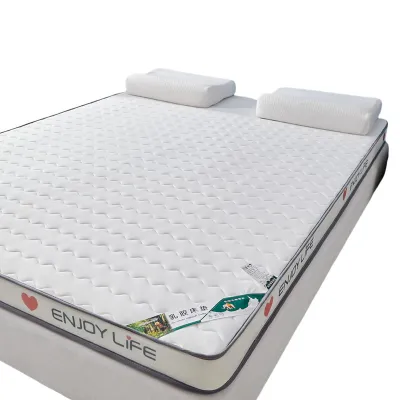
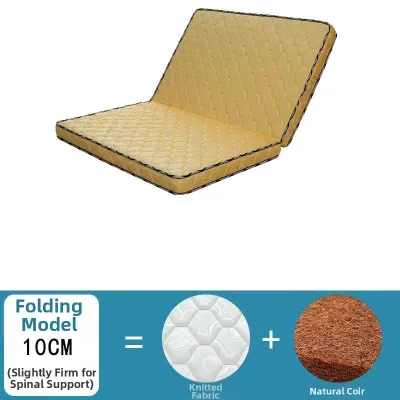
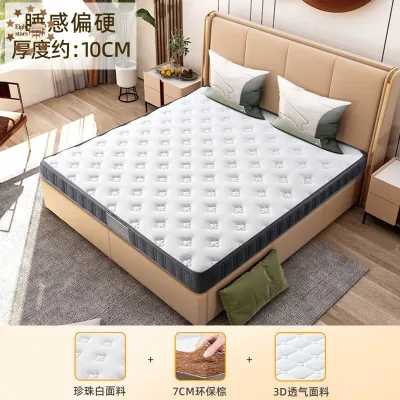
Prices are valid at publication and may change. Please refer to the product page for the latest price.
In contrast, a firm mattress is designed with a dual-layer philosophy: a highly supportive, robust core paired with a thin comfort layer. This comfort layer—often made of latex, high-density foam, or wool—allows for a subtle amount of compression. The mattress yields slightly under your body’s heaviest parts while the underlying support system prevents you from sinking too deep.
Understanding this distinction requires separating surface feel from structural support. Surface feel is the initial sensation of softness or stiffness when you first touch or lie on the bed. Structural support refers to the mattress’s ability to keep your spine aligned throughout the night. A mattress can feel soft on the surface but still offer excellent deep support, just as a hard mattress can offer zero contouring despite its rigid structure.
Signs You Might Actually Need a Hard Mattress
While a firm mattress is generally more versatile, certain individuals genuinely benefit from a highly rigid, hard mattress.

Strict stomach sleepers often require an exceptionally hard surface. When sleeping on the stomach, the heaviest part of the body—the pelvis and midsection—tends to sink into softer surfaces. This sinking hyperextends the lumbar spine, leading to lower back strain. A rigid surface keeps the hips level with the shoulders, maintaining a flatter, safer alignment for this specific posture.
Individuals with heavier body types may also find that standard firm mattresses compress too easily under their weight. For these sleepers, a typical firm mattress might feel more like a medium-soft bed, causing them to bottom out against the support core. A hard mattress provides the necessary resistance to keep their body properly elevated and supported.
Finally, some people simply have a strong personal preference for an unyielding sleep surface, often due to cultural habits or specific medical guidance. However, a hard mattress should not be treated as a default remedy for back pain. Unless you fall into these specific categories or have received direct advice from a healthcare professional, a completely rigid bed may exacerbate discomfort rather than relieve it.
Why a Firm Mattress Usually Offers Better Back Support
For the vast majority of sleepers, a supportive firm mattress provides superior ergonomic benefits compared to a completely rigid one.
When you lie on your back, your spine maintains a natural, gentle S-curve. A completely hard mattress leaves a physical gap between your lower back (the lumbar region) and the bed surface. Because there is no contouring material to fill this lumbar gap, your lower back muscles must remain tense all night to support themselves, leading to morning stiffness. A firm mattress allows the hips to sink just enough for the comfort layer to fill this gap, supporting the natural curve of your spine.
Pressure relief is another critical area where hard mattresses often fail. The human body has prominent pressure points, particularly the shoulders and hips. On a rigid surface, these areas bear the brunt of your body weight, restricting local blood flow and compressing nerves. This discomfort triggers frequent tossing and turning, which disrupts deep sleep cycles and prevents muscles from fully recovering.
Modern firm mattresses solve this by balancing deep structural support with surface pressure relief. They utilize advanced pocket springs or multi-layered foam systems that distribute body weight evenly across the surface. This balance ensures that while your spine remains straight, your joints are cushioned, allowing you to wake up feeling refreshed rather than sore.
How to Test and Choose the Right Support Level for Your Body
Selecting the ideal mattress requires a systematic approach based on your physical traits and sleep habits.
Your primary sleeping position is the most critical factor. Side sleepers generally need more cushioning (often leaning toward medium-firm) to accommodate the deep curve of the shoulders and hips. Back sleepers thrive on a classic firm mattress that supports the spine while filling the lumbar curve. Stomach sleepers, as noted, require the highest level of firmness to prevent pelvic sinking.
Your body weight directly influences how you experience mattress firmness. A lighter individual (under 60 kg) does not exert enough force to compress a firm mattress, making it feel incredibly hard and potentially causing pressure pain. Conversely, a heavier individual (over 90 kg) will compress comfort layers easily, meaning they need a firmer base to achieve the same level of support that an average-weight sleeper gets from a medium-firm bed.
Pay close attention to your current morning physical feedback. If you wake up with a dull ache in your lower back that fades after an hour of moving around, your current mattress is likely too soft and causing your spine to sag. If you wake up with sore shoulders, hips, or a stiff upper back, your mattress is likely too hard, creating excessive pressure points.
When shopping, take advantage of in-store testing and home sleep trials. When testing a mattress in a showroom, lie down in your typical sleeping position for at least 10 to 15 minutes. Do not just sit on the edge or lie down for a few seconds. Have a partner check if your spine looks straight from the side. Because your body takes several weeks to adjust to a new sleep surface, prioritize brands that offer a risk-free home trial of 90 nights or more, allowing you to verify the mattress’s performance in your own home.
Additionally, consider delivery and installation logistics before making a purchase. High-density firm mattresses and pocketed spring models can be exceptionally heavy and rigid. Always verify the finished dimensions of the mattress against your bed frame, and check your home’s doorway and lift access to ensure the delivery team can safely transport the mattress into your bedroom without damaging the internal spring structure.
When to Stop and Seek Professional Medical Advice
While upgrading your mattress can significantly improve sleep quality and minor muscle stiffness, it is not a universal cure for chronic pain.
You should recognize red-flag symptoms that indicate your back pain is more than just a mattress issue. If you experience radiating pain down your legs, numbness, tingling in your extremities, or pain that persists regardless of whether you are lying down, sitting, or standing, a new bed will not solve the problem.
A mattress is a supportive tool designed to maintain healthy alignment, but it cannot heal underlying structural issues such as herniated discs, spinal stenosis, or acute muscle tears.
Before spending S$2,000 or more on premium bedding to resolve severe or chronic back pain, consult a qualified doctor or physiotherapist. They can provide an accurate diagnosis and recommend specific physical therapy or sleep posture adjustments tailored to your medical needs.
Frequently Asked Questions (FAQ)
Can a mattress that is too hard actually cause back pain?
Yes, an overly hard mattress can actively cause or worsen back pain. Because a rigid surface does not contour to your body, it fails to support the natural curves of your spine, leaving your lower back suspended without support. Additionally, the lack of give puts excessive pressure on your shoulders and hips, leading to poor circulation, joint soreness, and frequent tossing and turning that prevents deep muscle recovery.
Is a medium-firm mattress better than a firm one for back pain?
For many people, a medium-firm mattress is the ideal starting point. It offers a versatile balance of deep support and surface pressure relief, making it highly suitable for average-weight back sleepers and combination sleepers who change positions. However, if you sleep primarily on your stomach, have a heavier body frame, or find that a medium-firm bed allows your hips to sink too much, scaling up to a true firm mattress is recommended to maintain proper spinal alignment.

Community discussion
Share your experience or ask a question. Comments are reviewed before publication.