
Finding the right hat rack organizer for a Singapore home depends entirely on your specific spatial constraints, housing type, and tenancy rules. There is no single universal design that works for everyone; rather, the ideal choice shifts based on your available footprint and installation flexibility. Over-door organizers are highly practical for compact rental rooms and zero-drill requirements, wall-mounted racks offer a stable and visually streamlined display for owned homes or permitted walls, and freestanding units provide essential flexibility for wider entryways or frequently changing layouts. Evaluate your floor space, wall conditions, and hat collection size to determine which style aligns with your living situation.
By taking the time to assess your physical environment and storage needs before purchasing, you can avoid common spatial headaches. Whether you are dealing with a cozy bedroom or a busy entryway, matching the physical characteristics of the organizer to your home’s layout ensures a functional and tidy setup.
Evaluating Your Spatial Constraints and Hat Collection
Before purchasing any storage solution, you must assess the physical environment of your home. In Singapore, where residential layouts range from cozy apartments to spacious condominiums, every square centimeter of floor and wall space counts. Start by measuring the exact dimensions of your target area. If you are considering an entryway setup, measure the floor footprint and ensure the rack will not obstruct the main walkway or the swing path of your front door. For wall or door options, check the vertical clearance and ensure there are no light switches, intercom panels, or decorative moldings in the way.
Products mentioned in this guide
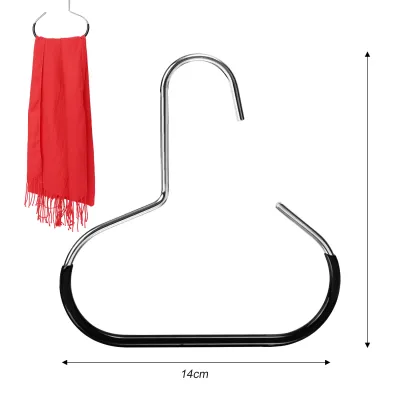
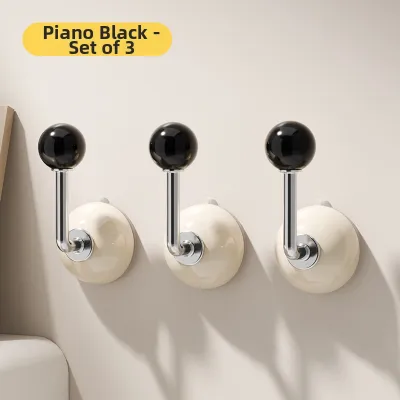
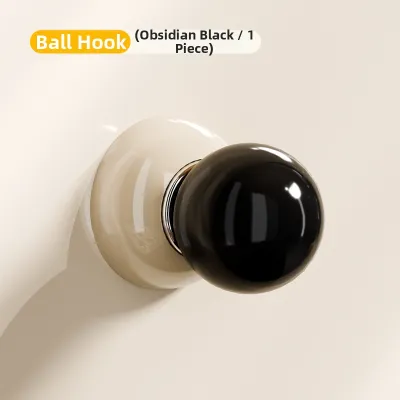
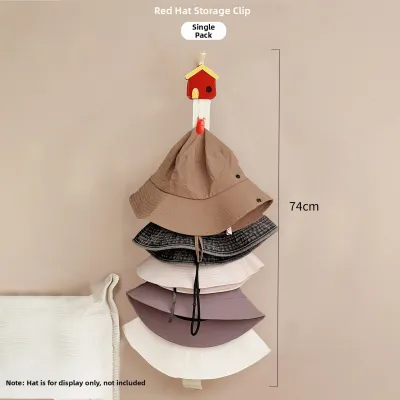
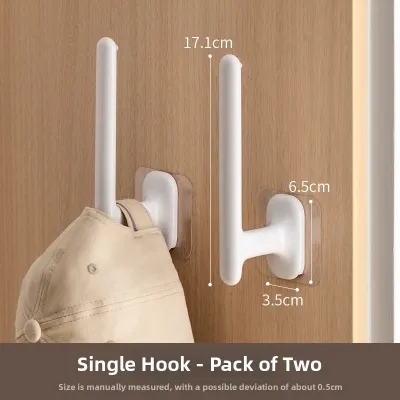
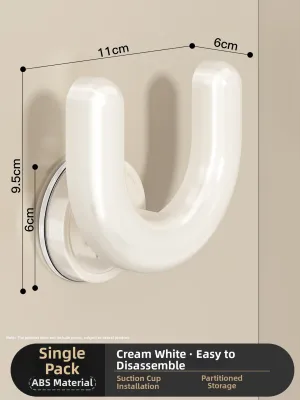
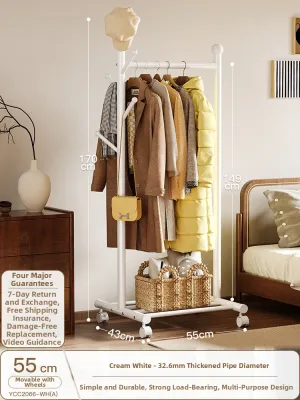
Prices are valid at publication and may change. Please refer to the product page for the latest price.
Next, take a close look at your hat collection. The types of hats you own dictate the spacing and hook design you need. Wide-brimmed hats, such as sun hats or fedoras, require generous spacing between hooks to prevent the brims from overlapping and getting crushed. On the other hand, baseball caps and bucket hats are more forgiving and can often be clustered closely together or hung from vertical strap systems. Matching the organizer’s hook configuration to your specific hat shapes prevents permanent creasing and keeps your collection looking pristine.
Finally, review your housing situation and tenancy rules. If you are renting a room or an entire flat, your tenancy agreement likely contains strict clauses regarding drilling into walls. Public housing units often feature tough concrete walls that require a hammer drill and masonry plugs, which can leave substantial holes. Understanding these structural and legal boundaries early in your decision-making process will immediately narrow down your options and save you from potential security deposit deductions.
Freestanding Hat Rack Organizers: Floor Space and Mobility
Freestanding hat rack organizers, often designed as classic coat trees or multi-tier stands, are excellent for homes with dedicated entryway space. When evaluating a freestanding unit, the base footprint and overall weight are your primary stability indicators. A heavy, wide base—often made of solid wood, weighted metal, or stone—prevents the rack from tipping over when loaded unevenly. This stability check is particularly crucial in active households with pets or young children who might accidentally bump into the stand.

The standout advantage of a freestanding organizer is its complete mobility. Because it requires no permanent attachment to your walls or doors, you can easily relocate it whenever you decide to rearrange your furniture or move to a new home. This makes it a highly flexible investment for renters who anticipate moving in the future but still want a substantial, furniture-grade storage piece in their current space.
However, you must carefully consider the visual and physical impact of a floor stand. In narrow corridors or compact entryways common in many local apartments, a freestanding rack can quickly become a physical obstacle. It occupies valuable floor real estate that might be better utilized for shoe cabinets or bench seating. To avoid a cluttered look, ensure you have at least a clear meter of clearance around the stand so that household members can pass by comfortably without snagging their clothes or knocking hats loose.
Wall-Mounted Hat Rack Organizers: Vertical Storage and Stability
Wall-mounted hat rack organizers are the premier choice for maximizing vertical space while keeping your floors completely clear. By elevating your storage, you make daily floor cleaning and vacuuming much easier, eliminating the need to sweep around dusty furniture legs. Visually, lifting your hats onto the wall opens up the room, making tight entryways or bedrooms feel significantly more spacious and organized.
Successful installation of a wall-mounted rack depends heavily on identifying your wall material. Many Singaporean homes feature internal walls made of solid concrete or structural brick, which offer exceptional load-bearing capacity but require specific masonry drill bits and wall plugs. If you are mounting onto drywall partition walls, which are common in newer developments and renovated rooms, you must locate the wall studs or use specialized hollow-wall anchors to prevent the rack from pulling out under weight. Always check the manufacturer’s instructions for weight limits and recommended mounting hardware.
For renters who prefer a wall-mounted aesthetic but face drilling restrictions, damage-free adhesive alternatives are worth exploring. However, you must exercise caution and verify the adhesive’s rated weight capacity against the combined weight of the rack and your hats. Keep in mind that high relative humidity can sometimes affect the long-term bond of standard adhesive strips, so choosing moisture-resistant adhesives and preparing the wall surface thoroughly is essential for a secure hold.
Over-Door Hat Rack Organizers: Zero-Drill Solutions for Compact Rooms
Over-door hat rack organizers represent the ultimate zero-drill, space-saving solution for compact bedrooms and rental units. These systems typically hang from the top of a standard room door using thin metal hooks, suspending a strap, mesh, or wire rack down the door’s face. Because they require absolutely no drilling, adhesives, or floor space, they are incredibly popular among students, flatmates, and anyone looking to utilize otherwise wasted vertical surfaces.
Before purchasing an over-door organizer, you must perform three critical physical checks on your door. First, measure the door thickness to ensure the hanging brackets will fit snugly over the top edge without rattling. Second, check the clearance gap between the top of the door and the door frame; you generally need a gap of at least two to three millimeters so the door can close smoothly without scraping the metal brackets. Finally, ensure there is sufficient clearance behind the door when it is fully open so the rack does not slam into the adjacent wall or restrict the door’s swing.
While highly convenient, over-door organizers do have inherent weight and capacity limitations. They are perfectly suited for lightweight baseball caps, visors, and soft bucket hats, but they struggle with heavy, structured headwear. Overloading an over-door rack can strain the door hinges over time or cause the hats to rustle and fall off whenever the door is opened or closed quickly. If you have a collection of delicate, wide-brimmed hats, the tight quarters of an over-door setup may cause them to rub against the door surface, potentially distorting their shapes.
Quick Comparison: Matching the Organizer to Your Room
To help you decide which style fits your home, the following comparison table outlines the key differences in suitability, space requirements, installation, and limitations.
| Rack Type | Best Suited For | Space Required | Installation Needs | Key Limitation |
|---|---|---|---|---|
| Freestanding | Spacious entryways, flexible layouts, and renters who move frequently. | Dedicated floor footprint; requires clearance around the base. | None; simple manual assembly of the stand. | Can obstruct narrow walkways and may tip if unevenly loaded. |
| Wall-Mounted | Homeowners, permanent displays, and heavy or structured hat collections. | Vertical wall space; leaves floor completely clear. | Drilling into concrete or drywall; requires appropriate anchors. | Permanent installation; leaves holes that require patching. |
| Over-Door | Rental rooms, compact bedrooms, and lightweight cap collections. | Back or front of standard interior doors; requires top clearance. | Zero-drill; hooks hang directly over the door frame. | Limited weight capacity; can prevent doors from closing if gaps are tight. |
Final Decision Framework: Which Hat Rack Should You Buy?
Choosing the right hat rack organizer comes down to matching your housing status with your daily habits. If you are currently renting, face strict lease agreements, or live in a compact room where floor space is at a premium, an over-door organizer is your most practical path. It keeps your hats accessible, utilizes unused door space, and can be packed away in seconds when your lease ends, leaving no trace behind.
If you own your home, have permission to make permanent modifications, and want to turn your hat collection into a visual design feature, invest in a wall-mounted rack. This option provides the structural integrity needed to support heavier hats and keeps your entryway floor clear for shoe storage or easy cleaning. Just ensure you verify your wall type—concrete versus drywall—before you begin drilling.
For those with a spacious foyer, a dynamic living arrangement, or a preference for classic furniture pieces, a freestanding hat rack is the ideal choice. It serves as an elegant entryway statement and offers the flexibility to be moved from room to room as your storage needs evolve. Ensure you select a model with a heavy, stable base to prevent tipping.
Before making your final purchase, always verify your physical constraints. Check that your doors have the necessary top clearance for over-door hooks, confirm your walls can support anchors, and ensure the hook spacing on your chosen model matches the shapes of your favorite hats. Taking these quick measurements beforehand guarantees a seamless setup and a clutter-free home.
Frequently Asked Questions (FAQ)
How do I prevent my hats from losing their shape on a rack?
To preserve the structural integrity of your hats, pay close attention to the design of the hooks on your organizer. Narrow, sharp hooks can concentrate weight on a single point, leading to unsightly dimples or creases in the crown of a hat. Look for organizers that feature wide, rounded, or padded hooks that distribute weight more evenly. For delicate wide-brimmed hats, consider hanging them by their internal sweatbands or using flat shelves rather than hanging hooks. Additionally, avoid overcrowding your rack; leaving sufficient space between each hat ensures that brims are not bent or compressed by neighboring headwear.
Can I install a wall-mounted hat rack in a rental flat without drilling?
Yes, you can often install a wall-mounted hat rack without drilling, but you must proceed carefully to protect both your walls and your hats. First, review your tenancy agreement to confirm what types of wall modifications are permitted. If drilling is strictly prohibited, you can use high-quality, damage-free adhesive strips or adhesive-backed hooks. Before mounting, clean the wall surface thoroughly with rubbing alcohol to ensure a strong bond, and strictly follow the adhesive manufacturer’s instructions regarding curing time. Always check the rated weight capacity of the adhesive and compare it to the combined weight of your rack and hats; to be safe, keep the total load well below the maximum limit, as high humidity can occasionally weaken adhesive bonds over time.

Community discussion
Share your experience or ask a question. Comments are reviewed before publication.