
Choosing between a freestanding shoe rack stand and a wall-mounted alternative is a decision that shapes the daily flow of your bedroom or entryway closet. The right choice hinges on three main pillars: your home ownership status, the physical dimensions of your closet, and the structural integrity of your walls. While one option offers immediate setup and total mobility, the other provides a permanent, space-saving solution that keeps your floors entirely clear.
Evaluating your specific layout constraints and daily habits will help you determine which configuration truly serves your storage needs. By examining the installation demands, spatial requirements, and weight capacities of each type, you can select a system that keeps your footwear organized and accessible.
Core Differences in Design and Installation
Freestanding shoe rack stands are designed for immediate utility and high adaptability. Most models arrive flat-packed and require basic manual assembly, often using simple hex keys or snap-together joints. Because they rest directly on the floor, their stability relies on a level surface and a balanced frame. High-quality freestanding units often feature adjustable leveling feet to compensate for uneven closet floors, or even locking casters that allow you to roll the entire unit out for cleaning or reorganization. When selecting a freestanding model, always check the joints and frame connections to ensure the unit remains stable under load without wobbling.
Products mentioned in this guide
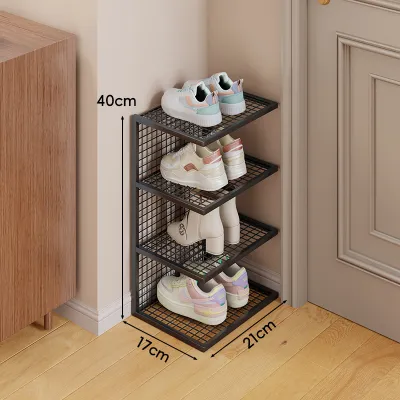
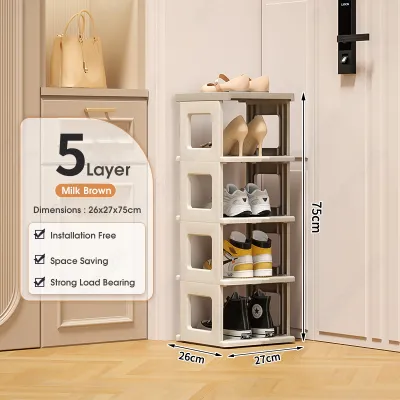
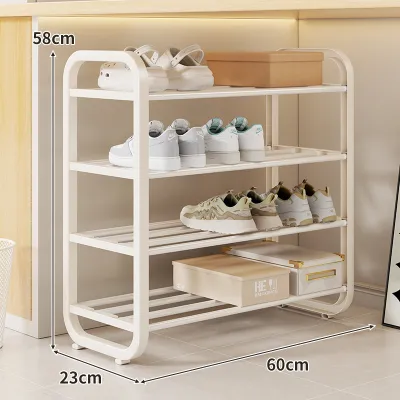
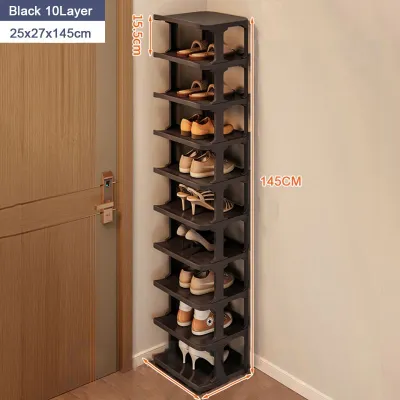
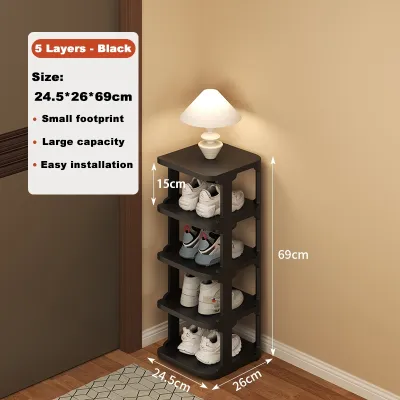
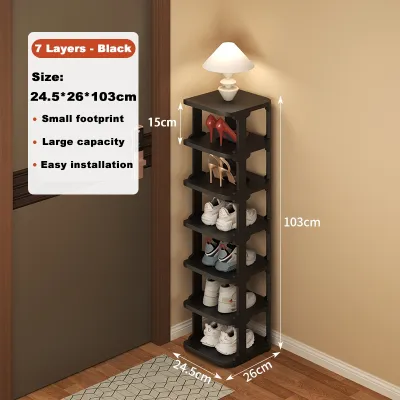
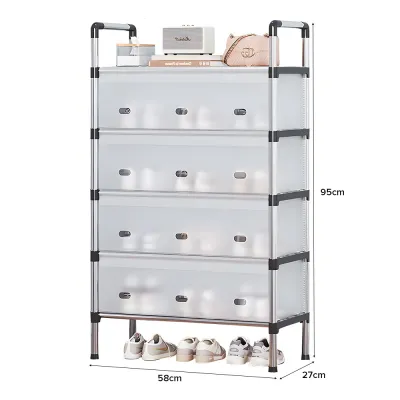
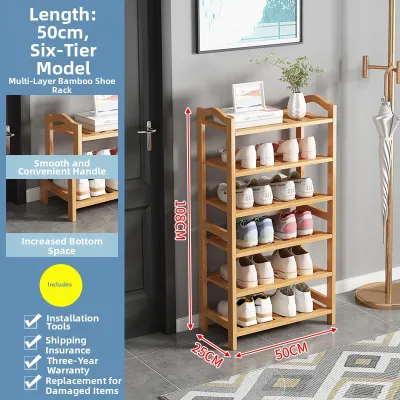
Prices are valid at publication and may change. Please refer to the product page for the latest price.
Wall-mounted shoe rack stands, on the other hand, demand a more involved installation process. They require drilling directly into your closet walls, which means you must locate structural wall studs or use specialized heavy-duty wall anchors. The mounting hardware must be perfectly level to prevent the shelves from warping or sagging over time. This installation method creates a floating effect, freeing up valuable floor space but requiring a commitment to a fixed location.
For renters, these installation differences are a primary decision factor. Most standard tenancy agreements restrict tenants from drilling large holes into walls, or require them to patch, sand, and repaint any damage before moving out. A freestanding shoe rack stand bypasses these lease restrictions entirely, offering a damage-free storage solution that you can easily pack up and transport to your next home. If you do choose a wall-mounted system in a rental, you must factor in the time, cost, and effort required to restore the wall to its original condition.
Space and Layout Considerations for Your Closet
Before purchasing any shoe rack stand, precise physical measurements of your closet and the access routes leading to it are essential. Begin by measuring the available floor footprint, noting how a freestanding rack might restrict your movement inside the closet. Compare this with the available vertical wall space. A wall-mounted rack utilizes the often-wasted vertical zone, allowing you to store footwear above floor level, which can make a small reach-in closet feel significantly larger. Additionally, consider the doorway and lift access in your building; large, fully assembled freestanding units must be able to fit through entryways, hallways, and elevators without causing damage.

Door clearance is another critical factor that is easily overlooked. If your closet features hinged doors that swing inward, you must calculate the door swing radius to ensure the door does not strike the shoe rack. Even with sliding doors, a shoe rack that protrudes too far forward can block the door panels from sliding smoothly. Ensure there is at least a few centimeters of clearance between the front edge of the rack and the path of the door.
Walkway clearance within walk-in closets must also be preserved. A freestanding rack that juts out into a narrow walkway can create a tripping hazard and make navigating your closet uncomfortable. For wall-mounted units, consider the depth of the shelves; they should not obstruct your shoulders or arms as you reach for hanging clothes.
Finally, examine the baseboards or skirting boards at the bottom of your closet walls. Many freestanding racks cannot sit completely flush against the wall because the baseboard pushes the bottom of the frame outward. This can create an awkward gap at the top, reducing stability. Some advanced freestanding designs feature recessed back legs to accommodate skirting boards, while wall-mounted brackets must be positioned high enough to clear these architectural details entirely.
Storage Capacity and Daily Accessibility
The weight and style of your footwear collection should directly influence your choice of shoe rack stand. Heavy footwear, such as leather boots, steel-toed work shoes, or thick-soled sneakers, exerts significant downward force on a rack. Freestanding units with robust metal or solid wood frames are naturally suited for heavy loads, as the weight is transferred directly to the floor. If you opt for a wall-mounted rack for heavy shoes, you must ensure the mounting brackets are anchored securely into solid studs to prevent the unit from pulling away from the wall.
Adjustability is key to accommodating a diverse shoe collection. High heels, ankle boots, and high-top sneakers require more vertical clearance than flat sandals or loafers. Look for shoe rack stands—whether freestanding or wall-mounted—that feature adjustable shelves or modular tiers. This flexibility allows you to customize the spacing over time as your footwear collection changes, preventing shoes from being crushed or bent out of shape.
Closet hygiene and ease of cleaning are also major considerations. Freestanding shoe racks can accumulate dust, lint, and dirt underneath their bottom shelves, which can be difficult to reach with a vacuum cleaner or mop without moving the entire unit. Wall-mounted racks completely eliminate this issue by leaving the floor clear. This open space allows for effortless sweeping, vacuuming, or mopping, helping you maintain a dust-free closet environment with minimal effort.
Decision Framework: Choosing the Right Shoe Rack Stand
To simplify your decision, evaluate your circumstances against this practical framework. You should choose a freestanding shoe rack stand if you are currently renting your home and want to avoid wall repairs, if you prefer the flexibility to rearrange your closet layout periodically, or if you have ample unused floor space that can easily accommodate a floor-standing unit.
Conversely, a wall-mounted shoe rack stand is the superior choice if you own your home and can make permanent modifications, if you have a compact closet where floor space is at a premium, or if you prioritize a minimalist aesthetic with completely clear floors for easy cleaning.
Before making a final purchase, perform three essential verification steps. First, check the structural integrity of your closet walls; solid concrete, brick, or wood-studded walls are ideal for mounting, while hollow drywall requires specialized anchors and has lower weight limits. Second, measure the exact door swing radius of your closet doors to prevent physical interference. Third, estimate the total weight of your shoe collection to ensure your chosen rack—and its mounting hardware—can safely support the load.
Frequently Asked Questions (FAQ)
Can I install a wall-mounted shoe rack on drywall?
Yes, you can install a wall-mounted shoe rack on drywall, but it requires careful preparation and the correct hardware. Standard drywall alone cannot support the concentrated weight of a fully loaded shoe rack. To ensure a safe installation, you should locate the wooden or metal studs behind the drywall using a stud finder and secure the main mounting brackets directly into them. If the bracket spacing does not align with your studs, you must use high-quality, heavy-duty drywall anchors, such as toggle bolts or threaded drywall anchors, rather than simple plastic expansion plugs. Always check the manufacturer’s weight ratings for both the anchors and the rack to prevent the unit from pulling out of the wall.
How do I protect my closet floor from freestanding rack damage?
Protecting your closet floor from a freestanding shoe rack stand involves minimizing friction and pressure points. For hard flooring surfaces like hardwood, laminate, or vinyl, apply heavy-duty felt pads to the bottom of the rack’s legs or leveling feet to prevent scratches and scuffs when the unit is moved. If your rack features metal feet, placing a low-profile rubber or silicone utility mat underneath can catch dirt, moisture, and prevent the metal from scratching the floor. For carpeted closets, use wide plastic carpet protectors under the legs to distribute the weight evenly and prevent deep, permanent indentations in the carpet fibers. If your rack has casters, ensure they are made of soft polyurethane rather than hard plastic, and keep them locked when the rack is stationary.

Community discussion
Share your experience or ask a question. Comments are reviewed before publication.