
Maximising space in a compact Singapore HDB flat requires a strategic approach to furniture selection. Foldable storage cabinets (收纳柜子) offer an adaptable solution for homeowners looking to balance storage capacity with open floor area. Unlike traditional, bulky wardrobes or fixed shelving units, these collapsible alternatives can be set up quickly to handle seasonal items, guest supplies, or temporary work setups, and then folded flat when no longer needed. Choosing the right unit involves understanding how different folding mechanisms operate, measuring your flat’s unique architectural constraints, and verifying structural stability to ensure long-term safety.
By focusing on practical design features rather than aesthetic trends, you can find a foldable cabinet that integrates seamlessly into your home. This guide outlines the essential factors to consider, from clearance requirements and load capacities to maintenance tips that keep your folding joints operating smoothly in Singapore’s humid climate.
Identifying Foldable Mechanisms for Compact Layouts
Foldable storage cabinets utilize several distinct mechanisms to collapse their frames, each requiring different spatial clearances and physical effort to operate. Side-folding designs typically feature a rigid back panel and shelves that fold inward, allowing the entire unit to collapse flat against itself. These units are highly efficient for narrow spaces because they require almost no vertical clearance to fold, though you must ensure there is enough open floor space in front of the unit to swing the side panels open during setup.
Products mentioned in this guide
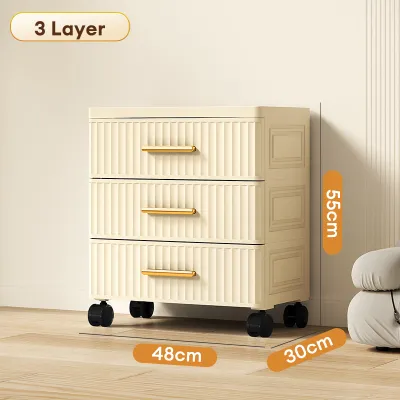
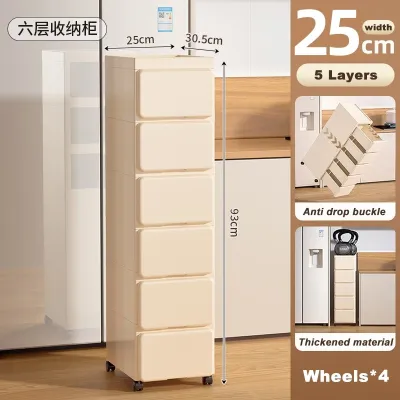
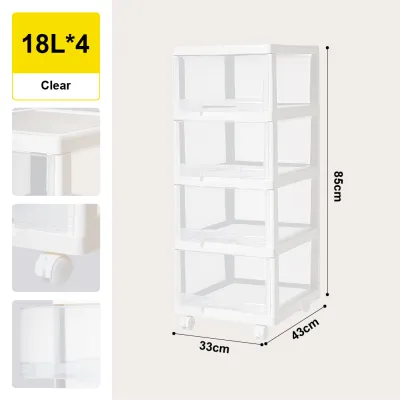

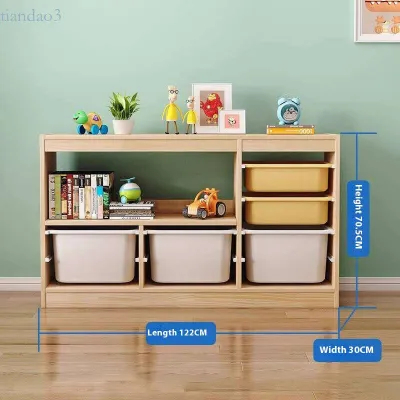
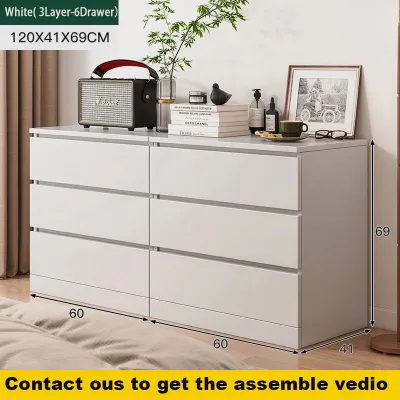
Prices are valid at publication and may change. Please refer to the product page for the latest price.
Stackable modular designs consist of individual storage boxes or tiers that can be collapsed independently and stacked on top of one another. This modularity allows you to customize the height of your storage based on your immediate needs, making them excellent for changing household dynamics. When a tier is no longer required, it folds down into a flat panel that can be tucked away under a bed or inside a closet, minimizing visual clutter in your living areas.
Roll-up or accordion-style designs focus on space-saving door mechanisms rather than collapsing the entire frame. These cabinets feature flexible doors that slide along internal tracks, eliminating the need for front clearance when accessing your items. While the frame itself remains static, this design is highly beneficial for tight corridors, narrow entryways, or small bedrooms where a swinging cabinet door would block foot traffic or strike adjacent furniture.
When choosing a mechanism, evaluate how often you plan to fold and unfold the cabinet. For daily or weekly transitions, prioritize tool-free, single-motion folding systems that can be operated by a single person in under a minute. For seasonal storage—such as housing holiday decorations or guest bedding—a more complex folding system that requires securing manual pins or latches is perfectly acceptable, as the setup effort is infrequent.
Regardless of the design, always inspect the locking mechanisms that secure the cabinet in both its open and folded states. Reliable units feature spring-loaded pins, heavy-duty latches, or deep interlocking grooves that prevent the frame from folding accidentally when bumped or loaded with items. Avoid models that rely solely on friction fits, as these can wear down over time and compromise the safety of the unit.
Measuring Spatial Constraints and Clearance in HDB Flats
Before purchasing any foldable cabinet, precise measurements of your designated space are essential to avoid layout conflicts. Start by measuring the maximum floor footprint the cabinet will occupy when fully expanded, ensuring it does not obstruct main walkways or emergency exit routes. You must also measure the vertical clearance from the floor to the ceiling, particularly if you plan to use stackable modular units or place decorative items on top of the cabinet.

Account for the swing radius of all doors, drawers, and fold-out panels. A cabinet might fit perfectly when closed, but opening a door could block a bedroom entrance or collide with a nearby bed frame. Mark the open dimensions on your floor using masking tape to visualize how the cabinet will interact with your daily movements and existing furniture pieces.
Take note of common HDB architectural features that can interfere with flush furniture placement. Skirting boards along the base of your walls will prevent a cabinet from sitting completely flat against the wall, creating a small gap that can collect dust or cause taller units to lean forward. Measure the height and thickness of your skirting boards to determine if the cabinet’s frame has a rear cutout to accommodate them.
Power outlets, light switches, and air-conditioning trunking are other critical obstacles to consider. Ensure the cabinet does not block access to essential wall sockets or force you to run extension cords across high-traffic areas. If your flat has exposed air-conditioning pipes or trunking running along the upper walls, verify that the height of your cabinet leaves sufficient clearance to avoid damaging these installations.
Finally, plan the logistics of moving the cabinet into your flat. Measure the width of your main entrance door, internal hallways, and bedroom doorways to ensure the unit can pass through easily, whether fully assembled or folded. If you live in an older HDB block, check the dimensions of the passenger lift to confirm that a large, pre-assembled foldable unit can be transported to your floor without difficulty.
Evaluating Structural Stability and Load Capacity
Because foldable cabinets rely on moving joints and hinges, assessing their structural stability is paramount to ensuring household safety. Always review the manufacturer’s specifications for the maximum weight capacity, paying close attention to the limits for individual shelves as well as the overall unit. Never assume a material’s name guarantees strength; instead, look for explicit load ratings provided by the manufacturer.
Examine the quality of the hinges, joints, and locking pins, as these components bear the physical stress of the load. Metal hinges made of steel or brass generally offer superior durability and resistance to bending compared to plastic alternatives. Inspect the weld points on metal frames for smooth finishes, and ensure that plastic joints are thick and free from visible stress marks or hairline cracks.
Determine if the cabinet requires a wall-anchoring kit, especially if you select a tall, narrow unit that could become top-heavy when loaded. Anchoring is highly recommended for units placed in high-traffic areas where accidental bumps are common. If the manufacturer includes an anchoring kit, verify that the hardware is compatible with your flat’s wall type.
Installing wall anchors in an HDB flat requires understanding your wall construction. Structural concrete walls and household shelters (bomb shelters) require a rotary hammer drill and masonry wall plugs to secure brackets safely. Internal partition walls, often made of drywall or lightweight concrete blocks, require specialized hollow-wall anchors or toggle bolts to prevent the screws from pulling out under tension.
Avoid placing heavy items on the upper shelves of a foldable cabinet, even if the manufacturer’s weight limit allows it. Keeping the heaviest items on the bottom shelves lowers the overall center of gravity, significantly reducing the risk of tipping and minimizing the structural strain on the upper folding joints. If a shelf begins to sag or a joint shows signs of bowing, remove the items immediately and inspect the frame for damage.
Assessing Multi-Functional Features for Daily Utility
Many foldable storage cabinets incorporate multi-functional features designed to maximize utility in tight spaces, but these additions must be evaluated carefully to ensure they do not compromise the unit’s primary function. Lockable casters are a popular feature, allowing you to roll the cabinet aside easily when sweeping, mopping, or reconfiguring your room layout. Ensure the casters are made of non-marking materials like polyurethane to protect your vinyl, laminate, or polished tile flooring from scratches.
When evaluating casters, check that at least two of the wheels feature robust, easy-to-operate locking tabs. The locks must hold the cabinet firmly in place, preventing any sliding or shifting when you open doors or place items on the shelves. If the cabinet will remain stationary most of the time, consider choosing a model with adjustable leveling feet instead, which can compensate for slightly uneven HDB floors.
Some foldable cabinets feature integrated fold-down tabletops, drop-leaf desks, or built-in ironing boards. While these features save space by combining two pieces of furniture into one, they can be prone to wobbling if the support brackets are poorly designed. Test the stability of the extended surface by applying gentle downward pressure; if you notice significant flexing or shaking, the unit may not be suitable for writing, typing, or supporting heavy work equipment.
Weigh the trade-off between the weight of the cabinet’s hardware and the ease of collapsing the unit. Heavy-duty steel frames and thick engineered wood panels offer excellent stability and high load capacities, but they also make the cabinet heavy and difficult to fold or carry. If you anticipate moving the cabinet frequently between rooms, a lightweight aluminum or high-density polymer frame may be more practical, provided it meets your storage weight requirements.
Ultimately, select a multi-functional cabinet only if you plan to use the additional features regularly. Extra hinges, folding joints, and moving parts introduce more potential points of wear and failure over time. A simpler, single-purpose foldable cabinet is often more durable and easier to maintain than a highly complex, multi-functional unit that attempts to serve too many purposes at once.
Frequently Asked Questions (FAQ)
Can foldable cabinets safely hold heavy items like books or small appliances?
Foldable cabinets can safely hold heavier items such as books, kitchen appliances, or pantry supplies, provided you strictly adhere to the manufacturer’s rated weight limits. Always verify the specific load capacity for each individual shelf rather than relying solely on the total weight capacity of the entire unit, as a single overloaded shelf can cause the frame to warp.
To maintain maximum stability, place your heaviest items on the bottom shelves of the cabinet. This lowers the unit’s center of gravity, making it much less likely to tip over if bumped. Distribute the weight evenly across the width of each shelf rather than concentrating heavy items in the center, which puts unnecessary stress on the folding joints and can lead to structural sagging.
How should I maintain the hinges and folding joints to prevent stiffness?
Regular maintenance is key to keeping the moving parts of your foldable cabinet operating smoothly and preventing stiffness over time. Periodically inspect all hinges, screws, and locking pins for signs of wear, loose threads, or rust. Tighten any loose screws immediately to ensure the frame remains aligned and stable during use.
Dust and airborne grime can accumulate in the folding joints, creating friction that makes the cabinet difficult to collapse. Wipe the hinges regularly with a clean, dry microfiber cloth to remove dust buildup. Avoid using wet cloths or harsh chemical cleaners directly on metal joints, as trapped moisture can promote rust, particularly in Singapore’s humid environment.
If a joint becomes stiff or squeaks, consult the manufacturer’s care instructions before applying any lubricants. Some materials, such as certain plastics or treated woods, can degrade, discolor, or attract more dust when exposed to standard household oils or spray lubricants. If lubrication is permitted, use only the specific type recommended by the manufacturer, applying it sparingly and wiping away any excess immediately.

Community discussion
Share your experience or ask a question. Comments are reviewed before publication.