
Choosing the right foldable sofa tatami requires balancing the immediate convenience of a space-saving lounger with the physical support needed for restful sleep. These versatile pieces of furniture, which draw inspiration from traditional Japanese floor seating, have become highly popular in modern, space-constrained homes. Because they sit directly on or very close to the floor, they offer a low-profile aesthetic that can make small rooms feel more open and airy. However, because they must serve as both a supportive seat and a comfortable bed, different designs prioritize these functions in distinct ways.
To find the ideal balance for your living space, you must evaluate how different folding mechanisms, internal cushioning materials, and structural designs perform in daily use. While some models excel as casual gaming chairs with adjustable backrests, others are better suited as spare beds for overnight guests. By understanding the mechanical differences, comfort trade-offs, and maintenance requirements of each style, you can make an informed decision that aligns with your home’s layout and your personal comfort preferences.
Understanding Foldable Sofa Tatami Mechanisms
Foldable sofa tatamis generally fall into three primary design categories, each utilizing a different mechanism to transition between upright seating, reclined lounging, and flat sleeping modes. The most straightforward design is the multi-fold floor-level style. This design typically consists of segmented foam blocks encased in a continuous fabric cover. To convert it from a sofa to a bed, you simply unfold the segments accordion-style directly onto the floor. Because it lacks an internal metal frame, this style is lightweight, highly portable, and exceptionally easy to operate, making it a popular choice for children’s playrooms or temporary guest setups.
Products mentioned in this guide
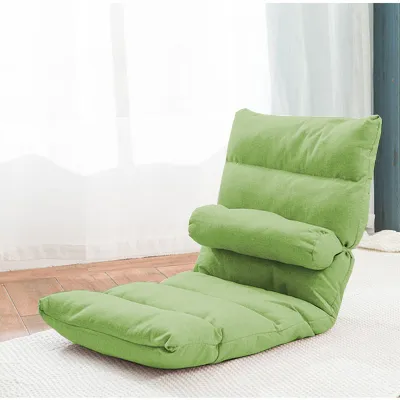
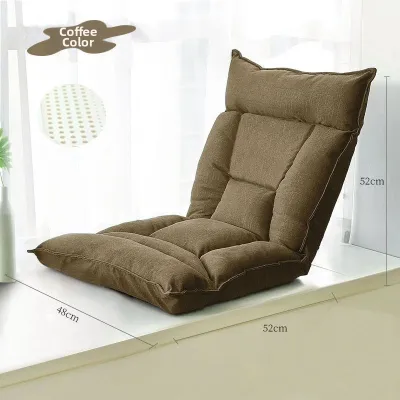
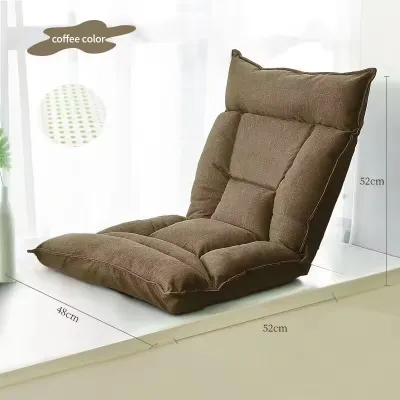
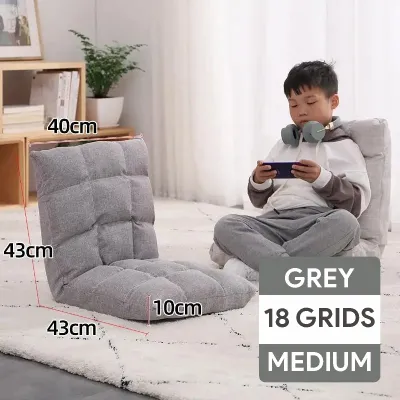
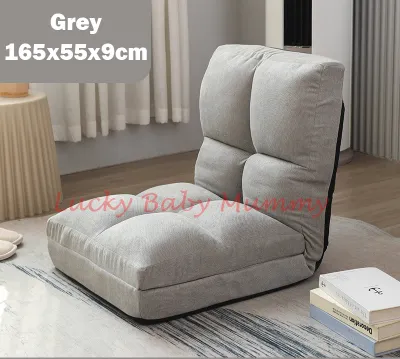
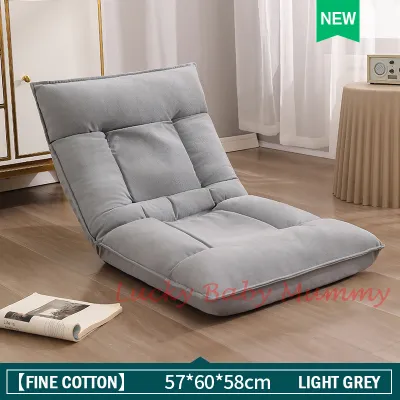
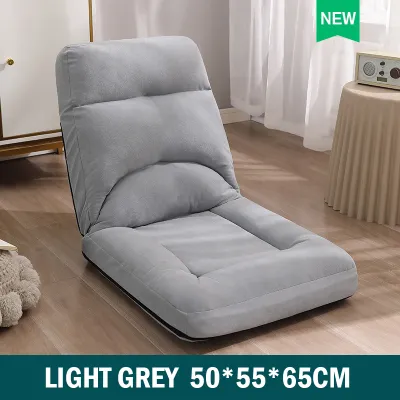
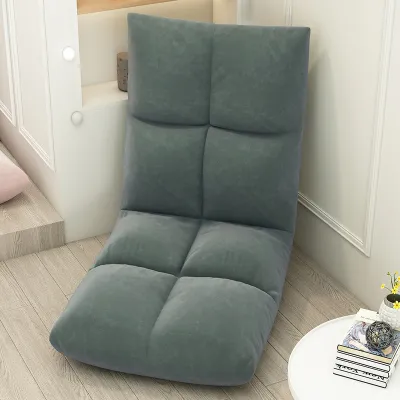
Prices are valid at publication and may change. Please refer to the product page for the latest price.
Another common style is the adjustable backrest click-clack design, which features an embedded metal ratcheting joint. This mechanism allows you to adjust the angle of the backrest through multiple locking positions, ranging from a fully upright ninety-degree angle to a completely flat one hundred and eighty degrees. To adjust the angle, you typically push the backrest forward until the mechanism clicks to release the lock, then lay it flat before raising it to your desired angle. This design provides excellent structural support for sitting and lounging, though the internal mechanical parts add weight and complexity to the unit.
Finally, the flip-over sofa bed design combines a low-profile wooden or metal frame with a folding cushion system. In this configuration, the seat cushion is doubled over when used as a sofa; to transition into a bed, you flip the top layer forward onto the floor while the backrest remains supported by the frame or folds down to meet the extended cushion. This style provides a more traditional sofa height and appearance while still offering a generous sleeping surface.
Regardless of which mechanism appeals to you, it is crucial to check the manufacturer’s specifications for both the folded and unfolded dimensions. A design that fits perfectly as a compact chair may require significant floor clearance when fully extended. Be sure to measure your available floor space, taking into account the path of swing doors, nearby wardrobes, and walkways, to ensure the room remains functional when the tatami is fully unfolded.
Comparing Comfort: Seating vs. Sleeping Support
Balancing upright seating ergonomics with flat sleeping comfort is one of the greatest challenges in foldable tatami design. When used as a sofa, you require firm support under your thighs and a structured backrest to maintain a comfortable posture. When used as a bed, however, you need even pressure distribution across your shoulders, hips, and spine. Floor-level designs naturally offer a firmer sleeping surface because they rest directly on the solid floor, which can be highly beneficial for those who prefer firm spinal alignment but may feel too rigid for side sleepers.

To assess long-term comfort and prevent premature sagging, you must verify the internal fill materials used in the cushions. High-density polyurethane foam is the most common filling, offering a good balance of firmness and durability; look for density specifications to ensure the foam will resist flattening over time. Some premium models incorporate layers of memory foam or natural latex on top of the high-density base to provide better pressure relief and contouring. If you are sensitive to heat, keep in mind that solid memory foam can trap body warmth, whereas latex or open-cell foams tend to offer better breathability in warm climates.
Another critical comfort factor is the presence of internal structural components. In adjustable click-clack designs, the metal frame and ratcheting hinges run directly through the center of the cushions. If the surrounding foam padding is too thin or of low density, you may feel these hard components through the fabric when lying flat. When evaluating these models, check the overall cushion thickness and look for designs that feature thick, multi-layered padding or pocket springs over the frame to ensure the sleeping surface remains smooth and uniform.
Furthermore, multi-fold designs that rely on segmented cushions can sometimes develop gaps or shifting seams at the joint lines during sleep. These gaps can cause uneven support under your lower back or hips. To mitigate this, look for designs where the folding seams are tightly fitted or covered by a quilted top layer, which helps create a continuous, uninterrupted sleeping surface.
Evaluating Functionality and Space Efficiency
In compact living environments, every square centimeter of floor space is valuable, making space efficiency a primary consideration when comparing tatami designs. The spatial footprint required for operation varies significantly between styles. For instance, some click-clack models require “wall clearance,” meaning you must position the sofa several centimeters away from the wall to allow the backrest to recline fully. If space is exceptionally tight, look for “zero-wall” or wall-hugger designs that slide forward as they recline, allowing you to place the unit directly against the wall.
Beyond their primary folding functions, many foldable sofa tatamis offer additional features that enhance their daily utility. Some modular designs consist of independent bolster cushions and folding mats that can be rearranged into a variety of configurations, such as a low daybed, a corner lounger, or even separate floor seats for multiple guests. Other models include built-in side storage pockets for remote controls, books, or tablets, keeping your living area clutter-free. While built-in storage compartments under the seat are rare in purely floor-level tatamis due to their low profile, some frame-supported flip-over models do include shallow storage drawers or hollow bases.
Before finalizing your purchase, it is essential to plan for the delivery and placement of the furniture. Even though foldable tatamis are designed for compact spaces, they are often shipped in large, non-bendable boxes, especially if they feature one-piece internal metal frames. Take precise measurements of your home’s entry points, including doorway widths, narrow hallways, stairwell turns, and elevator cabin dimensions. Ensuring that the packaged product can safely navigate these spaces will prevent delivery complications and protect your home’s walls and doorframes from accidental damage.
Durability, Maintenance, and Safety Checks
The longevity of a foldable sofa tatami depends heavily on the quality of its moving parts and the durability of its outer cover. Because these pieces of furniture are frequently transitioned between sitting and sleeping modes, the internal hinge mechanisms undergo significant wear and tear. Inspect the manufacturer’s details regarding frame materials; reinforced steel frames and heavy-duty gear joints are highly recommended for click-clack styles to ensure the locking positions remain secure over years of use. For frame-free multi-fold models, check the strength of the fabric hinges connecting the foam blocks, as these seams bear the tension during folding.
Routine maintenance is another vital factor, particularly in humid environments where floor-level furniture is more susceptible to trapping moisture, dust, and allergens. Look for models that feature fully removable, machine-washable covers. If the cover is non-removable, you will need to rely on spot cleaning and regular vacuuming with a upholstery brush attachment to keep the fabric clean and free of dust buildup in the crevices. Additionally, check the care label instructions to verify if the fabric is compatible with standard fabric protectors or if it requires specific cleaning solvents.
Safety is equally important, especially for floor-level furniture that can easily shift during use. When placed on smooth flooring surfaces like polished marble, ceramic tiles, or varnished vinyl, a lightweight tatami sofa can slide backward when you sit down or lean against the backrest. To prevent this, verify if the base of the unit features an anti-slip fabric or rubberized grip pads. If the model you prefer lacks a built-in non-slip base, you should plan to place a high-friction rug or a dedicated non-slip underlay beneath it to keep the furniture securely anchored.
Finally, always verify the manufacturer’s specified weight capacity limits. Because floor-level sofas distribute weight directly onto the floor, they are generally very stable, but the internal reclining hinges on click-clack models have strict load limits. Exceeding these limits can strip the gear teeth or bend the frame, rendering the reclining function unusable. Ensuring that the rated capacity matches your household’s needs will guarantee safe and reliable operation.
Decision Framework: Which Design Fits Your Space?
To choose the right foldable sofa tatami, you must weigh the trade-offs of each design against your specific living situation, flooring type, and primary usage patterns. There is no single universal winner, as the best choice depends entirely on your personal priorities.
- Choose a multi-fold floor design if: You prioritize maximum sleeping surface area, lightweight portability, and ease of storage. This style is ideal if you plan to use the unit primarily as an occasional guest bed or a flexible play mat that can be completely folded up and tucked into a closet when not in use.
- Choose an adjustable backrest click-clack design if: Your primary activity is upright sitting, reading, or gaming, and you require structured back support at customizable angles. This design is best suited for dedicated lounge spaces where the sofa will remain in its upright or semi-reclined position most of the time.
- Choose a frame-supported flip-over design if: You want the aesthetic of a traditional sofa with a slightly elevated seating height, making it easier to sit down and stand up, while still retaining the ability to extend the cushions into a low-profile bed for overnight visitors.
Verify first if you are a renter or have delicate flooring: Floor-level furniture with internal metal frames can sometimes scratch or dent delicate wood laminate, parquet, or soft vinyl floors if the protective fabric backing wears thin. If you have these flooring types, verify that the sofa’s base is entirely soft or plan to use a protective area rug to prevent surface damage. By carefully matching these design characteristics to your home’s physical constraints and your daily habits, you can select a foldable sofa tatami that delivers lasting comfort and practical utility.
Frequently Asked Questions (FAQ)
Can a foldable sofa tatami replace a traditional bed for daily use?
While a high-quality foldable sofa tatami offers excellent support for lounging and temporary sleeping, it is generally not recommended as a permanent, daily replacement for a traditional bed. Traditional mattresses are engineered with multi-layered zoning, pocket springs, and dedicated ventilation channels designed to support the body continuously over eight-hour sleep cycles. Floor-level tatamis lack under-bed air circulation, which can lead to moisture accumulation between the bottom of the cushion and the floor, especially in humid climates. Additionally, rising from a completely floor-level sleeping surface daily can place extra strain on your knees and lower back. If you have chronic joint pain or specific orthopedic needs, consult a healthcare professional before transitioning to a floor-level sleeping arrangement.
How do I prevent a floor-level foldable sofa from sliding?
To prevent a floor-level tatami sofa from sliding on smooth surfaces like polished tile, laminate, or hardwood, first check if the product comes with a built-in rubberized or textured anti-slip base. If the unit does not have this feature, you can place a high-quality, non-slip rug underlay or a low-pile area rug beneath the sofa to create friction. Before applying any aftermarket adhesive rubber pads or silicone grippers directly to the bottom of the sofa fabric, verify that they are compatible with your specific floor finish. Some rubber backings can cause chemical discoloration on certain vinyl or polyurethane-coated wood floors over time, so using a breathable, non-reactive rug pad is often the safest and most effective solution.

Community discussion
Share your experience or ask a question. Comments are reviewed before publication.