
Finding the right foldable shoe rack in Singapore is not about chasing a single brand name. Because many brands source from similar manufacturing lines or use comparable designs, true durability depends on specific physical attributes: material treatments, joint mechanisms, and load distribution. A foldable design introduces moving parts, which inherently creates potential points of failure that standard static shelves do not have.
To make a smart investment, you must look past marketing claims and evaluate the structural integrity of the rack. This guide provides a practical framework to compare foldable shoe racks based on observable build quality, helping you select a unit that withstands daily use and Singapore’s humid climate.
Key Dimensions for Evaluating Foldable Shoe Rack Durability
Frame thickness and material grade are the primary indicators of how well a rack will hold up over time. Do not rely solely on product photos, which can make thin-walled tubes look deceptively robust. Instead, check the manufacturer’s specifications for the actual tube diameter or wall thickness. Thinner metal or plastic walls bend easily under the weight of multiple pairs of shoes, leading to a saggy, unstable structure.
Products mentioned in this guide
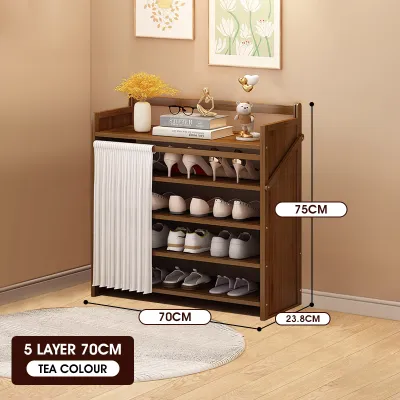
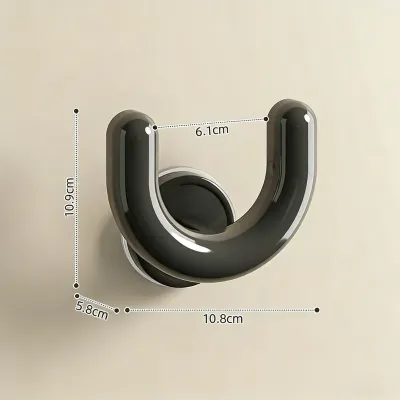
Prices are valid at publication and may change. Please refer to the product page for the latest price.
Hinge and joint mechanisms are the most common failure points in foldable furniture. Every time you expand or collapse the rack, stress is placed on these pivot points. Look closely at how these joints are secured. Metal-to-metal connections, such as rivets or screws, generally offer superior longevity compared to friction-fit plastic hinges, which can wear down, warp, or crack after repeated cycles.
Tier spacing and support bar design dictate how weight is distributed across the structure. A single thin bar running down the middle of a shelf will cause shoes to sag or fall through. Look for designs that feature multiple support bars, wire mesh, or solid panels. Additionally, verify that the vertical spacing between tiers accommodates your specific footwear collection without forcing you to bend the shelf above.
Comparing Common Frame Materials and Construction
Metal frames offer excellent structural strength, but Singapore’s high humidity makes rust a constant threat. When evaluating metal options, inspect the quality of the finish. A thick, even powder coating is essential to protect the underlying steel or iron from moisture. Pay close attention to the weld points; messy, uneven welds often indicate weak joints that can snap under load.

Plastic and resin components are completely immune to rust, making them highly practical for damp areas or balconies. However, low-grade plastics degrade and become brittle when exposed to sunlight near windows or outdoor corridors. If choosing plastic, look for high-density polyethylene (HDPE) or ABS plastics, which offer better structural rigidity and UV resistance over time.
Wood and bamboo options bring a warm, natural aesthetic to your entryway. However, without proper moisture sealing, these materials can warp, mold, or split when exposed to damp shoes or humid air. Verify that the wood has a clear polyurethane or lacquer topcoat, and inspect the edge banding to ensure moisture cannot penetrate the inner fibers.
Structural Checks for Stability and Load Capacity
A stable base footprint is crucial to prevent the rack from tipping forward when you pull out a pair of shoes. Look for racks with a wider base or those that sit flush against the wall. Anti-slip rubber or silicone pads on the feet are essential, especially on smooth Singaporean flooring like polished marble, homogeneous tiles, or vinyl.
Cross-bracing systems and locking pins keep the rack rigid when fully expanded. Look for X-shaped cross-bracing on the back or sides, which prevents lateral swaying. Ensure the locking pins or latches engage securely and do not slip out of place when vertical pressure is applied to the shelves.
Always verify the stated weight capacity per tier against your actual footwear. Heavy leather boots, wet sneakers, and safety shoes weigh significantly more than light canvas slip-ons or plastic sandals. If you plan to store heavy footwear, prioritize racks with reinforced steel mesh or solid wood slats rather than thin plastic sheets.
How to Match Build Quality to Your Storage Needs
If your household has multiple members with heavy athletic shoes or work boots, prioritize heavy-duty metal frames with reinforced locking joints. These units resist bending and maintain their structural alignment even under maximum load, making them worth the investment.
For outdoor corridors, balconies, or temporary rental spaces, lightweight plastic or coated wire designs are highly practical. They are easy to clean, rust-proof, and simple to fold down and transport during a move. These are ideal if you prioritize flexibility and ease of maintenance over heavy-duty weight capacity.
Before making a purchase, measure your available floor space, wall clearance, and the swing radius of nearby doors. A foldable shoe rack must fit comfortably without obstructing walkways. Ensure the fully expanded dimensions—including depth—allow your largest shoes to sit flat without overhanging and blocking the path.
Frequently Asked Questions (FAQ)
How do I prevent a foldable metal shoe rack from rusting in a humid climate?
Keep the rack dry by wiping off rainwater or moisture from damp shoes immediately. Ensure the room has adequate air circulation, and avoid placing the rack in unventilated corners. Regularly inspect the frame for any chipped powder coating; if you find exposed metal, apply a small touch-up of rust-resistant paint to seal it.
What should I check if my foldable shoe rack wobbles after assembly?
First, verify that all locking pins, hinges, and latches are fully engaged and clicked into their correct positions. Check if your floor surface is uneven, which is common near entryway drains or tiled thresholds; you may need to adjust the leveling feet if the rack has them. Finally, ensure the frame was not forced or misaligned during the unfolding process, as uneven tension can cause a wobble.

Community discussion
Share your experience or ask a question. Comments are reviewed before publication.