
Selecting the right foldable massage chair requires balancing space-saving convenience with therapeutic effectiveness and structural durability. Unlike traditional, heavy massage recliners that remain permanently in one spot, foldable models are designed to be compact, lightweight, and easily stored. However, because these chairs rely on hinged frames and smaller motors, their performance and longevity depend heavily on build quality and mechanical design. To find a model that suits your home and physical needs, you must look past marketing claims and evaluate specific engineering details, such as frame materials, track configurations, and motor specifications. By comparing these tangible features, you can identify a reliable chair that offers genuine relief without cluttering your living space.
Understanding the Foldable Massage Chair Category
Foldable massage chairs represent a distinct category in home wellness furniture, engineered specifically for urban apartments and multi-functional rooms where floor space is limited. Traditional massage chairs are massive, single-piece appliances that often require dedicated floor space and professional delivery teams to navigate narrow doorways. In contrast, a true foldable massage chair features a segmented frame with built-in hinges, allowing the backrest, seat, or leg support to fold inward into a compact footprint.
This portability inevitably introduces engineering trade-offs that you must consider before purchasing. To make a chair foldable, manufacturers must reduce overall weight, which often means using lighter frame materials, smaller motors, and fewer airbag chambers compared to full-sized models. You will rarely find advanced features like zero-gravity positioning, deep-tissue 4D rollers, or full-body enclosure systems in a foldable design. Instead, these chairs focus on targeted relief, offering localized kneading, rolling, and mild compression for the back and neck.
Products mentioned in this guide
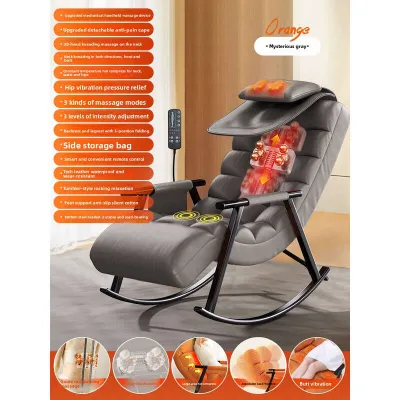
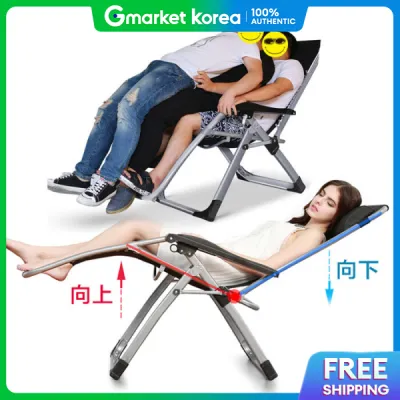
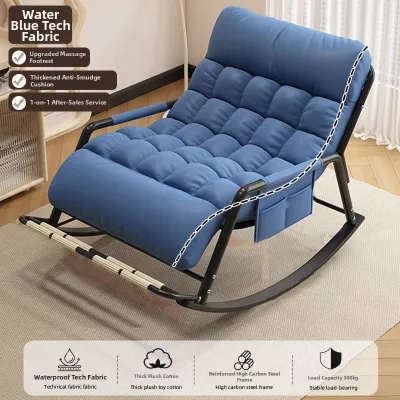
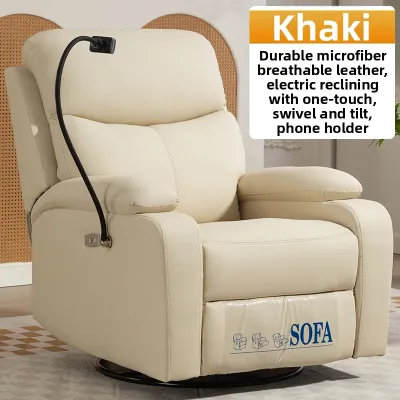
Prices are valid at publication and may change. Please refer to the product page for the latest price.
When comparing different brands on the market, your evaluation should focus on how well each model manages these trade-offs. A well-designed foldable chair does not try to replicate a commercial spa recliner; instead, it optimizes its limited frame size to deliver stable, consistent pressure where you need it most. Understanding these inherent design limits prevents unrealistic expectations and helps you focus on the practical features that determine daily usability and long-term value.
Comparing Massage Features and Body Coverage
To evaluate the massage capabilities of different foldable models, you must look closely at the technical specifications provided by the manufacturer rather than relying on generic product descriptions. The core of any massage chair is its roller mechanism, and in foldable designs, this mechanism is typically mounted on a fixed track or a simplified S-track. An S-track follows the natural curve of your spine from the neck down to the lower lumbar region, providing a more ergonomic massage than a straight, flat track. When comparing models, verify the track length and shape in the product manual to ensure the rollers can reach your specific trouble spots.

The variety of massage techniques is another critical point of comparison. Standard foldable chairs often rely on basic rotating nodes that perform simple kneading motions. More advanced models incorporate dual-action mechanisms capable of tapping, rolling, and shiatsu-style pressing. You should also check if the chair includes airbag compression modules, which are typically placed around the hips or thighs to provide lateral pressure and improve circulation. If a brand does not explicitly list these distinct mechanical actions in its technical specifications, assume the chair offers only basic kneading.
Customization options are essential for ensuring the massage intensity matches your comfort level. Because foldable chairs have less padding than traditional recliners, the massage can sometimes feel overly intense or sharp. Look for models that offer adjustable speed settings, variable width controls for the rollers, and targeted zone selection. Zone selection allows you to pause the rollers at a specific height to focus on a tight muscle knot, rather than forcing you to accept a continuous, full-track cycle.
Additionally, consider the presence of supplementary features like lumbar heating or integrated foot rollers. While these add-ons enhance the overall experience, they are often the first features omitted in ultra-lightweight designs to save weight and reduce electrical complexity. If a model does include heating elements, verify whether the heat is concentrated in the lower back or distributed across the seat, and check if there is an automatic shut-off timer to prevent overheating during extended use.
Evaluating Build Quality and Structural Integrity
The structural integrity of a foldable massage chair is paramount, as the frame must support your full body weight while resisting the continuous mechanical forces exerted by the internal massage rollers. Begin your evaluation by examining the frame material and the design of the folding hinges. High-quality models typically utilize reinforced steel or high-strength aluminum alloy tubing for the main load-bearing structure. Inspect the joint areas and locking pins; they should engage securely without any noticeable play or wobbling when the chair is fully unfolded and locked into its active position.
Upholstery and padding materials play a dual role in both comfort and long-term durability. Most foldable massage chairs are clad in synthetic polyurethane (PU) leather or heavy-duty polyester fabric, which are chosen for their flexibility and ease of cleaning. When comparing brands, check the product labels for the grade of synthetic leather used and look for double-stitched seams along high-stress areas like the seat joints and roller tracks. The padding beneath the upholstery should consist of high-density resilient foam that maintains its shape over time, preventing the hard internal roller tracks from pressing directly against your spine.
Weight capacity is a reliable indicator of a chair’s overall structural robustness. Always cross-reference the manufacturer’s stated maximum user weight with the net weight of the chair itself. A chair with a higher weight capacity, such as 120 kg or more, generally indicates a sturdier frame design and a more powerful motor capable of operating under load without straining. If a brand does not clearly specify its weight limits or if the chair feels excessively light and flexible, it may not withstand frequent, long-term use.
Finally, pay close attention to the motor specifications and the manufacturer’s warranty terms. The internal motors drive the rollers and air pumps, and their quality directly affects both the noise level and the lifespan of the chair. While you cannot easily inspect the motor directly, you can gauge its reliability by looking at the warranty coverage. A manufacturer that offers a comprehensive warranty on the frame, motor, and electronics demonstrates confidence in their product’s build quality, whereas a short or highly limited warranty should prompt caution.
Space, Portability, and Daily Usability
The primary appeal of a foldable massage chair is its ability to integrate seamlessly into your living space without becoming a permanent obstacle. To ensure a model fits your home, you must measure your available floor space and compare it against both the folded and unfolded dimensions provided by the manufacturer. Pay close attention to the required wall clearance; some models need to be placed several centimeters away from walls to allow the backrest to recline safely, while others feature space-saving slide-forward mechanisms.
Portability features are crucial if you plan to store the chair in a closet or move it between rooms regularly. Look for models equipped with built-in transport wheels on the rear base, which allow you to tilt and roll the chair easily without lifting its entire weight. Carrying handles integrated into the frame or sides also make transport much safer and more manageable. If a chair lacks these mobility aids and weighs more than 20 kg, moving it frequently can quickly become a chore, defeating the purpose of a foldable design.
Power and cable management are often overlooked aspects of daily usability. Because these chairs require an electrical outlet to operate, you must consider the length of the power cord and the layout of your room. A cord that is too short may force you to use extension cables, creating potential tripping hazards in high-traffic areas. Look for models that feature built-in cord wraps or dedicated storage pockets for the remote control and power adapter, keeping the setup neat and organized when the chair is folded away.
Decision Framework: Choosing Your Foldable Massage Chair
To make an informed decision, you must align the technical specifications of different models with your personal space constraints and physical requirements. If you have a dedicated corner in your home where the chair can remain set up for days at a time, prioritize a feature-heavy model. These chairs often feature slightly heavier frames, longer S-tracks, integrated lumbar heating, and multiple airbag chambers, offering a more comprehensive massage experience at the expense of ultimate portability.
Conversely, if you live in a compact apartment where every square meter counts, an ultra-compact, lightweight model is the more practical choice. These chairs fold down into a flat profile that can easily slide under a bed or fit inside a standard wardrobe. While you will have to accept trade-offs such as a shorter massage track, fewer intensity settings, and the absence of leg rollers, the ease of storage and transport ensures the chair remains a convenient tool rather than a space-consuming burden.
Before finalizing your purchase, always verify your physical suitability for a massage chair, especially if you have pre-existing health conditions. If you suffer from severe spinal issues, osteoporosis, circulatory disorders, or have recently undergone surgery, consult a healthcare professional before use. Additionally, check the manufacturer’s height and weight recommendations; a chair that is too small or too large will not align correctly with your body’s pressure points, reducing the effectiveness of the massage and potentially causing discomfort.
If your primary goal is to experience deep-tissue massage, full-body zero-gravity positioning, or comprehensive foot and calf compression, a foldable model may not meet your expectations. In such cases, it is wiser to invest in a traditional, full-sized massage chair or explore alternative localized massagers, rather than compromising on a foldable design that cannot deliver the mechanical depth and coverage you require.
Frequently Asked Questions (FAQ)
Are foldable massage chairs as effective as full-size models?
Foldable massage chairs are highly effective for targeted relief and daily relaxation, but they do not match the comprehensive performance of full-size models. Due to their compact, hinged frames, foldable designs have shorter roller tracks, smaller motors, and fewer airbag chambers. They generally lack advanced features like zero-gravity positioning, deep-tissue 3D or 4D roller depth, and full-body enclosure systems. To ensure a foldable model meets your expectations, carefully check the manufacturer’s specifications regarding track length, massage techniques, and intensity adjustments before buying.
How do I maintain the upholstery and hinges on a foldable massage chair?
Proper maintenance is essential to prolong the lifespan of both the synthetic upholstery and the mechanical joints of your chair. Clean the synthetic leather or fabric regularly using a soft, damp cloth and mild, non-abrasive cleaners approved by the manufacturer; avoid harsh chemicals or direct sunlight, which can cause PU leather to dry out and crack. For the folding hinges and locking pins, keep them free of dust, pet hair, and debris by wiping them down periodically. Never apply household lubricants to the joints unless specifically instructed to do so in the user manual, as this can attract dirt and damage the mechanism.

Community discussion
Share your experience or ask a question. Comments are reviewed before publication.