
Finding efficient ways to maximize square footage is a constant priority for residents living in Singapore’s high-density Housing & Development Board (HDB) flats. With modern BTO layouts prioritizing compact living, floor space quickly becomes occupied by essential furniture, leaving little room for extra storage cabinets or freestanding shelves. The back of your doors represents a highly underutilized vertical zone that can provide significant storage relief without encroaching on your walking paths.
While traditional door organizers offer a static storage solution, they often present a major drawback in tight spaces: they protrude permanently, preventing doors from opening fully and potentially striking adjacent walls or furniture. Foldable door storage racks solve this dilemma by offering a collapsible design that can be tucked away flat when not in use. Selecting the best foldable rack for your HDB flat requires evaluating your door’s structural integrity, measuring clearance gaps, and choosing a mounting style that aligns with your specific room layout and HDB guidelines.
Why Foldable Door Racks Solve HDB Space Constraints
Modern HDB flats, particularly three-room and four-room BTO units, feature highly optimized floor plans where every centimeter counts. Narrow entryways, compact bedrooms, and tight kitchen walkways leave very little room for traditional floor-standing organizers. When you place a standard shelf or cabinet in these areas, you risk restricting movement and making the home feel cluttered. Utilizing the vertical plane on the back of your doors is an excellent way to reclaim this lost space, converting an idle surface into a functional storage zone for shoes, pantry items, toiletries, or daily accessories.
Products mentioned in this guide
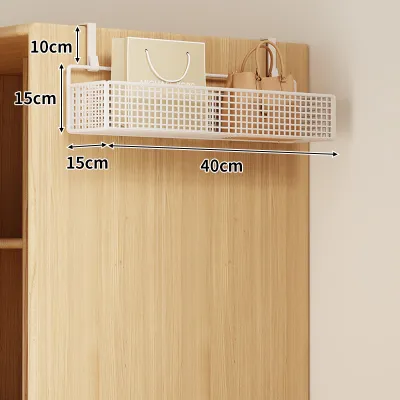
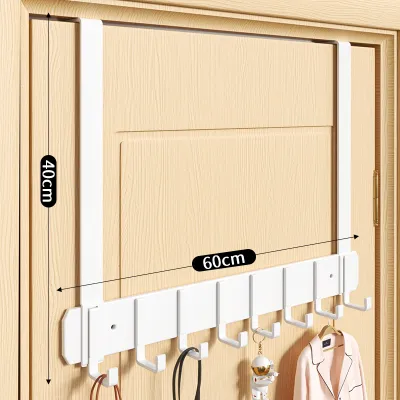
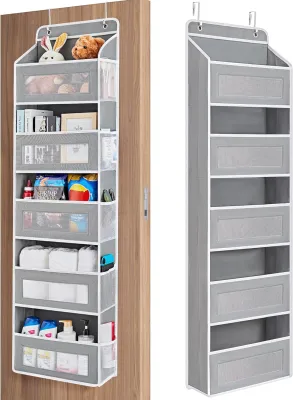
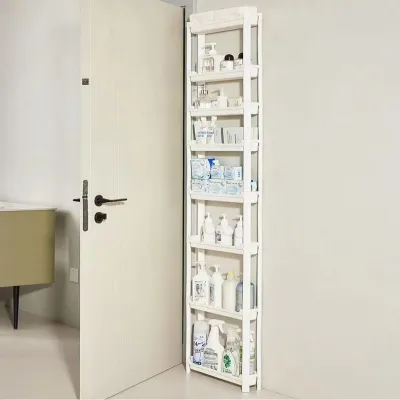
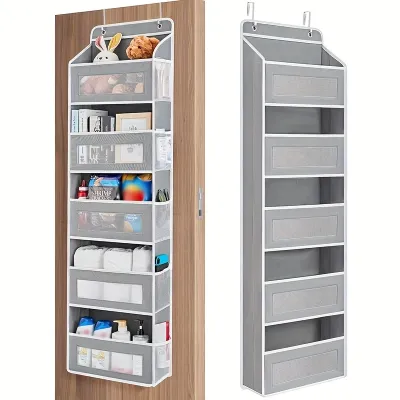
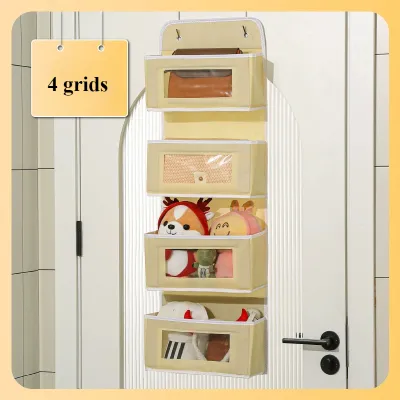
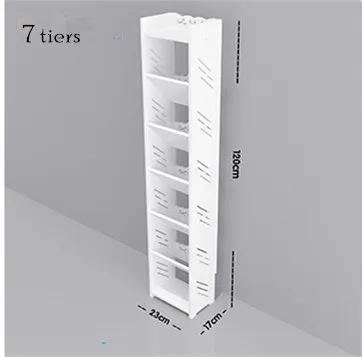
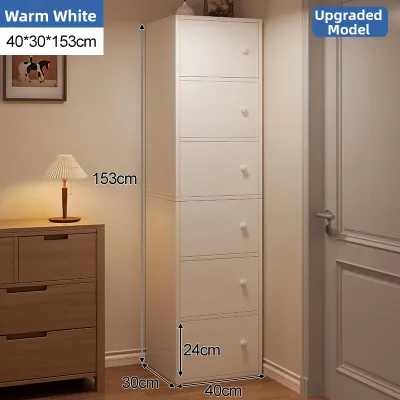
Prices are valid at publication and may change. Please refer to the product page for the latest price.
The primary advantage of a foldable design over a rigid door organizer is its adaptability to tight spatial tolerances. In many HDB bedrooms, the door swings open directly adjacent to a wardrobe, a study desk, or a bedside table. A bulky, non-folding rack can restrict the door’s swing angle, preventing it from opening wide enough for comfortable entry or causing the rack to repeatedly slam into your furniture. Foldable door racks feature collapsible shelves or baskets that fold flat against the door face when empty or partially loaded, restoring your door’s full range of motion and keeping your walkways entirely unobstructed.
Additionally, the ability to collapse the rack provides exceptional flexibility for multi-functional rooms. For instance, if you use a spare bedroom as a home office during the day and a guest room at night, you can deploy the rack’s shelves to hold work materials and fold them away when the room needs to be cleared. This on-demand storage capability ensures that your home remains visually clean and physically spacious, adapting seamlessly to your daily activities without requiring permanent spatial sacrifices.
Crucial Measurements to Check Before Buying
Before purchasing a foldable door storage rack, taking precise measurements is essential to ensure a proper fit and prevent damage to your home. Because HDB doors and frames are built to specific tolerances, a mismatch of even a few millimeters can prevent your door from closing or cause unsightly scratches on the woodwork.

First, you must measure the door clearance or gap at the top and sides. The gap between the top of the door leaf and the overhead frame (the head jamb) is critical for over-the-door hooks. To verify if your door has enough clearance, you can perform a simple test using a standard Singapore one-dollar coin, which is approximately 2mm thick. Place the coin on top of the door and slowly close it; if the door closes smoothly without dragging or catching the coin, you have sufficient clearance for most slim-profile metal hooks. If the coin catches, an over-the-door hook will likely scrape the paint or damage the timber frame, meaning you should opt for an adhesive, screw-mounted, or freestanding alternative.
Second, verify your door’s exact thickness. Standard HDB interior bedroom and bathroom doors typically measure between 35mm and 40mm in thickness, while main entrance doors and fire-rated doors are often thicker, ranging from 45mm to 50mm. Most over-the-door racks come with standard hooks designed for specific door thicknesses, though some models feature adjustable brackets. If the hook is too wide for your door, the rack will wobble, slide, and rattle every time the door is moved; if it is too narrow, the hook simply will not slide over the top edge. Check the product specifications carefully and consider using adhesive foam shims to fill any minor gaps for a snug, silent fit.
Third, assess the weight capacity of your door in relation to its construction material. Many interior HDB doors are hollow-core timber doors, which are lightweight and constructed with an internal honeycomb cardboard structure. These doors are not designed to support heavy vertical loads, and overloading them can strain the hinges, cause the door to sag, or warp the frame. Solid timber doors, commonly found as main entrance doors or in older HDB estates, are much more robust and can handle heavier storage loads. Regardless of the door type, check the condition of the hinges and ensure they are securely screwed into the frame before loading the rack.
Finally, examine the folding mechanism of the rack itself. High-quality foldable racks rely on robust hinges, locking pins, or smooth struts that allow the shelves to transition from deployed to collapsed states. Inspect the joints to ensure they operate smoothly without catching or requiring excessive force, which could strain the mounting points on the door. Look for mechanisms that lock securely into place when fully extended, preventing the shelves from accidentally collapsing and spilling your belongings when the door is opened or closed quickly.
Best Types of Foldable Door Racks for HDB Flats
Selecting the ideal foldable door rack depends on your door’s material, the available clearance, and the specific functional needs of your room. Different mounting styles offer distinct advantages in terms of stability, weight capacity, and ease of installation.
Over-the-Door Foldable Racks with Adjustable Hooks
Over-the-door foldable racks are the most popular choice for HDB bedrooms and bathrooms because they require no drilling or permanent modifications, making them excellent for both homeowners and tenants. These systems feature metal brackets that slide over the top of the door, suspending a vertical frame that supports collapsible baskets or fabric shelves.
When choosing this type, look for models that offer adjustable hook widths and include thick EVA foam or silicone padding on the back of the hooks and frame. The padding is crucial because it dampens vibrations when the door is opened or closed, prevents the metal from scratching the door’s laminate or paint finish, and eliminates annoying rattling noises. Because these racks rely entirely on the top edge of the door for support, they are best suited for lighter items such as towels, toiletries, clothing accessories, or light pantry goods to avoid putting excessive stress on hollow-core doors.
Adhesive or Screw-Mounted Foldable Door Shelves
For doors with extremely tight top clearances or those featuring decorative glass panels where over-the-door hooks cannot be used, adhesive or screw-mounted foldable shelves offer a highly stable alternative. These racks are fixed directly to the face of the door, allowing you to position them at any height that is convenient for your reach.
If you choose an adhesive-mounted model, use high-quality, heavy-duty adhesive strips designed for vertical loads, but exercise caution. Strong adhesives can bond permanently to the door’s surface and may tear off the paint, veneer, or laminate finish when removed, which can be a costly issue for tenants. For a more secure and permanent solution, screw-mounting is highly effective, but it should only be performed on solid wood doors where the material can hold screws firmly without splitting. Always pre-drill pilot holes according to the manufacturer’s instructions, and avoid screw-mounting on hollow-core doors unless you use specialized hollow-door anchors.
Freestanding Foldable Racks Placed Behind the Door
If your doors cannot support any additional weight, or if you are dealing with highly restricted door types, a freestanding foldable rack placed behind the door is the safest and most practical option. These units stand independently on the floor, utilizing wheels or stable feet, and are positioned in the dead space directly behind the door’s swing path.
This style is particularly well-suited for HDB household shelters (bomb shelters) and heavy kitchen doors where mounting items directly to the door is either restricted or structurally impractical. When you need to open the door fully, these freestanding units can be folded flat—often to a thickness of less than 10cm—and easily rolled or slid into the narrow gap between the door and the adjacent wall. Because they rest entirely on the floor, they have a much higher weight capacity than door-hung models, making them perfect for storing heavy kitchen appliances, canned goods, or household cleaning supplies.
Safe Installation and HDB Door Protection
Installing a foldable door rack correctly is vital to protect your home’s fixtures and ensure personal safety. Improper installation can lead to damaged door finishes, warped frames, or even structural issues that violate estate regulations.
To protect your door’s surfaces, always install protective barriers at every contact point between the rack and the door. If your chosen rack does not come with pre-installed padding, you can purchase adhesive felt strips, silicone bumper dots, or foam tape separately. Apply these materials to the back of the vertical rails, the underside of the hooks, and any moving parts of the folding mechanism. This simple step prevents the rack from rubbing against the door’s finish, absorbing the impact of daily door movements and preserving the aesthetic value of your woodwork.
Special care must be taken when dealing with HDB household shelter (bomb shelter) doors. These heavy steel doors are critical safety structures designed to maintain an airtight seal and resist extreme pressure during emergencies. Under Singapore’s civil defense regulations, you must not drill into, weld, or structurally modify a household shelter door in any way, as doing so can compromise its safety integrity and violate HDB rules. Additionally, hanging heavy items on these doors can damage the specialized hinges and gaskets. If you want to utilize the space behind a bomb shelter door, opt exclusively for freestanding foldable racks or lightweight, non-invasive magnetic organizers that do not interfere with the door’s seal, handle, or ventilation sleeve.
Similarly, kitchen fire doors in newer HDB flats are engineered to resist heat and prevent the spread of fire. Screwing brackets directly into a fire-rated door can compromise its safety rating and void its certification. For these doors, stick to non-destructive hanging methods or freestanding floor units.
Finally, pay close attention to the physical behavior of your door after installing the rack. If you notice that the door begins to sag, scrapes against the floor tile, squeaks loudly, or if the latch no longer aligns smoothly with the strike plate, the rack is likely too heavy or improperly balanced. In such cases, immediately remove the rack, reduce the load, or transition to a freestanding unit to prevent permanent damage to your door frame and hinges.
How to Load and Organize Without Overloading
Properly loading and organizing your foldable door rack is key to maintaining its functionality and ensuring your door operates smoothly. An unbalanced or overloaded rack can cause the door to swing open or closed on its own, strain the hinges, and make the folding mechanism difficult to operate.
When organizing your items, always apply the principle of bottom-heavy weight distribution. Place your heaviest items, such as shoes, full pantry jars, or heavy bottles, on the lowest tiers of the rack. This keeps the center of gravity low, which minimizes the leverage and rotational force exerted on the door’s top hinges. Lighter items, such as tissues, cleaning cloths, hats, or small accessories, should be placed on the upper shelves. This distribution ensures that the door remains stable and balanced throughout its swing path.
Before finalizing the placement of your items, perform a slow-motion clearance check. Slowly open and close the door to verify that the loaded rack does not strike nearby light switches, wall decorations, wardrobe doors, or adjacent furniture. Ensure there is a safe buffer zone of at least a few centimeters to prevent accidental impacts, which could damage both your stored items and your walls. If space is exceptionally tight, keep the rack folded flat when those specific items are not actively needed.
To maximize the efficiency of your vertical storage, group your belongings by frequency of use. Keep daily essentials—such as keys, wallets, face masks, or frequently worn shoes—at eye level where they can be reached quickly without bending or stretching. Seasonal items, spare cleaning supplies, or occasionally used tools should be placed on the very top or bottom shelves, keeping your primary storage zone clear and highly organized.
Frequently Asked Questions (FAQ)
Will an over-the-door rack damage my HDB bedroom door?
Damage to HDB bedroom doors typically occurs from friction, inadequate top clearance, or overloading. If your door has a top gap of at least 2mm to 3mm and you use a rack equipped with foam-padded hooks and rear bumpers, the risk of damage is minimal. To protect your door’s finish and hinges, avoid dragging the hooks during installation and strictly adhere to the manufacturer’s weight limits.
Can I install a door storage rack on my HDB bomb shelter door?
You must not drill into, screw, or permanently modify an HDB household shelter (bomb shelter) door, as these actions can compromise its airtight seal and structural safety, violating civil defense regulations. For these specialized steel doors, the safest and most compliant option is to use a freestanding foldable rack that sits on the floor behind the door, or lightweight, non-invasive magnetic organizers that do not interfere with the door’s seal or handle.
How do I measure the door gap for a storage rack?
To quickly test your door’s clearance, place a Singapore one-dollar coin (which is about 2mm thick) on the top edge of your door and slowly close it. If the door closes smoothly without dragging or catching the coin, your door has sufficient clearance for most standard slim-profile over-the-door hooks. If the coin catches, you should consider using adhesive-mounted, screw-mounted, or freestanding alternatives instead.

Community discussion
Share your experience or ask a question. Comments are reviewed before publication.