
Finding the right balance between space-saving convenience and ergonomic support is the primary challenge when choosing a foldable computer chair for a home office. While traditional office chairs dominate dedicated workspaces, compact living environments—such as modern apartments and multi-purpose rooms—often require furniture that can disappear when the workday ends. Popular brands on the market address this need through two distinct design philosophies: some prioritize thick padding and robust frame adjustments at the expense of portability, while others focus on ultra-slim profiles and lightweight mesh materials. Evaluating these options requires looking past marketing claims to examine physical joint designs, cushion resilience, and structural stability.
Identifying Your Home Office Needs Before Comparing Brands
Before comparing specific brands, you must define how the chair will fit into your daily routine and physical environment. The duration of your typical work session is the most critical factor in determining the level of support you require. If you only sit for one or two hours at a time, a minimalist folding model with basic padding may suffice. However, if your daily schedule demands eight or more hours of continuous screen time, prioritizing advanced ergonomic features over compact storage becomes essential to prevent physical fatigue.
Spatial constraints in your home also dictate the ideal folded footprint of the chair. Measure the exact storage location you plan to use, whether that is a narrow gap beside a wardrobe, the space under a bed frame, or a dedicated utility closet. Some brands design chairs that fold completely flat, while others retain a slight curve in the backrest that requires more depth. Additionally, consider the path from your workspace to the storage area, ensuring there are no tight corners that make daily setup a chore.
Products mentioned in this guide
![🗸🗸🗸 Highly recommanded! [Free Delivery] Foldable Home Use Study Chair Computer Chair Office Chair](https://img.lazcdn.com/g/p/8bf36c45ef4df8cee1fae09dccdc934f.jpg_400x400q80.jpg_.webp)
![🗸🗸🗸 Highly recommanded! [Free Delivery] Foldable Home Use Study Chair Computer Chair Office Chair](https://img.lazcdn.com/g/p/67bcba0a80d344eed6e38774ef527617.jpg_400x400q80.jpg_.webp)
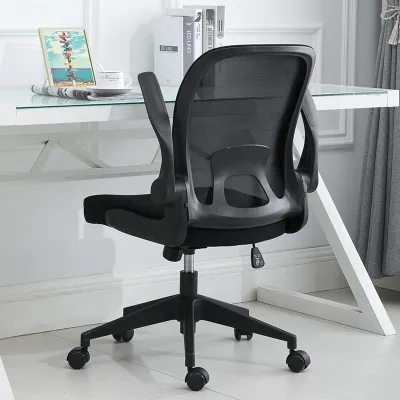
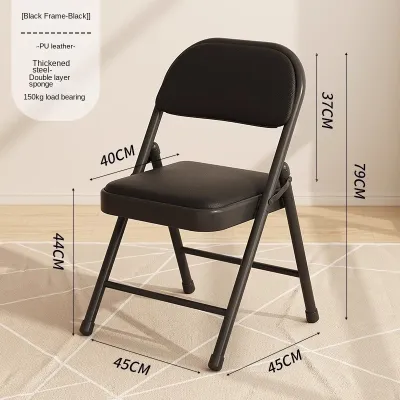
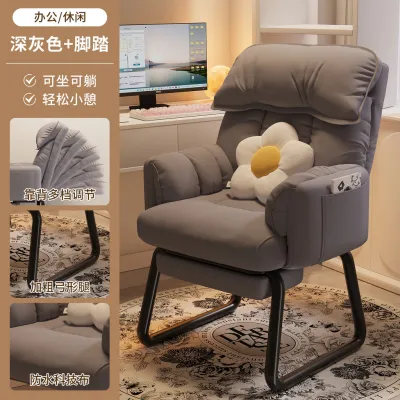
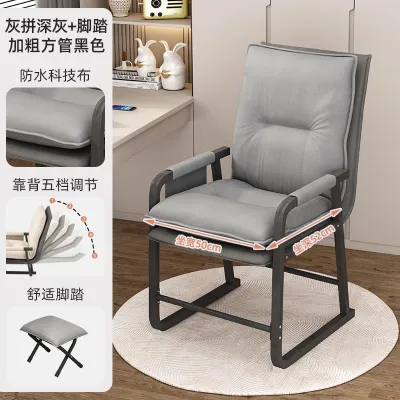
Prices are valid at publication and may change. Please refer to the product page for the latest price.
Your flooring material is another vital consideration that influences the type of base you should choose. Hardwood, engineered parquet, and luxury vinyl tiles are highly susceptible to scratches from rigid plastic feet or low-quality casters. If you prefer a rolling chair, look for brands that offer soft polyurethane wheels or plan to use a protective floor mat. For stationary folding chairs, verify that the leg tips are capped with non-marring rubber or felt pads to prevent scuffing and sliding during sudden movements.
Key Comfort Features to Evaluate Across Different Brands
When comparing comfort across different brands, the seat cushion is your primary point of contact. High-density molded foam is generally superior to low-density cut foam, as it retains its shape and supportive properties over years of daily use. Mesh seats offer excellent breathability, which is particularly beneficial in warm, humid climates where solid foam can trap body heat. However, poorly tensioned mesh can sag over time, causing your pelvis to bottom out against the underlying frame.

Backrest contouring is another critical element that separates basic folding chairs from true ergonomic models. Look for a backrest that mimics the natural S-curve of the human spine, providing continuous support to the lumbar region. Some brands integrate adjustable lumbar bands that can be shifted vertically, while others rely on a fixed, molded frame. A physical test or a careful review of user feedback can help you determine if the lumbar support sits at the correct height for your torso length.
Armrest design significantly impacts neck and shoulder comfort during long typing sessions. Fixed armrests on folding chairs are often positioned too low or too far forward, forcing you to slouch or shrug your shoulders. Brands that offer height-adjustable or flip-up armrests allow you to align the support surface with your desk height, keeping your elbows at a comfortable ninety-degree angle. Flip-up armrests also make it easier to push the chair fully under your desk when not in use, saving valuable floor space.
Finally, evaluate the seat height and depth ranges to ensure the chair matches your body proportions. Ideally, your feet should rest flat on the floor with your knees bent at a ninety-degree angle. Many folding chairs have fixed seat heights, which can cause discomfort for exceptionally tall or short users. Brands that incorporate pneumatic gas lifts into their folding designs offer much better adjustability, though this feature typically increases the overall weight of the chair.
How to Assess Build Quality and Folding Mechanisms
Build quality determines whether a foldable computer chair remains safe and stable over years of repeated folding cycles. Examine the frame material, prioritizing heavy-duty steel or reinforced aluminum over thin-walled tubing or unreinforced plastics. Pay close attention to the joint connections, especially where the backrest meets the seat assembly, as this area experiences the highest stress when you lean back. Welded joints should be smooth and continuous, while bolted connections should use locking nuts to prevent them from loosening over time.
The folding hinge itself is the most common failure point on these chairs. Inspect the hinge mechanism for robust metal pins and thick bracket plates that resist bending under lateral pressure. High-quality brands often include a dedicated locking pin or a secondary latch that secures the chair in its open position, preventing accidental folding if you shift your weight abruptly. When testing a chair physically, apply downward and lateral pressure to the frame; any noticeable wobble, creaking, or flexing indicates poor manufacturing tolerances.
Manufacturer-stated weight capacities provide a helpful baseline for structural integrity, but they should always be verified against independent safety standards. Look for product labels indicating compliance with recognized testing protocols, such as ANSI/BIFMA standards for office furniture, which test for structural load, drop resistance, and mechanism durability.
Base stability is crucial for preventing tip-over accidents, particularly when you lean back or reach for items on your desk. A wider footprint generally offers better stability, but it also increases the space the chair occupies when open. For rolling models, a five-star base with a wide diameter is the industry standard for safety. For stationary four-legged models, ensure the legs splay outward slightly to distribute your weight evenly and prevent the chair from tipping forward when you sit on the front edge of the cushion.
Comparing Folded Dimensions and Portability
The practical value of a foldable computer chair relies heavily on how easily it can be moved and stored. Compare the folded dimensions provided by manufacturers, noting both the thickness and the overall height when collapsed. Some innovative designs allow the chair to stand upright on its own when folded, which is incredibly convenient for storing it in a corner or behind a door without leaning it against a wall. Other models fold completely flat, making them ideal for sliding horizontally under a sofa or bed frame.
Product weight is a double-edged sword: heavier chairs often feel more stable and robust, but they are much harder to carry around your home. If you plan to move your chair between different rooms daily, look for models that weigh under eight kilograms and feature integrated carry handles or molded handholds. A well-placed handle allows you to transport the chair safely with one hand, leaving your other hand free to open doors or carry your laptop.
The speed and simplicity of the setup process also affect your daily experience. A chair that requires complex latching, unfolding multiple joints, or tightening manual knobs can quickly become a source of frustration. The best designs unfold in a single, fluid motion and lock into place automatically. If you frequently transition your living room or bedroom from a workspace back to a relaxation area, a quick-deploy mechanism will make the transition seamless and encourage you to pack the chair away at the end of every workday.
Decision Framework: Matching Chair Profiles to Your Workflow
To choose the right foldable computer chair, you must match the chair’s design profile to your specific working conditions and spatial limitations. If you work from home full-time and have a dedicated desk space but need to clear the room occasionally, prioritize a heavily padded, highly adjustable model. These chairs offer ergonomic support comparable to standard office chairs, ensuring your physical well-being during long hours of work, even if they are slightly bulkier to store.
Conversely, if your home office consists of a temporary setup at the dining table and you must pack everything away every evening, a lightweight, minimalist mesh model is the more practical choice. These chairs prioritize rapid setup, easy carrying, and an ultra-slim folded profile that fits into tight storage spaces. While they may lack advanced adjustments like depth-adjustable seats or 3D armrests, they provide sufficient comfort for moderate use throughout the day.
Before making a final purchase, always perform a physical check or carefully analyze user reviews regarding the locking mechanism and frame rigidity. Ensure the locking pin engages securely with a distinct click and that the frame does not flex when you sit down. If you notice any play in the hinges or if the seat feels unstable on your floor type, it is best to look at alternative models.
Finally, recognize the limitations of the foldable category. If you suffer from chronic back pain or sit for more than ten hours a day without breaks, even the best foldable chair may not suffice. In these scenarios, you should consider a dedicated, non-folding ergonomic task chair with a comprehensive adjustment suite, as the structural compromises required to make a chair fold can limit its ultimate ergonomic performance.
Frequently Asked Questions (FAQ)
Can I use a foldable computer chair on carpeted floors?
Yes, you can use a foldable computer chair on carpeted floors, but the performance depends heavily on the base design. Stationary legs with wide, flat feet distribute weight well and prevent deep indentations in the carpet fibers, though they are difficult to slide. If your chair has rolling casters, standard hard plastic wheels will struggle to roll on medium-to-high pile carpets and can cause wear over time. For rolling models, check the manufacturer’s specifications for carpet-safe wheels, or invest in a rigid polycarbonate chair mat to ensure smooth movement and protect your flooring.
How do I maintain the folding hinges to prevent squeaking?
Maintaining the folding hinges requires regular, simple care to ensure smooth operation and prevent annoying squeaks. Periodically inspect the hinge areas for dust, pet hair, and debris, which can accumulate in the moving parts and cause friction; clean these areas using a dry microfiber cloth or a soft brush. Check all screws and bolts around the folding joints to ensure they remain snug, tightening them gently if they have worked loose. If squeaking persists, consult the manufacturer’s manual to identify approved lubricants, such as a dry silicone spray, and apply it sparingly only to the designated pivot points, wiping away any excess to avoid staining the chair’s fabric or your floor.

Community discussion
Share your experience or ask a question. Comments are reviewed before publication.