
Finding the right foldable closet for a typical Housing & Development Board (HDB) bedroom depends on balancing your storage needs with the room’s layout and Singapore’s humid climate. While fabric closets offer a lightweight, budget-friendly temporary fix, plastic modular units provide high moisture resistance for damp areas, and metal frame closets deliver the heavy-duty support required for large wardrobe collections. To make the best choice, you must evaluate how each material handles weight, humidity, and the physical constraints of your specific bedroom space.
Assessing Your HDB Bedroom Constraints
Before purchasing any temporary or foldable wardrobe, you must measure your available floor footprint and vertical clearance. HDB bedrooms, especially in newer Build-To-Order (BTO) flats, often have compact layouts where every centimeter counts. Measure the exact spot where the closet will stand, keeping in mind the swing or fold radius of any doors, drawers, or panels. If the closet doors swing outward, ensure they will not strike your bed frame, desk, or bedroom door.
Equally important is planning the delivery and transport path. Check the dimensions of your HDB lift, the common corridor, and your bedroom doorway. Even though foldable closets are designed to be compact, their flat-packed boxes can be surprisingly long or heavy. Verifying these entry points beforehand prevents the frustration of a package that cannot clear a tight corner or fit into the lift.
Products mentioned in this guide
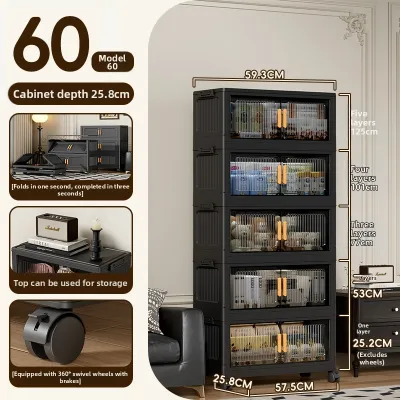
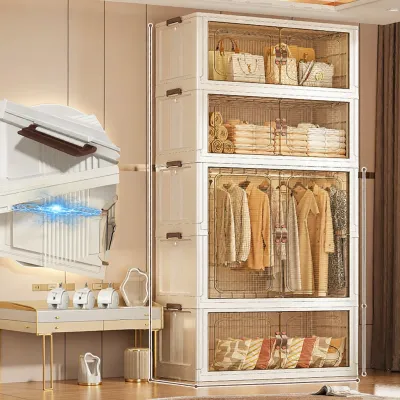
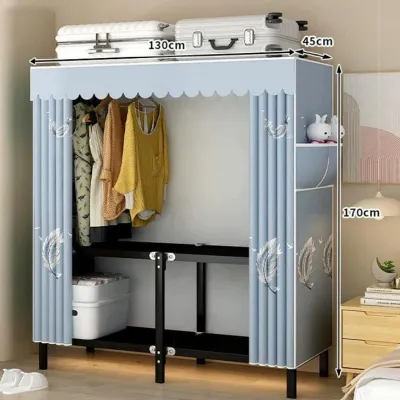
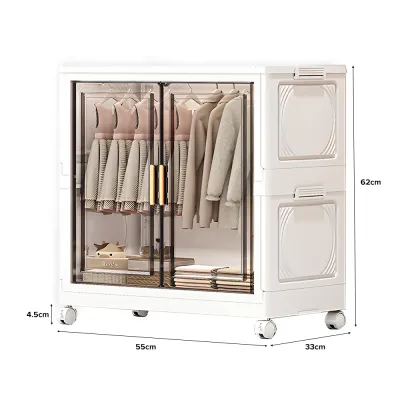
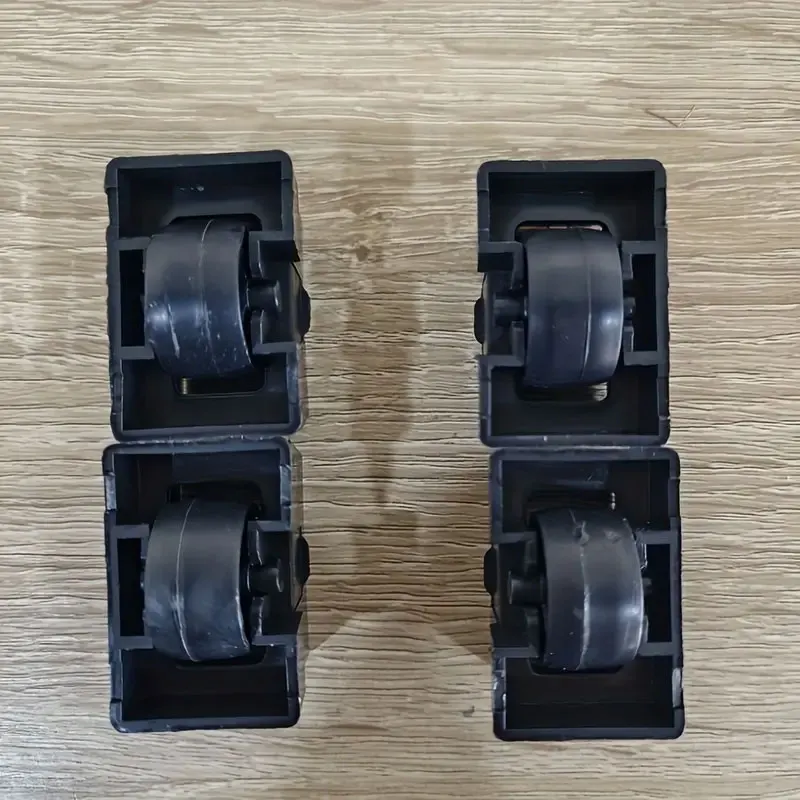
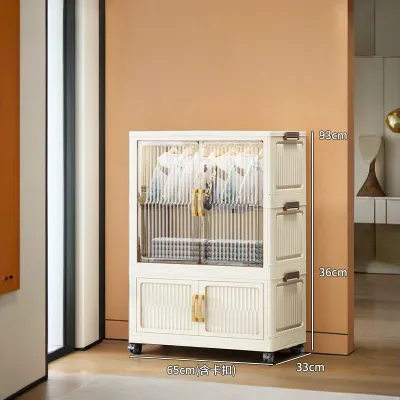
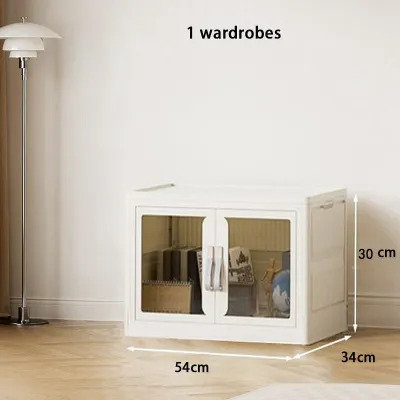
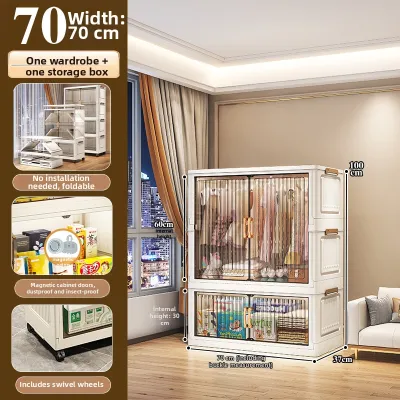
Prices are valid at publication and may change. Please refer to the product page for the latest price.
Finally, observe the environmental conditions of your bedroom. Singapore’s tropical climate means high indoor humidity, which can be amplified if your wardrobe is placed near an en-suite bathroom or a window prone to rain splashes. Poor ventilation can lead to stagnant air, making certain closet materials highly susceptible to mold and mildew. Identifying these microclimates in your room helps you select a closet type that can withstand local moisture levels without damaging your garments.
Evaluating Fabric Foldable Closets
Fabric foldable closets are popular for their portability and affordability, but their performance depends heavily on their structural components. When evaluating these units, look closely at the inner frame material. Frames made of thin plastic poles or low-grade metal tubes can bend under moderate weight. Opt for thicker steel poles and inspect the joint connectors; reinforced plastic or metal joints are essential, as weak connectors are the most common failure points when a fabric closet collapses.

The outer fabric cover requires careful inspection to ensure it protects your clothes. Look for breathable fabrics that allow air circulation, which helps prevent musty odors in humid HDB bedrooms. However, the fabric must also be dense enough to keep out dust. Check the manufacturer’s specifications for mold-resistant treatments, and inspect the seams and zipper quality. A flimsy zipper will quickly split or jam under daily use, rendering the dust cover ineffective.
Base shelf stability is another critical factor. Many fabric closets use fabric shelves stretched over parallel poles, which can sag when holding folded jeans, shoes, or heavy storage boxes. If you plan to store heavier items, look for models that include solid wire mesh or plastic inserts for the shelves. This distributes the weight evenly and prevents the base of the closet from warping or tipping forward.
Evaluating Plastic Foldable Closets
Plastic foldable or modular closets offer a highly customizable storage solution, but their durability relies on the quality of their panels and connections. Check the thickness of the plastic panels; thin, flexible sheets can bow over time under the weight of stacked clothes. Look for sturdy molded plastic panels with reinforced edges. Hinge mechanisms and magnetic door closures should also be examined, as secure closures keep dust and pests away from your garments.
One of the greatest advantages of plastic in a Singapore home is its natural moisture resistance. Unlike fabric, plastic does not absorb humidity, making it highly suitable for bedrooms adjacent to en-suite bathrooms. It is also exceptionally easy to maintain; you can simply wipe down the surfaces with a damp cloth and mild detergent to remove dust or accidental spills. This makes plastic an excellent choice for low-maintenance, hygienic storage.
However, modular plastic units require careful attention to stacking stability and weight distribution. Because these closets are lightweight, building them too tall can make them top-heavy. Always place heavier items, like bedding or organizers, on the bottom shelves to lower the center of gravity. Check if the manufacturer provides anti-tip brackets or straps, especially if you plan to stack the modules to maximize vertical space in a compact bedroom.
Evaluating Metal Frame Foldable Closets
For those who need to hang heavy garments like suits, winter coats, or long dresses, metal frame foldable closets offer the highest level of structural integrity. Because Singapore’s humidity can cause untreated metal to rust, you must verify that the frame features a rust-resistant coating, such as powder coating or chrome plating. Inspect the joints and welds to ensure there are no exposed, untreated metal surfaces where moisture could take hold.
The functionality of a metal folding closet relies on its moving parts. Check the smoothness of the folding hinges and locking mechanisms that keep the frame rigid when deployed. If the unit comes with casters, ensure they are heavy-duty and feature reliable locking brakes to keep the closet stationary. Verify the manufacturer’s specified weight limit for the hanging rail, as a sturdy rail is the main reason to choose a metal frame over other materials.
While metal closets are highly durable, their overall weight is significantly higher than fabric or plastic alternatives. This weight makes them stable, but it also means they can scratch or dent delicate flooring, such as vinyl or laminate common in modern HDB flats. Check if the closet feet or casters are equipped with floor protectors, or plan to place a protective mat underneath the unit to safeguard your bedroom floors.
Decision Framework: Choosing the Right Foldable Closet
To select the ideal foldable closet, you must align your storage habits, room conditions, and budget with the strengths of each material type.
- Choose fabric if: You need a highly portable, budget-friendly, and temporary storage solution. This type is best suited for lightweight clothing, guest rooms, or short-term rental stays where you want an easy-to-dismantle wardrobe that fits into a dry, well-ventilated corner of the room.
- Choose plastic if: You require modular flexibility and excellent moisture resistance. Plastic is ideal if your bedroom is prone to humidity, if you need to store a mix of folded clothes and small accessories, and if you want a wardrobe that is easy to clean and reconfigure as your storage needs change.
- Choose metal if: You need to hang heavy garments, prioritize long-term durability, and have a dedicated space that can accommodate a heavier, more permanent freestanding structure. Metal frames are the best choice for maximizing hanging capacity without risking structural collapse.
- Verify first if: You are renting your HDB flat. Some landlords have strict rules regarding wall anchoring or drilling, which may limit your ability to secure taller, top-heavy closets. Additionally, if your bedroom dimensions are unusually tight, double-check that the closet's assembly footprint allows you enough physical space to put it together safely inside the room.
| Closet Type | Load Capacity | Moisture Resistance | Assembly Effort | Ideal Use Case |
|---|---|---|---|---|
| Fabric | Low to Medium | Low (requires ventilation) | Moderate (many interlocking poles) | Temporary stays, lightweight clothing, budget-conscious setups |
| Plastic | Medium | High (waterproof panels) | Low to Moderate (snap-together modules) | Humid rooms, folded clothes, modular storage needs |
| Metal Frame | High | Medium to High (requires rust-resistant coating) | Low (often pre-assembled folding frames) | Heavy hanging garments, long-term daily use, spacious rooms |
Safe Setup and Maintenance in an HDB
Assembling and maintaining your foldable closet correctly is essential to prevent accidents and extend its lifespan. Always follow the manufacturer’s weight limits per shelf and hanging rail strictly. Avoid the temptation to overload the top shelves or hang heavy bags from the outer frame corners, as this shifts the center of gravity upward and increases the risk of the unit tipping over.
If you are installing a tall or top-heavy closet, secure it to the wall using appropriate anti-tip anchors. In HDB flats, bedroom walls are typically made of concrete or drywall. Ensure you use the correct wall plugs and screws designed for your specific wall material; concrete walls require masonry drill bits and heavy-duty wall plugs, while drywall requires specialized hollow-wall anchors.
Perform routine maintenance checks every few months. Inspect fabric closets for signs of tearing or loose plastic joints, and tighten any metal screws or hinges on plastic and metal units. If your closet has wheels, clean the tracks and casters regularly to remove dust and hair, ensuring they roll smoothly without scratching your bedroom floor.
Frequently Asked Questions (FAQ)
Do I need to anchor a foldable closet to the wall in an HDB?
Whether you need to anchor your foldable closet depends on its height, weight distribution, and stability. Any wardrobe that is tall, narrow, or top-heavy poses a tip-over risk, especially when doors are pulled open or heavy items are placed on upper shelves. If the manufacturer provides an anti-tip kit, it is highly recommended to use it. For concrete HDB walls, you will need a hammer drill and masonry wall plugs to secure the brackets. If you are renting or are unsure how to drill safely into your walls, consult a professional handyman to handle the installation.
Can I assemble a foldable closet by myself?
Most fabric and plastic modular closets are designed for DIY assembly and can be put together by a single person using basic hand tools or the included mallet. However, metal frame foldable closets, while often requiring less assembly of individual parts, can be heavy and awkward to unfold or lift alone. Having a second person to help align large frames, hold panels in place, or lift the completed structure into position makes the process much safer and prevents accidental damage to your bedroom walls and floors.

Community discussion
Share your experience or ask a question. Comments are reviewed before publication.