
Selecting the right floor protector depends on matching the protector’s material with the specific vulnerabilities of your flooring. While a soft felt pad glides effortlessly across delicate parquet, it can quickly shred or trap abrasive grit when dragged over uneven tile grout lines. Conversely, rigid plastic glides that slide easily on hard tiles can gouge vinyl or scratch natural wood finishes. To safeguard your home’s surfaces and keep your furniture stable, you must evaluate the hardness, moisture resistance, and chemical compatibility of both the flooring and the protector.
Assessing Your Flooring Vulnerabilities
Every flooring material reacts differently to the pressure, friction, and weight of household furniture. Ceramic and homogeneous tiles are exceptionally hard, but they are susceptible to edge chipping from heavy impacts and uneven pressure. The grout lines between tiles create a textured surface with minor height variations, which can catch the edges of poorly fitted furniture glides and cause sudden jolts.
Vinyl and resilient flooring, such as luxury vinyl tiles (LVT) or vinyl sheets, offer a softer, cushioned feel underfoot but are vulnerable to permanent indentation. Concentrated weight from heavy wardrobes or sofas can compress the core layer, leaving unsightly dents. Additionally, vinyl surfaces can suffer from chemical staining and discoloration when they come into contact with certain synthetic rubbers or low-grade adhesives.
Products mentioned in this guide
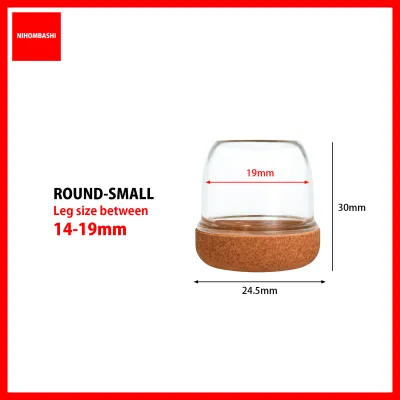
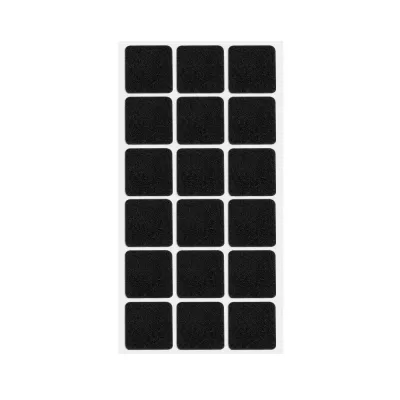
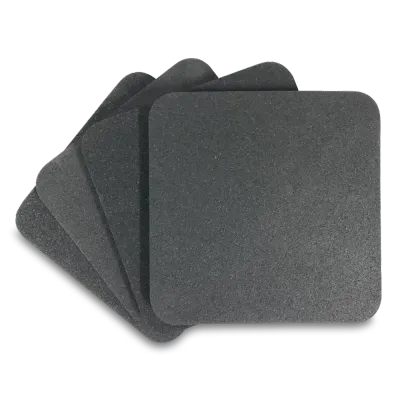
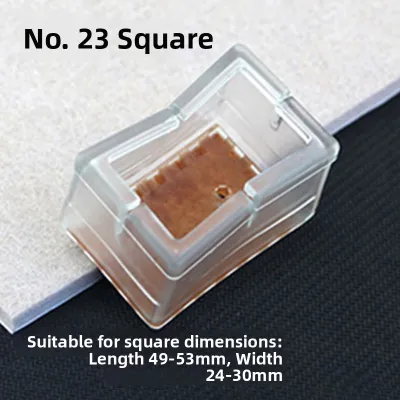
![[SG Ready Stock]Office Chair Mat Chair Floor Mat Chair Mat Floor Protective for Roller Chair floor protector mat for rolling chair Protect Floor Home Office Wheelchair Rug Carpet Mats Floor Protection Mat](https://img.lazcdn.com/g/p/0498da6feead945ec54c727e0242ba02.png_400x400q80.png_.webp)
![[SG stocks] PVC Matte Desk Office Chair Floor Mat Protector for Hard Wood Floors chair Rug Anti Scratch](https://img.lazcdn.com/g/p/132f899293a39fcbe853997fc5e9dcba.jpg_400x400q80.jpg_.webp)
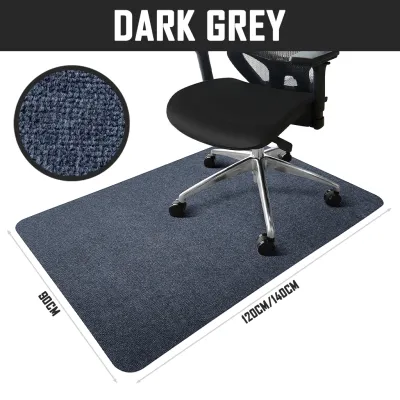
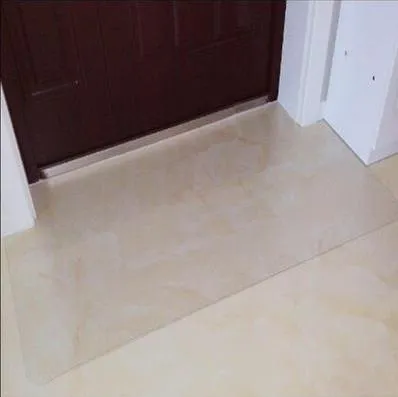
Prices are valid at publication and may change. Please refer to the product page for the latest price.
Parquet and solid wood floors feature delicate surface finishes, such as polyurethane, lacquer, or natural oils, which protect the organic grain underneath. These finishes are highly susceptible to micro-scratches from fine grit, sand, or dust trapped beneath moving furniture legs. Wood is also highly sensitive to moisture; any protector that traps water or cleaning liquids against the surface can cause localized wood swelling, finish clouding, or dark water stains.
Choosing Protectors for Tile Floors
When selecting protectors for tiled areas, the primary goal is to prevent heavy furniture from cracking the tile edges or wearing down the grout. Heavy, stationary items like dining tables require robust, wide-base protectors that distribute weight evenly across multiple tiles. For frequently moved items like dining chairs, soft felt pads may wear down rapidly against abrasive grout lines, making durable plastic or metal-bottomed glides a more resilient choice, provided the glide surface is smooth and free of sharp molding seams.

Adhesive selection is critical when applying protectors to furniture on tiled floors. Low-quality adhesives can degrade when exposed to wet mopping, leaving a sticky residue that attracts dirt and discolors the surrounding grout. Look for water-resistant adhesives or opt for mechanical attachment methods, such as screw-on or nail-on glides, ensuring the attachment screw is deeply recessed so it never contacts the tile directly.
The thickness of the protector must be sufficient to bridge minor grout line unevenness. A thin pad will conform to the dip of the grout line, causing the furniture leg to catch and tilt as it slides. Selecting a thicker, semi-rigid protector ensures the furniture glides smoothly over the joints without catching, reducing lateral stress on both the furniture joints and the tile edges.
Selecting Protectors for Vinyl and Resilient Flooring
Protecting vinyl flooring requires careful attention to chemical compatibility to prevent permanent discoloration. Many standard rubber cups and low-grade plastic protectors contain plasticizers that can migrate into the vinyl, causing permanent yellow or dark stains that cannot be cleaned. To avoid this chemical reaction, prioritize protectors made from chemically inert materials, such as silicone, felt, or manufacturer-approved non-staining polymers.
Because vinyl is a resilient, compressible material, distributing the weight of heavy furniture is essential to prevent deep, permanent dents. Small, pointed furniture legs exert immense pressure on a tiny surface area. Replacing narrow tips with wide-base furniture cups or broad felt pads increases the contact area, spreading the load and keeping the vinyl core intact.
While preventing dents is crucial, maintaining furniture stability on smooth vinyl is equally important. Lightweight chairs or side tables can slide too easily on slick vinyl surfaces, posing safety risks. Utilizing non-slip silicone cups or textured felt pads provides the necessary traction to keep furniture securely in place while still offering a cushioned barrier against surface scuffs.
Picking Protectors for Parquet and Wood Floors
Parquet floors demand the gentlest touch to preserve their delicate topcoats and intricate wood patterns. High-density wool felt pads are the industry standard for wood surfaces, as they provide a soft, cushioned barrier that allows chairs and tables to glide silently without abrading the finish. Ensure the felt is thick and tightly woven; low-density felt compresses quickly, allowing the hard furniture leg to make direct contact with the wood.
Singapore’s humid climate makes moisture management a critical factor for parquet care. Avoid using solid rubber or non-breathable plastic cups that can trap humidity or cleaning water underneath the furniture leg. Trapped moisture cannot evaporate, leading to wood cupping, finish degradation, and mold growth. Breathable felt pads or elevated glides that allow airflow are much safer options for natural wood installations.
Even the best felt pad can damage a parquet floor if it is not kept clean. Over time, dust, pet hair, and outdoor grit accumulate on the bottom of the pad, turning it into an abrasive surface similar to sandpaper. Establishing a routine to vacuum the bottom of furniture legs and gently brushing away embedded debris will prevent micro-scratches from ruining your wood finish.
Evaluating Cross-Compatibility and Multi-Surface Use
In modern open-plan homes where living rooms feature parquet, kitchens have tiles, and bedrooms use vinyl, finding a single universal protector is highly appealing. However, using a one-size-fits-all protector often introduces compromises. A soft felt pad that is perfect for parquet will wear out in weeks on a tiled kitchen floor, while a hard plastic glide suited for tiles will scratch the living room parquet.
If you must use a single protector type across transition zones, high-density silicone sleeves with integrated felt bottoms offer a reasonable compromise. The silicone sleeve stretches to fit various leg shapes securely without adhesives, while the felt bottom protects delicate wood and vinyl. However, you must regularly check the felt bottoms for wear when they cross onto tiled areas.
When permanently moving heavy furniture from one flooring type to another, always swap out the protectors. A dining chair that has been used on a tiled floor may have tiny ceramic particles or grit embedded in its pads. Moving that chair directly onto a parquet or vinyl floor without changing the pads can cause immediate, deep scratches across your wood or resilient surfaces.
Application, Maintenance, and When to Replace
Proper application is key to ensuring your floor protectors stay in place and perform effectively. Before applying adhesive pads, thoroughly clean the bottom of the furniture leg with isopropyl alcohol to remove dust, factory oils, and old adhesive residue. Allow the surface to dry completely, then press the adhesive pad firmly onto the leg, holding pressure for at least thirty seconds to establish a strong bond.
Regular inspections are necessary to prevent unexpected floor damage. Once every few months, tilt your chairs and tables to inspect the pads for thinning, uneven wear, or embedded grit. If a pad feels hard, looks flattened to a fraction of its original thickness, or has started to slide off-center, it is no longer providing adequate protection.
Replace protectors immediately if you notice adhesive failure, tearing, or if the furniture begins to make a scraping noise when moved. Keeping a small stock of replacement pads on hand ensures you can swap out worn protectors the moment they show signs of degradation, keeping your tiles, vinyl, and parquet pristine for years to come.
Frequently Asked Questions (FAQ)
Can I use the same felt pads on both parquet and tiles?
While you can physically use felt pads on both surfaces, they will perform very differently. On parquet, felt pads are ideal because they prevent scratches and glide smoothly. On tiles, however, the rough grout lines will quickly shred the felt fibers, and wet mopping can compromise the adhesive, causing the pads to slide off. For tiled areas, durable plastic glides or heavy-duty tap-in protectors are generally more practical and long-lasting.
How do I remove sticky residue left by old floor protectors?
To remove stubborn adhesive residue without damaging your floor, start with the gentlest method. For parquet and vinyl, apply a small amount of mineral oil or a specialized, floor-safe adhesive remover to a soft microfiber cloth and gently rub the spot. Avoid harsh solvents like acetone or abrasive scrubbing pads, which can strip wood finishes or melt vinyl. For tiles, you can use a plastic scraper or a warm, damp cloth with mild dish soap to lift the residue safely.

Community discussion
Share your experience or ask a question. Comments are reviewed before publication.