
Selecting the most suitable floor protector for your home depends entirely on matching the physical properties of your flooring—whether hard ceramic tiles, resilient vinyl, or natural wood parquet—with the right protector material and attachment design. Choosing incorrectly can lead to permanent scratches, adhesive stains, or discoloration. In Singapore, where homes often feature a mix of these flooring types across different rooms, understanding how furniture legs interact with each surface is key to preserving your home’s aesthetic and structural integrity.
Investing a small amount, perhaps under S$15 for a set of quality protectors, can save thousands of dollars in professional floor restoration or replacement costs down the road. However, a protector is only effective if it is compatible with both the floor material and the specific demands of the furniture piece. By analyzing the vulnerabilities of your floors and the characteristics of different protector types, you can make an informed decision that keeps your surfaces pristine.
Understanding Your Flooring Type and Its Vulnerabilities
Ceramic, porcelain, and homogenous tiles are highly durable and hard, making them popular choices for high-traffic areas like living rooms and kitchens. However, they are not immune to damage. Abrasive particles, such as sand or grit, trapped under heavy furniture legs can scratch the surface glaze over time, leaving dull patches that are difficult to restore. Furthermore, grout lines present uneven gaps across the floor surface. Dragging heavy furniture across these joints can chip the edges of the tiles or crack the grout itself, leading to costly repairs.
Products mentioned in this guide
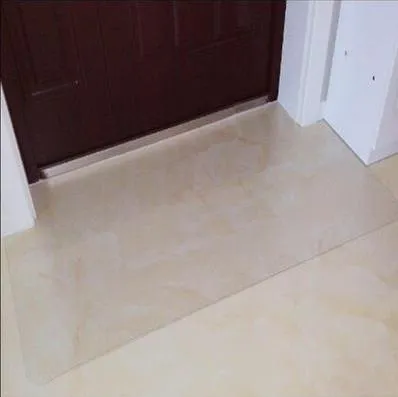
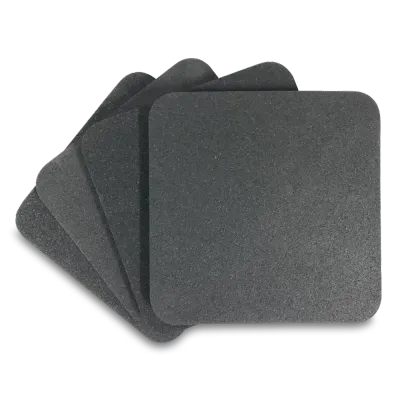
![[SG Ready Stock]Office Chair Mat Chair Floor Mat Chair Mat Floor Protective for Roller Chair floor protector mat for rolling chair Protect Floor Home Office Wheelchair Rug Carpet Mats Floor Protection Mat](https://img.lazcdn.com/g/p/0498da6feead945ec54c727e0242ba02.png_400x400q80.png_.webp)
![[SG stocks] PVC Matte Desk Office Chair Floor Mat Protector for Hard Wood Floors chair Rug Anti Scratch](https://img.lazcdn.com/g/p/132f899293a39fcbe853997fc5e9dcba.jpg_400x400q80.jpg_.webp)
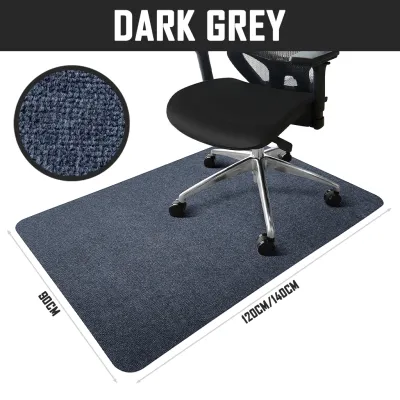
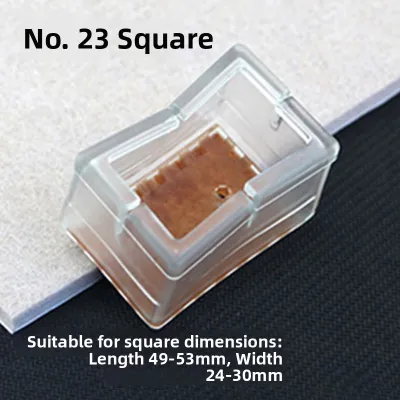
Prices are valid at publication and may change. Please refer to the product page for the latest price.
Luxury vinyl tiles (LVT) and vinyl sheets are favored for their water resistance and softer underfoot feel. However, this softer, resilient composition makes vinyl highly susceptible to permanent indentation from heavy, concentrated point loads, such as heavy wardrobes, sofas, or dining tables. Additionally, vinyl is sensitive to certain chemical compounds. Low-grade synthetic rubber backings or chemical adhesives can react with the vinyl’s wear layer, leading to plasticizer migration which causes permanent yellowing or dark stains that cannot be cleaned off.
Natural timber and engineered wood parquet offer warmth and elegance but are the most vulnerable to physical and environmental damage. Parquet has a relatively soft surface finish, typically protected by a thin layer of polyurethane or oil, which scratches easily from sharp impacts, dragged furniture, or trapped grit. It is also highly sensitive to moisture and humidity fluctuations. Chemical reactions from low-grade synthetic adhesives can strip or discolor the protective varnish, leaving unsightly marks on your expensive wooden floors.
Matching Floor Protector Materials to Your Floor
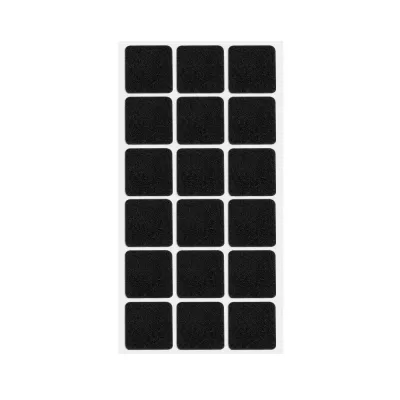
Felt pads are the traditional choice for dry areas and offer excellent sliding characteristics on parquet and tiles. They allow chairs to glide smoothly and quietly without scratching the surface finish. However, felt acts like a magnet for dust, hair, and grit. You must regularly inspect felt pads; if abrasive debris becomes embedded in the fibers, the pad itself can act like sandpaper, scratching your parquet or high-gloss tiles. Felt is also highly absorbent, making it unsuitable for areas exposed to moisture.

Rubber and silicone grips offer excellent anti-slip properties, making them ideal for stationary furniture like sofas, beds, or heavy shelving units on tiles or vinyl. They keep furniture firmly in place and prevent sliding. However, before applying rubber or silicone directly to vinyl, check the manufacturer’s labels. Some synthetic rubbers contain plasticizers that can migrate into the vinyl, causing permanent yellowing. Look for non-marking, vinyl-safe silicone or rubber options to ensure compatibility.
Plastic and nylon glides are highly durable and suitable for heavy, frequently moved furniture on hard surfaces. When using them, verify that the glide has completely smooth, rounded edges. Rough or sharp plastic edges can easily gouge softer vinyl floors or scratch high-gloss ceramic tiles. They are generally not recommended for delicate parquet unless specifically rated for wood surfaces, as any imperfection in the plastic can cause deep scratches.
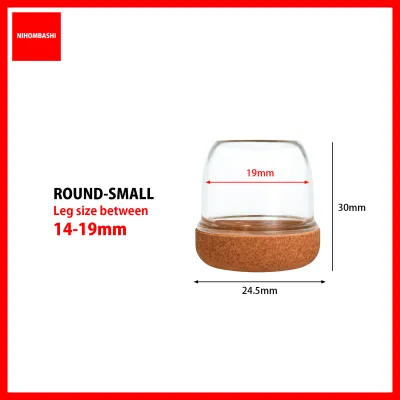
Cork pads are a natural, resilient alternative that offers excellent compatibility with parquet flooring. They provide a gentle cushion that prevents scratches while distributing weight effectively. However, cork has limited moisture resistance. In humid environments or areas prone to spills, cork can absorb moisture, leading to mold growth or adhesive failure. Always verify the moisture-resistance limits of cork pads before using them in semi-wet zones.
Design and Shape Considerations for Furniture Legs
Floor protectors come in pre-cut round, square, or customizable trim-to-fit sheets. For standard round or square legs, matching the exact shape ensures the protector remains hidden and does not peel at the edges. For irregular, angled, or thin metal legs, customizable sheets allow you to cut the exact profile needed. This ensures maximum surface contact and prevents the edges of the pad from catching on the floor and peeling off.
Heavy stationary furniture, such as beds, dining tables, and large cabinets, requires high-density, thick protectors to distribute weight and prevent bottoming out. Thick rubber cups or heavy-duty felt pads are ideal for these applications. Conversely, lightweight, frequently moved items like dining chairs require thinner, high-density felt or slip-on caps. These facilitate smooth movement without wearing down too quickly under constant lateral friction.
The attachment mechanism plays a crucial role in the stability and longevity of the protector. Self-adhesive pads are easy to install but are prone to sliding off under lateral shear force, especially on frequently moved chairs. Tap-on or screw-on glides are extremely secure as they are mechanically anchored into wooden furniture legs, but they carry a risk: if the pad wears down completely, the exposed metal screw or nail can severely gouge your floor. Slip-on silicone caps wrap around the leg, providing a secure fit without adhesives or screws, making them highly stable for chairs.
Installation, Maintenance, and Troubleshooting
For any adhesive-based floor protector to bond successfully, the bottom of the furniture leg must be thoroughly cleaned. Remove all dust, grease, and old adhesive residues. Sanding the bottom of wooden legs lightly can create a clean, textured surface that improves adhesive bonding. Ensure the surface is completely dry before application to prevent the adhesive from failing prematurely.
Floor protectors are consumable items that wear out over time. Establish a routine check every few months to inspect their condition. Look for signs of wear, such as compressed felt, cracked plastic, or embedded grit. If a pad is flattened, peeling, or dirty, replace it immediately to avoid accidental floor damage. Keeping a small stock of replacement pads ensures you can swap them out as soon as wear is detected.
When replacing old adhesive pads, you may find stubborn, sticky residue left behind on the furniture leg. To remove this safely without stripping your floor’s finish or varnish, avoid harsh chemical solvents. Instead, use a mild adhesive remover or a drop of vegetable oil on a soft cloth, rubbing gently. Always perform a spot test in an inconspicuous area first to ensure the cleaning agent does not discolor or damage the floor finish.
Singapore’s high ambient humidity can significantly affect adhesive curing times and long-term bonding strength. When applying self-adhesive pads, allow them to cure without any weight or movement for at least 24 hours. This ensures the adhesive bonds fully to the furniture leg in a humid climate, preventing the pad from sliding off during subsequent use.
Frequently Asked Questions (FAQ)
Can I use the same floor protectors for all rooms in my home?
No, a single type of floor protector is rarely suitable for every room due to varying environmental conditions. Standard felt pads work effectively in dry living areas and bedrooms but are highly susceptible to moisture, mold, and adhesive failure in wet or semi-wet zones like kitchens, bathrooms, or utility yards. For moisture-prone areas, look for water-resistant silicone caps or non-marking rubber grips, and always verify the product label for moisture-resistant properties.
How do I stop self-adhesive felt pads from falling off?
To prevent self-adhesive felt pads from sliding off, ensure the furniture leg is completely free of dust, oils, and old adhesive residues before application. After sticking the pad on, allow it to cure for at least 24 hours before placing any weight on the furniture or moving it. If adhesive failure persists due to heavy use or specific leg materials like metal or plastic, consider alternative attachment methods such as slip-on silicone caps or tap-on glides.

Community discussion
Share your experience or ask a question. Comments are reviewed before publication.