
Quick Answer: Is Flokk the Right Premium Chair for You?
To choose the right seating for your home workspace, you must understand the fundamental difference in design philosophy between Flokk and other premium ergonomic chair brands. Flokk, a European house of brands including HÅG, RH, and Giroflex, distinguishes itself by championing active sitting and minimalist Scandinavian aesthetics. Their chairs are designed to encourage continuous, natural movement throughout the day rather than keeping you locked in a single posture. In contrast, many traditional premium ergonomic brands focus on highly adjustable, static support systems designed to cradle the body in a structured, upright position.
Your decision should come down to a clear set of conditions. Flokk is highly suitable if you prefer dynamic movement, frequently change your sitting posture, and want a chair with a slim visual profile that integrates seamlessly into a residential living space. On the other hand, traditional premium brands are often better suited if you require rigid, highly pronounced lumbar support, prefer a classic corporate aesthetic, and want a chair that holds your body in a stable, optimized position for long hours of focused computer work. Ultimately, the best choice depends on your specific working habits, body mechanics, and home office layout.
Comparing Ergonomic Mechanisms and Adjustability
The core of any premium ergonomic chair lies in its tilt mechanism and how it supports your body’s natural biomechanics. Flokk’s design philosophy centers on the concept of dynamic ergonomics, which assumes that the human body is not built to sit still for hours on end. Their flagship models, particularly those under the HÅG brand, utilize balanced tilt mechanisms that pivot from the center of the chair. This design allows you to tilt forward and backward effortlessly using your feet as the driving force, which stimulates blood circulation in the lower limbs and keeps your core muscles subtly engaged. Some Flokk models, like the saddle-style Capisco, encourage an open hip angle of up to 120 degrees, which naturally aligns the spine without requiring a heavy, structured backrest.
Products mentioned in this guide
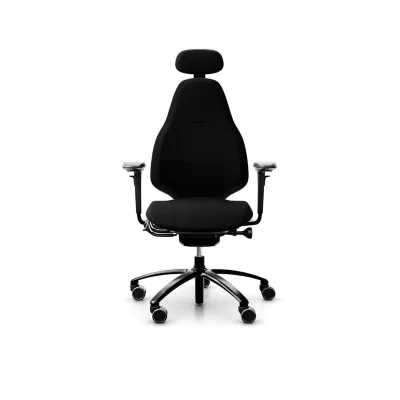
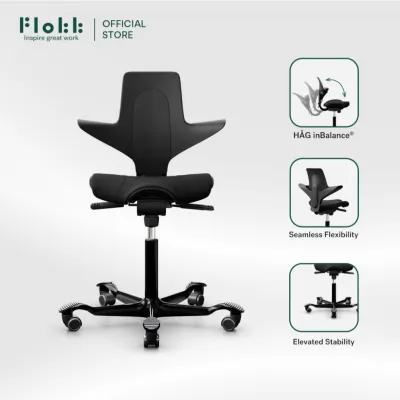
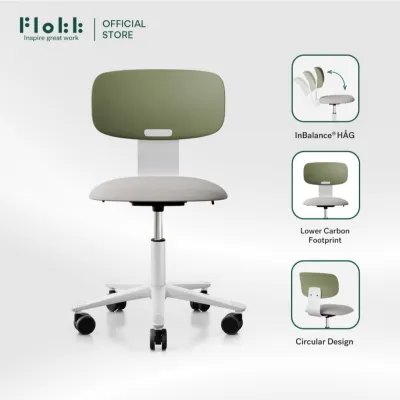
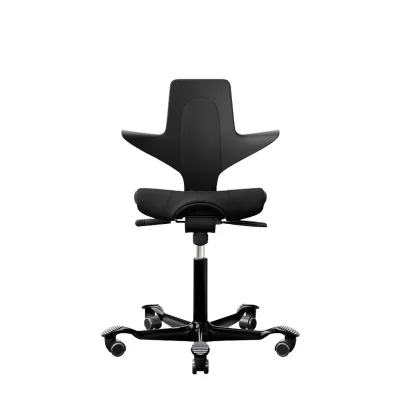
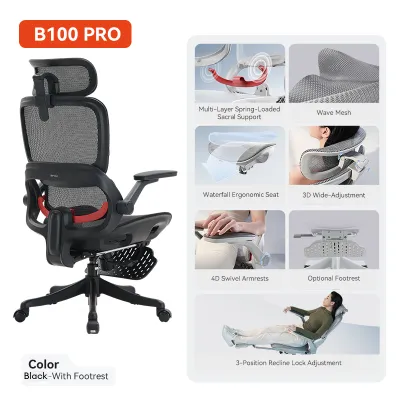
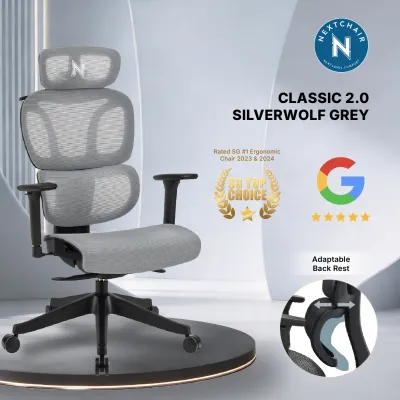
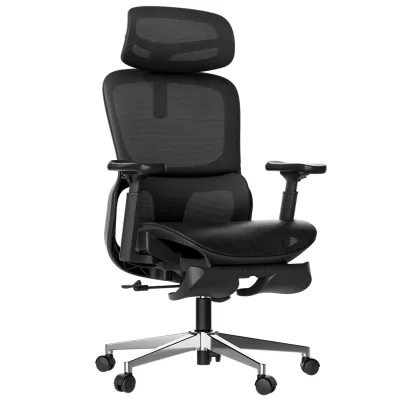
Prices are valid at publication and may change. Please refer to the product page for the latest price.

Conversely, traditional premium ergonomic brands typically employ sophisticated synchro-tilt mechanisms. In a synchro-tilt system, the backrest and the seat pan recline at a fixed ratio, usually 2:1 or 3:1. This means that as you lean back, the seat rises slightly while the backrest reclines further, keeping your torso open but your feet firmly planted. These brands often place a heavy emphasis on passive, highly customized lumbar support. They use adjustable tension bands, air-filled pads, or articulating spine supports designed to map the exact curvature of your lower back, keeping your pelvis locked in an optimal neutral position. This approach minimizes muscle fatigue by transferring the load of your upper body directly into the chair’s structure, making it highly effective for users who prefer a stable, cradled sitting experience.
When evaluating these competing philosophies, you should carefully analyze the adjustment specifications of the models you are considering. Do not rely on generic marketing claims; instead, obtain the manufacturer’s technical data sheets to compare the exact adjustment ranges. Key metrics to verify include the seat depth adjustment range (which should accommodate your thigh length without pressing against the back of your knees), the armrest adjustability (look for 4D armrests that adjust for height, width, depth, and angle to support your forearms during typing), and the tilt tension control. A wide adjustment range is essential if multiple family members of different heights and builds will share the chair in your home office.
Additionally, you must verify which ergonomic adjustments are standard and which are optional add-ons. Many premium manufacturers sell their chairs in modular configurations. Features such as adjustable headrests, independent forward-tilt locks, polished aluminum bases, and advanced lumbar depth adjusters are frequently sold as upgrades that can significantly increase the final purchase price. Before making a decision, confirm exactly what is included in the base configuration of the specific model you are tracking, and calculate the total cost of any necessary upgrades required to meet your physical comfort needs.
Home Office Aesthetics and Space Footprint
Integrating a high-performance office chair into a residential environment requires a careful balance of visual appeal and physical space management. In Singapore, where home offices are frequently set up in multi-functional spaces, spare bedrooms, or open-plan living areas, the visual footprint of your furniture is highly important. Traditional premium office chairs often carry a distinct corporate design language. They tend to feature large, imposing backrests, extensive black plastic shrouds, and heavy industrial metal components. While highly functional in a corporate headquarters, these designs can easily dominate a residential room, making the space feel cluttered and visually heavy.
Flokk addresses this challenge by applying Scandinavian design principles that prioritize simplicity, clean lines, and organic forms. Their chairs are designed to look like high-end residential furniture while still delivering professional-grade ergonomic support. Slim backrests, exposed aluminum frames, and a wide palette of contemporary fabric colors allow these chairs to blend into modern home interiors rather than standing out as pieces of office equipment. For instance, a minimalist saddle chair or a streamlined task chair with a low backrest can sit comfortably in the corner of a living room without disrupting the home’s overall design aesthetic.
Beyond visual appeal, you must consider the physical dimensions and spatial footprint of the chair. Before purchasing, measure your available floor space and the specific dimensions of your desk setup. Pay close attention to the diameter of the chair’s base, which typically ranges from 650mm to 730mm. A base that is too wide can collide with desk legs, storage pedestals, or nearby walls, restricting your movement. Furthermore, verify the under-desk clearance by measuring the height of your desk from the floor to the underside of the tabletop. You must ensure that the chair’s armrests can be lowered sufficiently to slide the chair completely under the desk when it is not in use, which is critical for keeping walkways clear in smaller rooms.
The height of the backrest also plays a dual role in comfort and spatial perception. High-back chairs provide excellent support for the upper thoracic region and neck, which is beneficial for long working sessions. However, they also create a significant visual barrier in a room. If your home office is situated in a tight space or a shared living area, a mid-back or low-back chair can help maintain open sightlines, making the room feel larger and more airy. Evaluate how the chair will look from all angles—especially from the back, as this is often the side visible when entering a room.
Material Care and Suitability for Singapore's Climate
Singapore’s tropical climate, characterized by high year-round temperatures and relative humidity levels that frequently exceed 80 percent, presents a demanding environment for office chair materials. The combination of heat and humidity accelerates the degradation of certain materials and can lead to issues like moisture retention, mold growth, and unpleasant odors if the chair is not properly maintained. When comparing premium brands, you should look past generic marketing buzzwords such as ‘sweat-proof’ or ‘all-weather’ and instead scrutinize the actual material compositions, textile specifications, and manufacturer-recommended care protocols.
Mesh is a highly popular material choice in tropical climates due to its exceptional breathability. High-quality elastomeric mesh allows air to circulate freely around your back and thighs, preventing the buildup of body heat and sweat during long working hours, even in rooms without continuous air conditioning. However, mesh is not entirely maintenance-free. The woven structure of mesh acts as a fine sieve, trapping dust, pet dander, and dead skin cells over time. To maintain hygiene and prevent the accumulation of allergens, you must regularly vacuum the mesh surfaces using a soft brush attachment. Additionally, verify that the mesh is woven tightly enough to prevent sagging over years of use, as loose mesh can compromise the chair’s ergonomic support.
Upholstered fabric chairs offer a softer, more cushioned seating experience and allow for a wider range of colors and textures to match your home decor. Many of Flokk’s chairs utilize premium wool or recycled polyester fabrics sourced from reputable European textile mills. While these fabrics are highly durable and comfortable, they can trap more body heat than mesh, which may feel warm if you work in a non-air-conditioned room. When choosing upholstered fabrics, check the manufacturer’s care instructions to see if the seat covers are removable and washable, or if they require specialized dry-cleaning solvents. Always ensure that any cleaned fabric surfaces are allowed to dry completely in a well-ventilated area before sitting on them, as residual moisture trapped in the foam cushion can quickly lead to mold and mildew.
Leather represents the luxury end of the material spectrum, but it requires the most intensive maintenance in a humid climate. In Singapore, leather chairs are best suited for rooms that are consistently climate-controlled with air conditioning. High humidity can cause leather to absorb excess moisture, making it susceptible to mold growth, while prolonged exposure to dry air conditioning can strip the natural oils from the leather, leading to stiffness and cracking. If you choose a leather chair, you must commit to regular maintenance, which includes wiping it down with a dry, lint-free microfiber cloth and applying a specialized leather conditioner every few months to preserve its suppleness. Never use harsh household detergents or solvents, as these can permanently damage the leather’s protective finish.
Evaluating Long-Term Value and Local Support
Investing in a premium ergonomic chair is a significant financial commitment, with prices in Singapore often ranging from S$1,000 to well over S$3,000 depending on the brand, model, and customization options. To evaluate the true long-term value of such an investment, you must look beyond the initial purchase price and carefully analyze the manufacturer’s warranty terms and the quality of local after-sales support. A high-quality chair should be viewed as a ten-year asset, and the level of support you receive during that decade is just as important as the physical comfort of the chair itself.
Begin by conducting a detailed review of the manufacturer’s warranty policy. Premium brands typically offer extensive warranties, often spanning 10 to 15 years, which reflects their confidence in the chair’s durability. However, these warranties are rarely uniform across the entire product. It is common for the structural frame and the main mechanism to be covered for the full duration, while moving parts like gas cylinders, armrest pads, castors, and upholstery fabrics may carry shorter coverage periods of 3 to 5 years. Furthermore, verify whether the warranty is valid for residential use, as some commercial-grade warranties contain clauses that limit coverage if the chair is used in a home environment. You should also check if the warranty is transferable should you decide to sell the chair in the future.
In Singapore, the presence of an authorized local dealer or official brand showroom is a critical factor in the ownership experience. A local representative ensures that your chair is delivered safely and assembled professionally by trained technicians, which is vital for complex ergonomic mechanisms that require precise setup. More importantly, if a component fails or requires adjustment during the warranty period, a local dealer can source genuine spare parts and dispatch a technician to your home to perform repairs. If you purchase a chair from an unauthorized parallel importer or an overseas online seller, you may find yourself responsible for high shipping costs and long wait times to send the chair back for repairs, or you may be unable to secure replacement parts at all.
Finally, keep in mind that pricing, stock availability, and delivery lead times are highly dynamic factors that are subject to change. Custom configurations—such as selecting a specific non-standard fabric color or upgrading to a polished metal base—often require the chair to be built to order in Europe and shipped to Singapore, which can result in lead times of 12 to 16 weeks. If you need a chair immediately, you may have to choose from standard, pre-configured models that the local dealer keeps in stock. Always contact the official showroom or authorized retailer directly to verify current pricing in SGD, check immediate stock levels, and confirm delivery schedules in writing before finalizing your purchase.
Decision Framework: Which Premium Chair Fits Your Setup?
To help you navigate the final stages of your decision-making process, use the following condition-based framework to determine which premium ergonomic chair aligns best with your physical needs, working style, and home environment.
Choose Flokk if:
- You want to encourage active sitting and prefer a chair that promotes continuous, subtle movement to keep your muscles engaged and improve circulation throughout the day.
- You enjoy changing your sitting posture frequently, including unconventional positions like sitting sideways, backwards, or in a semi-standing perch position.
- You want a minimalist, Scandinavian aesthetic with a slim visual profile and a wide selection of high-quality fabrics that blend naturally into a residential home interior.
- You have limited floor space and require a chair with a compact base and a streamlined backrest that does not dominate your room.
Choose other premium brands if:
- You require traditional, highly adjustable static support that cradles your body and holds your pelvis and spine in a highly stable, optimized position.
- You require highly pronounced, adjustable lumbar support that can be precisely positioned and tensioned to relieve specific lower back pressure.
- You prefer a classic, high-tech corporate office aesthetic with extensive mesh surfaces and robust industrial design features.
- You require specific corporate ergonomic certifications or are accustomed to the precise feel of standard task chairs used in corporate headquarters.
Verify first if:
- You are unsure about your posture needs or have pre-existing orthopedic conditions; in such cases, consult with a physical therapist or medical professional to understand whether dynamic movement or rigid static support is safer for your recovery.
- You are purchasing online without testing; always verify the retailer’s return policy, restocking fees, and whether they offer a home trial period.
- You share your workspace; ensure the chair's adjustment ranges can accommodate the heights and weights of all users in your household.
Remember that physical comfort is deeply subjective. While specifications and design philosophies provide an excellent starting point, your personal body mechanics will ultimately determine which chair feels right. Whenever possible, dedicate time to physically testing the chairs before making your final investment.
Frequently Asked Questions (FAQ)
Where can I test premium ergonomic chairs in Singapore?
To physically verify the comfort, build quality, and fit of a premium ergonomic chair, you should visit authorized brand showrooms or specialized high-end furniture retailers in Singapore. These showrooms are typically located in central business districts or design hubs, and they provide a dedicated space where you can experience the chairs firsthand. Before heading down, it is highly recommended to call the showroom or check their official website to confirm that the specific models and configurations you are interested in are currently assembled and available on the display floor for testing.
When you visit the showroom, do not simply sit in the chair for a few seconds. Plan to spend at least 15 to 20 minutes in each model. Adjust all the mechanisms—including the seat height, seat depth, armrests, and tilt tension—to match your body dimensions. If possible, bring your laptop or simulate your typical typing and writing postures to see how the chair supports your arms and shoulders during actual work. Pay close attention to how easy it is to reach and operate the adjustment levers while seated, and observe how the chair responds to your natural movements.
How do I maintain an office chair in a humid climate?
Maintaining an office chair in Singapore’s humid climate requires regular, low-risk cleaning steps to prevent the buildup of dust, sweat, and moisture. For mesh and fabric chairs, use a vacuum cleaner equipped with a soft brush attachment once a week to gently remove dust, pet hair, and skin cells from the weave. For hard plastic components, metal frames, and polyurethane armrest pads, wipe them down periodically with a slightly damp, lint-free microfiber cloth to remove body oils and dust, then immediately dry them with a separate dry cloth.
Before applying any cleaning agents, fabric protectors, or leather conditioners, you must always check the manufacturer’s care label and specific care instructions attached to the chair. Avoid using harsh household detergents, bleach, or abrasive chemical solvents, as these can degrade the materials, strip protective coatings, or void your warranty. After any damp cleaning, ensure the chair is allowed to dry completely in a well-ventilated room with good airflow before using it. Finally, position your chair away from windows that receive direct, prolonged sunlight, as UV rays can accelerate fabric fading, dry out leather, and weaken plastic components over time.

Community discussion
Share your experience or ask a question. Comments are reviewed before publication.