
Choosing the right Zinus mattress firmness requires matching your dominant sleep posture and body weight to the bed’s support layers. A proper match maintains spinal alignment and prevents morning aches, while a mismatch can lead to pressure point pain or inadequate support. This guide helps you diagnose your physical needs and interpret product specifications to select the most suitable option before purchasing.
In Singapore’s warm and humid tropical climate, mattress materials also interact with body heat, which can subtly alter how firm a foam layer feels overnight. Ensuring you choose the right support level is crucial for long-term comfort, especially when navigating typical local bedroom layouts and delivery constraints like HDB lift dimensions. By evaluating your physical profile and checking the specific material layers of your chosen model, you can select a mattress that prevents morning stiffness and matches your comfort preferences.
Assess Your Primary Sleeping Position and Support Needs
Your dominant sleeping posture is the most critical factor in determining how a mattress should support your body. Because different positions place pressure on different areas, a single firmness level cannot support every sleeper in the same way.
Products mentioned in this guide
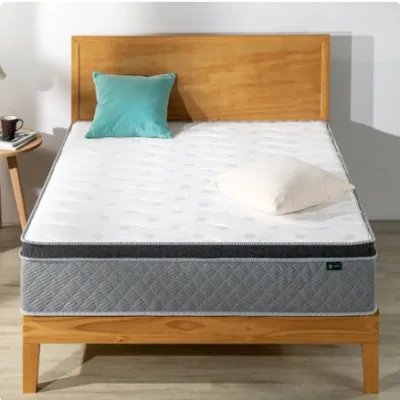
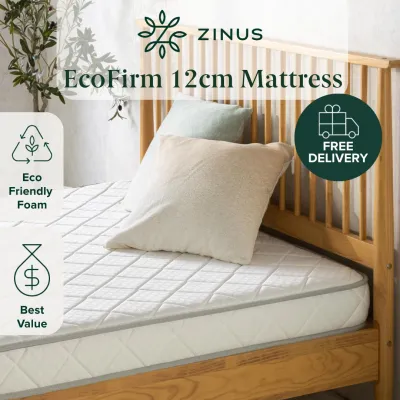

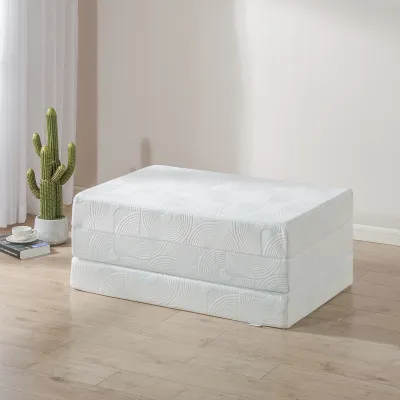

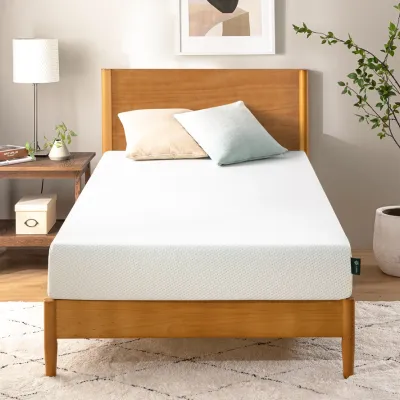
Prices are valid at publication and may change. Please refer to the product page for the latest price.
Side sleepers require a mattress that offers sufficient contouring to cushion the shoulders and hips. These areas protrude the most when lying on your side, creating high-pressure zones that can restrict circulation. A soft to medium-firm mattress allows these pressure points to sink in just enough to keep the spine horizontally aligned.
Back sleepers need a balanced surface that supports the natural curve of the lower spine. If a mattress is too soft, the pelvis sinks too deeply, straining the lumbar muscles. If it is too firm, the mattress fails to fill the gap under the lower back. A medium to medium-firm mattress typically provides the ideal blend of support and cushioning.
Stomach sleepers require a firmer sleeping surface to prevent their midsection from sinking. When the pelvis sinks too deep into a soft mattress, it exaggerates the arch of the lower back, leading to chronic lumbar strain. A firm mattress keeps the hips level with the shoulders, maintaining a neutral spinal alignment.
Combination sleepers, who shift between multiple positions, need a responsive mattress that facilitates easy movement. A mattress that is too soft can create a “sinking” sensation that makes turning over difficult. A medium-firm hybrid mattress often works best, offering enough surface bounce to support quick transitions.
Factor in Your Body Weight and Pressure Points
Your body weight directly influences how deeply you sink into a mattress, which alters how firm the bed actually feels to you. A mattress rated as “medium” might feel incredibly firm to a lighter individual and overly soft to a heavier sleeper.

Lighter individuals, typically weighing under 60 kg, exert less downward force on the mattress structure. On a firm mattress, they may not sink deep enough to engage the comfort layers, leading to pressure points on their shoulders and hips. For these sleepers, softer to medium models are usually necessary to achieve adequate contouring.
Average-weight individuals, falling between 60 kg and 80 kg, generally find that medium to medium-firm mattresses offer the most balanced feel. These models provide enough surface give to cushion joints while relying on denser transition layers to prevent the body from bottoming out against the support core.
Heavier individuals, weighing over 80 kg, require firmer support and higher-density materials to maintain proper spinal alignment. Excessive sinkage can cause the heavier parts of the body, like the hips, to drop below the shoulders, leading to back pain. For these sleepers, hybrid mattresses with robust pocketed coils or high-density support foams are highly recommended.
In Singapore’s humid climate, memory foam can soften slightly as it absorbs ambient warmth and body heat. Heavier sleepers should factor in this environmental variable, as a foam mattress that feels supportive in an air-conditioned showroom might feel noticeably softer during a humid night.
Decoding Zinus Product Specifications and Firmness Labels
To find the right match, you must look beyond basic marketing terms and analyze the technical specifications of each Zinus model. Understanding how different materials and thicknesses interact will help you make an informed decision.
Start by checking the official firmness indicators and comfort descriptions on the product page. Zinus typically rates its mattresses on a scale from plush to firm, or uses a numerical scale where higher numbers indicate a firmer feel. Keep in mind that these ratings are subjective guidelines rather than absolute standards.
Next, examine the internal construction, paying close attention to foam density and the presence of coils. Memory foam mattresses excel at body contouring and pressure relief, but they tend to retain more heat. Hybrid models combine foam comfort layers with an underlayer of pocketed steel coils, which generally provides a firmer, more responsive feel and superior airflow.
Finally, verify the total mattress thickness and the distribution of its layers. A thicker mattress does not automatically mean a softer bed; a 30 cm mattress can be exceptionally firm if it features a thick, high-density support core. Ensure the finished dimensions match your existing bed frame and that your home’s entryways, corridors, and lift access can accommodate the delivery box.
Refining Your Choice for Couples and Edge Usage
When sharing a bed, you must consider how the mattress handles motion transfer and edge support, as these factors directly impact sleep quality for both partners.
Motion isolation is crucial for preventing partner disturbance. All-foam Zinus mattresses are highly effective at absorbing movement, meaning you are unlikely to feel your partner tossing and turning. Hybrid models also offer good motion isolation because their pocketed coils move independently, though they retain a bit more surface bounce than pure foam.
Edge support is another important consideration, especially if you sleep near the perimeter or sit on the edge of the bed daily. Hybrid models generally offer superior edge support compared to all-foam models, as they often feature reinforced outer coils that prevent the feeling of rolling off the bed.
If you and your partner have vastly different weight profiles or preferred sleeping positions, a standard mattress may require an uncomfortable compromise. In such cases, consider a split setup using two separate single mattresses on a unified frame, allowing each person to select their ideal firmness level.
Testing and Adjusting: What to Do If the Feel Is Wrong
Even with careful planning, a new mattress can feel different than expected once it is set up in your bedroom. Knowing how to handle the initial adjustment period can save you from unnecessary returns.
Allow your new mattress to decompress fully after unboxing. Compressed foam mattresses typically require 48 to 72 hours to expand to their correct dimensions and reach their intended firmness level. Additionally, your body needs up to four weeks to adapt to a new support structure, so initial mild discomfort is common.
Before making a purchase, carefully review the return, exchange, and trial policies of your retailer or online marketplace. Keep all original receipts and delivery documents, and check if there are specific terms, such as keeping the mattress clean or paying a collection fee, to qualify for a return.
If the mattress feels slightly too firm, you can adjust the surface feel by adding a plush mattress topper. A memory foam or latex topper can provide immediate pressure relief without compromising the underlying support of the mattress. Conversely, a firm topper can add surface tension to a bed that feels slightly too soft.
If you experience persistent, worsening, or severe back and joint pain that does not improve after the adjustment period, stop using the mattress. Consult a healthcare professional to evaluate your sleeping posture and ensure your bed setup is safe for your spine.
Frequently Asked Questions (FAQ)
Can I change the firmness of my Zinus mattress after purchase?
You cannot alter the internal foam layers or coil systems of a Zinus mattress once it has been manufactured. However, you can modify the surface feel by using a separate mattress topper. A soft topper can cushion a mattress that feels too firm, while a firm topper can add surface tension to a mattress that feels too soft. Always ensure that any adjustments or bed bases you use comply with the manufacturer’s warranty guidelines to avoid voiding your coverage.
Does a thicker Zinus mattress always mean it is softer?
No, mattress thickness does not directly correlate with firmness. The overall height of a mattress is determined by the combined thickness of its comfort, transition, and support layers. A thick mattress can be designed to be exceptionally firm if it utilizes high-density support foams or heavy-gauge coil systems. To determine the actual feel, you must check the manufacturer’s specific firmness rating and the material composition of each layer rather than relying on the physical height of the bed.

Community discussion
Share your experience or ask a question. Comments are reviewed before publication.