
Selecting the right mattress firmness is the most critical decision you will make for your sleep quality and physical health. For Zinus mattresses, which range from plush memory foams to supportive pocket-spring hybrids, the ideal firmness is not a universal standard but a highly personal calculation. To find the correct level, you must evaluate how your primary sleeping position and body weight interact with the mattress’s comfort and support layers. Making the wrong choice can lead to chronic morning aches, while the right selection ensures your spine remains in neutral alignment throughout the night.
In Singapore’s warm, humid climate and unique high-rise housing landscape, this decision also requires practical considerations. You must balance the physical feel of the mattress with material breathability and logistical constraints, such as navigating tight HDB lifts and narrow corridors during delivery. By systematically assessing your sleep habits and decoding the manufacturer’s technical specifications, you can confidently choose a model that supports your body and fits your home.
Assess Your Primary Sleeping Position
Your dominant sleeping posture determines where your body exerts the most pressure on the mattress surface. To prevent morning stiffness, the mattress must contour to your body’s natural curves while providing enough resistance to keep your spine straight.
Products mentioned in this guide
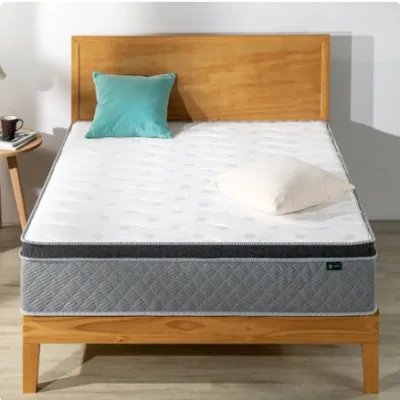
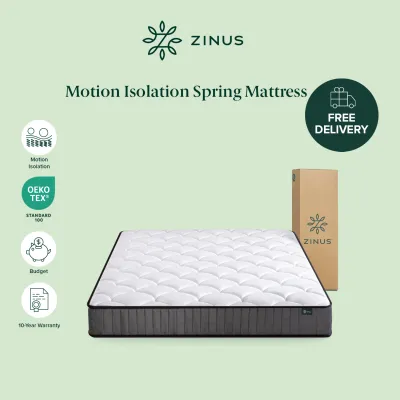
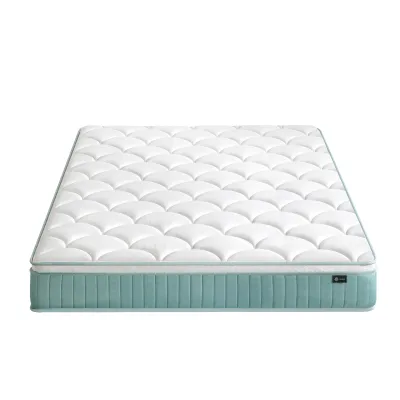
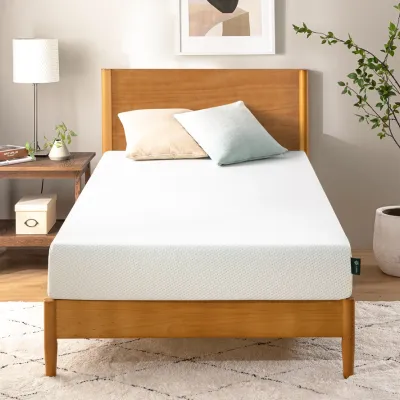
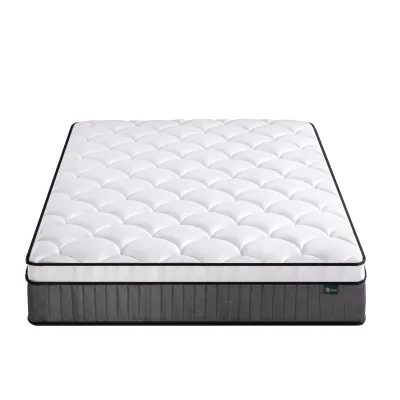
Prices are valid at publication and may change. Please refer to the product page for the latest price.
Side sleepers require a surface that offers significant pressure relief at the shoulders and hips. Because these are the widest parts of the body, they sink deepest into the bed. If a mattress is too firm, it creates painful pressure points, cuts off circulation, and forces the spine to curve downward. Generally, side sleepers benefit from plush to medium-firm options that feature thick memory foam comfort layers to cushion these joint areas.
Back sleepers need a balanced surface that supports the natural curve of the spine. If the mattress is too soft, the pelvis sinks too deep, flattening the lumbar curve. If it is too firm, the mattress cannot contour to the lower back, leaving a gap that forces the back muscles to work overtime. A medium to medium-firm mattress typically provides the ideal blend of surface contouring and deep structural support for back sleeping.
Stomach sleepers face the greatest risk of spinal misalignment. Sleeping on the stomach naturally coaxes the lower back into an exaggerated arch. If the mattress is too soft, the heavy midsection sinks deeply into the comfort layers, exacerbating this arch and straining the lumbar muscles and ligaments. Stomach sleepers require a firm surface that keeps the hips and shoulders on a relatively level plane.
Combination sleepers, who rotate through multiple positions during the night, should prioritize the posture they spend the most time in. If you split your time evenly, a versatile medium-firm hybrid mattress is often the most practical compromise. This feel provides enough surface bounce to make turning easy while offering a balanced level of support and pressure relief for various positions.
Factor in Your Body Weight and Type
Your body weight directly influences how deeply you compress the mattress materials, which alters how firm the bed actually feels to you. A mattress rated as “medium” by the manufacturer may feel incredibly firm to a lighter individual and overly soft to a heavier person.

Lighter individuals, typically weighing under 60 kg, exert less downward force on the mattress. Because they do not compress the deeper support layers, they rely almost entirely on the top comfort layers for pressure relief. On a firm mattress, a lighter sleeper may feel as though they are resting on a hard board, leading to shoulder and hip discomfort. For these individuals, plush or medium options are generally necessary to achieve adequate contouring.
Average-weight individuals, between 60 kg and 90 kg, typically experience a feel closest to the manufacturer’s stated firmness rating. They compress the comfort layers sufficiently to experience pressure relief while still receiving support from the core layers beneath.
Heavier individuals, weighing over 90 kg, require a mattress that can withstand greater downward pressure without bottoming out. Soft mattresses often cause heavier sleepers to sink too deeply, leading to a “hammocking” effect that misaligns the spine. To prevent this, heavier individuals should look for firmer models, particularly those featuring high-density foam base layers or robust pocketed coils. These structural elements provide the necessary pushback to keep the body level.
Before purchasing, always check the manufacturer’s official product documentation or labels for weight limits and load capacities. This ensures the internal structure of the mattress is engineered to support your body type over years of continuous use.
Decode Zinus Firmness Options and Specifications
When browsing Zinus collections, it is essential to translate general marketing terms like “plush,” “medium,” and “firm” into verifiable physical specifications. Firmness is subjective, but material density and layer thickness are objective measurements of how a mattress will perform.
Start by examining the thickness and composition of the top comfort layers compared to the base support core. A mattress with a thick, multi-inch layer of low-density memory foam on top will offer a deep, body-hugging sink, characteristic of a plush feel. Conversely, a hybrid model with a thin foam comfort layer over a thick pocket-spring foundation will offer a more responsive, firmer feel with immediate pushback.
The material of the quilted cover also plays a significant role in your initial perception of firmness and comfort. Some covers feature integrated foam quilting that adds immediate surface softness, while others use tight, flat-woven fabrics that feel more taut. In Singapore’s warm and humid climate, the cover material is also crucial for temperature regulation. Look for breathable fabrics like jacquard or covers infused with cooling gel, which help dissipate body heat.
Rather than relying on subjective third-party review scores, which are highly influenced by individual body types and personal preferences, focus on official product specifications. Look at the exact measurements of each foam layer and the gauge of the steel coils in hybrid models to gauge the actual structural support and durability of the mattress.
Test and Verify Before You Commit
Choosing a mattress is a long-term investment, making pre-purchase verification essential. Whenever possible, visit physical showrooms, official brand stores, or authorized retail partners in Singapore to test the mattresses in person. Spend at least 10 to 15 minutes lying on your preferred model in your primary sleeping position to get an accurate sense of how your body interacts with the materials.
Logistical compatibility is another critical factor, especially in Singapore’s high-density housing. Before ordering, measure your bedroom space, doorways, corridors, and lift dimensions. While Zinus mattresses are delivered compressed in a compact box, you must ensure that the boxed dimensions can safely clear your building’s lift doors and any tight stairwells leading to your apartment. Once unboxed, the mattress will expand to its full, rigid size, making it much harder to maneuver through tight spaces.
Additionally, verify your bed frame compatibility. Zinus mattresses require a supportive, flat foundation to prevent sagging and preserve the manufacturer’s warranty. Check the spacing of your bed frame’s slats; standard guidelines typically require slats to be no more than 7.5 cm apart, with a sturdy center support leg for Queen and King sizes. Placing a high-quality mattress on an unsupportive or sagging frame will compromise its firmness and support.
Finally, carefully review the specific terms of the sleep trial, return policies, and warranty conditions. Ensure you understand the process for returns, including any potential collection fees or packaging requirements, should the firmness level not meet your expectations after a few weeks of home testing.
Frequently Asked Questions (FAQ)
Can I change the firmness of my Zinus mattress after buying it?
If your mattress feels slightly too firm after the initial break-in period, you can adjust the surface feel by adding a compatible mattress topper. A plush memory foam or latex topper can provide the extra cushioning and pressure relief your shoulders and hips need without requiring you to replace the entire mattress. However, making a soft mattress feel firmer is significantly more difficult. Adding a firm topper or placing a solid board beneath the mattress offers very limited success and can restrict essential airflow, leading to heat retention and potential mold growth in humid climates. Always check your warranty terms before making any structural modifications or using non-breathable foundations.
Does a firmer Zinus mattress always mean better back support?
No, a firmer mattress does not automatically translate to better back support. Support refers to the mattress’s ability to keep your spine in a neutral alignment, whereas firmness is simply the initial feel of the surface. If a mattress is too firm for your body weight and sleeping position, it will fail to contour to your body, leaving your lower back unsupported and creating painful pressure points at your shoulders and hips. This lack of contouring forces your muscles to remain tense throughout the night to support your spine, resulting in back pain. Proper support is achieved only when the firmness level matches your specific body weight and sleep posture, allowing the mattress to support your spine while cushioning your joints.

Community discussion
Share your experience or ask a question. Comments are reviewed before publication.