
Selecting the right Haima mattress (海马牌床垫) firmness is a critical decision that directly impacts your sleep quality, spinal health, and daily comfort. Because Haima mattresses are traditionally recognized for their robust, high-density foam cores and firm support profiles, finding the correct balance requires a clear understanding of your personal sleep ergonomics. Your ideal firmness level is not a universal standard; rather, it is a dynamic relationship between your primary sleeping posture and your body weight.
By taking a systematic approach to evaluating your sleep habits, you can avoid the common pitfalls of buying a mattress that is either too rigid or too soft. This guide provides a practical framework to help you assess your physical needs, interpret mattress specifications, and verify your choice so that your investment supports healthy, restorative sleep.
Identify Your Dominant Sleeping Position
Your primary sleeping posture determines how your body weight is distributed across the mattress surface and where you require the most pressure relief. Side sleepers, for example, concentrate most of their body weight on narrow contact points, specifically the shoulders and the hips. To prevent joint pain and maintain a straight spinal alignment, side sleepers generally require a mattress with sufficient contouring. A surface that is too firm will fail to cushion these protruding areas, leading to poor blood circulation, tossing and turning, and morning stiffness.
Products mentioned in this guide

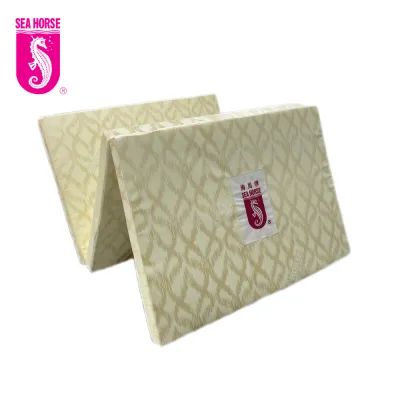
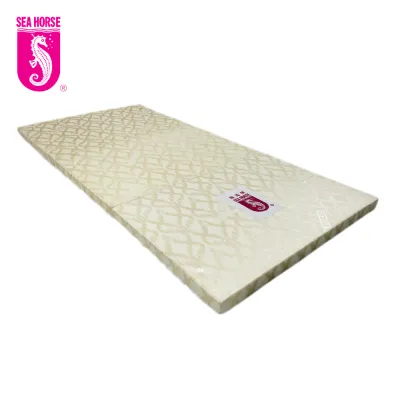
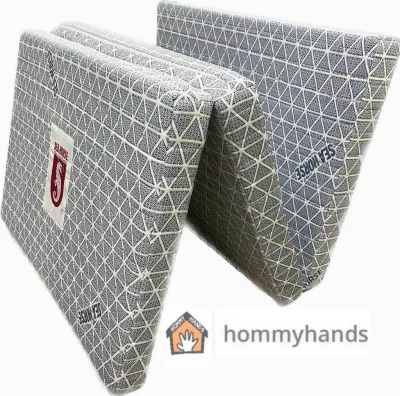
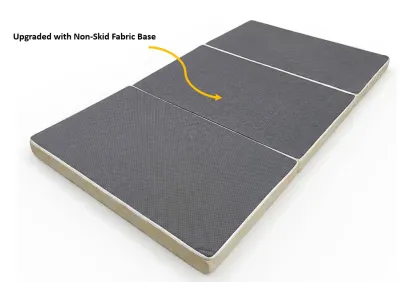
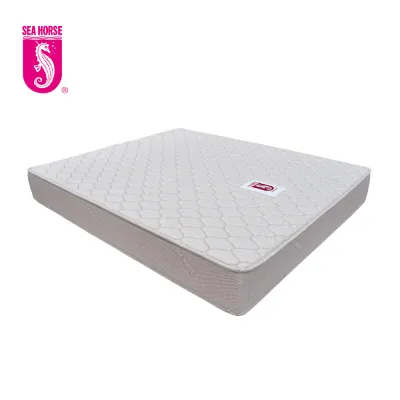
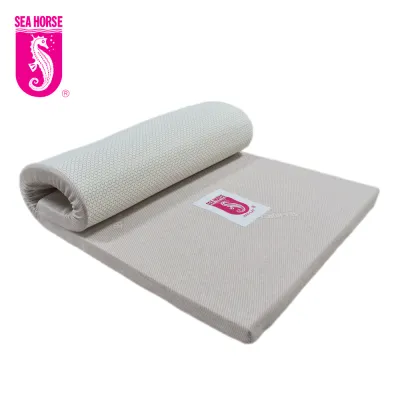
Prices are valid at publication and may change. Please refer to the product page for the latest price.
Back sleepers require a more balanced combination of support and pressure relief. The mattress must conform slightly to support the natural S-curve of the spine, particularly around the lower lumbar region, while remaining firm enough to keep the hips from sinking. If the mattress is too soft, the pelvis drops too low, distorting the spine’s natural alignment; if it is too firm, the lower back is left unsupported, creating muscle tension.
Stomach sleepers need a consistently firm sleeping surface to keep their body in a neutral, flat plane. When sleeping on the stomach, the heaviest part of the body—the pelvis and abdomen—tends to sink deepest into the mattress. If the support core is too soft, this sinkage arches the lower back unnaturally, placing severe strain on the lumbar spine and neck. A firmer mattress prevents this excessive sinkage, keeping the spine properly aligned throughout the night.
Combination sleepers, who frequently rotate between different positions during the night, must look for a responsive, medium-firm compromise. The mattress needs to be soft enough to cushion the shoulders when side sleeping, yet supportive enough to prevent the hips from sinking when rolling onto the back or stomach. A responsive core allows for effortless movement, ensuring that changing positions does not disrupt your sleep cycle.
Adjust Firmness Expectations Based on Body Weight
Your body weight directly influences how deeply you compress a mattress, which fundamentally alters how firm or soft the bed feels to you. Lightweight individuals, typically weighing under 60 kg, exert relatively little downward force on the mattress surface. Consequently, standard firm mattresses can feel exceptionally hard, as these sleepers do not compress the comfort layers enough to experience any contouring or pressure relief. For lightweight sleepers, a mattress with a softer comfort layer is often necessary to prevent pressure points.

Average-weight individuals, falling between 60 kg and 80 kg, generally find that standard medium to medium-firm mattresses align well with their expectations. In this weight range, the body exerts enough force to compress the upper comfort layers for pressure relief while remaining fully supported by the underlying core. This balanced interaction allows average-weight sleepers to experience the mattress’s intended ergonomic design.
Heavyweight individuals, weighing over 80 kg, compress mattress materials much more deeply. A mattress that feels medium-firm to an average-weight person may feel soft and unsupportive to a heavier sleeper. To prevent bottoming out and to maintain healthy spinal alignment, heavier individuals require a mattress with a high-density foam core or a robust, thick-gauge spring system. This extra structural support prevents excessive sinkage and ensures the mattress retains its shape and supportive qualities over time.
Evaluate Haima Mattress Specifications and Labels
To make an informed decision, you must look beyond subjective marketing terms and carefully evaluate the physical specifications of the mattress. When browsing Haima mattresses, cross-reference the advertised firmness levels with the actual materials used in the core. For foam models, check the density specifications, as higher-density foams offer more substantial support and greater resistance to sagging. For spring-based models, inquire about the spring type and wire gauge, as thicker coils provide a firmer, more durable foundation.
Always check the manufacturer’s stated weight capacity and structural limits before purchasing. A mattress designed for lighter use may degrade rapidly if subjected to heavier loads, leading to premature sagging and a loss of support. Verifying these structural limits ensures that the mattress is engineered to withstand your specific physical profile over its intended lifespan.
Additionally, precise physical dimensions must be verified to ensure compatibility with your existing bedroom setup. Measure your bed frame’s inner dimensions carefully, keeping in mind that standard mattress sizes can vary slightly. Consider the overall thickness of the mattress as well; a very thick mattress may require deep-pocket sheets and can significantly alter the height of your bed, affecting how easily you get in and out of bed. Finally, ensure that your home’s doorways, hallways, and lift access can accommodate the delivery of a solid, non-bendable mattress.
Test and Verify Your Choice Before Purchase
Physical verification is the most reliable way to confirm that a mattress firmness level is suitable for your body. When testing a mattress in a showroom, recreate your actual sleeping conditions as closely as possible. Lie down in your dominant sleeping position for at least 10 to 15 minutes rather than just sitting on the edge or lying down for a few seconds. Focus on how your muscles feel; if you feel tension in your lower back or pressure on your shoulders, the firmness level is likely incorrect.
Before finalizing your purchase, carefully review the retailer’s sleep trial terms, return conditions, and warranty policies. Understand the specific criteria required to trigger a warranty claim, such as the exact depth of permanent indentation that constitutes a structural defect. Be sure to check if there are any associated return fees, restocking charges, or delivery fees in S$ that you would be responsible for if you decide to exchange the mattress.
While finding the right mattress firmness can significantly improve sleep comfort, it is important to recognize the limits of self-diagnosis. If you suffer from chronic back, neck, or joint pain, a new mattress may not fully resolve the issue. In such cases, consult a qualified healthcare professional or physiotherapist to address any underlying medical conditions and obtain personalized ergonomic recommendations.
Frequently Asked Questions (FAQ)
Can a mattress topper adjust the firmness of my current Haima mattress?
A mattress topper is an effective tool for adding plushness or minor pressure relief to a mattress that feels too firm. However, a topper cannot fix a mattress that is already sagging or structurally compromised at its core. If the underlying mattress has lost its supportive capacity, any topper placed on top of it will simply sink into the existing depressions, failing to provide proper spinal alignment. Additionally, review your mattress warranty before adding a third-party topper, as some manufacturers have specific guidelines regarding modifications.
What physical signs indicate my current mattress firmness is wrong for me?
Waking up with persistent stiffness, localized lower back pain, or numbness in your limbs is a strong indicator that your mattress firmness is mismatched to your body. If you feel like you are sleeping on a rigid, unyielding surface that causes shoulder or hip pain, the mattress is too firm. Conversely, if you feel like you are sinking into a hammock and struggle to turn over, the mattress is too soft. While a new mattress requires a brief adjustment period, ongoing discomfort indicates a need for a different firmness level.

Community discussion
Share your experience or ask a question. Comments are reviewed before publication.