
Finding the right foam mattress firmness requires balancing your primary sleeping position with your body weight to keep your spine in neutral alignment. While a mattress that is too soft can cause your hips to sink and strain your lower back, one that is too firm can create painful pressure points at your shoulders and hips. By understanding how your body interacts with different foam layers, you can select a mattress foam profile that offers the perfect blend of surface cushioning and deep structural support.
In warm and humid climates, choosing the correct foam mattress involves additional considerations. High ambient temperatures can cause certain temperature-sensitive materials, like traditional memory foam, to soften more than they would in cooler environments. This means a mattress that feels perfectly supportive in an air-conditioned showroom might feel noticeably softer in a naturally ventilated bedroom. Understanding the mechanics of foam construction will help you make an informed decision that remains comfortable year-round.
Understanding Foam Mattress Firmness Scales
Firmness is a measure of how soft or hard a mattress feels when you first lie down on it. Most manufacturers use a standard scale from 1 to 10, where 1 represents an incredibly soft, cloud-like surface and 10 represents a surface as rigid as a wooden floor. However, because there is no universal industry standard, a “medium” rating from one brand might feel like a “medium-firm” from another.
Products mentioned in this guide
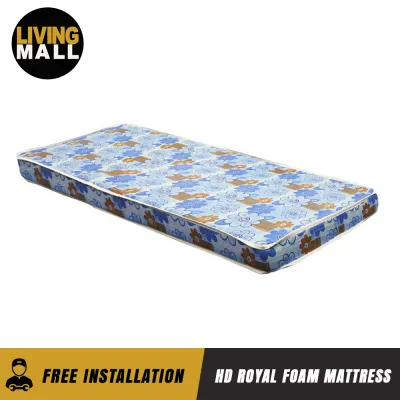
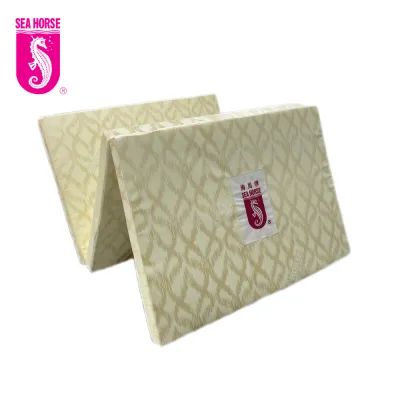
![[Free Delivery] Single Trifold Mattress | High Density Foldable Foam Bed | Anti-Dust Mite & Portable | 3-Fold Guest Mattress](https://img.lazcdn.com/g/ff/kf/S09dd49037c95488698cc941cdbc032a4U.jpg_400x400q80.jpg_.webp)


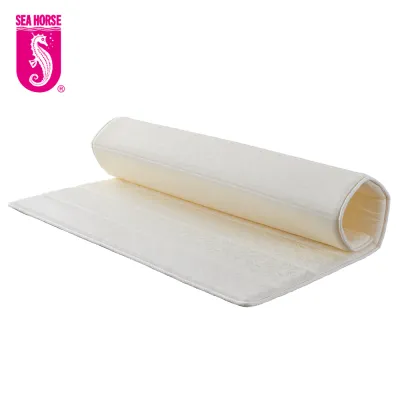
Prices are valid at publication and may change. Please refer to the product page for the latest price.
To make an accurate assessment, it is helpful to distinguish between the comfort layer and the support core. The comfort layer consists of the top few inches of foam, designed to contour to your body shape, absorb motion, and relieve pressure on sensitive joints. The support core, usually made of high-density polyfoam, lies beneath the comfort layers and is responsible for keeping your spine aligned and preventing your body from sinking too deeply.
Many shoppers confuse foam density with firmness, but they are entirely different specifications. Density refers to the weight of the foam per cubic meter, which directly impacts the material’s durability, contouring ability, and cost. A high-density foam can be engineered to feel incredibly plush, while a low-density foam can feel stiff and unyielding. When evaluating a mattress foam, look for high-density materials in the support core to ensure long-term structural integrity, regardless of whether you prefer a soft or firm surface feel.
Matching Firmness to Your Sleeping Position
Your dominant sleeping position determines where your body exerts the most pressure on the mattress surface. To maintain a neutral spinal alignment—where your ears, shoulders, hips, and ankles align horizontally—different sleeping postures require distinct levels of foam resistance.

Side sleepers typically require a medium-soft to medium mattress, generally falling between 4 and 6 on the firmness scale. When you sleep on your side, your shoulders and hips protrude deeply into the bed, bearing the majority of your body weight. If the foam is too firm, these areas will experience high pressure, leading to numbness, tossing and turning, and poor circulation. A softer foam comfort layer allows these wider points to sink sufficiently, cradling the body while keeping the spine straight.
Back sleepers need a balanced surface that offers both contouring and stable support, usually finding their match in the medium to medium-firm range (5 to 7). The primary goal for back sleeping is to support the natural curve of the lower lumbar spine. If the mattress foam is too soft, the pelvis will sink too deeply, flattening the spinal curve and causing muscle tension. Conversely, an overly firm mattress will leave a gap under the lower back, forcing the muscles to work overtime to support the spine throughout the night.
Stomach sleepers require a medium-firm to firm mattress, typically ranging from 7 to 8. Sleeping on your stomach is highly prone to causing neck and back strain if the mattress does not provide adequate resistance. When a stomach sleeper rests on a soft foam surface, the heavy midsection sinks deep into the bed, arching the spine backward into an unnatural position. A firmer foam surface keeps the hips elevated and level with the shoulders, reducing strain on the lower back.
Combination sleepers, who rotate through multiple positions during the night, benefit most from a responsive medium mattress (5 to 6). If a foam mattress is too soft or slow to respond, combination sleepers may feel “stuck” in a groove, making it difficult to turn over and disrupting their sleep cycle. A medium-firm foam with a quicker response time, such as latex-alternative foam or open-cell polyfoam, allows for effortless movement while providing a versatile balance of pressure relief and support.
Adjusting for Body Weight and Pain Points
While sleeping position provides a solid starting point, your body weight is the primary force that compresses the foam layers. The same foam mattress will feel completely different to individuals of different body masses, making it essential to adjust your firmness choice accordingly.
Lightweight sleepers, typically defined as those weighing under 60 kilograms, exert less force on the mattress. Because they do not compress the foam layers deeply, standard medium mattresses can feel surprisingly firm to them. Lighter individuals often need to choose a mattress that is one step softer than the standard recommendation for their sleeping position to ensure they receive adequate pressure relief and contouring.
Heavier sleepers, generally those weighing over 90 kilograms, compress foam much more intensely. They risk sinking straight through the soft comfort layers and bottoming out against the hard support core, which can cause severe pressure points and spinal misalignment. To counter this, heavier individuals should opt for firmer mattresses with thicker, high-density support cores. Hybrid foam models, which combine supportive pocketed coils with durable foam comfort layers, are also excellent for providing the necessary upward resistance.
Physical pain points should also guide your final firmness decision. If you suffer from chronic joint pain or arthritis, a slightly softer, highly contouring memory foam can help distribute your body weight evenly and reduce pressure on sensitive areas. If you experience chronic lower back pain, the issue is often a lack of support rather than a lack of cushioning. In this case, a firmer mattress foam that prevents the hips from sagging is usually the key to waking up pain-free.
Before finalizing your purchase, always check the manufacturer’s maximum weight capacity and structural specifications. Choosing a mattress designed to support your specific weight category ensures that the foam will perform as intended and will not degrade prematurely under daily use.
How to Test and Verify Before You Buy
Buying a mattress is a significant investment, and relying solely on online descriptions can lead to buyer’s remorse. Taking a systematic approach to testing and verifying the mattress specifications will help ensure you get the right fit.
When testing a foam mattress in a showroom, avoid the common mistake of simply sitting on the edge or pressing your hand into the surface. Instead, lie down in your preferred sleeping position for at least 10 to 15 minutes. Allow your body to settle and let the foam respond to your body heat. Pay close attention to whether you feel any tension in your lower back or excessive pressure on your shoulders and hips.
Because a brief showroom test cannot fully replicate the experience of sleeping on a mattress night after night, prioritize brands that offer a home sleep trial. A proper trial period should last at least 30 to 100 nights, giving your body sufficient time to adjust to the new support structure. Be sure to read the fine print regarding return conditions, checking whether you will be responsible for any return transport fees or restocking charges, which are typically processed in S$.
Finally, take a close look at the technical specifications of the mattress layers. Check the thickness of each foam layer and the materials used. A high-quality foam mattress should have a clear breakdown of its construction, showing a balance between plush comfort layers and a robust, high-density support base. If a manufacturer is vague about the density or composition of their foam, it is best to proceed with caution.
Frequently Asked Questions (FAQ)
Can I change the firmness of my existing foam mattress?
Yes, you can alter the surface feel of your current bed by using a mattress topper. If your mattress feels too firm, adding a plush memory foam or latex topper can provide the contouring and pressure relief you need. If your mattress is slightly too soft, a firm topper made of high-density foam can add a layer of surface stability. However, keep in mind that a topper cannot fix a mattress that is already sagging or has a worn-out support core. If the underlying structure has failed, a topper will simply sink into the existing depression, and the mattress must be replaced.
Does a firmer foam mattress always last longer?
No, firmness is not a reliable indicator of a mattress’s lifespan. The durability of a foam mattress is determined by the density and quality of the materials used, not how hard or soft it feels to the touch. A high-density soft foam mattress can maintain its shape and support for many years, while a low-density firm foam mattress may quickly develop permanent body indentations and sag. To ensure your mattress lasts, focus on checking the foam density specifications and the manufacturer’s warranty terms rather than assuming a firmer feel guarantees a longer life.

Community discussion
Share your experience or ask a question. Comments are reviewed before publication.