
When furnishing an HDB flat in Singapore, purchasing a wardrobe with installation is one of the most practical decisions you can make to optimize limited bedroom space. Instead of navigating complex flat-pack instructions or risking structural misalignment, choosing a retailer that bundles professional assembly ensures the unit is safely anchored and perfectly leveled. To find the right brand, homeowners must look beyond aesthetics and evaluate specific service terms, delivery constraints, and structural compatibility with typical HDB layouts.
Navigating the buying process requires a clear understanding of what professional installation actually entails. Many buyers assume that delivery automatically includes assembly, only to find boxes left in their living room. By focusing on service verification, precise spatial planning, and material suitability, you can secure a wardrobe that fits your bedroom seamlessly while avoiding unexpected surcharges or installation delays.
Understanding HDB Bedroom Dimensions and Space Constraints
HDB flats, especially newer Build-To-Order (BTO) units, have highly standardized but compact bedroom layouts. Before browsing wardrobe catalogs, precise measurements are essential. Measure the wall-to-wall distance at three different heights—floor, middle, and ceiling—because concrete walls in high-rise buildings are rarely perfectly plumb. A variance of even a few millimeters can prevent a pre-assembled or modular wardrobe from fitting into a designated niche.
Products mentioned in this guide
![[SG Seller] Twentyone 4FT Solid Plywood Sliding Door Wardrobe (Free Installation)](https://img.lazcdn.com/g/p/743fa061091c384b82c548955c5b4d54.jpg_400x400q80.jpg_.webp)
![[SG Seller] Twentyone Solid Plywood Sliding Door Wardrobe (5FT /6FT Available + Free Installation)](https://img.lazcdn.com/g/p/0be92a77a8a20d41ff3f03b707c28fa0.jpg_400x400q80.jpg_.webp)
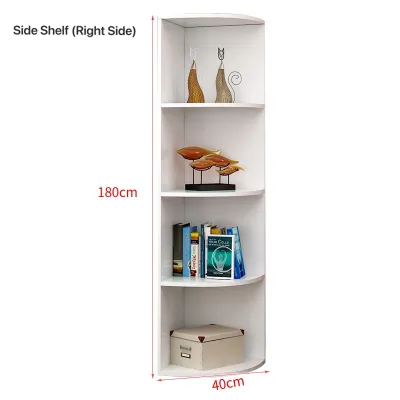
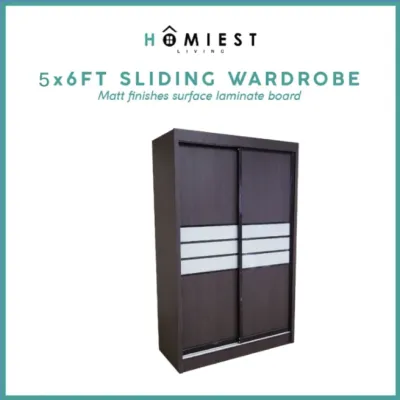
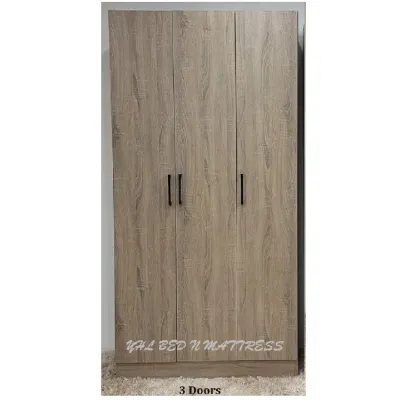
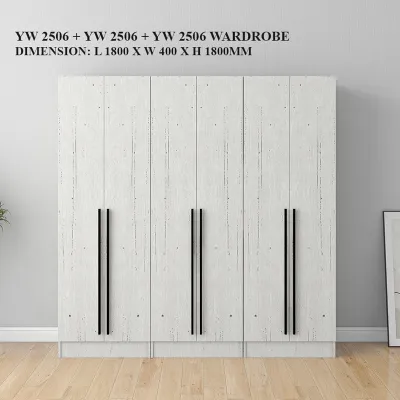
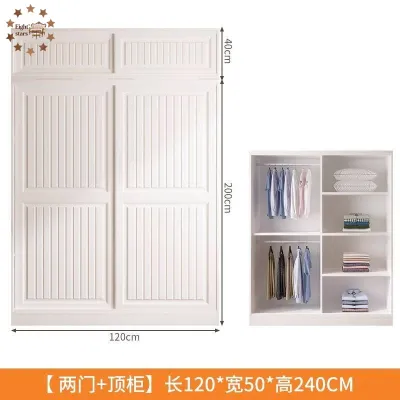
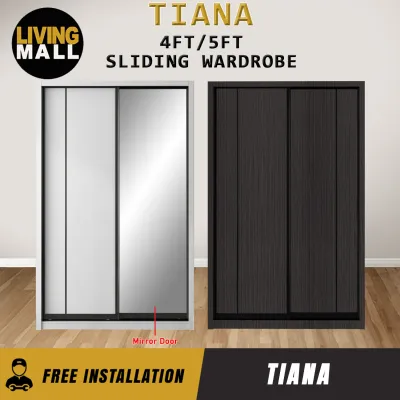
Prices are valid at publication and may change. Please refer to the product page for the latest price.
Account for skirting boards, which typically protrude 10mm to 15mm from the wall. If a wardrobe is designed to sit flush against the wall, the skirting board must either be removed or the wardrobe back must feature a corresponding recess. Additionally, check the location of electrical outlets, light switches, and air-conditioning trunking. Blocking a power socket can render it useless, while running trunking through or around a wardrobe requires specialized cut-outs that standard installation packages may not cover.
Logistics are equally critical when planning your delivery. Measure the height and width of your main entrance door, bedroom doors, and the common corridor. Most importantly, check the dimensions of the HDB passenger lift. If a modular wardrobe panel exceeds the lift’s internal height or depth, installers may have to carry the components up the stairwell, which often incurs a steep staircase fee per floor.
Finally, distinguish between structural concrete walls and non-load-bearing partition walls. Heavy wardrobes, especially those with sliding doors or top-heavy configurations, must be securely anchored to prevent tipping. Anchoring into a concrete wall requires heavy-duty masonry plugs, whereas partition walls require specialized toggle bolts and finding the internal metal studs for secure fastening. Inform your installation team about your wall types beforehand to ensure they bring the correct hardware.
Key Features to Look for in Wardrobes With Installation
The choice between sliding and hinged doors is dictated by the clearance space around your bed. Hinged doors require at least 500mm to 600mm of clear swing space in front of the wardrobe to allow comfortable access. If your bed is positioned close to the wardrobe, sliding doors are the superior choice as they operate entirely within the unit’s footprint, leaving walkways unobstructed.

However, sliding door mechanisms require a deeper frame—typically an extra 50mm to 100mm—to accommodate the tracks. Ensure your bedroom’s walkway remains wide enough (ideally at least 600mm) even with the deeper sliding wardrobe frame in place. If space is exceptionally tight, some modular brands offer open-concept wardrobes or fabric-screened alternatives, though these require more frequent dusting.
Internal configuration flexibility is another vital feature to prioritize. Look for wardrobes with pre-drilled system holes that allow you to adjust shelving heights and hanging rod positions over time. This adaptability is crucial for maximizing vertical storage in HDB bedrooms, which typically feature ceiling heights of around 2.6 meters. Utilizing the full height of the room allows you to store seasonal items or bedding on the highest shelves, freeing up accessible lower space.
Examine the manufacturer’s specifications for materials and finishes. High-density fiberboard (HDF) or melamine-faced particleboard are common in modular designs. Ensure the edges feature high-quality thermoplastic edge banding, such as ABS edge banding, to protect the core material. This protection is vital in Singapore’s humid climate, as unsealed edges can absorb moisture from the air, leading to swelling, warping, and structural degradation over time.
How to Evaluate Brands and Their Installation Services
When searching for a wardrobe with installation, do not rely on vague marketing claims. Always verify the explicit scope of the installation service on the brand’s official website or in-store service agreement. A comprehensive installation service should include carrying the components to the room of choice, complete assembly, leveling the unit on uneven floors, anchoring it to the wall for safety, and clearing away all packaging materials.
Inquire about the qualifications of the installation team. Are they direct employees of the brand, or are they third-party subcontractors? Direct employees often have deeper familiarity with the brand’s specific hardware and fastening systems, leading to a more reliable build. If the brand uses subcontractors, ask how they monitor service quality and handle disputes regarding damage to your property.
Carefully read the warranty terms before making a purchase. A robust warranty should cover both product defects (such as warped panels or failing hinges) and installation workmanship (such as loose tracks or misaligned doors) for at least one to five years. Be cautious of brands that offer long product warranties but exclude installation-related issues, as assembly errors are often the root cause of mechanical failures later on.
Watch out for hidden fees that can quickly inflate your budget. Common surcharges in Singapore include weekend or after-hours delivery fees, walk-up fees for non-lift-accessible floors, and charges for drilling into specific wall types like feature walls or tiled surfaces. Additionally, if you need your old wardrobe removed, check if the brand offers a disposal service and what the associated fee is, as municipal town councils have strict rules regarding bulky waste disposal.
Comparing Custom-Built, Modular, and Freestanding Options
Custom-built carpentry offers a seamless, floor-to-ceiling fit that maximizes every square inch of your HDB bedroom. Contractors build the wardrobe on-site or pre-fabricate panels to fit your exact wall dimensions, completely concealing skirting boards and ceiling beams. The primary trade-offs are higher costs, longer lead times, and the permanent nature of the installation—you cannot take a custom wardrobe with you if you move, and dismantling it will damage the surrounding walls.
Modular wardrobe systems bridge the gap between custom carpentry and freestanding units. Brands offering modular systems provide standardized frame widths and heights that can be combined to fit your wall. Professional installers can add filler panels to the sides and top to mimic a built-in look. This option is highly flexible, relatively quick to install, and often more cost-effective than custom carpentry, though you are limited to the brand’s preset dimensions.
Freestanding wardrobes with assembly services are the most budget-friendly and fastest solution. These units are fully manufactured beforehand and assembled on-site within a few hours. They are ideal for rental properties or temporary setups because they can be dismantled and relocated. However, they often leave gaps at the sides and top, which can accumulate dust and reduce overall storage efficiency in a small HDB room.
Pre-Delivery and Installation Day Checklist
To ensure a smooth installation day, prepare your HDB bedroom before the team arrives. Clear a wide path from the front door to the bedroom, removing any loose rugs, shoes, or decorative items that could trip the installers carrying heavy panels. If you have existing furniture in the room, move it as far from the installation zone as possible to give the workers ample space to maneuver.
Protect your flooring from accidental damage. Dragging heavy wooden panels or dropping metal tools can easily scratch vinyl, laminate, or parquet floors. Lay down thick cardboard sheets, canvas drop cloths, or protective plastic film along the delivery path and inside the bedroom. Secure any pets in a separate room to prevent accidents and allow the workers to focus on the assembly.
Once the installation is complete, perform a thorough joint inspection with the lead installer. Open and close every door and drawer multiple times to check for smooth operation, proper alignment, and soft-close functionality. Use a spirit level to verify the wardrobe is perfectly upright and stable. Inspect all visible surfaces for scratches, dents, or chipped edge banding, and confirm that the installation team cleans up the workspace and removes all packaging debris.
Frequently Asked Questions (FAQ)
Do I need a permit to install a built-in wardrobe in an HDB flat?
Generally, you do not need an HDB renovation permit to install standard freestanding, modular, or built-in wardrobes, as long as the installation does not involve hacking structural concrete walls, altering the flat’s layout, or modifying electrical and plumbing systems. However, if your wardrobe installation requires relocating power sockets or light switches, that specific electrical work must be carried out by a licensed EMA (Energy Market Authority) electrician. Always ensure your contractor or installer adheres to HDB’s designated renovation noise hours to avoid disrupting neighbors.
What happens if the wardrobe does not fit the measured space?
If the wardrobe does not fit due to a measurement error, the resolution depends on who took the measurements. If you opted for a brand’s professional site measurement service, the brand is responsible for correcting the error, which may involve modifying the panels on-site or fabricating replacement parts at no extra cost. If you provided the measurements yourself, you will likely bear the cost of any modifications, returns, or restocking fees. Always double-check the brand’s measurement guarantee and return policy before finalizing your order.
Can I request the installers to dismantle and dispose of my old wardrobe?
Most wardrobe installation services do not automatically include the dismantling and disposal of existing furniture. You must request this service in advance, and it typically incurs an additional fee ranging from S$50 to S$150, depending on the size and complexity of the old wardrobe. Alternatively, HDB residents can contact their respective Town Council to arrange for free bulky household waste removal services, though this is subject to specific scheduling limits and guidelines.

Community discussion
Share your experience or ask a question. Comments are reviewed before publication.