
Fitting a U-shaped fabric sofa into a Singapore Housing & Development Board (HDB) flat is entirely possible, provided you select a modular configuration and measure your layout with extreme precision. While these expansive seating arrangements are traditionally associated with larger landed properties, modern modular designs allow HDB homeowners to enjoy the cozy, conversational benefits of a U-shape without sacrificing precious walkway space. By focusing on customizable sections, low-profile silhouettes, and climate-appropriate fabrics, you can create a comfortable communal hub that fits naturally within your living room.
To make this setup work, you must balance the physical dimensions of the furniture with the unique spatial constraints of local apartments. This guide outlines how to measure your space, select the right design features, choose durable fabrics for the local climate, evaluate local retailers, and navigate the logistics of HDB delivery.
Measuring Your HDB Living Room for a U-Shaped Configuration
Before browsing showrooms, you must establish the absolute physical limits of your living room. U-shaped sofas require significant floor area because they feature two projecting chaises or return wings. Start by measuring the length of your primary wall and the total depth of the room from that wall to your TV console or opposite boundary.
Products mentioned in this guide

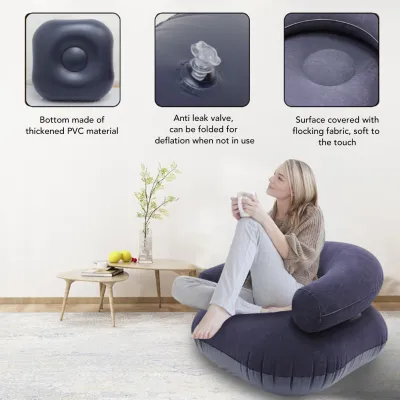
Prices are valid at publication and may change. Please refer to the product page for the latest price.
To maintain comfortable traffic flow, ensure there is a clear walkway of at least 75 centimeters around all sides of the sofa. This clearance is essential for moving through the room without bumping into corners. If your living room opens directly onto a balcony or features floor-to-ceiling windows, verify that the projecting wings of the sofa will not block sliding door tracks or restrict access to natural light.
Visual weight is just as important as physical dimensions in a standard HDB flat, where ceiling heights typically hover around 2.6 meters. A tall, bulky sofa can make a room feel instantly cramped. Measure the height of your windowsills and ensure the backrest of the sofa sits below them to keep sightlines open. Marking the proposed footprint of the sofa on your floor using masking tape is an excellent way to visualize how much physical and visual space the configuration will occupy before making a purchase.
Design Features That Make U-Shaped Sofas Work in HDB Flats
To prevent a large seating arrangement from overwhelming your home, prioritize modular or sectional designs. Modular sofas consist of individual pieces—such as corner units, armless chairs, and chaises—that lock together using brackets. This flexibility allows you to adjust the layout, shorten one side of the U-shape if needed, or even split the pieces into separate seating zones if you decide to rearrange your living room in the future.

Specific structural details can significantly reduce the visual bulk of a large sofa:
- Slim Armrests: Traditional rolled or thick block arms can add up to 30 centimeters of unnecessary width to a sofa. Choosing slim, track, or armless profiles maximizes the actual seating area while keeping the overall footprint compact.
- Raised Legs: Sofas that sit flat on the floor look heavy and solid. Opting for designs with raised wooden or metal legs (at least 10 to 15 centimeters high) allows light to pass underneath, creating an airy feel and making cleaning much easier.
- Low-Profile Backrests: Lower backrests keep the middle of the room open and prevent the sofa from acting as a visual barrier, especially in open-plan HDB layouts where the living and dining areas merge.
Additionally, pay close attention to the depth of the chaises. In a typical HDB layout, one side of the U-shape may need to be shorter than the other to avoid blocking entryways or electrical outlets. Look for brands that allow you to mix and match different chaise lengths to create an asymmetrical U-shape tailored to your specific wall proportions.
Choosing the Right Fabric for Singapore's Climate
Singapore’s high humidity and warm temperatures demand careful consideration when selecting upholstery. Non-breathable synthetic fabrics can trap heat and moisture, leading to a sticky, uncomfortable seating experience and increasing the risk of mold growth. When evaluating fabric options, prioritize breathability, weave density, and ease of maintenance.
Natural-synthetic blends, such as polyester mixed with linen or cotton, offer an excellent balance of comfort and durability. The natural fibers allow air to circulate, while the synthetic components provide strength and resistance to stretching. If you choose a tight, flat weave, the fabric will be less susceptible to trapping dust mites and pet hair, making it easier to keep clean in a tropical environment.
Always check the manufacturer’s care labels for cleaning instructions and fabric specifications. Removable, machine-washable cushion covers are highly recommended for local homes, as they allow you to address spills and sweat buildup easily. If removable covers are not an option, look for fabrics treated with water- and stain-resistant finishes, which prevent liquids from sinking immediately into the cushion foam.
How to Find and Evaluate Local Sofa Brands
When searching for a U-shaped fabric sofa in Singapore, focus on retailers that specialize in customizable or modular furniture. Many local showrooms allow you to configure sectionals piece-by-piece, letting you build a U-shape that matches your exact spatial measurements rather than forcing you to buy a pre-packaged, oversized set.
Visiting physical showrooms is a crucial step in the evaluation process. Sit on the cushions to test the firmness of the high-density foam or pocket springs, and feel the fabric textures in person under natural and artificial light. Bring your living room measurements and floor plan along so that showroom consultants can help you calculate the exact configuration options available.
Before finalizing your order, thoroughly review the brand’s policies and terms:
- Lead Times: Made-to-order or customized fabric sofas often have lead times ranging from several weeks to a few months, especially if the materials are sourced internationally.
- Warranty Coverage: Verify what the warranty covers. A reliable warranty should cover structural frame defects, joint stability, and cushion sagging for several years, rather than just covering the outer fabric.
- Return and Exchange Policies: Understand the terms for returns or adjustments if the configuration does not fit your space as expected upon delivery.
Navigating Delivery and HDB Access Constraints
Even if a U-shaped sofa fits perfectly in your living room, it must first survive the journey from the delivery truck to your apartment. Large, single-piece sofas often present major logistical challenges in Singapore’s high-rise housing. This is where modular designs offer a distinct advantage, as they are transported in smaller, manageable boxes that easily fit through tight spaces.
Before scheduling delivery, measure the dimensions of your HDB passenger lift, including the door opening width, interior height, and diagonal depth. You must also check the clearance of your corridor, staircase landings, and the front entryway of your flat. If your building does not have lift access or if the items are too large for the elevator, find out if the retailer charges additional fees for manual stair-carrying.
Confirm whether the furniture brand provides comprehensive delivery services, which should include bringing the boxes into your home, assembling the modular sections, securing the connector brackets, and removing all bulky packaging materials. If you are replacing an old sofa, check if the retailer offers a disposal service or if you need to coordinate with your local town council for bulky item removal in accordance with estate regulations.
Frequently Asked Questions (FAQ)
Can a U-shaped sofa be separated into smaller pieces later?
Yes, provided you purchase a modular U-shaped sofa rather than a fixed sectional. Modular systems use interlocking brackets underneath or on the sides of each frame to hold the pieces together. If you decide to change your layout, you can unhook these brackets and use the individual sections as standalone armless chairs, independent chaises, or smaller L-shaped configurations. Before buying, always ask the retailer if the individual modules have finished sides and independent leg structures so they look complete when separated.
How do I clean fabric sofa cushions in a humid climate?
To prevent mold, mildew, and musty odors in Singapore’s humid climate, vacuum your fabric sofa at least once a week using an upholstery attachment to remove dust, skin cells, and pet dander. If a spill occurs, blot it immediately with a clean, dry microfiber cloth; never rub, as this pushes the liquid deeper into the fibers. Always consult the manufacturer’s care label before applying any water or solvent-based cleaning solutions. Using a dehumidifier in your living room during particularly wet seasons can also help keep the fabric dry and fresh.

Community discussion
Share your experience or ask a question. Comments are reviewed before publication.