
Finding the right wardrobe for a Singapore Board (HDB) flat requires balancing storage capacity with limited floor space. While traditional built-in wooden wardrobes are popular, freestanding steel wardrobes have emerged as a highly durable, modular, and modern alternative. To ensure a steel wardrobe fits seamlessly into your HDB bedroom, you must look beyond aesthetics and focus on precise spatial planning, door clearance, and delivery logistics.
Selecting the ideal steel wardrobe involves analyzing your bedroom’s layout, measuring access pathways, and choosing configurations that maximize vertical space. By understanding the unique constraints of typical HDB floor plans, you can select a metal storage solution that keeps your room organized and easy to navigate.
Understanding HDB Bedroom Dimensions and Space Constraints
HDB bedrooms, particularly in newer Build-To-Order (BTO) flats, are designed with efficiency in mind, leaving limited floor area for bulky furniture. Walkways around the bed must remain clear, typically requiring at least 60 to 70 centimeters of clearance for comfortable passage. Placing a large wardrobe too close to a study desk or the bedside can create a cramped environment that hinders daily activities.
Products mentioned in this guide
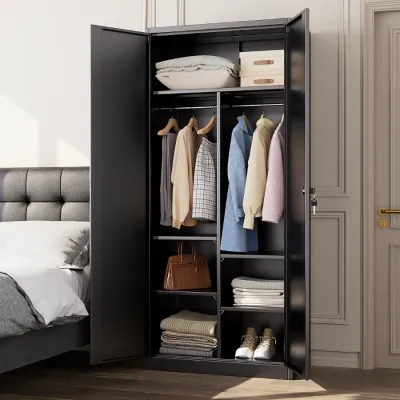
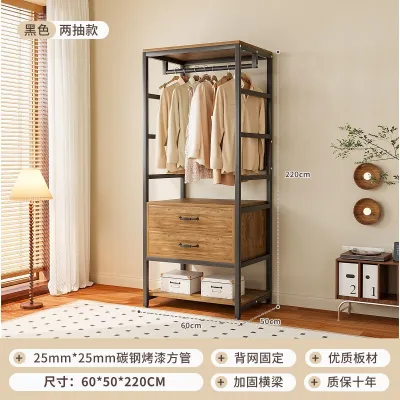
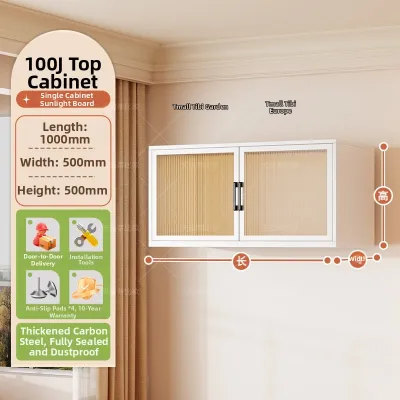
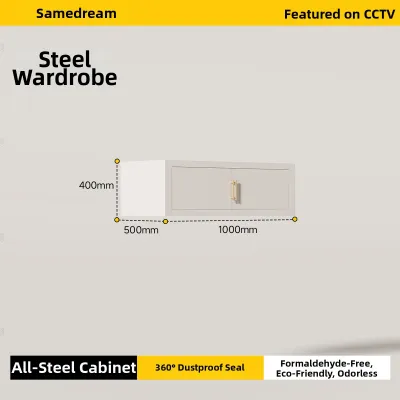
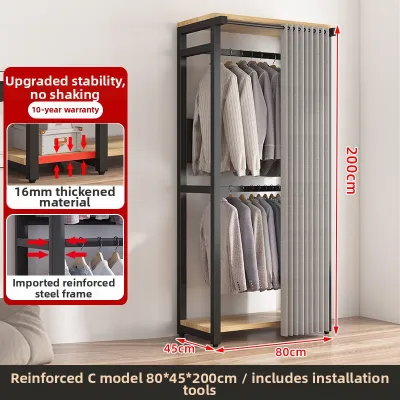
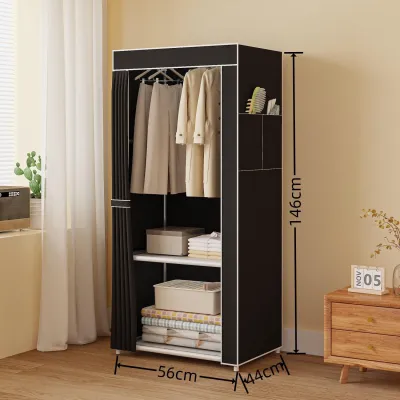
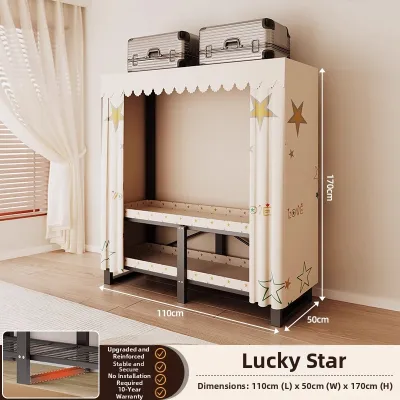
Prices are valid at publication and may change. Please refer to the product page for the latest price.
Fixed architectural features also dictate where you can position your furniture. Air-conditioning ledges on the exterior wall often correspond to interior structural beams or low-hanging trunking that limits the usable height of a wardrobe. Similarly, built-in structural columns, window sills, and pre-existing electrical trunking can prevent a wardrobe from sitting flush against the wall.
Maintaining clear circulation paths is essential for a functional bedroom. A wardrobe should never block the natural flow of traffic from the entryway to the bathroom or the bedside. Before committing to a specific steel wardrobe, map out the floor plan to ensure that the unit leaves sufficient breathing room, allowing you to move freely without bumping into sharp metal corners.
Key Measurements to Take Before Buying a Steel Wardrobe
Accurate measurements are the foundation of a successful furniture purchase, especially when dealing with rigid steel wardrobes that cannot be shaved down or modified during installation. Begin by measuring the maximum width, height, and depth of the designated wall space. Be sure to measure at multiple points—near the floor, in the middle, and close to the ceiling—as walls in high-rise concrete buildings are rarely perfectly plumb. Note the locations of skirting boards, light switches, and power sockets, as these can subtract several centimeters from your usable space.

Delivery logistics are another critical factor that homeowners often overlook. Because steel wardrobes are heavy and often arrive in large, pre-welded sections or flat-packed panels, you must verify that the components can physically reach your bedroom. Measure the height and width of your HDB flat’s main entrance door, the service lift door, and the interior corridors. Compare these dimensions against the packaging sizes provided by the retailer to avoid costly delivery failures.
Finally, calculate the operational clearance required for the wardrobe itself. If you select a model with hinged doors or pull-out drawers, you must measure the space directly in front of the unit. Ensure there is enough room to fully open the doors and pull out the drawers while still leaving space for you to stand comfortably in front of them.
Evaluating Steel Wardrobe Configurations for Compact Rooms
The configuration of your steel wardrobe plays a pivotal role in how much usable space remains in your HDB bedroom. Sliding doors are highly recommended for tight layouts, as they operate entirely within the wardrobe’s frame and require zero front clearance. This allows you to place the wardrobe much closer to the bed or other furniture without restricting access to your clothes. Hinged doors, while offering full visibility of the wardrobe’s interior at once, demand a clear arc of space that can severely limit your layout options in a compact room.
To maximize storage without expanding the wardrobe’s footprint, look upward. Utilizing vertical space with taller steel units is an excellent way to capture underutilized volume near the ceiling. However, you must verify that the wardrobe’s height does not interfere with overhead light fixtures, ceiling fans, or air-conditioning units. High-level storage is ideal for seasonal items, extra bedding, or luggage, keeping daily-use items within easy reach below.
The internal layout of the steel wardrobe should be highly adaptable to your specific storage needs. Look for units that feature adjustable shelving tracks and customizable hanging rails. Being able to reposition shelves allows you to eliminate wasted vertical space between folded clothes, while adjustable hanging rods can accommodate longer garments or double-up for shorter items like shirts and folded trousers.
What to Look for in Brands and Retailers
When shopping for a steel wardrobe in Singapore, selecting the right retailer involves evaluating their product flexibility and service offerings rather than relying on unverified brand rankings. Look for brands that offer modular steel wardrobe systems. Modular designs allow you to combine different unit widths and configurations to create a semi-custom setup that fits your specific wall dimensions, offering a built-in look without the high cost of custom carpentry.
Given the weight and structural rigidity of steel furniture, professional delivery and assembly services are highly recommended. High-rise HDB living introduces unique handling challenges, and professional installers have the tools and experience to transport heavy steel panels safely up lifts and assemble them securely in tight spaces. They can also ensure that the wardrobe is perfectly level, which is crucial for the smooth operation of sliding doors and drawers on slightly uneven concrete floors.
Additionally, carefully review the warranty terms provided by the retailer. A reliable steel wardrobe should come with a warranty that covers structural integrity, the smooth operation of door track mechanisms, and the durability of the surface finish. Look for guarantees against paint peeling, chipping, or premature wear on moving parts, as these are the areas most susceptible to damage over years of daily use.
Common Sizing and Placement Mistakes to Avoid
One of the most common mistakes when placing a steel wardrobe is positioning a hinged-door model too close to the bed frame. This often results in doors that can only open halfway, making it difficult to access clothing and creating a constant physical bottleneck in the room. Always allow for the full door swing radius plus a comfortable standing clearance.
Another frequent oversight is ignoring the thickness of skirting boards along the base of the wall. Skirting boards can prevent a flat-backed steel wardrobe from sitting flush against the wall, leaving a gap of one to two centimeters at the top. This gap not only collects dust but can also compromise the stability of the unit. To avoid this, look for wardrobes with a recessed base or plan your measurements from the edge of the skirting board rather than the bare wall.
Lastly, ensure the wardrobe’s placement does not interfere with your room’s ventilation and lighting. A tall steel wardrobe placed too close to an air-conditioning unit can block the airflow, reducing cooling efficiency and straining the appliance. Similarly, avoid blocking natural light from windows or placing the wardrobe directly in the path of a ceiling fan’s blades, which poses a serious safety hazard.
Frequently Asked Questions (FAQ)
Are steel wardrobes prone to rust in Singapore's humid climate?
Modern steel wardrobes designed for residential use are typically treated to withstand humid environments. Most reputable manufacturers apply a durable powder-coated or galvanized finish that acts as a protective barrier against moisture. To maintain this protection, avoid placing the wardrobe directly against damp walls, wipe down any condensation promptly, and ensure your bedroom has adequate ventilation.
Can I install a steel wardrobe myself, or do I need professional help?
While some small, modular steel cabinets are suitable for DIY assembly, larger wardrobes generally require professional installation. Steel panels are heavy and difficult to maneuver alone, and improper assembly can lead to misaligned doors, unstable frames, or track failures. Professional installers ensure the unit is safely anchored to the wall to prevent tipping and that all moving parts are perfectly calibrated for long-term use.

Community discussion
Share your experience or ask a question. Comments are reviewed before publication.