
Finding the right toys storage cabinet for a typical Housing & Development Board (HDB) bedroom requires balancing accessibility, safety, and precious floor area. With standard HDB common bedrooms measuring approximately 9 to 11 square meters, and master bedrooms spanning roughly 12 to 14 square meters, space is at a premium. Once a bed, a study desk, and a wardrobe are positioned, the remaining footprint for toy storage is often highly restricted. Selecting the wrong cabinet size can quickly turn a cozy bedroom into a cramped, hazardous obstacle course.
To maximize this limited layout, a toys storage cabinet in an HDB bedroom should ideally feature a shallow depth of 30 to 40 centimeters, while its height and width must be strategically matched to specific room zones. By focusing on exact physical dimensions rather than generic “space-saving” labels, you can maintain clear walkways, ensure child safety, and establish an organized play environment that grows alongside your family.
How to Measure Usable Space in an HDB Bedroom
Accurately assessing your HDB bedroom’s floor plan is the essential first step before browsing online marketplaces or local furniture showrooms. Rather than relying on the overall flat layout dimensions provided in your BTO brochure, you must measure the actual, physical floor space that remains unoccupied. Start by mapping out the room on paper or a digital app, plotting the exact positions of permanent fixtures such as built-in wardrobes, the bed frame, and the study desk. This exercise reveals the true “dead spaces” available for toy organization—such as tight corners, the narrow gap between a wardrobe and the wall, or the often-underutilized zone directly behind the bedroom door.
Products mentioned in this guide
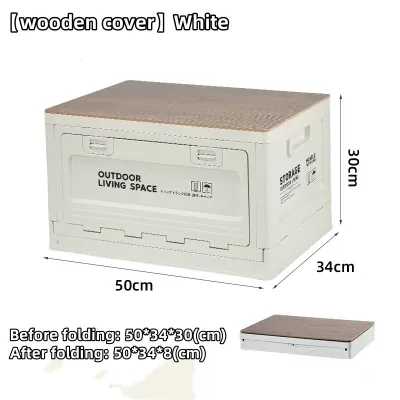
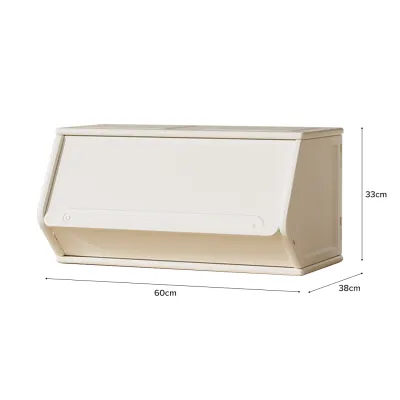
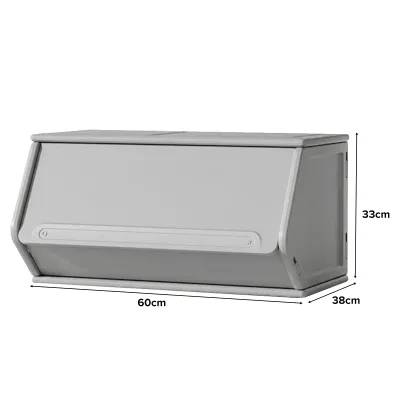
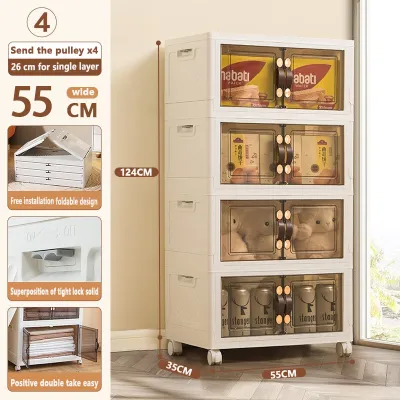
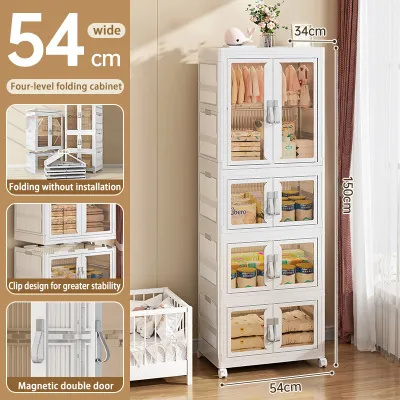
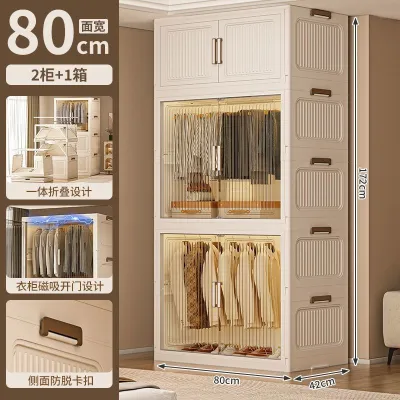
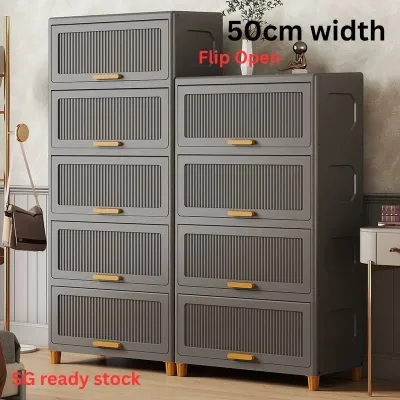
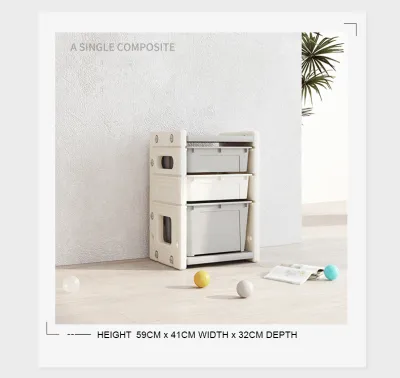
Prices are valid at publication and may change. Please refer to the product page for the latest price.
When measuring these leftover pockets, always measure at the floor level rather than waist-height, as walls in residential units are rarely perfectly square. Use a reliable steel measuring tape to record the maximum width, depth, and height of each potential placement zone. It is vital to subtract at least 2 to 3 centimeters from your measurements to allow for a comfortable installation tolerance, ensuring you do not buy a cabinet that must be forced into a tight niche.
Beyond the flat floor area, pay close attention to structural and electrical obstructions that dictate where a cabinet can sit flush against the wall. Take precise note of the locations of electrical outlets, light switches, air-conditioner trunking lines, and internet data points. Placing a heavy wooden cabinet directly over a power socket restricts access and can damage plugs, while air-con copper pipes running down a wall can prevent tall units from sitting securely. Additionally, note the height and thickness of your wall skirting boards, as these small wooden or tiled borders will prevent flat-backed furniture from touching the wall unless the cabinet design accounts for them.
Choosing Cabinet Proportions for Different Room Zones
Different areas of an HDB bedroom impose distinct spatial constraints, meaning a storage unit that works perfectly in a corner will likely fail if placed next to a window. Matching the proportions of your toys storage cabinet to its specific zone ensures optimal room flow and safety.

Utilizing Vertical Space in Tight Corners
When floor area is exceptionally scarce, looking upward is the most logical way to expand your storage capacity. Tall, narrow cabinets—often referred to as column units or tower shelves—are highly effective for filling awkward gaps, such as the space between a sliding wardrobe and the bedroom door frame. For these tight spots, a cabinet depth of 30 to 35 centimeters is highly recommended, as it provides sufficient space for standard toy bins while keeping the walkway clear.
However, utilizing vertical space introduces critical safety and accessibility dynamics. Tall cabinets should store rarely used toys, board games, or seasonal items on the upper shelves, while daily playthings remain on the lower, reachable levels. Furthermore, because tall, narrow furniture has a higher center of gravity, it presents a severe tip-over hazard. You must strictly plan to anchor any unit taller than 60 centimeters to the wall, especially if it features pull-out drawers or bins that children might use as climbing steps.
Before purchasing a vertical unit, check the manufacturer’s assembly instructions to confirm the required anchoring hardware is included. You will also need to verify that your bedroom wall can support the tension of wall anchors, as concrete walls require different plugs and drill bits compared to hollow drywall partitions.
Low-Profile Units for Under-Window and Bedside Areas
The spaces beneath bedroom windows and adjacent to the bed frame offer excellent opportunities for low-profile storage, but they come with strict height and depth limits. In standard HDB flats, the bottom of the window sill typically sits between 80 and 90 centimeters above the finished floor. Consequently, any cabinet placed in this zone should have a maximum height of 75 centimeters to ensure it does not block window handles, restrict natural ventilation, or interfere with curtain tracks and sliding window panels.
Low-profile units, such as horizontal cubby organizers or toy chests, offer excellent ergonomic benefits for toddlers and young children. Keeping the storage height below 60 centimeters allows children to independently reach, retrieve, and tidy away their toys without the risk of climbing or stretching. This design fosters a sense of responsibility and keeps the center of gravity low, making the furniture inherently more stable.
When planning for an under-window cabinet, always measure the depth of the window ledge and any protruding window handles or grilles. If the cabinet is too deep, it will protrude awkwardly into the main bedroom walkway, creating a tripping hazard near the bed. Aim for a maximum cabinet depth of 40 centimeters in these zones to maintain a balanced, open layout.
Crucial Clearances: Walkways, Doors, and Skirting Boards
A toys storage cabinet might seem to fit perfectly on paper, but failing to account for operational clearances can render the room frustratingly unusable. You must evaluate how the cabinet interacts with the movement of people and other furniture in the bedroom.
- Walkway Clearance: To maintain a comfortable and functional HDB bedroom, you must preserve a clear walking path around the bed. Ideally, a minimum clearance of 60 to 70 centimeters should be left between the edge of the bed and the front of the toys storage cabinet. This space allows an adult to walk through comfortably, carry laundry baskets, or bend down to help a child tidy up without bumping into the bed frame.
- Door Swing Radius: Carefully plot the swing path of both the main bedroom entry door and any built-in wardrobe doors. A standard HDB bedroom door requires a clear radius of approximately 90 centimeters to open fully. If your toys storage cabinet is placed too close to the doorway, it can block the door from opening completely or cause constant, damaging collisions. Always measure the door swing and leave a buffer zone of at least 5 centimeters.
- Skirting Board Depth: Most HDB bedrooms feature skirting boards along the base of the walls, which typically protrude by 1 to 2 centimeters. If a toys storage cabinet has a completely flat back without a recessed base or a skirting board cut-out, it will be pushed away from the wall at the bottom. This creates an unstable forward lean, making the cabinet prone to tipping, while also leaving a frustrating gap at the top that constantly collects dust and small toy pieces. Look for cabinets designed with a recessed plinth or base cut-out to ensure a flush, stable fit.
- Drawer and Door Extension: The physical footprint of a cabinet is not static. A shallow cabinet with a depth of 35 centimeters can easily require an additional 30 to 40 centimeters of clearance when its drawers are fully extended or its cabinet doors are swung open. If the space in front of the cabinet is narrower than this open depth, you will struggle to access the toys, and children may trap their fingers or find themselves wedged between the open drawer and the bed.
Flexible Storage Alternatives for Tight HDB Rooms
If your HDB bedroom layout is exceptionally compact or awkwardly configured, a traditional, rigid wooden cabinet may not be the most practical choice. Fortunately, several highly adaptable, space-saving alternatives can provide excellent toy organization without permanently consuming valuable floor space.
- Mobile Trolleys: Multi-tier rolling carts equipped with lockable caster wheels are incredibly versatile for small bedrooms. These trolleys can hold art supplies, building blocks, or soft toys and can be easily wheeled under a study desk or tucked into a corner when playtime is over. When purchasing a mobile trolley, verify that the wheels are suitable for your bedroom flooring—soft polyurethane wheels are ideal for vinyl or laminate floors to prevent scratching, while sturdier wheels work well on tiles.
- Modular Drawer Units: Instead of committing to a single massive cabinet, consider stackable or interlocking plastic drawer systems. These modular units allow you to customize the height and width of your storage to fit exact niches. You can start with a low, two-tier setup for a toddler and gradually stack additional units vertically as their toy collection grows. Ensure you choose high-quality, BPA-free plastics with smooth-gliding drawer tracks that prevent the drawers from being pulled completely out of their frames accidentally.
- Wall-Mounted Solutions: Utilizing the walls for storage is an excellent way to keep the floor completely clear. Wall-mounted shelves, floating ledges, or pegboard systems are perfect for displaying books, action figures, and lightweight toys. However, safety is paramount when mounting furniture. You must check your HDB flat's wall construction; structural concrete walls can bear significant weight when paired with proper masonry plugs, whereas hollow drywall partitions require specialized toggle bolts and have much lower weight capacities. Always refer to the manufacturer's maximum load limits and installation instructions before mounting.
5 Common Sizing Mistakes to Avoid Before Buying
To ensure a seamless purchase and installation process, keep these five frequent spatial oversight mistakes in mind before making your final selection:
- Forgetting the Delivery Path: Many homeowners measure the bedroom perfectly but forget to check if the cabinet can actually reach the room. Measure the height and width of your HDB lift car, the corridor clearance, and the bedroom doorway width. A large, pre-assembled cabinet may not fit through a tight 80-centimeter bedroom door frame, forcing you to return the item or face complex disassembly.
- Ignoring the Open Depth: Always calculate the maximum depth of the cabinet with its drawers or doors fully extended. If this open depth exceeds the available clearance between the cabinet and your bed, the drawers will be unusable or block the entire room's traffic flow.
- Overestimating Vertical Space: When planning a tall cabinet, do not look only at the ceiling height. Check for ceiling fans, light fixtures, curtain rods, and wall-mounted air-conditioning units. A tall cabinet placed too close to a ceiling fan creates an extreme safety hazard, while blocking the air-con unit's airflow reduces cooling efficiency.
- Buying Too Deep for Alcoves: If you have a recessed alcove or a space beside a pillar, ensure the cabinet depth does not exceed the alcove depth. A cabinet that juts out even slightly can block adjacent light switches, cover power sockets, or snag clothing as people walk past.
- Relying on Generic "Space-Saving" Labels: Avoid buying a product simply because it is marketed as a "compact" or "space-saving" toys storage cabinet. Different manufacturers have wildly varying definitions of these terms. Always verify the exact millimeter dimensions provided in the product specifications and physically map them out on your bedroom floor using masking tape before purchasing.
Frequently Asked Questions (FAQ)
Do I need to anchor a toys storage cabinet to the wall?
Yes, anchoring is highly recommended for any toys storage cabinet that is tall, top-heavy, or features drawers, especially in a home with young children. Children often attempt to climb shelves or pull out multiple drawers simultaneously, which shifts the center of gravity forward and can cause the unit to tip over. Always follow the manufacturer’s safety instructions and use the provided anti-tip hardware. Ensure you use appropriate wall plugs—such as masonry plugs for concrete HDB walls or heavy-duty anchors for drywall partitions—to guarantee a secure hold.
Can I place a storage cabinet in front of the HDB household shelter?
No, you should never place heavy, fixed, or wall-anchored storage cabinets directly in front of or mounted onto your HDB household shelter (bomb shelter) door. Singapore’s Civil Defence Force regulations require the shelter door and entrance to remain completely unobstructed for emergency access. Furthermore, drilling into the reinforced concrete walls or steel door of the household shelter is strictly prohibited, as it compromises the structural integrity of the shelter. If you must use the space near the shelter door, opt only for lightweight, easily movable storage bins on wheels that can be cleared away instantly.

Community discussion
Share your experience or ask a question. Comments are reviewed before publication.