
Finding a reliable 3-seater sofa bed in Singapore requires looking beyond marketing buzzwords to evaluate how a piece of furniture performs under the dual demands of daily lounging and overnight hosting. In Singapore’s compact residential layouts, a three-seater sofa bed serves as a critical space-saving asset, but its success depends entirely on matching the right mechanical design and material composition to your household’s routine. Rather than searching for a single universal winner, smart buyers evaluate local and international brands based on their engineering standards, material suitability for a tropical climate, and delivery logistics. By focusing on verifiable structural details, you can identify a model that transitions seamlessly between a supportive sofa and a comfortable bed without compromising your living room’s flow.
Identifying Essential Multi-Functional Features
To narrow down your options among the various brands available in Singapore, start by defining the primary role the sofa bed will play in your home. If the unit is intended for a dedicated guest room or a study that occasionally doubles as a bedroom, your priorities will differ significantly from a setup destined for the main living room. For daily seating and occasional guest use, a standard three-seater configuration with a straightforward folding mechanism is often sufficient. However, if the sofa bed will serve as a primary sleeping surface every night, investing in a heavy-duty mechanism with a dedicated mattress layer becomes essential to prevent premature wear and physical discomfort.
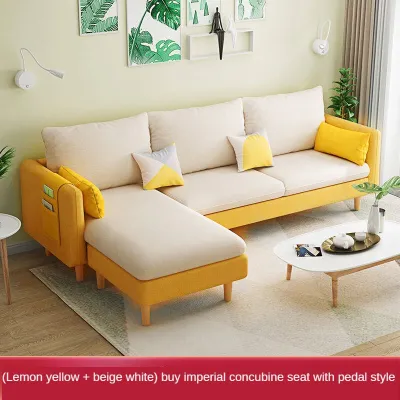
Multi-functional features should solve real spatial challenges rather than simply adding novelty. Built-in under-seat storage is one of the most practical additions for Singapore apartments, offering a convenient place to store extra pillows, bedsheets, and duvets without taking up valuable wardrobe space. Some brands offer modular designs where the chaise lounge can be positioned on either the left or right side, allowing you to reconfigure the layout if you move to a new home. Other models feature adjustable headrests or drop-down center consoles with cup holders, which enhance the lounging experience but also introduce more moving parts.
Products mentioned in this guide
![[SG Seller] Fabric Sofa Bed 3 Seater Sofabed Fast Delivery From Singapore. Free Assembly. High Quality Sofas and Sofabeds. 1 Year Warranty. Fast Delivery from Singapore.](https://img.lazcdn.com/g/p/348901f321b96fa2ba1866c7a1619f40.jpg_400x400q80.jpg_.webp)
![[SG SELLER] Premium High Quality 3 Seater Sofa Fabric Sofa Scandinavian Inspired Design | High Quality | Bedroom | Compact | Living Room | Fabric Sofa Bed | High-End | Comfortable | Durable | Designer | Luxury | HomeAndStyle | Home And Style](https://img.lazcdn.com/g/p/8af34f1e28bb4bb5e36a9c766e2a1895.jpg_400x400q80.jpg_.webp)
![[SG OPEN BOX SALE] Premium Quality 3 Seater Sofa Fabric Sofa Scandinavian Inspired Design | High Quality | Bedroom | Compact | Living Room | Fabric Sofa Bed | High-End | Comfortable | Durable | Designer | Luxury | HomeAndStyle | Home And Style](https://img.lazcdn.com/g/p/043e37ddaf58a118eb332e2d01ec2eeb.jpg_400x400q80.jpg_.webp)
Prices are valid at publication and may change. Please refer to the product page for the latest price.
Every additional mechanical feature represents a potential point of failure over years of continuous use. While a highly adjustable model with multiple moving joints might seem appealing in a showroom, each hinge and pivot point is subject to friction and structural stress. When evaluating different brands, consider whether the added convenience of a feature justifies the long-term maintenance it might require. A simpler, robust design with fewer moving parts often outlasts a highly complex mechanism, especially in households with active children or pets where furniture is subjected to daily physical impact.
Evaluating Conversion Mechanisms and Ease of Use
The conversion mechanism is the heart of any three-seater sofa bed, determining how easily you can transform the unit and how much physical effort is required. The three most common designs found in Singapore showrooms are pull-out frames, click-clack reclining backs, and fold-down futon styles. Pull-out frames typically feature a metal or wooden structure nested beneath the seat cushions that rolls forward on casters, lifting up to align with the frame. This style offers a traditional mattress feel but requires a moderate amount of physical strength to lift and lock into place.

Click-clack mechanisms operate by tilting the seat portion upward until the hinge clicks, allowing the backrest to drop flat into a horizontal position. This design is highly favored for its simplicity and speed of operation, making it an excellent choice for quick transitions. However, because the seat and backrest fold flat to form the sleeping surface, you must ensure the frame is positioned far enough from the wall to allow the backrest to clear, or choose a zero-wall clearance model specifically engineered to slide forward during conversion. Fold-down futons or tri-fold foam designs are simpler still, relying on unfolding cushions directly onto the floor, which minimizes mechanical wear but positions the sleeper very close to ground level.
Before committing to a specific brand, physically test the mechanism in a local showroom to verify its ease of use. Pay close attention to the clearance required around the unit; a mechanism that requires you to shift heavy coffee tables, side tables, or area rugs every time you deploy the bed will quickly become a source of daily frustration. Inspect the structural integrity of the moving parts during deployment. High-quality mechanisms feature smooth, quiet operations without grinding noises, and they utilize robust locking pins, reinforced steel hinges, and dedicated central support legs that automatically extend to distribute weight evenly when the bed is fully open.
Space Planning and Transit Clearances
In Singapore’s residential landscape, where HDB flats and condominium units often feature tight entryways and compact living zones, precise spatial planning is non-negotiable. A standard three-seater sofa typically measures between 180 cm and 220 cm in width, but its fully extended depth in bed mode can easily exceed 200 cm. You must measure your room’s dimensions carefully, mapping out the exact footprint of the sofa bed in both its upright and fully deployed states. Use masking tape on the floor to visualize the physical space the furniture will occupy, ensuring that doors, wardrobe drawers, and balcony access points remain completely unobstructed.
Equally critical is the transit path from the delivery truck to your living room. Many furniture deliveries in Singapore are complicated by narrow passenger lifts, tight stairwell turns, and low door frames. Before finalizing your purchase, obtain the packaged dimensions of the sofa bed from the retailer. Compare these measurements against the height, width, and diagonal clearance of your building’s lift doors, as well as your own front door and foyer. If the sofa bed is delivered as a single, fully assembled unit, a lack of clearance can result in a failed delivery, costly return fees, or damage to your walls and the furniture itself.
Once the sofa bed is fully deployed, you must also account for comfortable walking paths around the perimeter. Ideally, leave at least 50 cm to 60 cm of clearance on either side of the extended bed to allow the sleeper to get in and out easily without climbing over the foot of the bed. This clearance is also essential for making the bed, changing sheets, and accessing nearby power outlets or bedside tables. If your living room layout is particularly tight, look for compact three-seater designs with slim armrests, which maximize the usable seating and sleeping width while keeping the overall external footprint as small as possible.
Balancing Seating Comfort and Sleeping Support
A common challenge with multi-functional sofa beds is finding a model that balances the firm support needed for sleeping with the plush comfort desired for daily seating. The internal construction of the cushions plays a decisive role in this balance. Many budget-friendly models utilize high-density polyurethane foam blocks, which offer excellent initial firmness and shape retention but can feel overly stiff during long lounging sessions. Over time, lower-grade foams may sag in high-pressure areas, compromising both seating comfort and spinal alignment during sleep.
For superior dual-purpose performance, look for brands that incorporate pocketed spring systems or hybrid foam-and-spring constructions within the seat cushions. Pocketed springs contour to the body’s natural curves, distributing weight evenly and reducing motion transfer—a crucial feature if two people are sharing the bed. Additionally, consider the upholstery material in relation to Singapore’s warm, humid climate. Synthetic leathers are easy to wipe clean but can feel sticky and hot without continuous air conditioning. Breathable woven fabrics, linen blends, or high-performance polyester fabrics treated for stain resistance offer a cooler, more comfortable feel against the skin.
It is important to maintain realistic expectations regarding the comfort of a sofa bed compared to a traditional, dedicated mattress. Because the cushions must serve as both a seat and a sleeping surface, they are engineered to be firmer than a standard mattress to prevent bottoming out against the underlying frame. If you plan to use the sofa bed frequently for guests or daily sleep, consider pairing it with a removable mattress topper. A high-quality latex or memory foam topper can be rolled up and stored when not in use, providing an extra layer of cushioning that bridges the gaps between folding sections and significantly enhances sleep quality.
Pre-Purchase Verification and Logistics
The final step in selecting a three-seater sofa bed is verifying the logistical services and consumer protections offered by the retailer. In Singapore, furniture delivery and installation are rarely uniform across brands. Always confirm whether the quoted price includes delivery, professional on-site assembly, and the disposal of your old furniture. Because multi-functional sofa beds feature heavy frames and complex mechanical parts, professional assembly is highly recommended to ensure the mechanism is aligned correctly and operates safely from day one.
Carefully review the warranty terms provided by the manufacturer or retailer. A standard furniture warranty often covers only manufacturing defects in the fabric or the internal wooden frame for a limited period. For a multi-functional sofa bed, ensure the warranty explicitly covers the mechanical folding frame, hinges, and spring systems, as these are the components most susceptible to wear and tear over time. A warranty of at least two to five years on the mechanism indicates the manufacturer’s confidence in the structural durability of their hardware.
Finally, clarify the retailer’s return, exchange, and cancellation policies, particularly regarding fit issues. If the delivery team arrives and finds that the sofa bed cannot physically fit through your doorway or lift, you need to know what financial liabilities you will face. Some retailers offer a restocking fee or allow you to exchange the item for a modular model that can be assembled inside the room, while others may treat a failed delivery due to spatial constraints as a non-refundable order. Having these terms in writing before making your payment protects your investment and ensures a smooth, stress-free acquisition process.
Frequently Asked Questions (FAQ)
Can a 3-seater sofa bed fit through standard HDB doors?
Yes, most modern three-seater sofa beds are designed to fit through standard HDB front doors, which typically have a clear opening width of at least 80 cm to 85 cm. However, the ease of entry depends heavily on the specific design of the sofa and how it is packaged. Many brands ship their sofa beds in flat-packed or modular sections, where the main frame, armrests, and back cushions are transported separately and assembled on-site in your living room. This modular approach easily bypasses tight door frames and narrow corridor corners. If you are purchasing a fully assembled model, you must compare the sofa’s shortest dimension (usually its depth or height with legs removed) against your door’s clearance width to ensure a safe passage.
How do I maintain the folding mechanism?
Maintaining a sofa bed’s folding mechanism requires simple, regular care to prevent stiffness and ensure safe operation. Every few months, perform a quick visual inspection of the metal tracks, hinges, and joints to check for loose screws, debris, or signs of misalignment. Keep the moving parts clean by vacuuming away dust and lint that can accumulate in the crevices. If the mechanism begins to squeak or feel stiff, apply a small amount of silicone-based lubricant to the pivot points, wiping away any excess to prevent fabric staining; avoid heavy oils or WD-40, which can attract dust and clog the tracks. If you encounter resistance while opening or closing the bed, never force the frame, as this can bend the metal linkages; instead, stop immediately and consult the manufacturer’s manual or contact a qualified technician for assistance.

Community discussion
Share your experience or ask a question. Comments are reviewed before publication.