
Finding a metal shoe rack in Singapore requires balancing aesthetic appeal, storage capacity, and long-term durability against the local humid climate. While plastic can warp and wood can succumb to moisture, metal offers a robust alternative, provided you select the right grade and finish. Navigating the market involves looking beyond the initial price tag to evaluate structural integrity, surface treatments, and spatial compatibility. By focusing on key physical indicators like metal thickness, joint construction, and protective coatings, you can secure a reliable storage solution that fits your budget and keeps your entryway organized.
Defining Quality and Value for Your Budget
When shopping for home storage, it is easy to conflate the lowest upfront price with the best value. However, a shoe rack is a high-traffic piece of furniture subjected to daily wear, heavy loads, and constant exposure to the elements if placed near an open corridor or window. True value lies in the relationship between the purchase price and the lifespan of the product. A cheap, poorly constructed rack that sags or rusts within a few months will ultimately cost more in replacements than a slightly more expensive, well-made alternative.
To assess value accurately, you must look past marketing buzzwords and focus on the physical attributes of the rack. High-quality metal storage units rely on robust engineering, such as reinforced joints, stable base designs, and thick-walled tubing. These elements ensure the rack remains steady when fully loaded with heavy footwear, such as work boots or wet sneakers.
Products mentioned in this guide
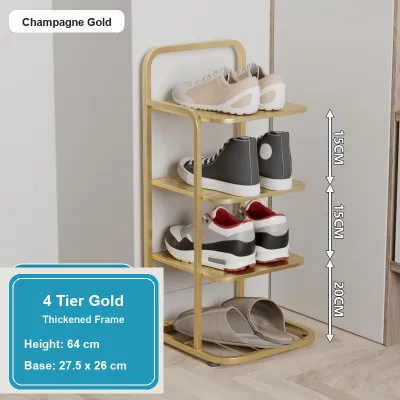
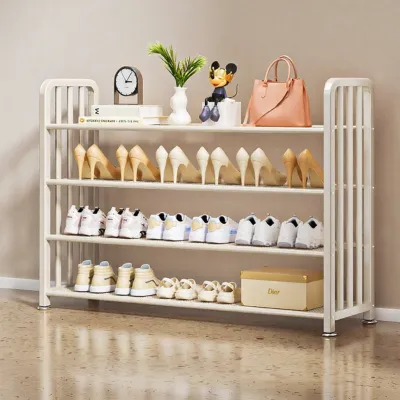
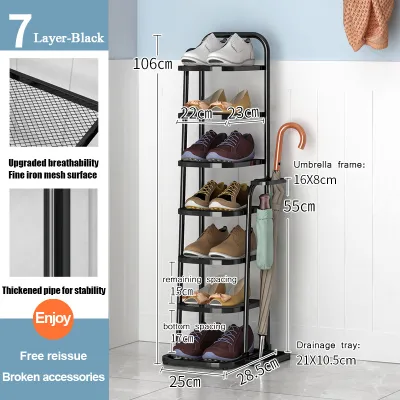
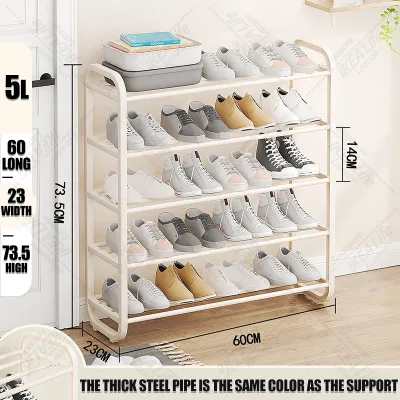
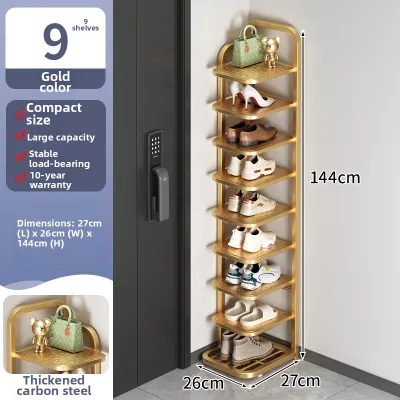
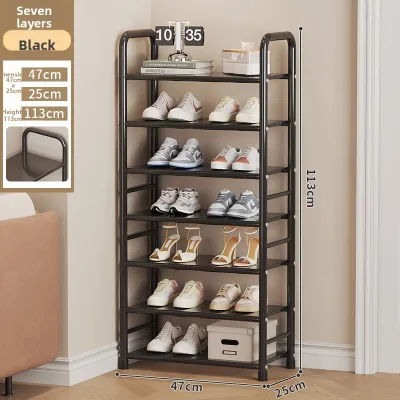
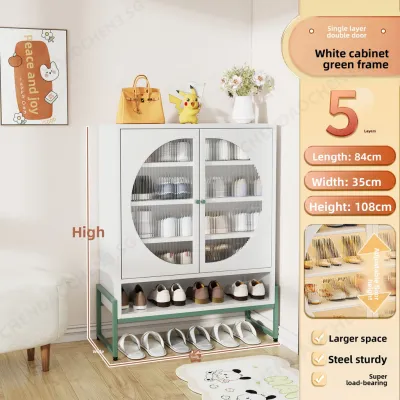
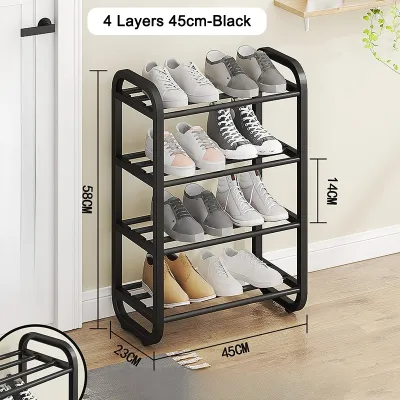
Prices are valid at publication and may change. Please refer to the product page for the latest price.
Setting realistic expectations for your budget tier is essential. While entry-level options can serve well for light, temporary storage, they often sacrifice material thickness and advanced rust protection. Mid-range and premium tiers introduce superior materials, such as heavy-gauge steel or stainless steel, along with specialized coatings that withstand Singapore’s high humidity. Understanding these distinctions allows you to allocate your budget effectively, ensuring you invest in a product that meets your specific household demands.
How to Inspect Build Quality and Durability
Verifying the physical construction of a metal shoe rack before purchase is the most reliable way to ensure its longevity. The first specification to examine is the metal gauge or tube thickness. Thicker metal walls prevent the frame from bending or denting under pressure. When reviewing product details, look for support tubes with a diameter of at least 15 millimeters and a wall thickness that feels rigid to the touch. If the manufacturer does not list these measurements, you can often gauge the quality by the overall weight of the package; heavier units generally indicate denser, more durable metal.

The method used to connect the structural parts is another critical indicator of durability. Welded joints offer the highest level of rigidity because they fuse the metal components into a single, solid structure. However, many modern shoe racks are shipped flat-packed and rely on screws, bolts, or plastic connectors. If choosing a bolt-together model, ensure the hardware is made of rust-resistant steel and includes lock washers to prevent the joints from loosening over time. Avoid racks that rely entirely on lightweight plastic corner joints, as these can become brittle and crack under heavy loads or prolonged exposure to ambient heat.
Surface treatment is paramount when selecting metal furniture for Singapore’s tropical climate. Raw or poorly painted steel will oxidize rapidly when exposed to moisture from wet shoes or humid air. Powder coating is the industry standard for high-quality metal finishes. This process involves applying a dry powder electrostatically and curing it under heat to create a thick, protective barrier that is highly resistant to scratches, chipping, and rust. Alternatively, chrome plating or stainless steel construction offers excellent moisture resistance, provided the materials are of high quality and properly maintained.
Finally, always verify the manufacturer’s stated weight capacity limits. A standard pair of adult shoes weighs between 0.5 and 1.5 kilograms. A fully loaded five-tier rack holding twenty pairs of shoes can easily support 20 to 30 kilograms of weight. Ensure the product specifications explicitly state a load capacity that exceeds your estimated requirements, and look for designs that feature horizontal support bars beneath each shelf to prevent the mesh or slats from sagging over time.
Matching Capacity and Dimensions to Your Entryway
Before committing to a specific metal shoe rack, you must carefully calculate your household’s storage needs and measure your physical space. Start by auditing your current footwear collection and projecting future purchases. A single adult typically requires storage for 10 to 15 pairs of shoes, including daily wear, formal shoes, and athletic footwear. For a multi-generational household, this number can quickly exceed 40 pairs.
To accommodate different shoe types, consider the vertical clearance between shelves. Standard flat shoes, sandals, and sneakers require a clearance of approximately 12 to 15 centimeters. However, high heels, ankle boots, and high-top sneakers need 20 to 30 centimeters of vertical space. Selecting a rack with adjustable shelves or varying tier heights allows you to maximize storage efficiency without crushing or damaging your footwear.
Accurate physical measurements of your entryway are critical to ensuring a safe and functional installation. Measure the available floor width, depth, and height, keeping in mind that the rack must not obstruct walkways, doorways, or electrical outlets. In Singapore, where entryway space in HDB flats and condominiums can be limited, a rack that is too deep can create a tripping hazard or block the front door from opening fully. Aim for a rack depth of 30 to 35 centimeters, which is sufficient for most shoe sizes without protruding excessively into the corridor.
Additionally, consider the logistics of delivery and placement. Verify the dimensions of your building’s lift, common corridors, and main doorway to ensure the packaged or pre-assembled unit can be transported safely to your home. If you plan to place the rack in a narrow hallway, look for models with sliding doors or open-front designs that do not require extra clearance to access your shoes. Stackable or modular metal shoe racks are also excellent options, as they allow you to expand your storage vertically as your needs grow without taking up additional floor space.
What to Expect Across Different Price Tiers
Understanding what features are available at different price points helps you make an informed decision and avoid overpaying. In Singapore’s retail market, metal shoe racks generally fall into three distinct price categories, each offering a different balance of materials, durability, and design.
The entry-level tier typically ranges from S$15 to S$40. Racks in this bracket are usually lightweight, flat-packed units featuring thin hollow steel tubes and plastic connectors. While they are highly affordable and easy to transport, they have limited weight capacities and are prone to wobbling if not balanced carefully. The surface finish is often a basic spray paint that can chip easily, exposing the underlying metal to rust. These racks are best suited for temporary living arrangements, light footwear, or placement inside a protected closet.
The mid-range tier, spanning from S$40 to S$120, offers the best balance of quality and value for most households. In this price bracket, you can expect full-metal construction with screw-in assembly and sturdier steel frames. These units almost always feature durable powder-coated finishes that provide excellent resistance to rust and scratches. Many mid-range racks incorporate practical design elements, such as wire mesh shelves that prevent thin heels from slipping through, adjustable leveling feet to stabilize the unit on uneven tiled floors, and stylish wood-look accents.
The premium tier, priced from S$120 to over S$300, is characterized by heavy-duty construction, superior materials, and multi-functional designs. Racks in this category are often made from thick-gauge carbon steel, industrial-grade stainless steel, or solid wrought iron. They frequently feature integrated wooden or cushioned benches, allowing you to sit comfortably while putting on your shoes. Premium units may also offer modular configurations, soft-close cabinet doors, or specialized anti-tip anchoring hardware for added safety. The finishes are exceptionally durable, designed to withstand heavy daily use and high humidity without showing signs of wear.
Where to Shop and What to Verify Before Checkout
Selecting the right retail channel is just as important as choosing the product itself. Official brand showrooms and established local furniture retailers allow you to inspect the physical build quality, test the stability of the display models, and verify the accuracy of the dimensions in person. Online marketplaces offer a wider selection and the convenience of home delivery, but they require a higher level of scrutiny to ensure you receive a genuine, high-quality product.
Before finalizing your purchase, carefully review the retailer’s return policy and warranty terms. A reputable manufacturer should offer a warranty of at least six months to a year against structural defects, such as broken welds or premature rust. If you are purchasing a complex or heavy premium unit, check if the retailer offers professional assembly services. While DIY assembly is common, professional installation ensures the rack is put together correctly and safely anchored if necessary.
Customer reviews are an invaluable resource for identifying potential issues that may not be apparent from product photos. When browsing reviews, look specifically for feedback regarding the ease of assembly, the sturdiness of the unit when fully loaded, and any reports of rust or missing hardware. Pay close attention to reviews written by buyers who have used the product for several months, as these provide the most accurate reflection of the rack’s long-term durability in a real home environment.
Frequently Asked Questions (FAQ)
How do I prevent a metal shoe rack from rusting in a humid environment?
To prevent rust, always wipe down wet or damp shoes with a dry cloth before placing them on the rack, especially after walking through rain. Avoid placing the rack in areas prone to high moisture, such as directly next to a washing machine or in an uncovered outdoor corridor. Periodically inspect the metal frame for any scratches or chips in the protective coating. If you notice any exposed metal, apply a small amount of rust-inhibiting primer or touch-up paint to seal the surface and prevent oxidation from spreading.
Can I assemble a metal shoe rack without professional help?
Yes, most entry-level and mid-range metal shoe racks are designed for straightforward DIY assembly and include all necessary hardware and basic tools, such as a hex key. Before beginning, lay out all the parts and verify them against the instruction manual’s inventory list. Follow the assembly steps sequentially, and avoid tightening the screws completely until the entire frame is assembled; this allows you to adjust the alignment and ensure the rack sits flat. If the parts do not align properly or the structure feels unstable after assembly, stop and contact the manufacturer or a professional installer to ensure safety.

Community discussion
Share your experience or ask a question. Comments are reviewed before publication.