
Finding the right kitchen cabinet brand for a custom island table kitchen in Singapore requires looking beyond glossy showroom displays to evaluate actual fabrication capabilities. Because Singapore homes—ranging from compact HDB flats to spacious landed properties—present unique spatial and structural constraints, the ideal brand is one that can customize dimensions down to the millimeter while safely integrating utilities like water and electricity. Homeowners must choose between local bespoke carpentry workshops, which offer high design flexibility and direct control over materials, and established modular kitchen brands, which provide standardized hardware systems and engineered finishes.
Evaluating these options systematically ensures you select a partner capable of delivering a durable, functional, and safe kitchen centerpiece. By understanding your spatial limits, assessing technical fabrication standards, and navigating the quotation process with clear criteria, you can confidently choose a brand that aligns with your home’s requirements.
Defining Your Custom Island Table Kitchen Needs
Before approaching any cabinet brand, you must establish the physical boundaries of your kitchen. In Singapore’s typical residential layouts, space is at a premium. A functional island requires a minimum clearance of 900mm to 1200mm on all sides to allow cabinet doors, drawers, and appliances like dishwashers or ovens to open fully without blocking walkways. Measure your kitchen’s footprint carefully to determine if a fixed island, a peninsula, or a mobile island cart is the most practical choice.
Products mentioned in this guide
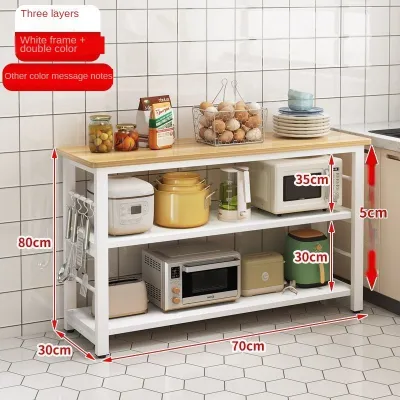
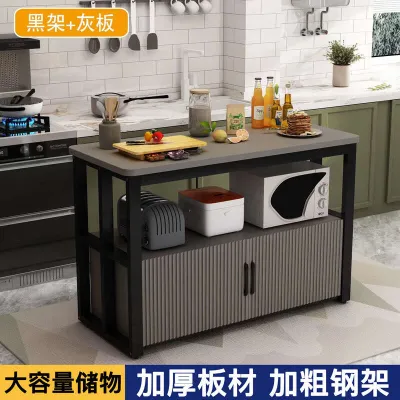
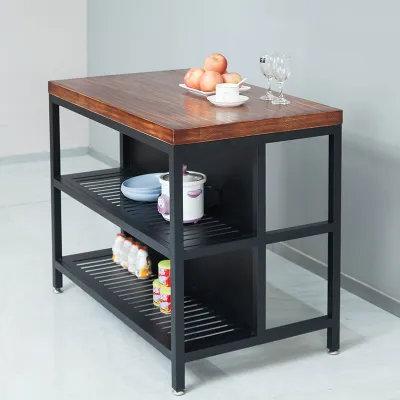
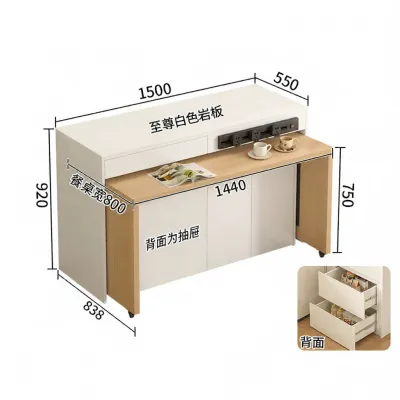
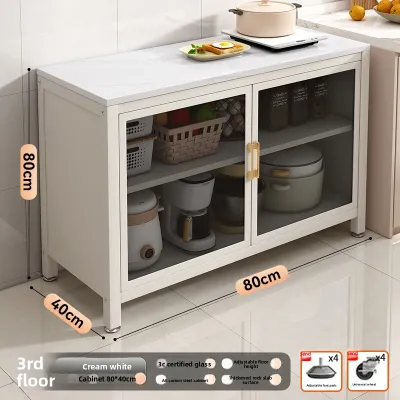
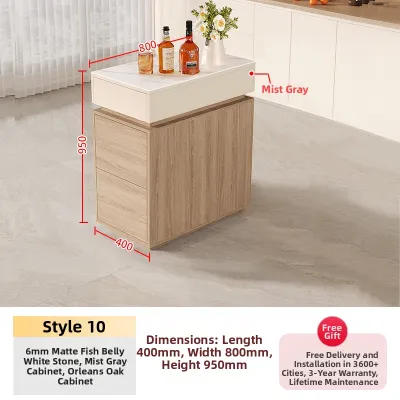

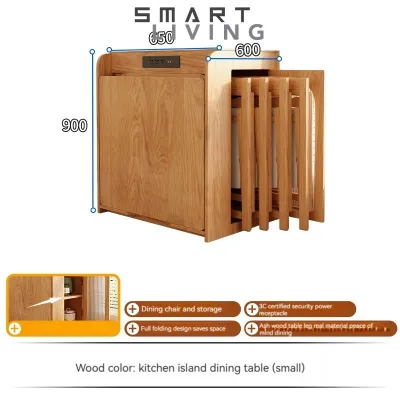
Prices are valid at publication and may change. Please refer to the product page for the latest price.
Next, define the primary role of your island table kitchen. If it serves mainly as a food preparation zone, you will need integrated power outlets and perhaps a small prep sink. If it is intended as a dining hub, the design must incorporate comfortable seating clearances and an overhanging countertop. For storage-heavy requirements, prioritize deep drawers, pull-out pantries, or custom spice racks built directly into the island’s base.
Material selection must align with your daily cooking habits and maintenance preferences. Heavy-duty cooking, common in local Asian kitchens, demands durable, non-porous countertop materials like quartz, sintered stone, or solid surfaces that resist heat and stains. For the cabinet carcass, moisture-resistant materials like blockboard or high-pressure laminates are essential to withstand Singapore’s humid climate, especially around sink areas.
Core Criteria for Evaluating Kitchen Cabinet Brands
When comparing kitchen cabinet brands in Singapore, the first step is to verify their manufacturing workflow. Some brands operate their own local carpentry workshops, allowing them to make rapid adjustments and offer highly customized joinery. Others outsource fabrication to regional factories, which can lead to longer lead times and less flexibility during installation. Ask brands directly where their cabinets are fabricated and how they handle custom sizing requests.

Examine the brand’s portfolio specifically for custom island installations. A capable brand should demonstrate a diverse range of completed projects, showing how they handle complex island configurations. Look for clean joinery lines, seamless countertop transitions, and robust structural supports for cantilevered dining sections. If a brand only showcases standard wall-aligned cabinets, they may lack the specialized expertise required to build a stable, freestanding island.
Transparency in material sourcing and hardware specifications is another critical differentiator. Reputable brands will clearly state the origin and grade of their wood substrates, laminates, and hardware. Look for brands that use certified low-formaldehyde materials to ensure indoor air quality. Furthermore, ensure they specify reputable, heavy-duty drawer runners and hinges, as island drawers are frequently used and carry significant weight.
Assessing Design and Fabrication Capabilities
A successful custom island is a complex engineering feat that goes far beyond basic cabinetry. If you plan to install a hob, sink, or dishwasher on your island, the cabinet brand must possess the technical expertise to coordinate plumbing and electrical routing. This is particularly challenging in Singapore HDB flats, where hacking concrete floors to run utility pipes requires specific permits and must adhere to strict building regulations. The brand should be able to provide clear technical drawings showing how pipes and cables will be safely concealed and accessed for maintenance.
The structural integrity of the island’s subframe is paramount, especially when using heavy countertop materials like natural granite, marble, or thick engineered quartz. A standard cabinet carcass may buckle under the weight of a large stone slab without proper reinforcement. Ask prospective brands how they reinforce their island frames—such as using internal metal supports or double-layered plywood tops—to distribute the weight evenly and prevent sagging over time.
Ergonomics and safety must also be designed into the structure. The standard height for a kitchen worktop is typically 850mm to 900mm, but if the island doubles as a dining table, you may need a split-level design or a dedicated overhang. For comfortable seating, an overhang of at least 300mm is necessary to provide adequate legroom. The brand’s designers should guide you through these dimensions, ensuring that the island remains stable and does not tip over when weight is applied to the cantilevered edges.
Navigating the Consultation and Quotation Process
To make an accurate comparison between brands, request highly detailed, itemized quotations. A vague quote that lumps “kitchen island fabrication” into a single lump sum makes it impossible to identify where your money is going. Ensure the quotation separates the costs for cabinet carcasses, door front materials, countertop fabrication, edge profiling, hardware (such as soft-close hinges and drawer slides), and on-site installation fees.
Be clear about potential additional fees that might not be included in the initial estimate. Ask whether the brand charges for design revisions, 3D rendering services, or initial site measurements. Some brands offer these services complimentary as part of a package, while others charge separate fees that can add up quickly. Clarifying these policies upfront prevents unexpected costs from inflating your renovation budget.
Lead times are another crucial factor to discuss during your consultation. Custom fabrication typically takes anywhere from four to eight weeks, depending on the complexity of the design and the origin of the materials. Imported modular systems or specialized countertop slabs may face shipping delays. Ask each brand for a realistic timeline and inquire about their policies regarding project delays, ensuring you understand how they manage coordination with other renovation contractors on-site.
Installation Standards and Post-Completion Support
The quality of your custom island ultimately depends on the skill of the installers. Even the most precisely fabricated cabinets can fail if they are not leveled and anchored correctly on-site. Verify that the brand uses experienced, qualified installers who understand how to secure a freestanding island to the floor without damaging underfloor heating, waterproofing membranes, or utility lines.
Review the warranty coverage offered by each brand. A comprehensive warranty should cover the structural integrity of the cabinet carcasses, the functionality of moving hardware like hinges and drawer runners, and the adhesion of laminates or edge bands. Be sure to read the fine print to understand what actions might void the warranty, such as exposing the cabinets to excessive moisture or heat.
Finally, establish clear communication protocols for post-completion support. After installation, you may notice minor alignment issues as the cabinets settle or hardware requires fine-tuning. A reliable brand should offer a dedicated after-sales service team with guaranteed response times to address these minor defects promptly, ensuring your custom island remains functional and beautiful for years to come.
Frequently Asked Questions (FAQ)
Do I need a structural engineer to install a heavy island table kitchen?
In most residential scenarios in Singapore, a standard custom kitchen island does not require a structural engineer. However, if you plan to install an exceptionally large, solid stone island (such as solid marble or concrete) in an older building or a condominium with specific floor load limits, it is wise to verify the weight limits. Standard residential floors are designed to support typical household loads, but extremely heavy, concentrated loads may require a professional assessment to ensure structural safety.
Can an existing kitchen cabinet brand modify my current layout to add an island?
Yes, many kitchen cabinet brands can modify an existing layout, but the feasibility depends heavily on your utility requirements and available space. If you want a simple prep island without plumbing or electricity, the modification is relatively straightforward, provided there is sufficient clearance. However, routing water pipes or electrical cables to a central island in an existing kitchen usually requires hacking the floor tiles, which can turn a minor modification into a major renovation project.

Community discussion
Share your experience or ask a question. Comments are reviewed before publication.