
Finding the ideal fabric 1 seater sofa for a Housing & Development Board (HDB) flat requires balancing compact dimensions, fabric resilience, and reliable local brand support. Because HDB living rooms, bedrooms, and study rooms often have strict spatial constraints, a 1 seater sofa serves as an excellent space-saving solution that adds comfort without overcrowding. Rather than looking for a single universal brand, homeowners should focus on identifying retailers that provide transparent specifications, reliable delivery services that navigate HDB lifts, and high-quality fabric options suited to Singapore’s warm, humid climate.
By focusing on structural integrity, fabric specifications, and precise spatial planning, you can find a piece of furniture that fits your home perfectly. This guide outlines the essential steps to measure your space, evaluate fabric durability, assess brand reliability, and compare key features to make an informed purchase decision.
Key Dimensions and Space Planning for HDB Flats
Before browsing online catalogs or visiting local showrooms, you must establish the exact spatial limits of your room. A 1 seater sofa might look compact in a spacious showroom, but it can easily overwhelm a cozy HDB living room or study. Start by using painter’s tape to map out the proposed footprint of the sofa on your floor. This physical outline helps you visualize how much floor space the sofa will occupy and ensures you maintain comfortable walkways. As a general rule, aim for at least 60 to 75 centimeters of clearance around the sofa to allow for unobstructed foot traffic and easy access to adjacent furniture like coffee tables, sideboards, or TV consoles.
Products mentioned in this guide
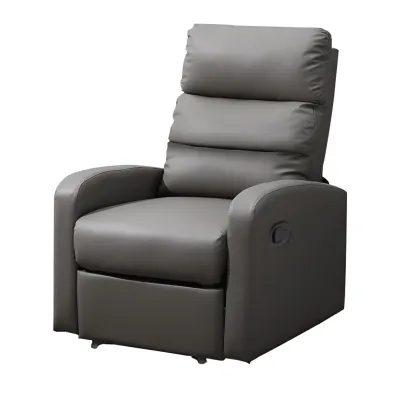
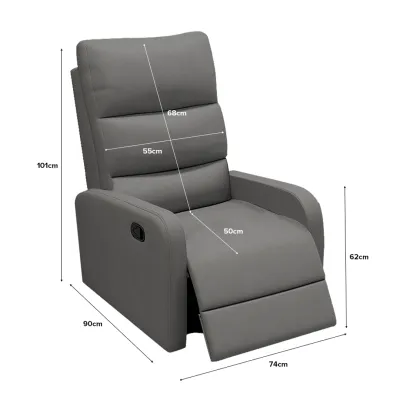
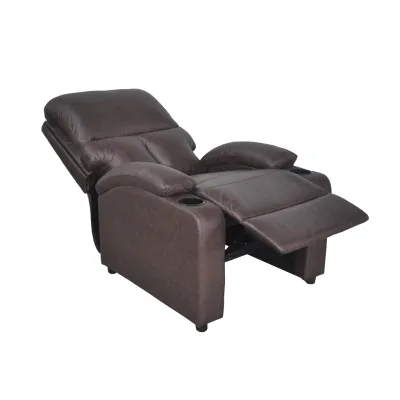
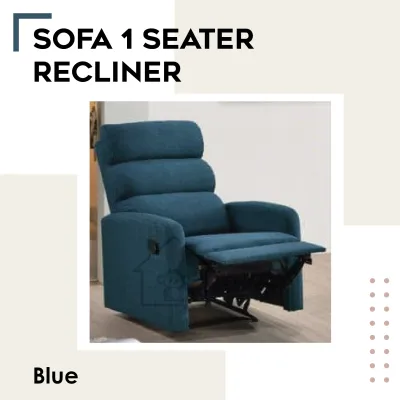

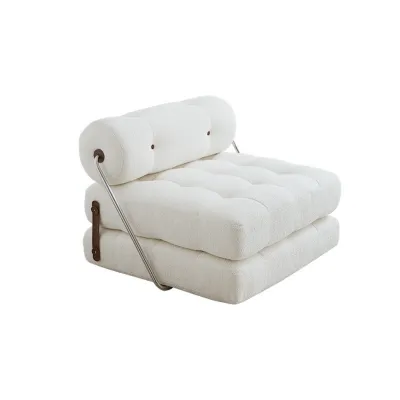
Prices are valid at publication and may change. Please refer to the product page for the latest price.
Beyond the room layout, you must carefully plan the delivery route from the unloading bay to your living room. Many furniture deliveries face unexpected hurdles because buyers overlook the physical constraints of high-rise living. Measure the width and height of your HDB block’s lift doors, the interior depth of the lift car, and the diagonal clearance inside the lift. If your building requires using the stairs, measure the width of the stairwells and the height of the landings. Additionally, measure your flat’s main entrance gate, front door, and any narrow hallways the delivery team must navigate. Knowing these dimensions beforehand allows you to verify with the retailer whether the sofa can be delivered safely without damage to your property or the furniture.
If you are considering an adjustable or reclining 1 seater sofa, spatial planning becomes even more critical. Reclining models require additional clearance both in front and behind the chair to function properly. Check the manufacturer’s specifications for the required “wall clearance”—the distance needed between the back of the sofa and the wall when fully reclined—as well as the front clearance needed for the footrest to extend. In a compact HDB layout, a recliner that requires significant rear clearance may force you to place the sofa far into the room, disrupting the flow of the space. For tight areas, look for “wall-hugger” designs that slide forward as they recline, minimizing the space needed behind the backrest.
Evaluating Fabric Durability and Maintenance
Singapore’s tropical climate, characterized by high humidity and warm temperatures, demands careful consideration of sofa fabric materials. When evaluating different fabric options, look for manufacturer labels that indicate the fabric’s abrasion resistance, often measured by the Martindale method. The Martindale test simulates natural wear by rubbing a standard abrasive fabric against the test material. For a daily-use living room sofa, look for a rating of at least 15,000 to 20,000 rubs, which indicates general domestic suitability. If you have a busy household with pets or young children, opting for heavy-duty fabrics rated at 30,000 rubs or higher will ensure the material resists thinning, pilling, and tearing over years of use.

The composition of the fabric also plays a major role in both comfort and maintenance. Synthetic fibers, such as high-quality polyester, nylon, or acrylic blends, are highly durable, resistant to stretching, and less prone to moisture absorption, making them excellent choices for humid environments. Natural fibers like cotton and linen offer superior breathability and a soft texture, but they tend to absorb moisture more readily and can be more challenging to clean. Many modern furniture brands offer performance fabrics that blend synthetic durability with the soft feel of natural fibers, providing a balanced solution for local homes.
Stain and water resistance are key features that simplify long-term maintenance. Many manufacturers apply factory-grade protective coatings to their fabrics, which cause liquids to bead up on the surface rather than soaking into the fibers. While these treatments are highly effective at preventing immediate stains from spills, it is important to understand their limitations. Factory-applied coatings can gradually wear off over time due to friction and cleaning. Ask the retailer about the specific care instructions for treated fabrics, as using harsh chemical cleaners or abrasive scrubbing can strip away the protective layer prematurely.
For the ultimate ease of maintenance, prioritize 1 seater sofas that feature fully removable and washable covers. Removable covers allow you to address deep stains, dust mites, and general accumulation of dirt by either machine washing them at home or taking them to a professional dry cleaner. Before purchasing, verify whether the entire cover—including the frame cover—can be removed, or if the removable covers are limited only to the seat and back cushions. Additionally, check the care label to confirm if the fabric is machine-washable or dry-clean only, as washing dry-clean-only fabrics at home can cause shrinkage and prevent the covers from fitting back onto the sofa frame.
Criteria for Selecting Reliable Furniture Brands
When searching for a reliable furniture brand in Singapore, transparency in product specifications is a primary indicator of quality. A reputable brand should provide comprehensive specification sheets for their 1 seater sofas, detailing the exact dimensions, frame construction materials, and internal filling types. Avoid brands that use vague descriptions like “hardwood frame” without specifying the wood type, or “foam filling” without indicating the density. Look for brands that openly state the use of kiln-dried solid wood frames, such as larch, birch, or oak, which are less likely to warp or crack in humid conditions. Transparent specifications allow you to make objective comparisons between different models and ensure you are paying for genuine quality.
Another critical factor is the warranty coverage provided by the brand. A comprehensive warranty reflects the manufacturer’s confidence in their product’s longevity. When reviewing warranty terms, look for clear distinctions between different components of the sofa. A reliable brand typically offers a longer warranty period (ranging from 5 to 10 years) for the structural frame and suspension system, and a shorter period (1 to 3 years) for the foam cushioning, stitching, and fabric integrity. Be sure to read the fine print to understand what constitutes a manufacturing defect versus normal wear and tear, such as the natural softening of foam cushions over time.
Finally, evaluate the brand’s local customer support, delivery logistics, and post-purchase services. Confirm whether the brand manages its own delivery and assembly teams or relies on third-party contractors, as in-house teams often handle furniture with greater care. Ask about their policies regarding delivery scheduling windows, assembly fees, and potential extra charges for non-lift accessible floors. Additionally, review the brand’s return, exchange, and cancellation policies. A reliable brand should offer a clear, fair process for handling items that arrive damaged or do not match the ordered specifications, including transparent information about restocking fees or return shipping costs.
Building Your Shortlist: Features to Compare
Once you have identified a few reliable brands, you can begin comparing specific 1 seater sofa models to find the most comfortable and structurally sound option. Start by comparing the ergonomic dimensions of each model to ensure they suit the primary user’s body type. Pay close attention to the seat depth, seat height, and backrest angle. A seat depth of 50 to 60 centimeters generally allows you to sit comfortably with your back supported without feeling swallowed by the chair. The seat height should allow your feet to rest flat on the floor with your knees bent at a comfortable 90-degree angle, typically around 40 to 45 centimeters from the ground. If possible, visit a showroom to test these dimensions in person, paying attention to how easy it is to stand up from the chair.
The internal filling materials determine both the initial comfort and the long-term shape retention of the sofa. High-resilience (HR) polyurethane foam is a popular choice for quality sofas because it offers excellent support and quickly returns to its original shape after use. Look for foam density ratings; higher density foam (typically 30 kg/m³ or higher) provides firmer support and lasts significantly longer than low-density alternatives. Some models combine a high-density foam core with a softer outer wrap made of polyester fiber or down feathers, offering a plush, sink-in feel while maintaining structural support. If you prefer a bouncy, responsive seat, look for models that incorporate pocket springs within the foam cushions.
In addition to the filling, inspect the frame construction and suspension details provided in the product documentation. The suspension system lies beneath the cushions and supports your weight; common types include sinuous (no-sag) springs or high-strength elastic webbing. Sinuous springs offer a firmer, more supportive feel and excellent durability, while elastic webbing provides a softer, more uniform distribution of weight. Check the manufacturer’s specified weight capacity for the 1 seater sofa, which typically ranges from 100 to 150 kilograms for a well-constructed frame. A higher weight capacity is a strong indicator of robust joinery, such as double-dowelled, glued, and screwed corner blocks, which prevent the frame from wobbling or squeaking over time.
Pre-Purchase Checklist and Delivery Coordination
Before finalizing your purchase and proceeding to checkout, complete a thorough pre-purchase checklist to prevent delivery complications and ensure a smooth setup. Double-check your order summary to confirm that the selected fabric color, texture, and model dimensions match your planned layout. If you visited a showroom, keep in mind that showroom lighting can differ significantly from the lighting in your HDB flat. If the brand offers fabric swatches, bring them home to see how the color looks under your flat’s natural daylight and warm evening lighting.
Next, clarify all delivery logistics and associated fees with the retailer. Confirm the scheduled delivery date and time window, and ensure that someone will be present at home to receive and inspect the sofa. Ask the brand if they provide old furniture disposal services if you need to clear out an existing chair; some brands offer this service for a nominal fee, while others may require you to coordinate with your local Town Council for bulky item removal. Additionally, verify if the delivery fee includes professional assembly on-site, or if the sofa arrives fully assembled and ready for use.
Finally, confirm whether the brand provides the necessary care instructions, cleaning guides, and assembly tools if self-assembly is required. If the sofa features removable legs, check if they are packed separately and require simple hand-tightening or specific tools like Allen keys. Once the delivery team arrives, inspect the sofa thoroughly before signing the delivery receipt. Check the fabric for any snags, stains, or loose stitching, and test the stability of the frame by sitting on it. Addressing any issues immediately with the delivery team ensures a faster resolution and guarantees that your new fabric 1 seater sofa is a perfect, comfortable addition to your HDB home.
Frequently Asked Questions (FAQ)
What factors influence the price of a fabric 1 seater sofa?
The price of a fabric 1 seater sofa is primarily determined by the quality of its internal materials, the grade of the upholstery fabric, and the level of craftsmanship. Sofas constructed with kiln-dried solid hardwood frames and high-density, high-resilience foam cushions cost more upfront but offer superior longevity compared to those made with engineered wood and low-density foam. Additionally, premium performance fabrics that feature advanced stain resistance or high Martindale abrasion ratings will increase the cost. Included services, such as extended structural warranties, professional local delivery, and on-site assembly, also contribute to the overall pricing structure of reputable brands.
Are reclining 1 seater sofas practical for small HDB living rooms?
While reclining 1 seater sofas offer exceptional comfort, they may not always be practical for compact HDB living rooms due to their spatial requirements. Recliners typically have a larger, bulkier footprint than stationary armchairs and require significant clearance space both in front for the footrest and behind the backrest to recline fully. This can restrict your layout options and disrupt walkways in tight spaces. If you have limited space but still want to lounge, a practical alternative is a compact, stationary 1 seater sofa paired with a separate, lightweight ottoman. This setup provides similar leg support while allowing you to move the ottoman aside when it is not in use, preserving valuable floor space.

Community discussion
Share your experience or ask a question. Comments are reviewed before publication.