
In Singapore’s tropical climate, keeping footwear pristine presents a dual challenge: protecting shoes from fine ambient dust while preventing mold growth caused by high relative humidity. Standard open shelving leaves shoes exposed to settling dust, while poorly designed closed cabinets can trap moisture and ruin delicate materials like leather and suede. Finding a reliable dustproof shoe rack brand requires looking beyond aesthetic marketing to evaluate structural sealing, material resilience, and ventilation features.
When shopping for an enclosed shoe storage solution, the right brand should offer a balance of tight tolerances to block dust and smart design elements to manage airflow. By understanding what structural details to inspect and how to verify material specifications, you can select a durable cabinet that fits your home’s layout and protects your footwear collection for years to come.
What Makes a Shoe Rack Truly Dustproof?
To effectively block dust, a shoe rack must feature a highly sealed enclosure. The primary entry points for fine dust are the gaps around doors and drawer fronts. When evaluating different brands, closely inspect the door sealing mechanisms. Premium models often utilize magnetic door catches or tension latches that pull the doors flush against the cabinet frame, leaving no room for dust to drift inside. Overlapping door panels, such as those with rabbet joints or overlapping center lips, are highly effective at sealing the vertical gap found in double-door cabinets.
Products mentioned in this guide
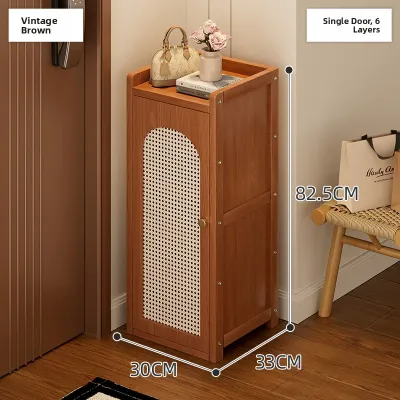
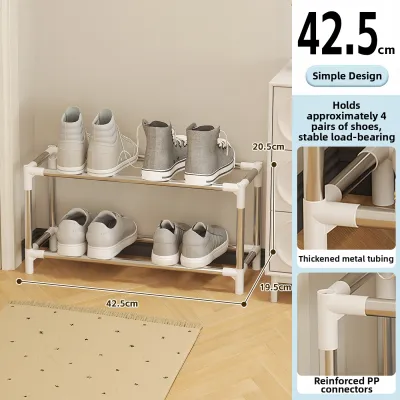
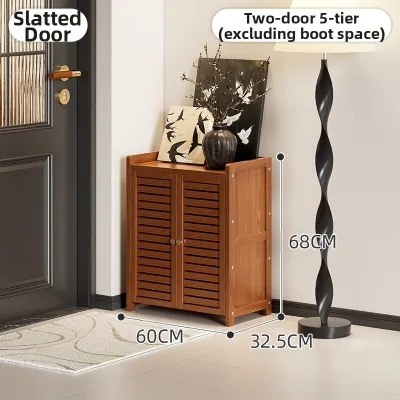
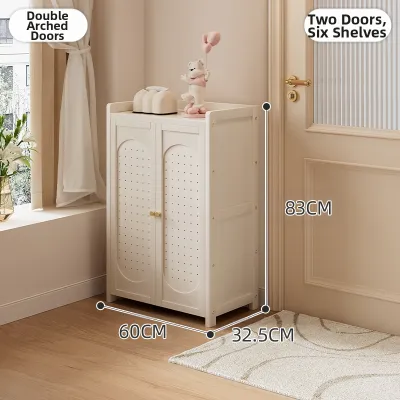
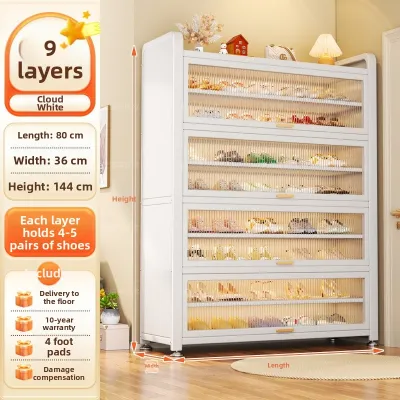
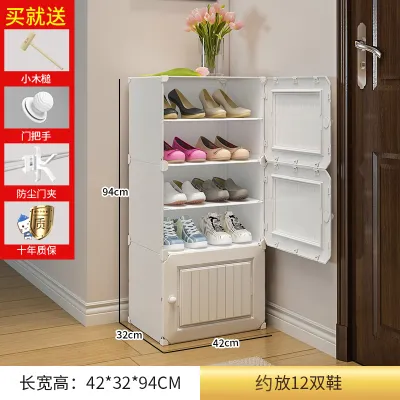
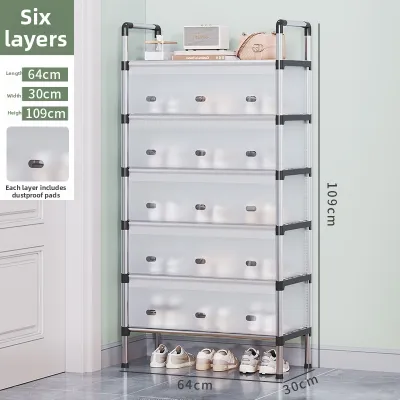
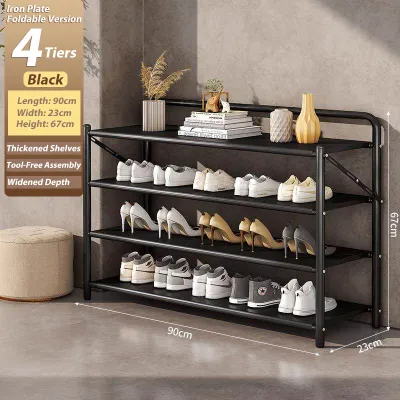
Prices are valid at publication and may change. Please refer to the product page for the latest price.
Gap tolerances are a critical indicator of manufacturing quality. A gap of more than two millimeters between the door and the frame is enough to allow significant dust accumulation over time. Look for brands that use adjustable, concealed hinges. These hinges allow you to fine-tune the door alignment during assembly or maintenance, ensuring that gaps remain minimized and uniform across the entire front of the cabinet.
Comparing different structural designs reveals varying levels of dust protection:
- Fully Enclosed Rigid Cabinets: Constructed from solid wood, engineered wood, or metal with a solid back panel, these offer the highest level of dust mitigation. They create a stable, sealed microenvironment for your shoes.
- Fabric-Covered Racks: Often featuring zippered canvas or non-woven fabric covers, these are lightweight and budget-friendly. However, they are less effective over time as dust can penetrate the fabric pores and enter through zipper teeth. The fabric is also more susceptible to wear and tearing in humid conditions.
- Slatted Door Cabinets: While aesthetically pleasing, slatted doors do not provide true dust protection unless they are backed by a solid inner panel or a very fine mesh screen. Without this backing, dust will settle directly onto your shoes.
For maximum protection, some specialized brands incorporate dust-exclusion details such as integrated brush strips or silicone gaskets along the door edges. Similar to the seals found on high-end wardrobes, these gaskets block fine particles while cushioning the doors to prevent slamming.
Evaluating Brand Reputation and Build Quality
Assessing a brand’s reliability requires looking past promotional claims and focusing on verifiable construction metrics. Start by reviewing the manufacturer’s warranty terms. A brand that stands behind its build quality will offer explicit warranties covering structural components, shelf stability, and moving hardware like hinges and drawer slides. Be cautious of brands that only offer a standard return policy with no long-term warranty, as this often indicates lower-grade materials and hardware.

Hardware quality is the backbone of any enclosed cabinet. Because dustproof shoe racks require frequent opening and closing, the hinges and tracks bear constant stress. Look for heavy-duty, soft-close hydraulic hinges made of steel or brass. These hinges prevent the doors from slamming, which can loosen joints and misalign the doors over time. For sliding door models, inspect the track smoothness; high-quality brands use aluminum or steel tracks with ball-bearing rollers that prevent sticking and ensure a tight seal when closed.
Analyzing user feedback patterns can reveal how a brand’s products perform after months of daily use. Look for consistent mentions of the following issues in customer reviews:
- Shelf Sagging: This occurs when shelves are too thin or lack adequate mid-span support, causing them to bow under the weight of heavy footwear.
- Door Misalignment: If doors begin to sag or fail to close tightly after a few months, it often points to low-quality hinges or weak cabinet frames that warp under load.
- Edge Banding Peeling: In humid environments, poor-quality adhesives will fail, causing the protective edge banding to peel away from engineered wood panels and expose the core to moisture.
Material Choices and Humidity Management
In Singapore, material selection is directly tied to the longevity of your furniture. Standard particleboard is highly susceptible to moisture absorption, which leads to swelling, warping, and structural failure. When researching brands, look for product labels that specify High Moisture Resistant (HMR) boards, Medium Density Fibreboard (MDF) treated with moisture-resistant resins, or solid hardwoods sealed with protective polyurethane coatings.
Edge banding is another critical defense mechanism. High-quality brands use laser edge banding or polyurethane (PUR) adhesives to seal the raw edges of engineered wood panels. This seamless seal prevents humid air from penetrating the core of the board, significantly reducing the risk of mold growth and material degradation.
Managing humidity is a delicate balancing act when dealing with dustproof storage. A completely airtight cabinet will trap moisture from damp shoes or ambient humidity, creating an ideal breeding ground for mold and unpleasant odors. To prevent this, look for brands that design smart, indirect ventilation features. These include:
- Mesh-Backed Rear Vents: Small ventilation cutouts on the back panel covered with fine wire or polymer mesh that allow air circulation while blocking dust ingress.
- Downward-Angled Louvers: Front door slats angled downward to allow air exchange while preventing falling dust from entering the cabinet.
- Internal Dividers with Air Gaps: Shelves designed with a slight gap at the back to allow air to circulate vertically throughout the cabinet.
Always verify the manufacturer’s care instructions before purchasing. High-quality finishes, such as melamine laminates or powder-coated metals, are easy to clean and resist moisture. Avoid brands that restrict cleaning to dry dusting only, as you will periodically need to wipe down the interior with a damp cloth to maintain hygiene.
Space Planning and Safety Requirements
Before committing to a specific brand or model, precise spatial planning is essential to ensure the unit fits your home safely. Begin by measuring your designated entryway or corridor. In Singapore, public housing guidelines require maintaining a clear escape path in common corridors, making slim-profile shoe cabinets highly popular. These units, often featuring tipping bucket shelves, typically have a depth of only 15cm to 25cm, allowing them to fit flush against the wall without obstructing walkways.
Ensure you measure the door swing clearance of the cabinet. Standard swing doors require ample space to open fully, which can block narrow hallways or conflict with household shelter doors. If space is tight, consider brands that offer sliding doors or tipping compartments that do not extend far into the room when opened.
Weight capacity is another critical safety factor. Enclosed cabinets can become incredibly heavy when fully loaded with multiple pairs of shoes. Check the manufacturer’s specifications for the maximum load capacity per shelf, which should ideally be at least 10kg to 15kg for standard shelves. Look for a shelf thickness of 15mm or more to prevent bowing over time.
Because dustproof shoe cabinets are tall, narrow, and front-heavy when the doors are opened, they present a significant tipping hazard. Reputable brands will include anti-tip safety kits with their tall units. These kits allow you to anchor the cabinet securely to the wall. Keep in mind that anchoring to concrete walls requires a masonry drill and appropriate wall plugs, so verify whether the brand provides these installation accessories or if you need to source them separately.
Navigating Purchasing Channels and Delivery
When you are ready to buy, choosing the right purchasing channel can impact your overall satisfaction and protection against defects. Buying directly from a brand’s physical showroom or an authorized dealer allows you to inspect the build quality, test the door seals, and verify the material finishes in person. Online marketplaces and ecommerce platforms offer convenience and often a wider selection, but they require diligent reading of specification sheets and customer reviews to avoid low-quality imitations.
Before finalizing your order, verify the delivery constraints of your home. Enclosed shoe cabinets are often delivered fully assembled or in large, heavy flat-packs. Measure your building’s lift door width, lift cabin depth, and any tight corners in your stairwell or entryway to ensure the delivery team can safely transport the item to your unit. Some older residential estates in Singapore have smaller lifts that may not accommodate tall, pre-assembled cabinets.
Finally, clarify the assembly services and post-delivery policies. Many brands offer professional assembly either included in the price or as an add-on service. Opting for professional assembly is highly recommended for dustproof cabinets, as experienced installers can align the doors and hinges perfectly to ensure a tight, dustproof seal. Always confirm the defect reporting window—typically 24 to 72 hours after delivery—so you can thoroughly inspect the cabinet for transit damage, misaligned panels, or missing hardware before the return window closes.
Frequently Asked Questions (FAQ)
How often should I clean the inside of a dustproof shoe rack?
You should perform a quick visual inspection of your shoe rack every month and a thorough cleaning every three to six months. Look for any fine dust settling on the lower shelves or near the door hinges. To clean, remove all shoes and wipe down the interior surfaces with a slightly damp microfiber cloth and a mild, non-abrasive cleaner. Ensure the interior is completely dry before replacing your shoes, and check any ventilation mesh or vents to ensure they are free of lint and dust blockages.
Do fully enclosed shoe racks cause odors?
Fully enclosed shoe racks can trap odors and moisture if shoes are stored immediately after use. To prevent this, always allow your shoes to air out and dry completely before placing them inside the cabinet. You can also place active moisture absorbers, such as silica gel packets, activated charcoal bags, or baking soda containers, on the shelves to absorb excess humidity and neutralize odors. Choosing a brand that incorporates indirect ventilation features will also significantly reduce odor buildup.
Can I add dustproof features to an existing open rack?
While you can attempt to retrofit an open shoe rack, DIY solutions often have significant limitations. Adding fabric curtains or tension rods can block some dust, but they tend to collect dust themselves and do not provide a tight seal. Applying adhesive magnetic strips or weather stripping to wood finishes can damage the surface laminate or veneer over time. Additionally, adding heavy doors to an open frame that was not engineered to support the extra weight can compromise the structural stability of the rack, making it unsafe.

Community discussion
Share your experience or ask a question. Comments are reviewed before publication.