
Finding the ideal multi-functional sofa bed couch for a compact Singapore home—such as a high-rise HDB flat or a modern condominium—requires balancing spatial efficiency, mechanical durability, and comfort. Because space is at a premium, a couch that doubles as a bed must serve both roles without compromising the room’s flow. Rather than searching for a single “universal winner,” homeowners should evaluate brands based on their mechanism reliability, storage integration, and physical dimensions.
To make an informed decision, you must look beyond aesthetic appeal and focus on how a piece of furniture operates within your specific layout. A well-chosen multi-functional couch can transform a study into a guest room or maximize a studio apartment’s limited footprint. By understanding the mechanical designs, material limits, and delivery constraints common to Singapore’s housing landscape, you can select a durable model that fits your lifestyle.
Assessing Your Space and Layout Constraints
Before browsing online catalogs or visiting local showrooms, you must establish the exact physical boundaries of your room. A multi-functional couch has two distinct footprints: its closed state as a seated couch and its fully extended state as a bed. You must measure both configurations carefully, mapping out the floor space with masking tape to visualize how the furniture will interact with your daily movements.
Products mentioned in this guide
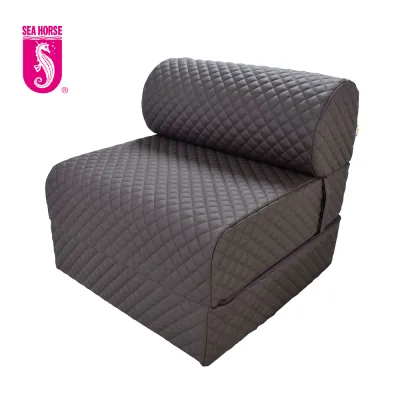
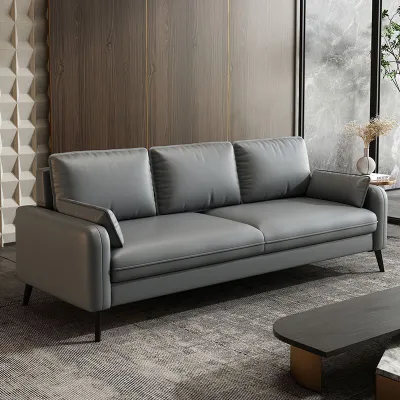
Prices are valid at publication and may change. Please refer to the product page for the latest price.
Walkway clearance is the most critical factor when the couch is fully extended. Ideally, you should maintain a clear path of at least 50 to 60 centimeters around the sides and foot of the bed. This ensures you can move comfortably through the room at night without climbing over the mattress or squeezing against walls. If the extended bed blocks a primary pathway or prevents a bedroom door from opening, the layout is fundamentally compromised.
Vertical and lateral obstructions also require close attention. Measure the height of nearby window sills, low-hanging air conditioning units, wall-mounted shelves, and ceiling fans. A click-clack mechanism, for example, requires a small gap between the backrest and the wall to operate, while a pull-out frame needs ample clearance in front. Additionally, consider the placement of existing furniture like coffee tables, sideboards, or floor lamps, which must be easily moved whenever you convert the couch.
Finally, align the couch’s design with the primary function of the room. If the space serves as a main living room where the couch is used daily for seating and only occasionally for guests, prioritize seating ergonomics and fabric durability. Conversely, if the unit is placed in a study or spare room to serve as a primary bed, the quality of the internal mattress and the ease of the folding mechanism become your top priorities.
Essential Space-Saving Features in a Multi-Functional Couch
True multi-functionality in a couch goes beyond simply folding flat; it involves smart design elements that actively save space and reduce clutter. Built-in storage compartments are among the most valuable features for small apartments. Many modern designs utilize the hollow space beneath the seat cushions or within a chaise lounge, accessible via gas-lift struts or pull-out drawers. This hidden storage is perfect for stowing bulky items like spare pillows, winter blankets, or bed linens, freeing up valuable wardrobe space.

The type of folding mechanism directly impacts both the couch’s footprint and its long-term reliability. Click-clack mechanisms are popular for their simplicity and lightweight frames, making them easy to operate with a simple push-and-pull motion. However, they often result in a sleeping surface with a central seam, which some sleepers find uncomfortable. Pull-out mechanisms, which slide forward from beneath the seat cushions, offer a more traditional, flat mattress surface but feature more moving parts that require regular inspection.
Modular designs provide another layer of versatility for tight layouts. These systems consist of individual seating blocks, ottomans, and backrests that can be rearranged to fit different corners or separated to create individual chairs. While modular units offer unmatched flexibility, they require manual alignment and do not always feature integrated storage. When evaluating modular options, check how the individual pieces lock together to prevent them from sliding apart during use.
Adaptable components like reversible chaises and adjustable armrests can make a significant difference in a tight room. A reversible chaise allows you to configure the L-shape on either the left or right side, ensuring the couch can adapt if you move to a new apartment or rearrange your current layout. Adjustable or removable armrests can also save precious centimeters of width, allowing a larger seating or sleeping surface to fit into a narrower wall alcove.
Criteria for Evaluating Sofa Bed Brands and Retailers
When shopping for a multi-functional couch in Singapore, choosing the right brand and retailer involves verifying their quality standards and local support systems. Physical showroom testing is highly recommended before making a purchase. Online photos cannot convey the actual firmness of the cushions, the stability of the frame, or the smoothness of the folding mechanism. Visit a showroom to test the transition yourself; the mechanism should operate smoothly without grinding, sticking, or requiring excessive physical force.
Examine the structural integrity of the frame and joints during your showroom visit. High-quality frames typically utilize kiln-dried hardwood or powder-coated steel, which resist warping and bending under repeated use. Avoid brands that rely heavily on thin particleboard or plastic joints in load-bearing areas. Sit on the edges of the extended bed to check for tipping or sagging, which indicates poor weight distribution or weak support legs.
Warranty terms offer a clear indication of a brand’s confidence in its product’s durability. Look for warranties that explicitly cover the moving parts, folding hinges, and structural frames, rather than just the fabric upholstery. A standard fabric warranty rarely covers mechanical failure, which is the most common issue with multi-functional furniture. Ensure the retailer provides a clear, written warranty policy detailing how mechanical repairs or part replacements are handled.
Finally, assess the retailer’s logistical capabilities and after-sales service. Ask about their delivery timelines, especially if the item is made-to-order or imported. Reliable retailers should offer clear communication regarding delivery windows and have a dedicated customer service channel to handle potential issues. Additionally, inquire whether they stock replacement parts like replacement hinges, springs, or gas-lift struts, as the ability to repair a minor mechanical issue can extend the lifespan of your couch by several years.
Pre-Purchase Measurement and Delivery Checklist
A common oversight when purchasing large furniture is failing to account for the delivery route. Even if a multi-functional couch fits perfectly inside your living room, it must first navigate the journey from the delivery vehicle to your apartment door. You must measure every access point along this path, including building elevators, stairwells, corridor corners, and the final entryway doorway.
Start by measuring the height, width, and diagonal depth of your building’s elevator doors and interior cabin. If the elevator is too small, the delivery team may need to use the stairwell, which often incurs additional fees and increases the risk of damage to the furniture. Measure the clearance of tight corridor corners and low ceilings in the stairwell to ensure the delivery team can maneuver the packaged couch safely. Finally, measure the clear opening width of your apartment’s main door and any interior doorways leading to the destination room.
Confirming the maximum weight capacity of the extended bed frame is another crucial safety step. Multi-functional couches often have lower weight limits than traditional stationary beds due to the hinges and folding joints. Check the manufacturer’s specifications to ensure the frame can safely support the combined weight of two adults, especially if it will be used frequently. Avoid assuming a frame is sturdy based on its appearance alone; always verify the official load capacity.
Lastly, clarify the scope of the delivery service before finalizing your purchase. Many multi-functional couches feature complex mechanical assemblies that arrive flat-packed or in multiple heavy boxes. Check if the retailer’s delivery package includes professional assembly and the removal of packaging materials. Professional installation is highly recommended for complex pull-out or gas-lift mechanisms, as improper assembly can lead to misalignment, squeaking, or premature mechanical wear.
Maintaining Foldable Mechanisms and Storage Compartments
To ensure your multi-functional couch remains smooth and reliable for years, you must establish a regular maintenance routine. Foldable mechanisms rely on multiple moving joints, hinges, and track bolts that experience friction during every conversion. Periodically inspect these visible metal components and tighten any loose screws or bolts using basic hand tools. If you notice squeaking or resistance when opening the bed, apply a small amount of manufacturer-approved silicone lubricant to the pivot points, taking care to protect the surrounding fabric from oil stains.
Keep the built-in storage compartments clean, dry, and organized. Avoid overloading these spaces beyond the manufacturer’s specified weight limits, as excessive weight can bow the bottom panels or strain the gas-lift struts. When closing a storage compartment equipped with gas-lift cylinders, press down evenly with both hands to prevent twisting or misaligning the struts. Regularly vacuum the interior of the storage compartments to remove dust, lint, and debris that can accumulate over time.
Fabric care is equally important for maintaining both the appearance and hygiene of your couch. Always refer to the manufacturer’s specific fabric care labels before attempting to clean spills or stains. Avoid using harsh chemical cleaners, bleach, or excessive water, which can seep into the cushions and degrade the internal foam or rust the metal mechanism below. For routine cleaning, vacuum the upholstery using a soft brush attachment to remove dust and allergens from the crevices and folding seams.
Frequently Asked Questions (FAQ)
Can a sofa bed couch be used as a primary bed for daily sleeping?
While some high-end multi-functional couches are designed for frequent use, most standard models are intended for occasional guest sleeping. Standard sofa bed cushions or thin pull-out mattresses typically do not offer the same level of spinal support and pressure relief as a dedicated daily mattress. Over time, daily sleeping on a folding mechanism can cause the cushions to sag unevenly and accelerate wear on the hinges. If you must use a sofa bed as your primary sleeping surface, look for brands that specify their models are suitable for daily use, and consider adding a removable mattress topper to improve support, provided you have a separate space to store the topper when the couch is folded.
How do I prevent mold or odors in the built-in storage of a sofa bed?
Singapore’s humid climate makes enclosed storage spaces susceptible to moisture buildup, which can lead to mold, mildew, and musty odors. To prevent this, always ensure that bed linens, pillows, and blankets are completely dry before storing them inside the couch’s compartments. Place moisture absorbers, silica gel packs, or charcoal deodorizers inside the storage area to actively absorb excess humidity, replacing them regularly as they saturate. Additionally, leave the storage compartment open for a few hours during dry, breezy days to air out the interior, and follow the manufacturer’s instructions for cleaning the lining material.

Community discussion
Share your experience or ask a question. Comments are reviewed before publication.