
Selecting the right fabric wardrobe for a compact HDB bedroom in Singapore requires balancing physical dimensions with structural integrity. While permanent built-in carpentry offers a seamless look, it is costly and inflexible. Fabric wardrobes present a highly practical, lightweight, and budget-friendly alternative, especially for rental units, temporary setups, or spare rooms. To find the best fit, you must look beyond generic size labels and instead evaluate specific frame materials, cover textiles, and internal configurations. The ideal choice is a unit that maximizes vertical storage, maintains a stable footprint, and resists the high humidity typical of Singapore’s climate, all while leaving sufficient clearance for daily movement.
Measuring Your HDB Bedroom for a Freestanding Wardrobe
Before browsing online marketplaces, precise physical measurements of your bedroom are essential. HDB bedrooms, particularly in newer flats, often have tight layouts where every centimeter counts. Begin by mapping out the floor area where you plan to place the wardrobe. You must ensure there is a minimum clearance of 60 to 70 centimeters in front of the wardrobe to allow a person to stand, walk, and access their clothes comfortably. If the wardrobe is positioned near your bed, measure the gap between the bed frame and the wardrobe base to prevent creating a cramped bottleneck.
Next, account for the door swing radius of other furniture and the room itself. Although many fabric wardrobes use roll-up or zippered doors that do not swing outward, you must still ensure that adjacent bedroom doors, toilet doors, or wardrobe drawers can open fully without obstruction.
Products mentioned in this guide
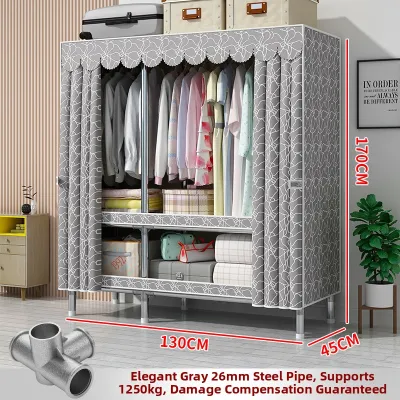
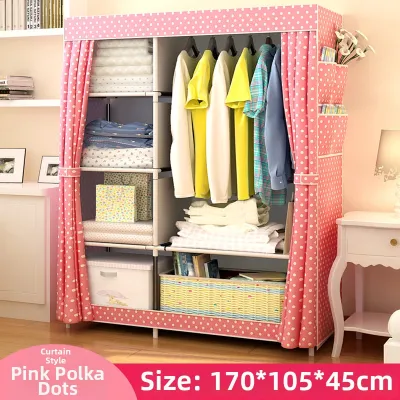
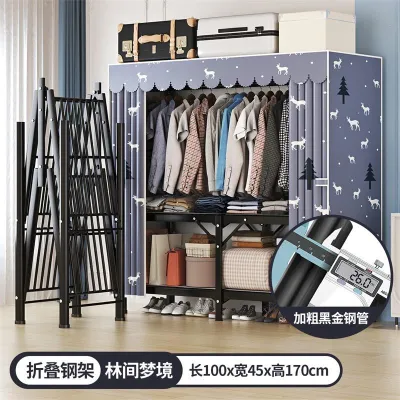
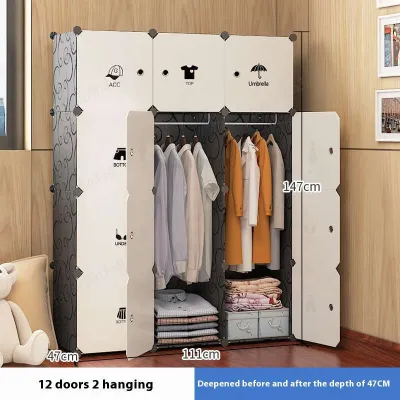
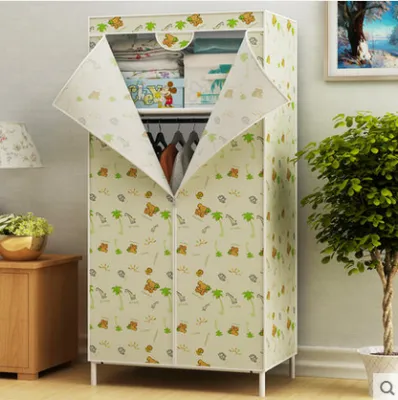
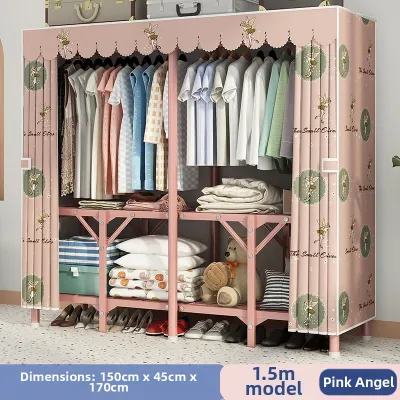
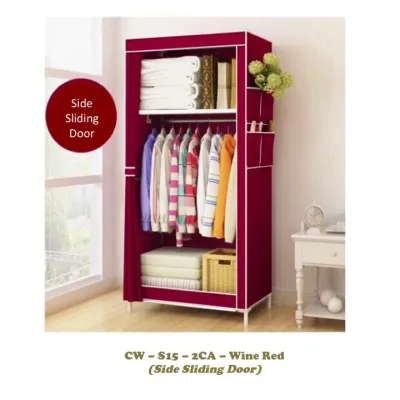
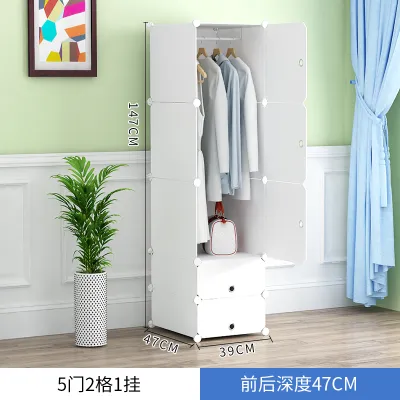
Prices are valid at publication and may change. Please refer to the product page for the latest price.
Vertical clearance is another critical factor that is frequently overlooked. Measure the height from the floor to the ceiling, keeping a close eye on any overhead fixtures. In Singapore homes, you must verify that the top of the wardrobe will not interfere with ceiling fans, air-conditioner trunking, or light fixtures. A wardrobe placed too close to an air-conditioning unit can block airflow or become exposed to direct condensation drips, while proximity to a ceiling fan poses a severe safety hazard.
Finally, inspect the floor itself. Many HDB bedrooms feature skirting boards along the base of the walls, which can prevent a freestanding wardrobe from flushing completely against the wall. This creates a small gap at the back, slightly increasing the wardrobe’s actual footprint. Additionally, check for any slight unevenness in the flooring, as even a minor slope can cause a tall, lightweight fabric wardrobe to lean, compromising its structural stability.
Key Structural Features to Look for in Compact Models
When evaluating fabric wardrobes on e-commerce platforms, the internal frame is the most critical component determining durability. Most budget-friendly models utilize tubular steel frames, but the quality of these tubes varies significantly. Look for manufacturers that specify the diameter and wall thickness of the steel tubes. Frames with a tube diameter of 16mm to 25mm generally offer much better resistance to bending and swaying than thinner 13mm alternatives.

Equally important are the connectors that hold the frame together. These are typically made of plastic (such as PP or ABS) or metal. Plastic connectors should be thick and slightly flexible to prevent cracking during assembly or under heavy loads. If you plan to store heavier garments, prioritize models that feature reinforced plastic joints or, ideally, metal screw-in connectors, which provide a much more rigid frame structure.
To prevent the wardrobe from sagging or bowing over time, examine the base structure and the distribution of crossbars. A high-quality fabric wardrobe should feature multiple horizontal support bars beneath the shelving areas rather than relying solely on the fabric shelves to hold weight. Look for models that include middle support legs or a reinforced bottom frame, which helps distribute the weight evenly across the floor.
While stability is paramount, you should also consider the overall weight of the empty unit. A lightweight frame is easier to assemble and reposition during routine room cleaning or when rearranging your bedroom layout. However, a unit that is too light may lack the necessary ballast to remain stable when fully loaded. Aim for a balanced model where the frame itself has some inherent heft, and ensure you verify the manufacturer’s maximum load-bearing capacity specifications before making a purchase.
Choosing the Right Fabric Cover and Door Mechanism
The exterior cover of your wardrobe serves both an aesthetic and a protective function. In tight HDB bedrooms, the door mechanism of the cover plays a major role in daily usability. Zippered panels that open from the center or sides are highly common and effective at keeping dust out. However, they require two hands to operate and can be tedious if you access the wardrobe frequently. Roll-up flaps, which can be secured at the top with velcro or straps, offer quick and easy access but may expose your clothes to dust if left open. Some modern designs feature sliding fabric curtains on tracks, which glide smoothly and do not require extra clearance to open, making them excellent for narrow walkways.
When assessing the fabric material, look closely at the product specifications for fabric density and weave. Non-woven fabrics are common in entry-level models; while lightweight and breathable, they are prone to tearing at stress points over time, especially around the zippers and corners. Oxford fabric (such as 210D or 600D polyester) is significantly more durable, offering superior tear resistance and a longer lifespan.
In Singapore’s humid tropical climate, moisture management is a vital consideration. Untreated fabrics can trap humidity, leading to musty odors or mold growth on your clothing. Look for fabric covers that explicitly state they are water-resistant or have a protective coating that prevents moisture absorption. At the same time, the cover must offer adequate ventilation. Some models feature breathable mesh panels at the back or sides, which encourage airflow and prevent stagnant, humid air from settling inside the wardrobe.
Optimizing Internal Layouts for Maximum Storage
To make the most of a compact wardrobe footprint, you must select an internal layout that aligns with your specific wardrobe inventory. Start by evaluating the hanging rod placement. If you wear many long dresses, coats, or traditional attire, you will need a section with sufficient vertical clearance. For shorter items like shirts, folded trousers, and skirts, a double-hanging configuration—featuring two rods stacked vertically—can instantly double your hanging capacity. Always verify the weight limit of the hanging rod, as heavy winter coats or dense fabrics can easily cause a weak rod to bend or collapse.
Adjustable or removable shelving offers the flexibility needed to accommodate changing storage needs. If you have bulky items such as winter wear, extra bedding, or plastic storage boxes, being able to remove a shelf to create a larger compartment is incredibly useful. Look for models where the fabric shelves are supported by metal bars rather than just tensioned fabric, as this prevents the shelves from sagging under the weight of folded clothes.
To maintain the wardrobe’s structural integrity, utilize the lower tiers for your heaviest items. Placing heavy storage bins, shoe racks, or spare bedding at the very bottom of the wardrobe lowers its center of gravity. This simple organization strategy significantly improves the overall stability of the freestanding unit, making it much less likely to sway or tip forward when you pull items from the upper shelves.
Assembly, Stability, and Long-Term Maintenance
Proper assembly is the foundation of a safe and durable fabric wardrobe. When your unit arrives, resist the urge to rush through the setup. Carefully follow the manufacturer’s step-by-step instructions, ensuring that every steel tube is fully inserted into its corresponding connector. If a tube is only partially inserted, the frame will be misaligned, putting uneven stress on other joints and significantly reducing the overall weight capacity. Avoid forcing parts together with excessive violence; if a joint is tight, a rubber mallet or dipping the plastic connectors in warm water can help them slide on more easily.
Because fabric wardrobes are lightweight and often tall, they can present a tipping risk, especially when placed on carpeted floors or when heavily loaded on the upper shelves. Check if the manufacturer includes a wall-anchoring kit or anti-tip straps. If you live in an HDB flat, you must ensure that any drilling into walls complies with housing guidelines and does not interfere with concealed utility pipes or electrical wiring.
Maintaining your wardrobe over time requires minimal but regular effort. Establish a routine to inspect the frame connections every few months, gently pushing the tubes back into their joints if they have vibrated loose. Clean the fabric cover periodically by wiping it down with a damp cloth and a mild detergent; avoid soaking the fabric or using harsh chemicals that could degrade the water-resistant coating. Keeping the wardrobe clean and structurally tight ensures it remains a reliable storage solution for years to come.
Frequently Asked Questions (FAQ)
Can I place a fabric wardrobe near an air-conditioner or window?
It is generally best to avoid placing a fabric wardrobe directly beneath an air-conditioner or right next to an open window. Direct sunlight from windows can cause the fabric cover to fade and degrade over time, weakening the fibers and making them prone to tearing. Furthermore, air-conditioners can occasionally drip condensation, and open windows can let in rainwater during sudden tropical downpours. This excess moisture can seep into the fabric cover and the stored clothing, creating an ideal environment for mold, mildew, and musty odors to develop.
How do I prevent a tall fabric wardrobe from tipping over?
To prevent a tall fabric wardrobe from tipping, always distribute weight strategically by keeping the heaviest items, such as books, heavy storage boxes, or shoes, on the bottom shelves. This lowers the unit’s center of gravity and anchors it to the floor. Additionally, use the provided anti-tip straps or wall anchors to secure the frame to the wall. When drilling into HDB concrete walls, ensure you use appropriate wall plugs and screws, and always verify that you are not drilling near electrical conduits or water pipes.

Community discussion
Share your experience or ask a question. Comments are reviewed before publication.