
Finding a reliable mobile clothes rack in Singapore requires looking beyond basic aesthetics to evaluate structural integrity, material quality, and spatial compatibility. In a market filled with generic options and branded imports, identifying a durable rack involves verifying manufacturer specifications, understanding how materials withstand local humidity, and matching the unit’s dimensions to typical apartment layouts. Rather than relying on vague marketing claims, smart buyers focus on verifiable engineering details like steel gauge, joint construction, and caster design to ensure their investment does not buckle under the weight of a full wardrobe.
Core Criteria for Evaluating Clothes Rack Brands
When assessing different mobile clothes rack brands, the level of detail provided in the product specifications is often the first indicator of quality. Reputable manufacturers do not simply label their products as “heavy-duty metal.” Instead, they provide clear transparency regarding frame materials, specifying whether they use powder-coated carbon steel, stainless steel, or high-grade aluminum alloys. Knowing the specific metal and its thickness, or gauge, allows you to anticipate how well the frame will resist bending under load and withstand the high humidity levels common in Singapore homes.
Weight capacity declarations are another critical differentiator between premium brands and low-cost alternatives. Reliable brands clearly distinguish between static load capacity—the weight the rack can hold when completely stationary—and dynamic load capacity, which is the safe weight limit when rolling the rack across a floor. A brand that fails to specify a dynamic load limit or provides a single, unrealistically high weight rating may not have subjected its products to rigorous safety testing.
Products mentioned in this guide
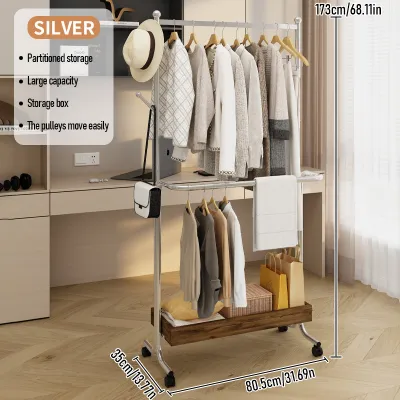
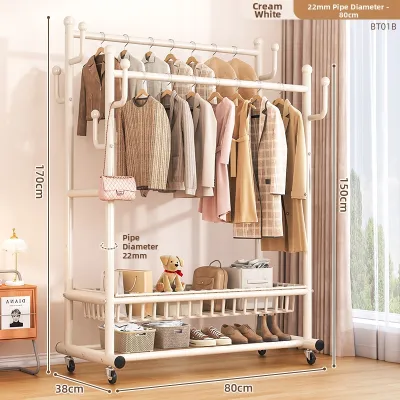
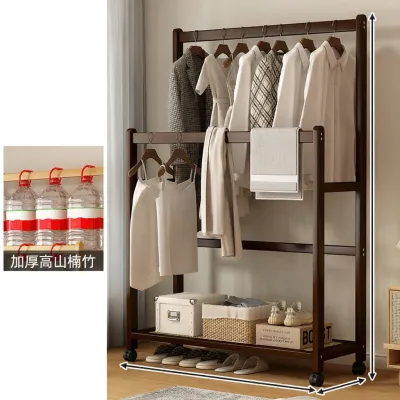
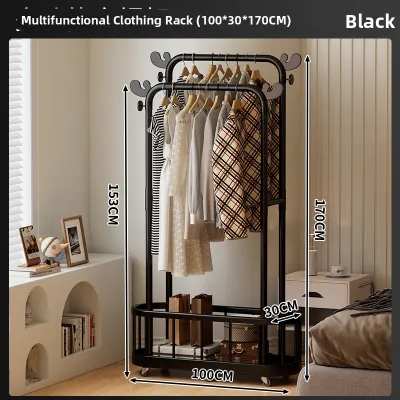
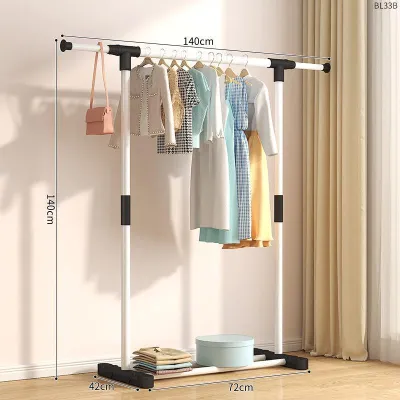
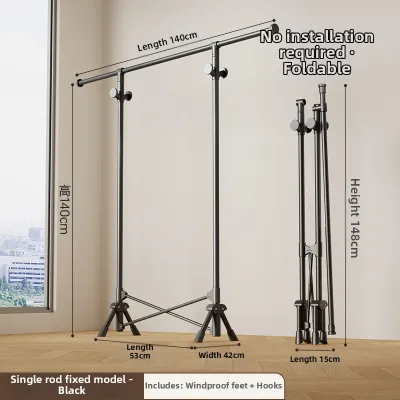
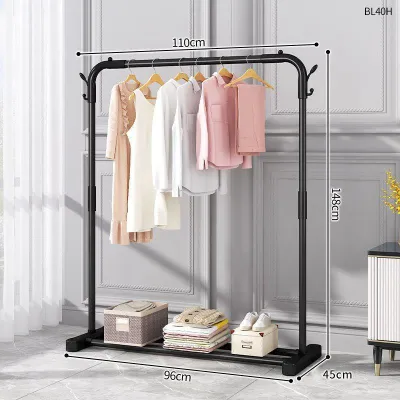
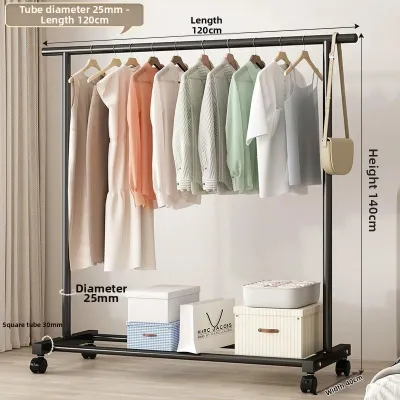
Prices are valid at publication and may change. Please refer to the product page for the latest price.
Warranty terms and the availability of replacement parts also signal a brand’s commitment to durability. Look for manufacturers that offer explicit warranties covering structural defects, weld failures, or joint breakage for a defined period. Furthermore, established brands often maintain an inventory of individual components, allowing you to purchase replacement caster wheels, locking knobs, or extension poles directly, rather than forcing you to discard the entire rack if a single part wears out.
Evaluating the price-to-value ratio is also essential when comparing brands. While budget-friendly options under S$30 are widely available, they often utilize thinner metal tubing and plastic joints that wear out quickly. Investing in a mid-range or premium brand, which may range from S$50 to over S$150, often yields a significantly lower cost-per-year of use due to superior materials and construction. A higher initial investment can save you the hassle and expense of replacing a collapsed rack every few months.
Finally, analyzing customer feedback patterns across multiple retail channels can reveal how a brand’s products perform over months or years of daily use. Pay close attention to recurring comments regarding long-term stability, joint integrity, and rust resistance. If multiple reviews highlight issues with sagging horizontal bars, cracked plastic connectors, or peeling finishes after exposure to semi-outdoor balcony environments, these are clear indicators of substandard manufacturing.
Essential Features to Inspect Before Purchase
The overall usability and lifespan of a mobile clothes rack depend heavily on several physical checkpoints that you should inspect before making a purchase. Caster wheels are the primary point of contact with your floor and bear the brunt of the movement. High-quality racks feature wheels with a generous diameter to easily clear door thresholds and sliding door tracks. They should also include reliable locking mechanisms on at least two wheels to keep the rack securely in place, and the wheel tread should be made of floor-safe materials like polyurethane to prevent scratching.

The joints and connection structures are the most common failure points on cheap clothes racks. When evaluating a brand, compare welded joint designs with screw-assembled connections. Welded joints generally offer superior rigidity and wobble resistance, provided the welds are smooth and continuous. For racks that require home assembly, look for heavy-duty metal brackets and locking bolts rather than thin plastic sleeves, which tend to degrade, crack, and lose their grip over time under constant pressure.
Adjustability mechanisms add versatility but can compromise stability if poorly engineered. If you opt for a rack with telescopic poles or extendable side wings, inspect the locking collars or pins. Screw-tightened compression collars must have a textured, ergonomic grip and a robust internal clutch to prevent the upper poles from slipping downward when loaded with heavy garments. Pin-lock systems, which use physical metal pins inserted through pre-drilled holes, offer a more secure, slip-proof alternative, though they limit height adjustments to fixed increments.
The ease of assembly and the quality of the included hardware are often overlooked features that define a brand’s user experience. Premium brands typically supply high-tensile steel screws, custom-fitted hex keys, and clear, step-by-step illustrated manuals. Some even design tool-free assembly systems utilizing heavy-duty snap-lock buttons or hand-tightened tension knobs. Conversely, lower-tier brands may provide poorly threaded screws and flimsy disposable wrenches that strip easily, turning a simple assembly process into a frustrating chore.
The base design of the rack directly dictates its tipping resistance. Single-pole bases with small feet are highly susceptible to tipping if the weight is not perfectly centered. Double-pole bases or H-shaped frames provide a much wider footprint, distributing the load more evenly and lowering the overall center of gravity. For maximum stability, especially when hanging heavy winter coats or damp laundry, prioritize wide H-shaped bases made of heavy-gauge steel that resist twisting when the rack is pushed.
Matching Rack Configurations to Your Space
Selecting the right mobile clothes rack requires a precise understanding of your home’s physical layout and your specific storage needs. Before purchasing any model, measure the clearances of your doorways, hallway turns, and elevator dimensions if you plan to move the rack between rooms or transport it during a move. In many Singapore apartments, tight corridors and compact utility yards leave little room for error, making a rack that is even slightly too wide or tall a major daily inconvenience.
For high-density storage needs, a single hanging rod may quickly prove insufficient. Double-tier or multi-rod configurations allow you to maximize vertical space, making them ideal for organizing shorter garments like shirts, folded trousers, and children’s clothes. However, ensure that the vertical distance between the rods is adjustable so that longer dresses or coats do not drag on the lower tiers or the floor.
Multi-functional designs that incorporate bottom shelves or wire baskets offer excellent utility, but they require careful weight distribution. A bottom shelf is perfect for storing heavy storage boxes, shoes, or folded bedding, which actually helps stabilize the rack by keeping the weight concentrated near the floor. Avoid configurations where the bottom shelf is made of flimsy fabric or thin plastic mesh that cannot support these heavier items without sagging.
If you only require a clothes rack for temporary tasks, such as drying laundry on sunny days or hosting guests, foldable and collapsible options are highly practical. When evaluating these models, check the folded dimensions to ensure the unit can slide easily under a bed, behind a wardrobe, or into a utility closet. Pay close attention to the hinge mechanisms; they must be constructed from durable metal alloys that can withstand repeated folding and unfolding without loosening or bending.
Where to Source and Verify Brands Locally
Finding a reliable mobile clothes rack in Singapore involves choosing the right purchasing channels to ensure you receive authentic products and dependable customer support. Visiting established home furnishing retailers and department stores allows you to physically inspect the merchandise before buying. In a physical store, you can test the rigidity of the frame by gently shaking it, check the smoothness of the caster wheels on different floor surfaces, and verify the ease of use of any adjustment mechanisms.
When shopping online, it is crucial to distinguish between official brand stores on major e-commerce platforms and unauthorized third-party resellers. Purchasing directly from an official brand store or an authorized distributor ensures that you receive a genuine product and access to the manufacturer’s official warranty. Third-party sellers may offer lower prices, but they often lack the authorization to honor warranties or provide genuine replacement parts if the rack fails.
If possible, visit local showrooms or experience centers where brands display their full product lineups. These spaces provide an excellent opportunity to compare different models side-by-side and ask staff detailed questions about material specifications, weight capacities, and assembly requirements. Testing the product in person eliminates the guesswork associated with online shopping and helps you avoid the hassle of returning an unsuitable, heavy item.
Before finalizing your purchase, carefully review the retailer’s return policies, delivery options, and assembly services. Some local brands offer professional assembly upon delivery, which ensures the rack is put together correctly and safely. Additionally, responsive local customer service is invaluable if you receive a package with missing hardware or damaged components, as a local office can quickly dispatch replacement parts without the long delays associated with overseas shipping.
Assembly, Safety, and Daily Maintenance
Proper assembly, safe usage, and regular maintenance are essential to maximize the lifespan of your mobile clothes rack and prevent accidents. When assembling your rack, strictly follow the manufacturer’s instructions and tightening sequences. Avoid using power tools unless explicitly recommended, as over-tightening can strip screw threads or crush metal tubing. Ensure all locking pins, collars, and bolts are fully secured before placing any weight on the frame.
Load distribution is a fundamental safety consideration for any mobile furniture piece. Always place heavier items, such as coats, denim, or storage boxes, on the lower shelves or toward the center of the hanging rods. This practice maintains a low center of gravity, significantly reducing the risk of the rack tipping over when it is moved or bumped. When hanging garments, distribute them evenly across the entire length of the rod rather than clustering them at one end.
Routine maintenance takes only a few minutes but can prevent premature wear and floor damage. Periodically inspect the caster wheels to clear away hair, dust, or fiber debris that can clog the axles and prevent them from rolling smoothly. Check all joint screws and locking collars every few months, tightening any that have vibrated loose through daily movement. Wipe down the metal frame with a dry or slightly damp microfiber cloth according to the manufacturer’s care instructions to remove dust and sweat residues.
Finally, learn to recognize the warning signs that indicate a rack is no longer safe to use. If you notice persistent squeaking that does not improve with cleaning, visible bending in the horizontal rods, or hairline cracks in plastic joint connectors, discontinue use immediately. Forcing a compromised rack to carry a heavy load can lead to sudden structural failure, potentially damaging your clothing, ruining your flooring, or causing personal injury.
Frequently Asked Questions (FAQ)
How much weight can a typical mobile clothes rack hold?
To determine how much weight a mobile clothes rack can safely support, you must consult the manufacturer’s official specifications rather than relying on general estimates. Standard residential racks typically support between 15 kg and 40 kg of static weight, while heavy-duty commercial models can often handle 80 kg or more. Always distinguish between static weight capacity and dynamic weight capacity. The dynamic limit, which applies when the rack is in motion, is invariably lower than the static limit. Exceeding these thresholds can cause the frame to bend or the casters to fail.
Are metal or wooden mobile clothes racks better for humid climates?
In Singapore’s humid climate, both metal and wooden racks can perform well, provided they have the appropriate surface treatments. For metal racks, look for powder-coated finishes, chrome plating, or high-grade stainless steel, which provide a robust barrier against moisture and rust. For wooden racks, ensure the wood is fully sealed with a water-resistant varnish or polyurethane coating to prevent mold growth and warping. Always refer to the manufacturer’s care instructions, as even treated materials require regular wiping and adequate ventilation to remain in optimal condition.
Can mobile clothes racks damage laminate or vinyl flooring?
Mobile clothes racks can potentially scratch or dent laminate and vinyl flooring if they are equipped with hard plastic wheels or if debris becomes trapped beneath the casters. To protect your floors, select a brand that uses soft polyurethane or rubber-coated caster wheels, which glide smoothly without leaving marks. Ensure the floor is kept clean of grit and dirt that could get ground into the surface under the weight of the rack. If you plan to keep a heavily loaded rack stationary for long periods, consider placing protective cups or a durable mat beneath the wheels.

Community discussion
Share your experience or ask a question. Comments are reviewed before publication.