
Finding a reliable maker for custom stainless steel kitchen cabinets in Singapore requires looking beyond standard modular showrooms. Because Singapore’s tropical humidity accelerates the wear of traditional wood-composite cabinets, stainless steel has become a highly sought-after alternative for long-term durability. However, achieving a seamless fit in unique HDB layouts, older apartments with irregular structural pillars, or compact condominium kitchens demands true custom fabrication rather than off-the-shelf modular units. To secure a kitchen that is both functional and structurally sound, homeowners must know how to evaluate local fabricators, verify material specifications, and navigate the technical design process.
Understanding True Customization vs. Modular Adjustments
Many suppliers advertise “custom” kitchens, but they actually sell modular systems. Modular systems use pre-fabricated cabinet boxes in standard widths, such as 300mm, 450mm, or 600mm. When these units do not fit the exact wall-to-wall dimensions of your kitchen, the installer covers the remaining gaps with wide filler panels. While this fills the space visually, it wastes valuable storage area and creates unnecessary seams where dirt can accumulate.
True custom fabrication involves cutting, bending, and welding stainless steel sheets to the precise millimeter of your kitchen’s layout. This is crucial for non-standard angles, such as those found in older HDB flats or homes with angled walls. A custom maker designs the cabinet carcase—the inner frame—to wrap around structural pillars or accommodate sloped ceilings without relying on thick cosmetic filler strips.
Products mentioned in this guide
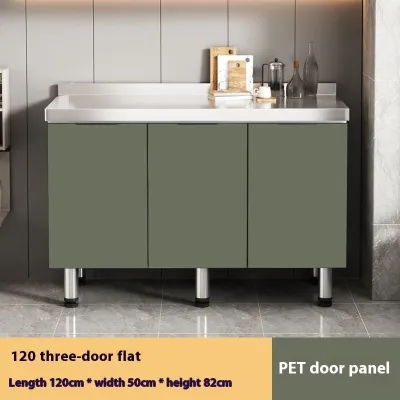
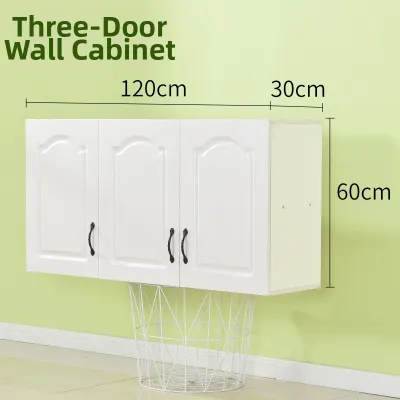
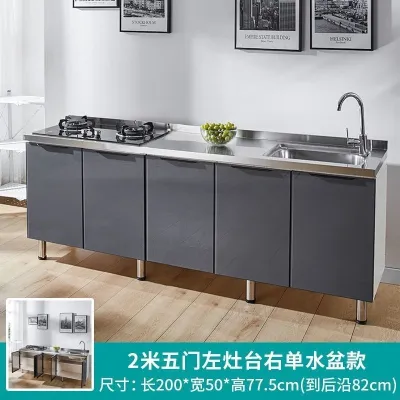
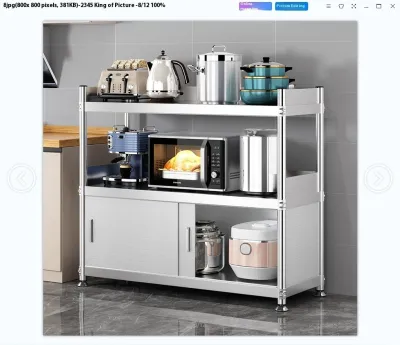
Prices are valid at publication and may change. Please refer to the product page for the latest price.
To verify a maker’s capabilities, ask to see technical drawings of past projects or request a visit to their local fabrication workshop. A true custom maker will have specialized machinery like CNC fiber lasers, hydraulic press brakes, and TIG welding stations. They should be able to explain how they construct the cabinet carcase to fit your specific space, rather than trying to force standard modular sizes into an irregular layout.
Key Material and Build Specifications to Verify
Do not assume all stainless steel is the same. For residential kitchens in Singapore, Grade 304 is the industry standard due to its excellent corrosion resistance in humid environments. For homes located near coastal areas, Grade 316 offers even higher resistance to salt-air corrosion. Always ask the fabricator to provide mill certificates or material test reports to verify the steel grade before production begins.

The thickness of the steel sheet, often measured in millimeters, directly impacts the cabinet’s structural integrity. Look for a minimum sheet thickness of 0.8mm for cabinet doors and carcases, and 1.2mm to 1.5mm for heavy-use countertops. Thinner sheets are more susceptible to warping and denting over time.
Because hollow stainless steel panels can produce a loud, metallic echoing sound when doors are closed or items are placed on the counter, the internal core infill is critical. High-quality custom cabinets use aluminum honeycomb cores or high-density polyurethane foam. These materials provide structural rigidity, prevent denting, and act as excellent sound dampeners. Avoid makers who use cheap, non-waterproof particleboard cores, as these can still swell and rot if water penetrates the seams.
Surface finishes also dictate daily usability. While a mirror finish looks striking, it easily highlights fingerprints, water spots, and fine scratches. Brushed, hairline, or embossed finishes are far more practical for busy kitchens, as their textured surfaces naturally diffuse light and mask minor wear over time.
Evaluating the Measurement and Design Process
A successful custom installation relies entirely on the accuracy of the initial site measurement. In Singapore, this measurement must take place after all wet works—such as floor screeding, wall tiling, and plumbing rough-ins—are fully completed. Even a minor 5mm discrepancy in wall thickness after tiling can prevent a fully welded stainless steel countertop or cabinet run from sliding into place.
During the design phase, verify how the maker plans to integrate your appliances. Custom stainless steel countertops allow for seamless, under-mounted sinks that are welded directly to the surface, eliminating the silicone joints that typically harbor black mold in Singapore’s humid climate. Ensure the technical drawings specify exact cutouts for hobs, downdraft extractors, and utility pipes.
Logistics and installation conditions are equally critical. Unlike modular wood cabinets that arrive in flat packs, fully welded stainless steel cabinet carcases are rigid and cannot be easily disassembled on-site. You must verify that the finished dimensions of the largest cabinet sections can safely clear your home’s entryways, narrow corridors, and passenger lift doors. If you live in an HDB flat or a high-rise condominium, check the lift’s internal height and weight capacity beforehand, as manual stair-carrying of heavy steel structures will incur significant labor surcharges and potential safety risks.
Comparing Quotes, Timelines, and After-Sales Support
When reviewing quotes from Singapore fabricators, look closely at how the costs are structured. Some contractors quote a flat rate per foot run, which may only cover standard modular configurations. True custom work should be itemized, detailing the cost of specialized welding, custom corner cutouts, sink integration, and reinforced support brackets for heavy stone or steel countertops.
Lead times for custom stainless steel fabrication are naturally longer than those for modular wood cabinets. While modular units might be assembled in a couple of weeks, custom metal fabrication typically requires four to eight weeks from the date technical drawings are finalized. This timeline accounts for precise laser cutting, bending, welding, polishing, and quality control checks at the workshop.
Finally, secure a clear, written warranty that outlines what is covered. A reliable maker should offer a structural warranty covering the integrity of the welded joints and the cabinet frame. Pay close attention to the warranty terms for moving hardware, such as soft-close hinges and drawer runners. Because stainless steel cabinets are impervious to moisture, the hardware is often the first component to show wear; ensure the maker uses reputable, corrosion-resistant hardware brands and specifies the replacement terms.
Frequently Asked Questions (FAQ)
Does stainless steel dent easily in a busy kitchen?
The dent resistance of a stainless steel cabinet or countertop depends almost entirely on the sheet thickness and the backing material used. Thin, unsupported steel sheets without a solid core can dent if struck by heavy pots or cast-iron pans. However, custom cabinets built with a 1.2mm to 1.5mm steel face and backed by a high-density aluminum honeycomb or marine-grade plywood core are exceptionally rigid. This solid backing absorbs the impact energy, preventing the steel from flexing or denting during normal kitchen activities.
How should I maintain the finish to prevent rust or staining?
Although Grade 304 stainless steel is highly resistant to corrosion, it is not completely stain-proof. To maintain the protective chromium oxide layer on the surface, clean the cabinets regularly using a soft microfiber cloth and warm, soapy water or a dedicated pH-neutral stainless steel cleaner. Avoid using abrasive scrubbing pads, steel wool, or harsh chemicals containing chlorine, bleach, or hydrochloric acid, as these will scratch the surface and strip away the metal’s natural rust resistance. Always wipe in the direction of the polished grain to prevent micro-scratches from dulling the finish.

Community discussion
Share your experience or ask a question. Comments are reviewed before publication.