
Finding a reliable foldable bar stool in Singapore involves balancing space-saving utility with structural safety. In compact HDB flats and modern condominiums, open-concept kitchens and kitchen islands often double as dining areas and workspaces. While fixed bar stools offer permanent seating, foldable alternatives allow you to reclaim valuable floor space when the counter is not in use. However, because these chairs rely on moving joints and folding frames, choosing a reliable brand requires careful inspection of build quality rather than relying solely on aesthetic appeal.
To identify a foldable bar stool that is worth your investment, you must look beyond promotional slogans and evaluate the physical engineering of the product. A dependable stool must withstand daily folding cycles, support weight securely without wobbling, and resist the high humidity levels typical of Singapore’s tropical climate. By focusing on structural indicators, precise dimensions, and verification methods, you can select a durable seating solution that fits both your home layout and your lifestyle.
Key Criteria for Evaluating Foldable Bar Stool Brands
When assessing different brands available in the Singapore market, the frame construction serves as the primary indicator of longevity. High-quality foldable bar stools typically feature heavy-duty tubular steel or solid hardwood frames. For metal frames, examine the joints where the legs and support bars meet. Welded joints generally offer greater structural integrity compared to those held together entirely by thin screws or rivets, which can loosen over time under constant shifting weight. If a brand uses screwed connections, check if they employ locknuts or threaded inserts that resist backing out.
Products mentioned in this guide
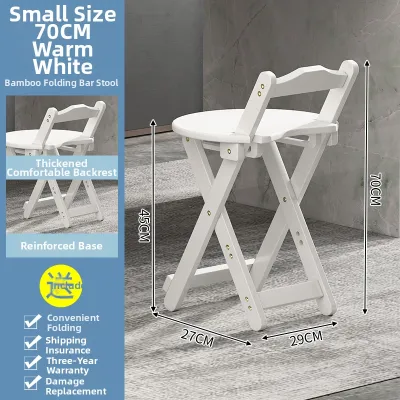
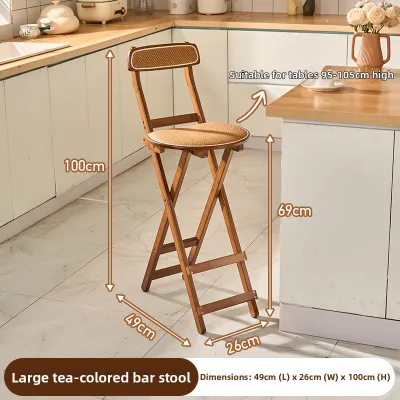
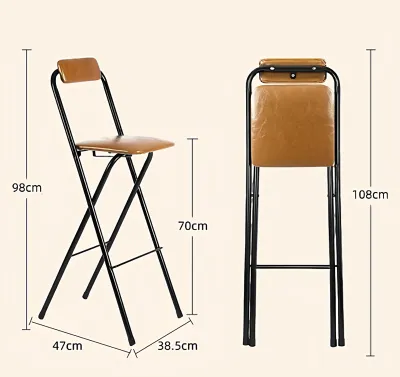
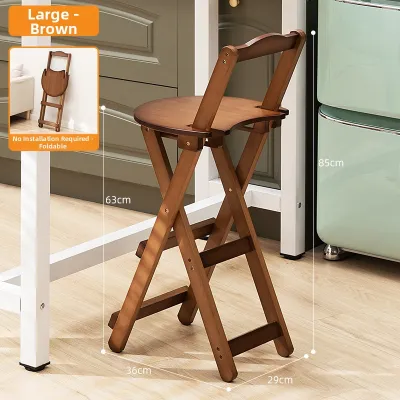
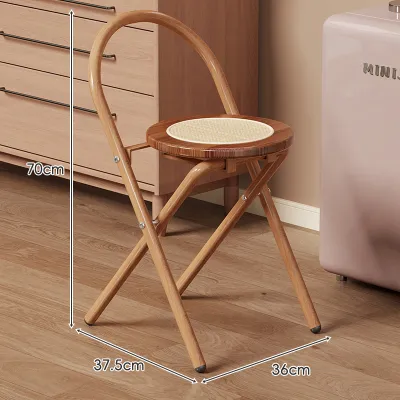
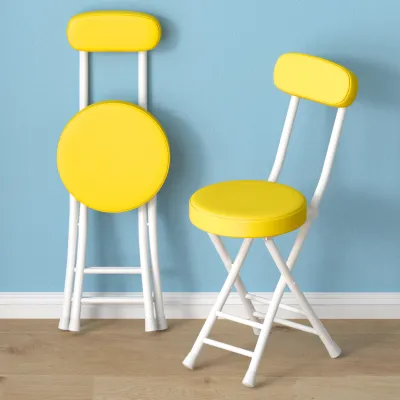
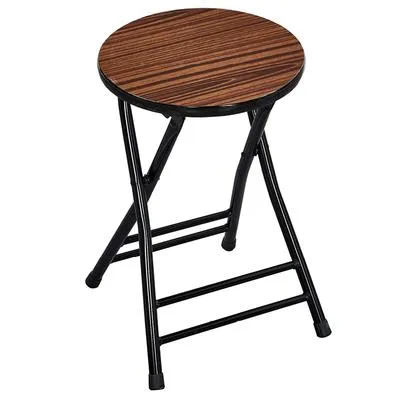
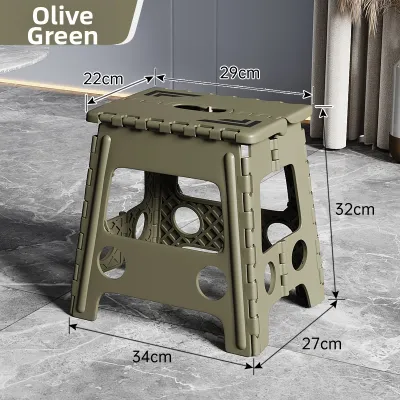
Prices are valid at publication and may change. Please refer to the product page for the latest price.
The folding mechanism itself is the most critical point of potential failure. A reliable brand designs its folding joints to operate smoothly without catching, grinding, or requiring excessive force. Look for mechanisms that incorporate nylon washers or bushings at pivot points; these components reduce friction, prevent metal-on-metal wear, and minimize squeaking. Additionally, safety locking pins or spring-loaded latches are essential features. These components lock the stool securely in its open position, preventing accidental collapse if the chair is nudged or shifted while occupied.
Singapore’s high humidity demands careful attention to material finishes. Unprotected metal frames are highly susceptible to rust, especially in non-air-conditioned kitchens or semi-outdoor balcony areas. Evaluate brands based on their surface treatments. Powder-coated steel finishes are highly resilient, providing a thick, protective barrier against moisture and scratches. Chrome plating should be checked for uniformity and thickness, as thin plating can flake and expose the underlying metal to oxidation. For wooden components, look for polyurethane or water-resistant lacquer seals that prevent moisture absorption, warping, and mold growth.
Finally, always verify the manufacturer’s rated weight capacity. Reputable brands clearly state these limits on their product labels or official specification sheets, typically ranging from 90 kg to over 120 kg. Avoid brands that omit weight ratings or make vague claims of high strength without providing a specific numerical limit. Keep in mind that a weight rating is only valid if the stool is used on a flat, level surface; any structural flexing due to uneven flooring can significantly reduce the safe load capacity.
Matching Stool Dimensions to Your Counter and Space
Achieving ergonomic comfort requires precise coordination between the height of your bar counter and the seat height of the foldable stool. As a general rule, a comfortable seating posture requires a gap of approximately 25 to 30 centimeters between the top of the stool seat and the underside of the counter. For a standard Singapore kitchen island or breakfast counter measuring 90 centimeters in height, a stool with a seat height of 60 to 65 centimeters is ideal. If you have a taller bar counter measuring 105 centimeters, you will need a stool seat height of 75 to 80 centimeters. Always measure from the floor to the absolute underside of the counter surface, taking into account any support beams or drawers that might reduce legroom.

Because foldable stools are designed to be tucked away, you must measure your intended storage space before making a purchase. Measure the depth and width of the gap beside your refrigerator, the space under your kitchen island, or the interior of your utility closet. Compare these dimensions to the stool’s folded thickness and overall folded height. Some stools fold completely flat to a thickness of under 10 centimeters, allowing them to slide into narrow crevices, while others retain a slight curve or protrusion due to padded seats or curved backrests. Ensure that the folded footprint does not obstruct walkways or cabinet doors in your kitchen.
Footrest placement is another critical dimension that directly impacts both comfort and structural stability. On a high bar stool, your feet cannot rest flat on the floor, making a sturdy footrest necessary to prevent leg fatigue and lower back strain. Evaluate the height of the footrest relative to the seat; it should allow your knees to bend at a comfortable angle of slightly over 90 degrees. Furthermore, in foldable designs, the footrest often doubles as a structural crossbar that stabilizes the legs. Ensure that the footrest is securely welded or bolted to the frame, as it will bear a portion of your body weight every time you climb onto or adjust your position on the stool.
Where to Buy and Verify Specifications in Singapore
While online shopping offers convenience, visiting a physical furniture showroom in Singapore is the most reliable way to verify the build quality of a foldable bar stool. Showrooms located in industrial hubs like Ubi, Tai Seng, or Toh Guan, as well as retail malls, allow you to interact with the products directly. When testing a stool in person, perform a physical stability check. Sit on the stool and gently shift your weight from side to side to detect any lateral sway or frame flexing. Fold and unfold the chair multiple times to ensure the mechanism operates smoothly without binding, and verify that the locking pin engages automatically and securely.
If you prefer to purchase through online marketplaces or local e-commerce platforms, you must exercise diligence to avoid low-quality counterfeits or substandard products. Prioritize sellers that display high ratings, positive customer reviews with real photos, and clear return policies. Look for listings that provide comprehensive technical drawings showing exact dimensions, material compositions, and weight capacities. Avoid listings that rely solely on generic stock photos or lack detailed specifications. If the online description is ambiguous, contact the seller directly to request the official manufacturer specification sheet or user manual before finalizing your order.
Additionally, pay close attention to warranty terms and customer service availability. A brand that stands behind its product quality will typically offer a warranty covering structural defects, frame failures, or mechanism malfunctions for at least six months to a year. Be cautious of extremely cheap, unbranded stools sold without any warranty or return options, as these often use thinner metal tubing and weaker joints that can fail prematurely. Investing slightly more in a brand that provides local customer support ensures you have recourse if a component breaks or requires replacement.
Maintenance and Safety Checks for Foldable Mechanisms
To ensure the long-term safety and reliability of your foldable bar stools, establish a routine maintenance schedule. Every few months, conduct a thorough visual inspection of all moving parts. Check the hinges, pivot rivets, and locking pins for any signs of wear, deformation, or rust. Tighten any screws or bolts that may have loosened due to the vibrations of repeated folding and unfolding. If your stool features a wooden seat or backrest, inspect the attachment screws underneath to ensure they remain firmly anchored into the wood without stripping the fibers.
Be vigilant for warning signs that indicate a stool is no longer safe to use. If you notice unusual squeaking, grinding noises, or a sudden increase in frame wobbling, immediately cease using the stool until you identify the cause. A slipping lock or a locking pin that does not fully engage poses a safety risk, as the stool could collapse unexpectedly under weight. Never attempt to force a jammed folding mechanism; instead, inspect the joints for trapped debris, misaligned frames, or bent metal bars that may be obstructing the movement.
Proper cleaning and lubrication will extend the lifespan of the folding components. Clean the frame and seat regularly using a soft, damp cloth and a mild, non-abrasive detergent to remove sweat, oils, and kitchen grease. Avoid harsh chemical cleaners or abrasive scrubbing pads that can damage powder coatings or protective wood lacquers. For the moving joints, apply a small drop of silicone-based lubricant or light machine oil to the pivot points once or twice a year. Wipe away any excess lubricant immediately to prevent dust and pet hair from accumulating in the mechanism, which can cause premature wear.
Frequently Asked Questions (FAQ)
Are foldable bar stools as stable as fixed ones?
Foldable bar stools can be highly stable, but they generally possess more structural play than high-quality fixed stools due to their moving joints and pivot points. While a well-engineered folding stool with robust locking pins and welded crossbars offers a secure seating experience for standard residential use, it cannot match the high rigidity of a fully welded, non-folding frame. For environments where maximum stability is critical—such as homes with young children, elderly family members, or high-traffic commercial spaces—fixed bar stools are generally recommended to eliminate the risk of accidental folding or tipping.
What is the standard height difference between a bar counter and a bar stool?
The standard ergonomic height difference between the top of a bar stool seat and the top surface of a bar counter is between 25 and 30 centimeters. To determine the correct stool height, measure from the floor to the underside of your counter or island. Subtract 25 to 30 centimeters from this measurement to find your target seat height. For example, if your counter underside sits at 95 centimeters, look for a foldable stool with a seat height of approximately 65 to 70 centimeters. This clearance ensures adequate legroom, allows you to sit comfortably without slouching, and accommodates natural leg movement.

Community discussion
Share your experience or ask a question. Comments are reviewed before publication.