
Finding the perfect solid wood dining chairs in Singapore requires balancing aesthetic appeal with structural durability, especially when targeting the minimalist elegance of Japandi and Scandinavian designs. While Singapore’s retail landscape is filled with furniture boutiques, flagship showrooms in industrial design hubs, and online direct-to-consumer platforms, identifying authentic solid wood pieces that withstand the tropical climate is a nuanced task. Rather than relying on brand names alone, making an informed purchase involves understanding the design philosophies of these styles, evaluating the physical integrity of the timber, and measuring your dining space to ensure a seamless fit. This guide provides a comprehensive framework to help you navigate Singapore’s furniture market, assess material quality, and select dining chairs that offer both timeless style and lasting utility.
Defining Japandi and Scandinavian Styles in Solid Wood
To choose the right dining chairs, it is essential to understand the subtle distinctions and overlapping philosophies of Scandinavian and Japandi design. Scandinavian style, originating from the Nordic countries, focuses on functionality, simplicity, and a connection to nature. It often utilizes lighter wood species such as ash, beech, and pale oak. The aesthetic leans toward a bright, airy feel, frequently incorporating rustic elements, spindle backrests, and tapered legs that maximize light and space. The goal is to create a warm, inviting atmosphere—often referred to as hygge—that feels cozy yet uncluttered.
Japandi design, on the other hand, is a hybrid aesthetic that merges Scandinavian functionality with Japanese minimalism and the philosophy of wabi-sabi, which finds beauty in imperfection and natural aging. While it shares the clean lines and clutter-free ethos of Nordic design, Japandi introduces warmer, earthier tones and a more grounded, low-profile silhouette. You will often see richer wood tones, such as medium oak, teak, or walnut, alongside curved, organic shapes and woven elements like paper cord or rattan. The lines are typically sleeker and more refined, emphasizing a sense of calm, Zen-like tranquility.
Products mentioned in this guide
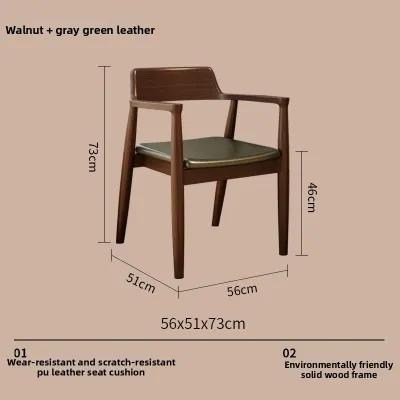
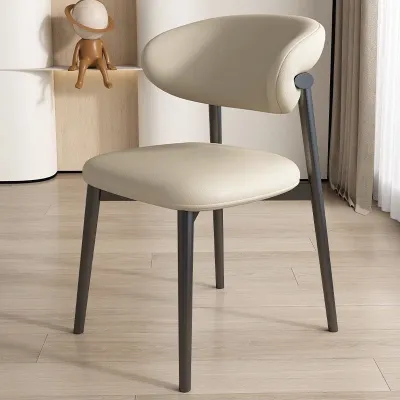

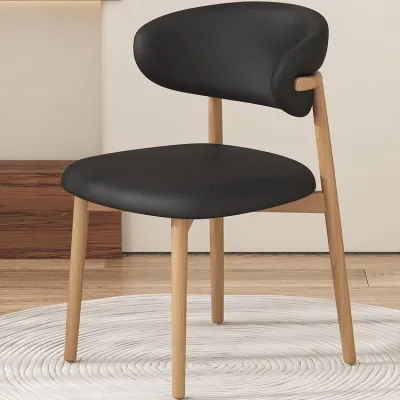

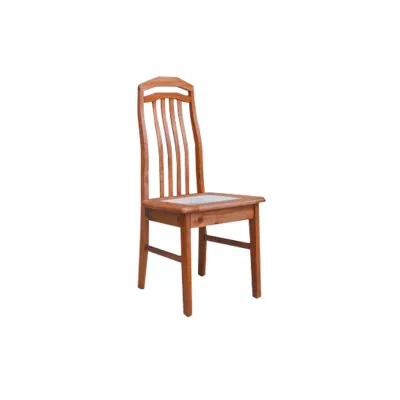

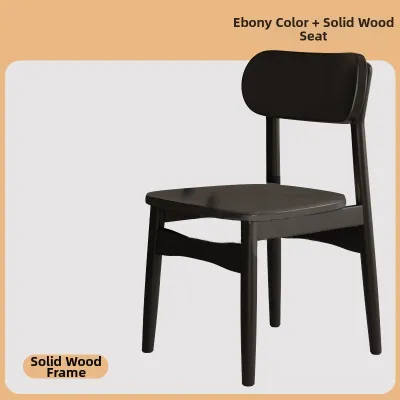
Prices are valid at publication and may change. Please refer to the product page for the latest price.
When examining solid wood dining chairs, these stylistic differences manifest clearly in their silhouettes and construction details. A classic Scandinavian chair might feature a traditional Windsor-style spindle back, straight tapered legs, and a light, natural finish that highlights the wood’s organic grain. In contrast, a Japandi-style chair is more likely to showcase a low-slung backrest, a gently curved semi-circular frame that hugs the body, and a seat made of hand-woven paper cord. Understanding these visual markers allows you to select chairs that complement your existing dining table and align with your home’s overarching interior design theme.
Key Criteria for Evaluating Solid Wood Dining Chairs
Investing in solid wood dining chairs requires a discerning eye to ensure you are paying for genuine timber rather than clever imitations. The first step is verifying that the chair is constructed from solid wood rather than engineered wood products covered in thin veneers. During a showroom visit, inspect the underside of the seat and the joints. Genuine solid wood will display continuous grain patterns that wrap naturally around the edges and corners. If you notice a sharp, repeating pattern or a seam where the grain abruptly changes direction, it is highly likely a veneer or laminate overlay. Additionally, solid wood chairs possess a distinct weight and tactile warmth; they feel solid and sturdy when lifted, unlike lightweight MDF (medium-density fibreboard) alternatives.

The longevity of a dining chair depends heavily on its joinery. High-quality solid wood furniture relies on traditional woodworking joints rather than metal screws, brackets, or staples. Look for mortise-and-tenon joints, where a projecting tongue (tenon) on one piece of wood fits precisely into a hole (mortise) in another, or robust dowel joints. These methods allow the wood to expand and contract naturally with environmental changes without loosening. Avoid chairs that rely solely on glue and basic wood screws at critical stress points, as these will inevitably wobble and weaken over years of daily use. Gently rock the chair from side to side and apply downward pressure on the seat during your showroom test to check for any flexing or creaking.
Surface treatments and finishes are equally critical, as they protect the timber from spills, stains, and wear. Solid wood dining chairs are typically finished with either a protective polyurethane lacquer or a natural oil-and-wax treatment. Polyurethane finishes create a hard, impermeable barrier over the wood, making them highly resistant to liquid spills and easy to wipe clean—an ideal choice for busy households. However, they can sometimes mask the natural texture of the wood. Oil and wax finishes penetrate deep into the wood fibers, preserving the tactile, matte feel of the grain. While these finishes offer a more authentic wabi-sabi aesthetic suitable for Japandi spaces, they require periodic reapplication and are more susceptible to water rings if spills are not wiped up immediately.
Where to Source Reliable Furniture Brands in Singapore
Singapore offers a diverse array of retail channels for sourcing solid wood dining chairs, each catering to different budgets, timelines, and shopping preferences. Physical showrooms located in established furniture clusters—such as the Tan Boon Liat Building in Outram, industrial estates in Tai Seng and Ubi, or design enclaves in Henderson—provide an invaluable opportunity for tactile evaluation. Visiting these spaces allows you to physically test the comfort of the chairs, examine the joinery up close, and verify the true color of the wood under natural and artificial lighting.
In contrast, online-only furniture retailers often provide a wider selection and more competitive pricing by eliminating the overhead costs of large physical showrooms. When shopping online, it is crucial to scrutinize the product specifications, material lists, and customer reviews. Look for retailers that provide detailed close-up photographs of the joints and wood grain, and clearly state the specific wood species used, such as American white oak or European beech. To mitigate the risk of buying sight-unseen, prioritize online stores that offer flexible return policies or trial periods, allowing you to assess the chairs in your own dining room before making a final commitment.
For homeowners seeking a truly unique or highly specific design, local carpentry workshops and bespoke furniture makers in Singapore offer custom-made solutions. This route allows you to select the exact timber species, customize the dimensions to fit your dining table perfectly, and choose a bespoke finish. While custom carpentry involves higher costs and longer lead times, it ensures a level of craftsmanship and personalization that mass-produced furniture cannot match.
Regardless of the retail channel you choose, always review the retailer’s policies regarding delivery, assembly, and warranties before finalizing your purchase. Confirm whether the delivery service includes professional assembly and placement in your dining room, and check if there are additional fees for walk-up access if your HDB flat or condominium unit requires navigating stairs. A reputable furniture brand should offer a clear warranty covering structural defects, joint separation, and abnormal wood warping, typically ranging from one to five years. This warranty serves as a testament to the manufacturer’s confidence in their materials and construction quality.
Space and Ergonomic Checks Before Purchasing
Before purchasing your solid wood dining chairs, precise measurements are essential to ensure they fit comfortably within your dining area and coordinate with your existing table. The most critical dimension to calculate is the clearance between the chair’s seat height and the underside of the dining table apron. For optimal comfort, there should be a gap of approximately 25 to 30 centimeters. This spacing provides ample legroom for adults to sit comfortably without their thighs pressing against the table frame. If your dining table has a thick decorative apron or a support structure underneath, measure from the lowest point of that structure rather than the tabletop surface.
Next, consider the layout of your dining room, particularly in compact HDB or condominium apartments where space is at a premium. To allow diners to sit down and stand up comfortably, plan for a minimum clearance of 90 centimeters between the edge of the dining table and the nearest wall or piece of furniture. If the dining area serves as a primary walkway, increase this clearance to 100 to 120 centimeters to ensure family members can walk past without forcing seated diners to tuck themselves in. If space is exceptionally tight, consider armless dining chairs, which have a smaller footprint and can be pushed completely under the table when not in use.
Ergonomics play a vital role in how much you will enjoy using your dining chairs for daily meals, remote work, or hosting guests. When testing chairs, pay close attention to the angle of the backrest; a slight recline of 100 to 105 degrees offers a relaxed yet supportive posture. The seat depth should allow you to sit fully back against the backrest with a gap of two to three fingers between the back of your knees and the front edge of the seat. Look for chairs with a contoured waterfall front edge, which curves gently downward to prevent pressure on the back of your thighs and promote healthy blood circulation during prolonged sitting.
If you prefer the added comfort of dining chairs with armrests, you must verify that the armrests can slide neatly under your dining table. Measure the height of the armrests from the floor and compare it to the clearance height under your table apron. If the armrests are too high, the chairs will remain partially jutting out into the room, reducing valuable walkway space and disrupting the clean, minimalist lines characteristic of both Japandi and Scandinavian aesthetics.
Care and Maintenance for Solid Wood in Singapore's Climate
Singapore’s tropical climate presents unique challenges for solid wood furniture. The high relative humidity, combined with the frequent cycling of air-conditioning in modern homes, can cause solid wood to expand and contract rapidly. Over time, this constant movement can stress the joints, warp the timber, or cause hairline cracks to develop. To minimize these risks, maintain a relatively stable indoor environment. If you use air-conditioning extensively, consider using a humidifier or keeping indoor plants to prevent the air from becoming excessively dry, which can cause the wood to shrink and split.
Daily cleaning routines should be gentle and free from harsh chemicals. Avoid using abrasive scrubbers, multi-purpose household sprays, or cleaning agents containing ammonia, bleach, or silicone, as these can strip the protective finish and leave a cloudy residue. Instead, use a soft, dry microfibre cloth to dust the chairs regularly. For sticky spills or food residue, use a slightly damp cloth wrung out with warm water and a drop of mild, pH-neutral dish soap. Wipe the surface immediately with a dry cloth afterward, as standing water can penetrate the wood grain and cause swelling or unsightly water stains.
Positioning your solid wood dining chairs correctly within your home is another simple yet effective way to prolong their lifespan. Avoid placing the chairs in direct sunlight, such as next to large balcony doors or unshaded windows. Prolonged exposure to ultraviolet (UV) rays can dry out the wood, cause the finish to degrade, and lead to uneven fading or discoloration of the timber. Similarly, keep the chairs away from the direct path of air-conditioning vents, as the localized stream of cold, dry air can cause uneven moisture loss across different parts of the chair, leading to structural warping.
Finally, perform regular inspections of your dining chairs to catch early signs of wear or structural stress. Check the joints annually to ensure they remain tight and wobble-free. If you notice the wood surface starting to look dry, dull, or rough to the touch, it may be time to apply a fresh coat of furniture wax or oil, depending on the original finish. For lacquered chairs that show signs of deep scratches or finish degradation, consulting a professional furniture refinishing service in Singapore can restore the protective barrier and preserve the beauty of your investment for decades to come.
Frequently Asked Questions (FAQ)
Can Japandi and Scandinavian chairs be mixed at the same dining table?
Yes, mixing Japandi and Scandinavian chairs around a single dining table is an excellent way to create a curated, character-filled dining space. Because both styles share a foundation of minimalist design, functional simplicity, and natural materials, they harmonize naturally. To ensure the look remains cohesive rather than chaotic, focus on matching the wood undertones. For instance, pair light oak Scandinavian spindle chairs with Japandi chairs featuring light oak frames and woven paper cord seats. Keeping the wood species or color tone consistent provides a visual anchor, allowing you to experiment with different silhouettes, backrest heights, and seat textures without disrupting the design harmony.
How do I verify if a chair is genuinely made of solid wood?
To verify if a dining chair is made of genuine solid wood, start by examining the end grain, which is the cross-section of the wood fibers visible at the ends of the legs or the edges of the seat. On a solid wood chair, the grain pattern will flow continuously from the face of the wood around to the end grain. If you see a thin, distinct line separating the top surface from the edge, or if the grain pattern on the edge does not match the top, it is likely a veneer or laminate edge-banding. Additionally, look for natural variations in color, grain direction, and minor imperfections like small knots; manufactured boards covered in veneer often display highly repetitive, flawless patterns that look unnaturally uniform.

Community discussion
Share your experience or ask a question. Comments are reviewed before publication.