
Finding a strong support chair in Singapore is not about searching for a single, universally crowned brand, but rather understanding how a chair’s mechanical adjustments align with your unique spinal anatomy. The transition to hybrid work arrangements has made the home office a permanent fixture in many households, yet sitting for eight or more hours a day on an unsuitable seat can lead to chronic lower back discomfort. While ergonomic specialist brands offer highly adjustable, multi-axis lumbar systems, and lifestyle furniture brands focus on integrated aesthetic curves, the strongest support is always the one that can be tailored to your body’s dimensions.
With many professionals working from home in compact apartments, selecting a chair requires looking past marketing buzzwords to evaluate physical adjustability, material durability, and spatial fit. By focusing on verifiable specifications rather than brand prestige, you can identify a chair that maintains healthy posture and prevents long-term fatigue.
Understanding Lumbar Support Mechanisms
To find a chair that offers genuine lower back relief, it is essential to understand how different lumbar support mechanisms interact with your spine. The lumbar region consists of five vertebrae located between the ribs and the pelvis, curving naturally inward. A supportive chair must maintain this natural curve without forcing your posture into an exaggerated or uncomfortable position.
Products mentioned in this guide
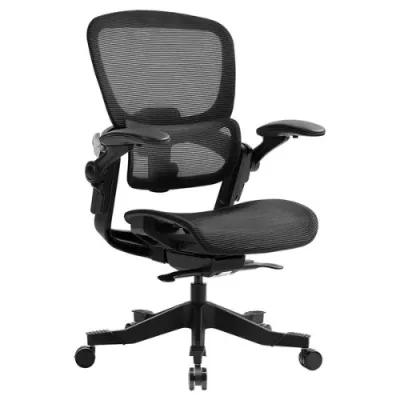
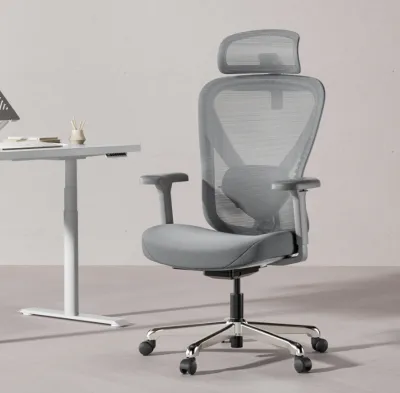
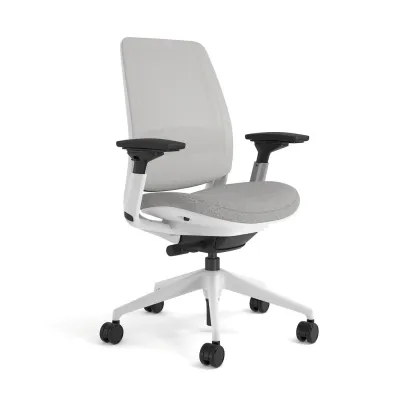
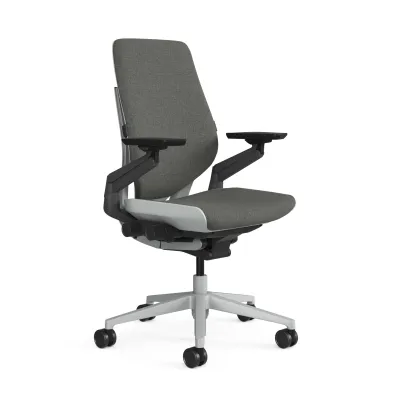
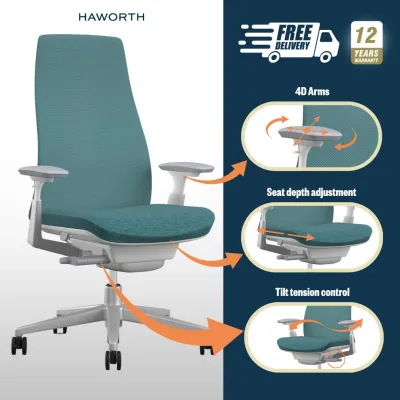
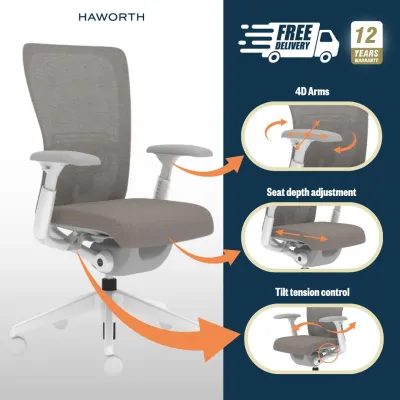
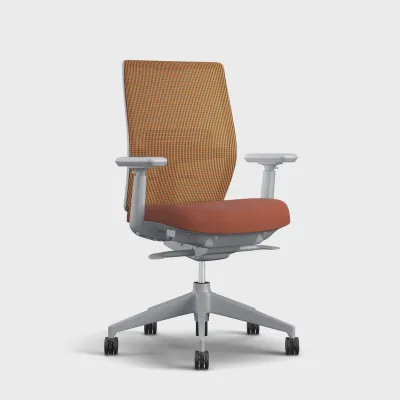
Prices are valid at publication and may change. Please refer to the product page for the latest price.
Fixed lumbar curves are molded directly into the backrest frame of many entry-level and mid-range chairs. While they provide basic support, they assume a standardized user height. If your torso is shorter or taller than the manufacturer’s target demographic, the fixed curve may press against your upper back or tailbone, leading to discomfort and poor posture over long sitting sessions.
Adjustable lumbar pads offer a more customizable solution by allowing you to slide the support vertically to target the exact curve of your lower back. Some advanced models also feature depth adjustment, letting you control how firmly the pad presses against your spine. This is particularly beneficial for users who require more pronounced support or those who prefer a gentler, less intrusive curve.
Dynamic and flexible backrests utilize independent, spring-loaded panels that pivot and flex as you shift weight. When you lean forward to type or twist to reach an item on your desk, the lumbar support automatically adjusts to maintain continuous contact with your lower back. This active support reduces the muscular strain associated with static sitting.
Synchro-tilt mechanisms represent another crucial element of back support. Unlike simple tilt mechanisms where the backrest and seat tilt at a uniform ratio, a synchro-tilt mechanism tilts the backrest at a larger angle than the seat pan. This dynamic movement opens up the hip angle, promotes blood circulation, and ensures that the lumbar support remains securely positioned against your lower back throughout the entire range of motion, rather than sliding up or down your spine.
Comparing Brand Approaches to Back Support
When exploring the market, brands generally fall into two distinct categories, each taking a different approach to engineering back support. Understanding these differences helps narrow down your options based on your daily usage and aesthetic preferences.

Ergonomic specialist brands design their seating solutions around biomechanical research and long-term physical health. These manufacturers prioritize multi-axis adjustments, adjustable lumbar tension, and high-performance mesh that distributes body weight evenly. Their chairs are engineered to support the body through extended workdays, offering highly customizable components that can be fine-tuned to individual spinal shapes. While these chairs often feature a more industrial or technical appearance, they provide the highest level of postural customization.
General furniture and lifestyle brands, on the other hand, prioritize visual integration with home decor. Their office chairs often feature fabric or leather upholstery, padded cushions, and clean, minimalist lines designed to blend seamlessly into a modern study or living space. While these chairs may incorporate basic ergonomic curves, their lumbar support is usually fixed or offers limited adjustment. These options are well-suited for shorter work sessions or multi-purpose spaces where aesthetics are a primary consideration.
To cut through marketing jargon when comparing brands, look for concrete specifications rather than vague claims like “orthopedic design” or “maximum back relief.” A truly supportive chair should list independent lumbar height adjustment, adjustable seat depth, and tilt-tension controls. If a brand does not specify these features, the support is likely fixed or highly limited.
Key Specifications to Verify for Long Work Sessions
Before committing to a purchase, it is important to verify several key specifications to ensure the chair is stable, durable, and suitable for your specific home environment.
First, check the weight capacity and cylinder class of the chair. The gas lift cylinder is the heart of the chair’s stability and height adjustment. Look for chairs equipped with a Class 3 or Class 4 gas cylinder, which are designed to withstand daily use and support heavier weight capacities. A sturdy cylinder ensures the chair remains stable and does not wobble or slowly sink over time.
Next, consider the backrest dimensions relative to your torso. A backrest that is too narrow can restrict shoulder movement, while one that is too short will prevent the lumbar support from reaching the correct height. Ensure the backrest height is compatible with your sitting height so the lumbar pad aligns perfectly with your lower back.
Material durability is another critical factor, especially in warm and humid climates. High-density molded foam offers firm, resilient support that retains its shape for years, but it can retain body heat. Mesh backrests offer superior ventilation, keeping you cool during long working hours. However, low-quality mesh can stretch and sag within a few months, rendering the lumbar support ineffective. Look for mesh woven with high-durability polyester or elastomeric fibers that bounce back after use.
Finally, evaluate the space clearance and home integration of the chair. In compact home offices, measure the chair’s outer dimensions, including the base diameter and armrest width, to ensure it fits comfortably within your study area. Check if the armrests can be lowered or folded to allow the chair to slide fully under your desk when not in use, saving valuable floor space.
Decision Framework: Choosing the Right Brand for Your Posture
To make an informed decision, evaluate your daily routine, physical needs, and workspace constraints using this structured framework.
Choose ergonomic specialist brands if you spend more than six hours a day at your desk, experience frequent lower back stiffness, or require highly customized adjustments to accommodate your height or body shape. These brands provide the precise mechanical controls needed to maintain healthy posture during extended work sessions.
Choose general furniture brands if your desk work is intermittent, you prioritize a cohesive home aesthetic, and you do not have pre-existing back issues that require specialized support. These chairs offer basic comfort and blend easily with residential interiors.
Avoid any chair that lacks adjustable seat depth, uses low-density cut foam that bottoms out quickly, or does not provide a clear weight capacity rating. A chair without seat depth adjustment can cause you to slouch or restrict blood flow to your legs, undermining any benefit the lumbar support provides.
If you suffer from chronic back pain, spinal conditions, or are recovering from surgery, consult a qualified healthcare professional or physical therapist. A supportive chair can assist with posture, but it is not a substitute for professional medical advice or treatment.
Frequently Asked Questions (FAQ)
Can I add an aftermarket lumbar pillow to a chair with weak support?
Yes, but with caveats. An aftermarket lumbar pillow can provide temporary relief for a chair with inadequate built-in support. However, these pillows often reduce the available seat depth, pushing your thighs forward and potentially causing your knees to overhang too far, which can restrict circulation. They can also shift out of place easily, requiring constant manual readjustment throughout the day.
How do I know if my current chair's lumbar support is failing?
Look for visible and physical signs of wear. If the mesh backrest feels loose or sags when you lean back, it is no longer providing adequate tension. For foam chairs, if you can feel the hard plastic frame beneath the cushion, the foam has compressed permanently. Physical indicators include persistent lower back fatigue, a tendency to slouch even when sitting fully back, or the need to constantly adjust your posture to find comfort.

Community discussion
Share your experience or ask a question. Comments are reviewed before publication.