
Finding a durable cloth stand in Singapore requires looking past superficial aesthetics and focusing on structural integrity, material specifications, and environmental resilience. In Singapore’s humid climate and space-conscious apartments, a poorly constructed stand will quickly sag, rust, or tip over under the weight of daily laundry and heavy bags. Rather than relying on vague brand names or unverified online rankings, buyers must evaluate physical specifications, structural joints, and finish treatments to secure a long-lasting organizer. By understanding the physics of stability and the realities of material wear, you can confidently select a sturdy coat rack that safely meets your household’s needs.
Key Indicators of Build Quality in a Cloth Stand
Evaluating the build quality of a cloth stand involves a close inspection of its raw materials, base design, and connection points. A durable stand must withstand constant vertical load and occasional lateral stress without bending or wobbling. Understanding how these components are manufactured and assembled allows you to identify a high-quality product before making a purchase.
Material Verification
When assessing wood, look for solid timber options such as rubberwood, oak, or beech rather than engineered alternatives like medium-density fibreboard (MDF) or particleboard. Solid wood can be identified by continuous grain patterns that wrap around the edges of the posts and hooks, whereas engineered wood often features repeating laminate patterns or exposed, fibrous edges on the underside of components. Solid wood offers superior screw-holding capacity and resistance to bending under heavy loads.
Products mentioned in this guide
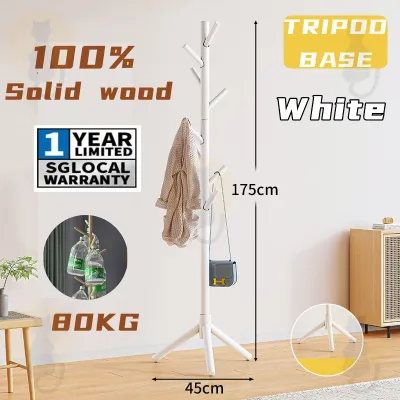
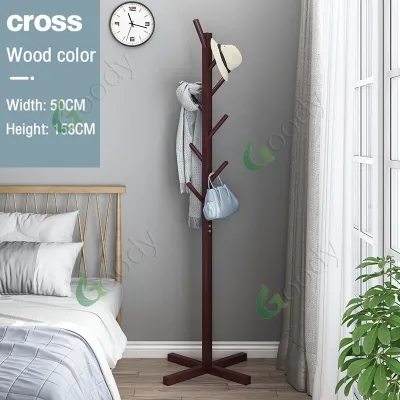
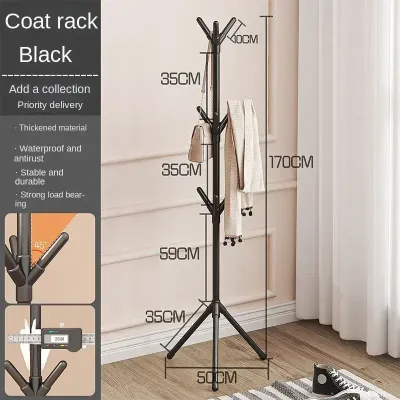
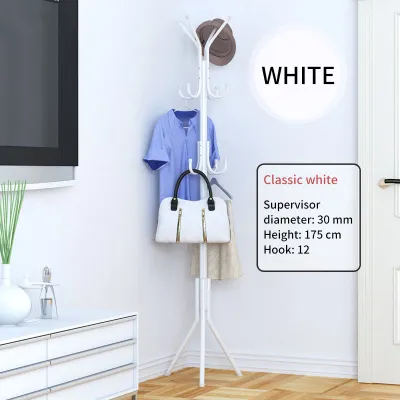
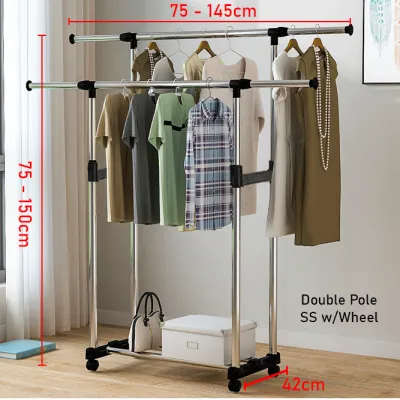
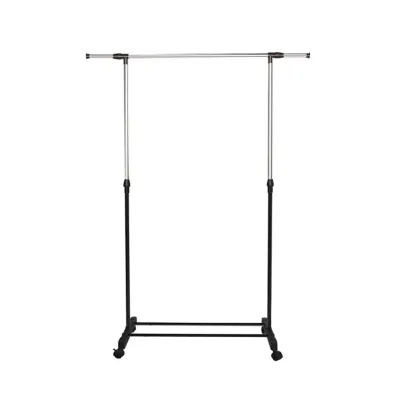
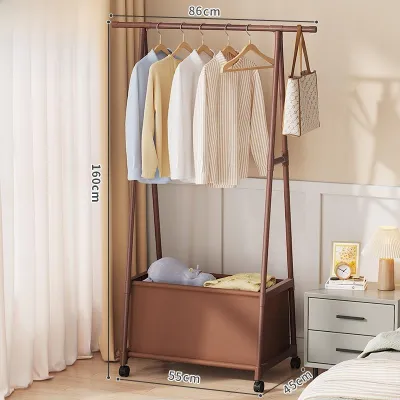

Prices are valid at publication and may change. Please refer to the product page for the latest price.
For metal stands, the critical factor is tube wall thickness rather than just the outer diameter. High-quality metal stands utilize thick-gauge steel or iron pipes, typically with a wall thickness of 1.0mm to 1.5mm. You can verify this by checking the product specifications or inspecting the open ends of the tubes during assembly; thin-walled alloys (often under 0.8mm) feel exceptionally light and are prone to denting or crimping under pressure.
Bamboo is an increasingly popular material, but its durability depends entirely on how it is processed. Look for multi-layered, laminated bamboo stands rather than those made from thin, single-ply strips. Laminated bamboo undergoes high-pressure compression and heat treatment, which aligns the fibers to provide tensile strength comparable to solid hardwood while resisting splitting.
Base and Stability
A cloth stand acts as a lever; when heavy items are hung on the outer hooks, they exert torque on the base. To prevent tipping, a stable stand requires either a wide footprint or a heavily weighted base. Tripod and quad-leg designs should have a wide spread, with the legs extending well past the radius of the upper hooks to distribute the center of gravity safely.
Alternatively, circular or square flat bases must be constructed from heavy materials such as solid marble, cast iron, or dense concrete encased in a protective shell. The base should ideally constitute at least 30% to 40% of the stand’s total weight. When shopping in person, test the stability by gently pushing the top of the stand; a high-quality model will quickly self-correct and settle without excessive swaying.
Hardware and Joints
The weakest points of any cloth stand are the joints where the vertical posts, legs, and hooks connect. Avoid designs that rely on metal screws driven directly into raw wood or bamboo, as these threads will inevitably strip over time under the dynamic stress of daily use. Instead, look for metal-to-metal connections, such as threaded steel inserts embedded securely within the wooden components.
For metal stands, inspect the connection hardware and joint design. High-quality metal frames utilize welded collar joints or heavy-duty bolts with locking washers that prevent the frame from loosening over time. Avoid stands that rely solely on plastic friction-fit connectors or thin plastic sleeves to join the metal poles, as these plastic components degrade, crack, and fail under load.
How to Evaluate Brand Reliability and Material Claims
Navigating product descriptions on e-commerce platforms or in local furniture showrooms requires a critical eye. Many brands use generic marketing terms to mask lower-grade materials and construction methods. Learning how to interpret technical specifications and identify quality signals will help you separate reliable manufacturers from low-cost, disposable alternatives.

Reading Manufacturer Specifications
Reliable brands provide detailed, transparent technical specifications for their products. Look for listings that explicitly state the maximum static load capacity, often broken down by individual hooks and the overall frame. A reputable manufacturer will also specify the exact materials used, such as “powder-coated carbon steel” or “solid rubberwood,” rather than generic terms like “high-strength metal” or “natural wood.”
Pay close attention to the dimensions provided in the product manual or listing. A reliable brand will detail the diameter of the main support pole and the thickness of the base. If a listing lacks these basic physical dimensions and weight capacities, it is highly likely the product is designed for light, decorative use rather than daily, heavy-duty storage.
Spotting Misleading Descriptions
Be skeptical of vague buzzwords designed to inflate the perceived quality of a product. Terms like “premium wood finish” or “wood-grain look” almost always indicate a paper or plastic veneer over cheap particleboard, which will swell and disintegrate if exposed to moisture. Similarly, phrases like “heavy-duty construction” are meaningless without supporting data, such as a certified weight rating or material thickness specification.
Another common tactic is labeling a product as “rust-proof” without specifying the treatment method. True rust resistance in steel requires a proper multi-stage preparation process followed by an electrostatic powder coating or an epoxy finish. If a brand cannot specify the type of protective coating applied to its metal stands, the product may rust quickly in humid environments.
Warranty as a Quality Signal
A manufacturer’s warranty is one of the most reliable indicators of structural confidence. Low-quality, generic cloth stands rarely come with any warranty beyond the standard return window of the retail platform. In contrast, reputable furniture brands often provide a structural warranty ranging from 1 to 5 years.
When evaluating a warranty, check what is covered. A strong warranty should cover joint failures, structural warping, and manufacturing defects under normal residential use. Additionally, reliable brands often maintain a supply of replacement parts, allowing you to replace a single damaged hook or leveling foot rather than discarding the entire stand.
Practical Selection Checklist for Singapore Homes
Selecting a cloth stand for a home in Singapore requires careful consideration of local living conditions, including typical apartment layouts, high humidity levels, and delivery logistics. Use this practical checklist to ensure your chosen stand fits your physical space and lifestyle.
Spatial Constraints
Singapore’s high-density housing, such as HDB flats and condominiums, demands efficient space planning. Before purchasing, measure the designated floor area carefully, ensuring there is at least 15 to 20 centimeters of clearance from adjacent doors, cabinets, or walkways to prevent accidental collisions.
Consider the height of the stand in relation to your ceiling and the items you plan to hang. If you intend to hang long dresses, trench coats, or traditional wear, ensure the hooks are positioned high enough to keep the garments off the floor. Additionally, if the stand is delivered fully assembled, verify that the package dimensions can easily clear your building’s passenger lift, front doorway, and narrow hallway corners.
Climate Considerations
Singapore’s tropical climate, characterized by high relative humidity levels often exceeding 80%, poses a severe threat to furniture longevity. Untreated metal stands will rapidly develop rust, leading to structural failure and ruined clothing. Ensure any metal stand you select features a robust powder-coated or epoxy finish that seals the metal from ambient moisture.
For wooden or bamboo stands, proper sealing is essential to prevent mold growth, warping, and wood rot. Look for products finished with a water-resistant polyurethane lacquer or protective oil. Avoid placing untreated or poorly sealed wooden stands in high-moisture areas, such as directly adjacent to bathrooms, open balconies, or laundry yards.
Assembly and Maintenance
Review the assembly requirements before purchasing. A durable cloth stand should come with clear, illustrated instructions and all necessary assembly tools, such as a hex key. Avoid designs that require complex, specialized tools unless the retailer offers professional on-site installation services.
Maintenance requirements should align with your lifestyle. High-quality stands require minimal upkeep, typically limited to checking and tightening the connection bolts once or twice a year to maintain structural rigidity. Cleaning should involve nothing more than wiping the surfaces with a dry or slightly damp microfiber cloth to remove dust and prevent moisture buildup.
Material and Structure Trade-offs for Daily Use
Each primary material used in cloth stand construction offers distinct advantages and trade-offs regarding durability, maintenance, and suitability for different household environments. Choosing the right material depends on where the stand will be placed and how much daily wear it will endure.
Solid wood stands provide a classic, warm aesthetic and excellent natural weight, making them highly stable. However, they require protection from direct sunlight and high humidity to prevent the wood from fading or warping. Metal stands offer maximum structural strength and a slim profile, making them ideal for modern, compact spaces, but they must be kept dry to prevent rust if the protective coating is scratched. Bamboo is highly sustainable and lightweight, making it easy to move around, but it has lower overall weight capacity compared to thick-gauge steel or solid hardwood.
| Material Type | Routine Care | Structural Checks | Ideal Placement |
|---|---|---|---|
| Solid Wood | Wipe with a dry cloth; apply wood conditioner annually. | Check for joint loosening and wood warping. | Dry entryways, bedrooms, and air-conditioned spaces. |
| Powder-Coated Metal | Wipe with a damp cloth; dry immediately. | Inspect for scratches in the coating and signs of rust. | High-traffic entryways, laundry areas, and offices. |
| Laminated Bamboo | Wipe with a dry cloth; avoid harsh chemical cleaners. | Check for hairline splits along the laminated seams. | Well-ventilated bedrooms and living areas. |
Frequently Asked Questions (FAQ)
How much weight can a standard cloth stand safely hold?
The safe weight capacity of a cloth stand varies significantly based on its materials and construction, typically ranging from 10 kg to over 30 kg. To determine the exact limit for your specific model, always consult the manufacturer’s product manual, safety label, or official online listing.
It is crucial to distinguish between static load limits and dynamic stress. A static load refers to weight that is distributed evenly and remains completely still. Dynamic stress occurs when you throw a heavy bag onto a single hook or pull down forcefully on a hanging coat. To preserve the lifespan of your stand, distribute the weight evenly across all hooks, placing heavier items closer to the center post and lower down on the frame to maintain a low center of gravity.
Is it necessary to anchor a freestanding cloth stand to the wall?
Whether you need to anchor a freestanding cloth stand depends on its design, weight distribution, and your household environment. Lightweight stands with narrow bases or top-heavy designs pose a significant tipping hazard, especially when fully loaded. If your household includes young children, active pets, or elderly family members, anchoring the stand is highly recommended to prevent accidental tip-over injuries.
Always review the manufacturer’s safety warnings and installation instructions. Many high-quality, tall, or top-heavy stands include wall-anchoring hardware, such as anti-tip straps or brackets, in the box. If your stand is prone to wobbling or if you routinely load it to its maximum capacity, utilizing these safety anchors is a necessary precaution to ensure a safe living environment.

Community discussion
Share your experience or ask a question. Comments are reviewed before publication.