
No single chair sock material provides a universal solution for every home. The ideal choice depends entirely on matching the specific material to your flooring type, the weight of your furniture, and how often the chairs are moved. Selecting the wrong protector can lead to scratched finishes, stubborn scuff marks, or chairs that refuse to slide smoothly when you sit down.
By evaluating the unique properties of felt, silicone, and rubber, you can find a balance between floor preservation, noise reduction, and stability. This guide breaks down how these materials perform under different conditions so you can make an informed decision for your living space.
Assessing Your Floors and Furniture
Before purchasing any furniture protectors, you must evaluate the specific vulnerabilities of your flooring. Hardwood and engineered wood floors are highly susceptible to fine scratches from trapped grit, while laminate can suffer from surface wear over time. Luxury vinyl tiles and traditional ceramic or porcelain tiles handle moisture well but can still be marred by deep scuffs or impact damage from heavy furniture legs.
Products mentioned in this guide
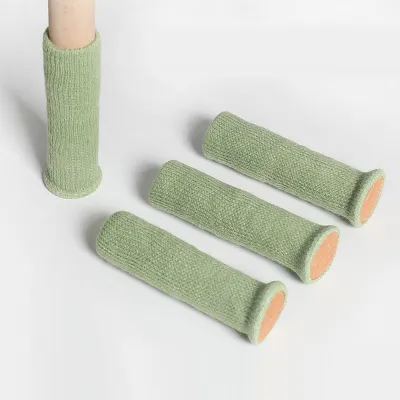
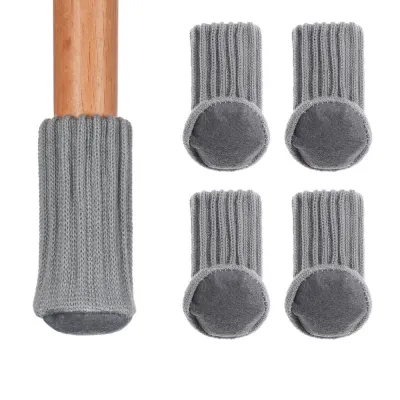
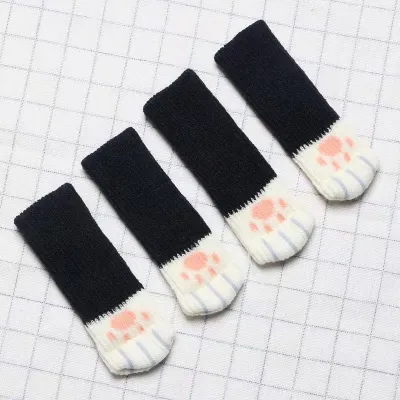
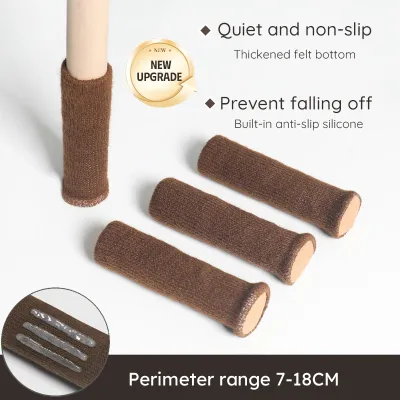
![[SG Stock] Chair Leg Protector Chair Socks Foot Cover Furniture Table Anti Scratch Non-slip Floor Protectors](https://img.lazcdn.com/g/p/80b61faacb3df647e22bed2a3ad43fba.jpg_400x400q80.jpg_.webp)
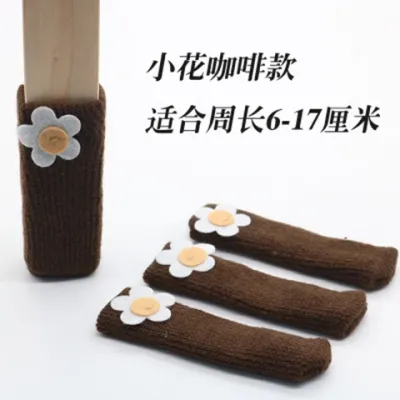
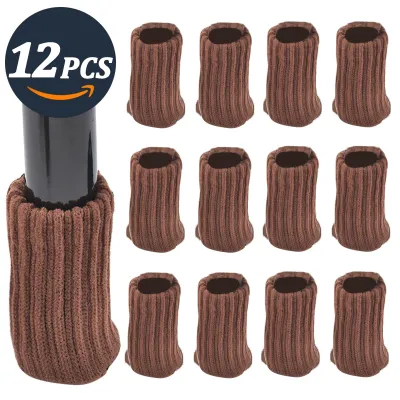
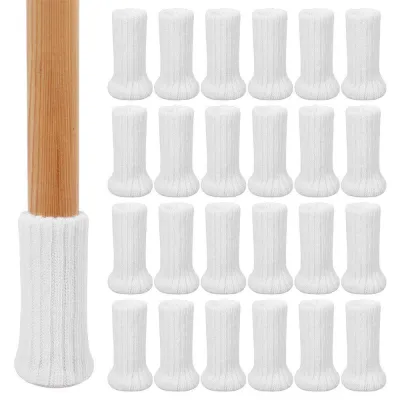
Prices are valid at publication and may change. Please refer to the product page for the latest price.
The physical characteristics of your chairs also play a major role in your choice. Heavy dining chairs that are pulled out multiple times a day require a protector that facilitates smooth gliding without wearing down instantly. Conversely, lightweight bar stools or stationary accent chairs might benefit more from a high-grip material that prevents sliding and keeps the furniture securely in place.
Additionally, it is crucial to check your flooring manufacturer’s warranty guidelines before installing any accessories. Some warranties explicitly warn against using certain types of rubber or plasticizers, which can chemically react with floor finishes and cause permanent discoloration. Verifying these details beforehand prevents accidental damage and preserves your flooring coverage.
Material Breakdown: Felt, Silicone, and Rubber
Each protector material offers distinct physical properties that dictate how it interacts with both the chair leg and the floor surface. Understanding these structural differences allows you to narrow down the options based on your household’s daily habits and environmental conditions.

Felt Chair Socks
Felt chair socks are highly valued for their traditional floor-gliding properties and exceptional noise reduction. They allow chairs to slide effortlessly across hard surfaces, making them an excellent choice for dining rooms where chairs are moved constantly. The soft, dense fibers cushion the impact of the chair leg, virtually eliminating the scraping sound of wood or metal against hard floors.
However, felt has notable limitations, particularly in areas prone to moisture or high humidity. In damp environments or spill-prone spaces like kitchens, felt can absorb liquids, holding moisture against the chair leg and potentially damaging both the wood and the floor finish. Furthermore, felt tends to accumulate dust, pet hair, and loose grit, which can turn the soft pad into an abrasive surface if not cleaned regularly.
When shopping for felt protectors, look closely at the product packaging for density and thickness specifications. High-density wool or synthetic felt blends generally offer better resistance to flattening under heavy loads than thin, soft craft-style felt. Checking these labels helps ensure the material will not compress to a paper-thin layer after a few weeks of use.
Silicone Chair Socks
Silicone chair socks combine flexibility with waterproof durability, making them highly versatile for modern homes. The translucent or colored silicone sleeve stretches to conform to various chair leg shapes, providing a snug fit that stays in place without adhesives. Because silicone is completely non-porous, it does not absorb spills and can be easily wiped clean with a damp cloth.
To ensure the socks do not slip off during daily use, check the interior design of the silicone sleeve. Many manufacturers include internal grip patterns, textured ribs, or small tension bands that hold the material firmly against the chair leg. Without these structural features, the silicone may gradually slide down or twist out of alignment when the chair is dragged.
While silicone is highly durable, its high-friction surface can be a drawback on certain polished floors. On highly polished wood, glossy tiles, or smooth vinyl, silicone can grip the floor too tightly, causing the chair to stutter or drag rather than slide smoothly. This resistance can put extra stress on the chair joints and make moving the furniture feel awkward.
Rubber Chair Socks
Rubber chair socks are designed for maximum friction, stability, and heavy-duty protection. They are the preferred choice when you want to prevent a piece of furniture from moving entirely, such as a heavy armchair, a stationary sofa, or a kitchen island stool. The natural elasticity of rubber provides excellent shock absorption, protecting delicate subfloors from heavy impact.
When selecting rubber protectors, it is essential to verify that the product is made from non-marking rubber compounds. Standard black rubber can leave dark, stubborn scuff marks on light-colored tiles, vinyl, or delicate wood finishes when subjected to friction. Checking the manufacturer’s product description for non-marking or non-reactive guarantees is a necessary step to protect your floor’s appearance.
Additionally, environmental factors like UV exposure and temperature fluctuations can affect rubber over time. In sunny rooms or areas near large windows, prolonged exposure to sunlight can cause natural rubber to dry out, crack, or lose its elasticity. Regularly inspecting the material for signs of hardening or stickiness will help you replace them before they degrade and stick to your floor.
Key Comparison Dimensions for Floor Protection
To choose the right protector, you must weigh how each material handles scratch prevention, noise dampening, and the balance between grip and glide. Each household has different priorities, whether that is silencing a noisy dining room or securing a heavy desk chair.
Felt excels at scratch prevention on dry, smooth floors because it allows the chair to glide without friction, but it fails to protect if it traps abrasive dirt. Silicone offers a middle ground, protecting against scratches while resisting moisture, but its grip can cause dragging on high-gloss surfaces. Rubber provides the ultimate barrier against heavy impact and sliding, but it offers zero gliding capability and must be checked for marking tendencies.
The following table summarizes how these materials compare across key performance areas based on typical material characteristics:
| Comparison Dimension | Felt Chair Socks | Silicone Chair Socks | Rubber Chair Socks |
|---|---|---|---|
| Primary Floor Interaction | Smooth gliding, low friction | Flexible fit, moderate friction | High grip, maximum stability |
| Best Flooring Match | Hardwood, laminate, dry tile | Vinyl, matte tile, sealed wood | Heavy furniture on smooth tile or concrete |
| Moisture Resistance | Low (absorbs liquids and dust) | High (waterproof and washable) | High (waterproof, check for UV degradation) |
| Noise Dampening | Excellent (mutes sliding sounds) | Moderate (reduces impact noise) | Good (absorbs heavy impact vibrations) |
| Durability Indicator | Check density and thickness labels | Verify inner grip texture and thickness | Check for non-marking compound labels |
Decision Framework: Which Material Should You Choose?
To make your final selection, apply a simple conditional framework based on your specific room conditions, flooring type, and furniture usage.
Choose Felt if your primary goal is smooth, silent gliding on dry hardwood, laminate, or matte tile floors. This material is ideal for lightweight to medium-weight dining chairs that are moved frequently throughout the day. Ensure you are prepared to vacuum or brush the felt tips regularly to keep them free of abrasive debris.
Choose Silicone if you need a waterproof, low-maintenance option for high-traffic, spill-prone areas like kitchens, dining spaces with young children, or humid environments. Silicone is highly suitable for chairs with unusual leg shapes due to its stretchable nature. Verify that your floor finish is compatible with silicone to prevent excessive dragging.
Choose Rubber if you require maximum stability for heavy, stationary furniture or want to prevent chairs from sliding on slick surfaces. This is the best option for protecting floors from heavy impact loads. Always confirm that the rubber is labeled as non-marking to avoid leaving dark streaks on light-colored flooring.
Before making any purchase, verify your flooring manufacturer’s care instructions to ensure the chosen material is permitted. Additionally, measure your chair legs carefully, as unusual shapes or tapered designs may require specialized sizes or custom-molded protectors rather than standard round or square socks.
Installation, Maintenance, and Replacement Signals
Proper installation and regular maintenance are essential to ensure your chair socks protect your floors effectively over the long term. Even the highest-quality protector can cause damage if it is fitted incorrectly or allowed to accumulate dirt.
Start by measuring the dimensions of your chair legs accurately. Use a flexible measuring tape or a caliper to measure the width of the bottom of the leg, taking note of whether the shape is round, square, or rectangular. Purchasing socks that are too small can cause the material to overstretch and tear, while oversized socks will slide off, leaving the bare chair leg exposed to the floor.
Establish a regular cleaning routine for your furniture protectors to prevent trapped grit from acting like sandpaper. For felt socks, vacuum the bottoms periodically or use a stiff brush to remove hair and dust. For silicone and rubber options, slide them off the chair legs and wash them in warm, soapy water to remove accumulated grime, ensuring they are completely dry before sliding them back on.
Finally, monitor your chair socks for visual and tactile signs of wear that indicate it is time for a replacement. Replace felt socks when they become compressed, hard, or thin enough that the chair leg structure can be felt through the pad. For silicone and rubber, look for cracks, loss of elasticity, stretching, or a sticky texture, which signal that the material is degrading and can no longer provide reliable protection.
Frequently Asked Questions (FAQ)
Can I use chair socks on rugs or carpets?
Chair socks are primarily designed to protect hard flooring surfaces and do not perform well on rugs or carpets. The high friction of carpet fibers can easily pull fabric, silicone, or rubber socks off the chair legs when the chair is moved. For carpeted floors, look for hard plastic or metal furniture glides, which are specifically designed to slide smoothly across carpet fibers without catching or causing wear.
How do I clean silicone and rubber chair socks?
To clean silicone and rubber chair socks safely, slide them off the chair legs and wash them by hand using warm water and a mild dish soap. Avoid using harsh chemical cleaners, bleach, or abrasive scrubbing pads, as these can degrade the material, strip away protective coatings, or cause the rubber to become brittle. Allow the protectors to air dry completely in a shaded area before reinstalling them to prevent trapping moisture against your furniture legs.

Community discussion
Share your experience or ask a question. Comments are reviewed before publication.